Walking into a diagnostic centre for the first time can feel confusing, especially when a doctor’s prescription lists several tests you have never heard of before. Understanding What Does a Diagnostic Check Do helps demystify the process, showing exactly how each test contributes to the bigger picture your doctor needs to make an accurate diagnosis. This guide breaks down the main categories of testing, what each one actually reveals, and how these pieces come together to guide your treatment.
What Is a Diagnostic Centre, Exactly?
A diagnostic centre is a facility equipped to examine samples, capture images, and run specialized tests that help doctors understand what is happening inside the body. Unlike a hospital, which focuses primarily on treatment, a diagnostic centre’s core purpose is gathering the information doctors need before deciding on that treatment.
Most modern diagnostic centres combine two major service areas under one roof: a pathology laboratory for testing blood, urine, and other samples, and an imaging department for capturing pictures of internal structures. Understanding What Does a Diagnostic Check Do starts with recognizing that these two categories, though very different in method, work together to build a complete picture of your health.
The Two Main Categories of Diagnostic Testing
Nearly every test ordered by a doctor falls into one of two broad categories, each answering a different type of medical question.
Pathology Testing
Pathology testing examines biological samples such as blood, urine, stool, or tissue to detect signs of infection, organ dysfunction, or other abnormalities. A skilled team at a well-equipped pathology lab in Indore processes these samples using specialized equipment to measure specific markers, from blood sugar levels to hormone counts.
Diagnostic Imaging
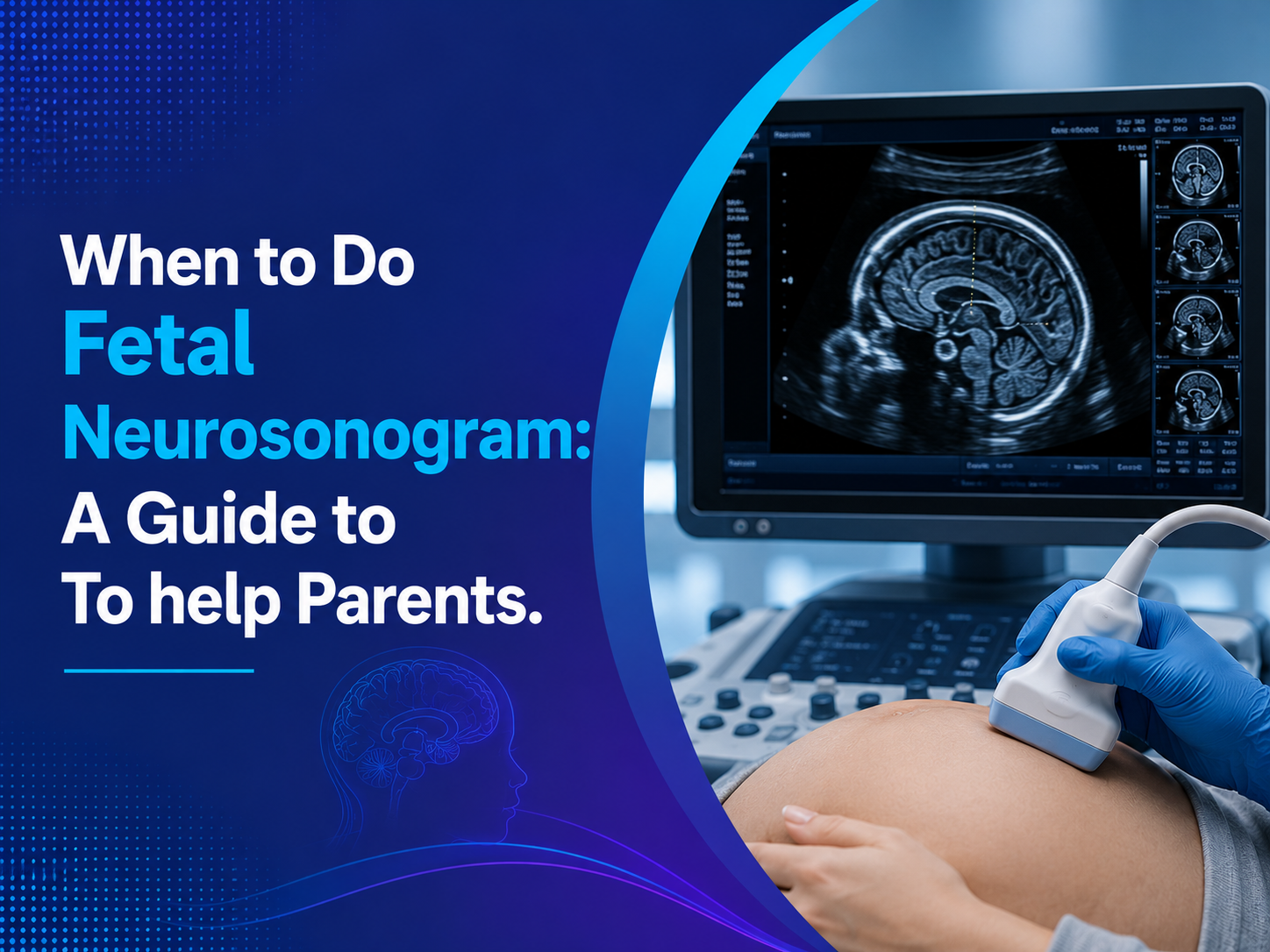
Diagnostic imaging uses technology like X-rays, ultrasound, CT scans, and MRI to create visual pictures of the body’s internal structures. These images help doctors see things a blood test cannot reveal, such as a fracture, an organ’s size and shape, or the position of a developing baby during pregnancy.
What Does a Blood Test Actually Check?
Blood tests remain one of the most common and versatile diagnostic tools available, capable of revealing an enormous amount about your overall health from a single sample.
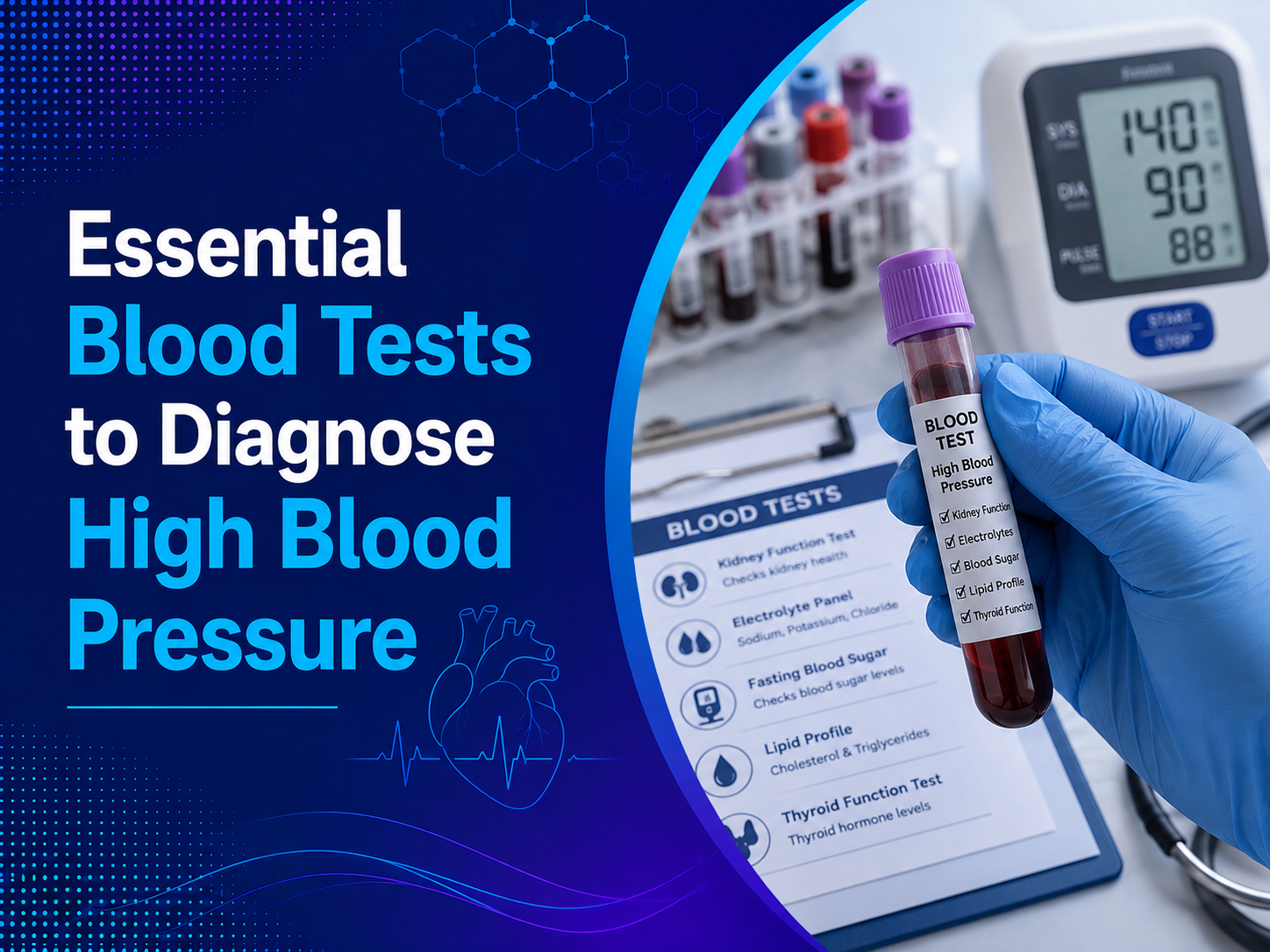
- Complete blood count (CBC), checking red cells, white cells, and platelets for signs of infection or anemia
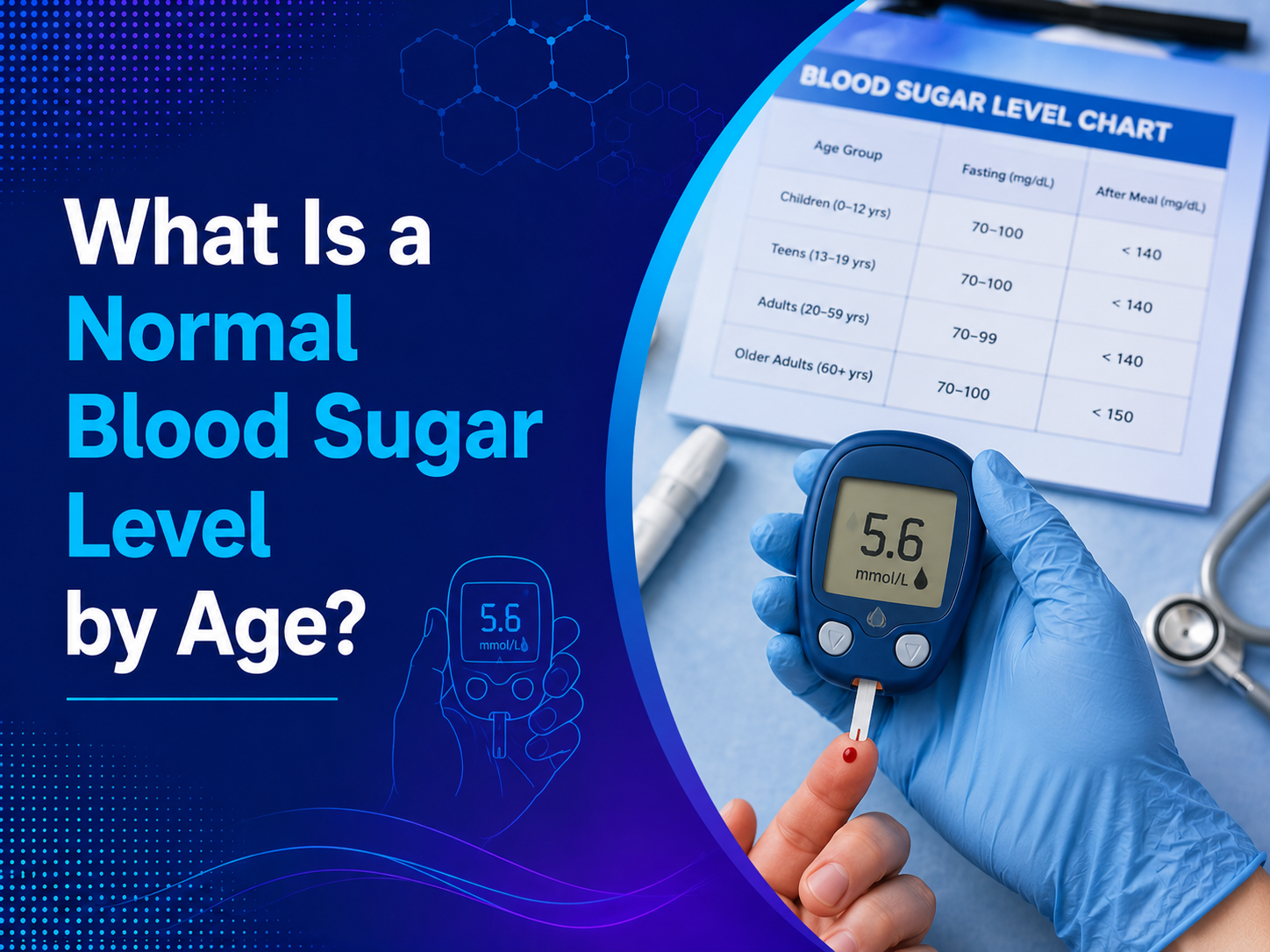
- Blood sugar tests, screening for diabetes or prediabetes
- Lipid profile, assessing cholesterol levels and cardiovascular risk
- Liver and kidney function tests, monitoring how well these organs are working
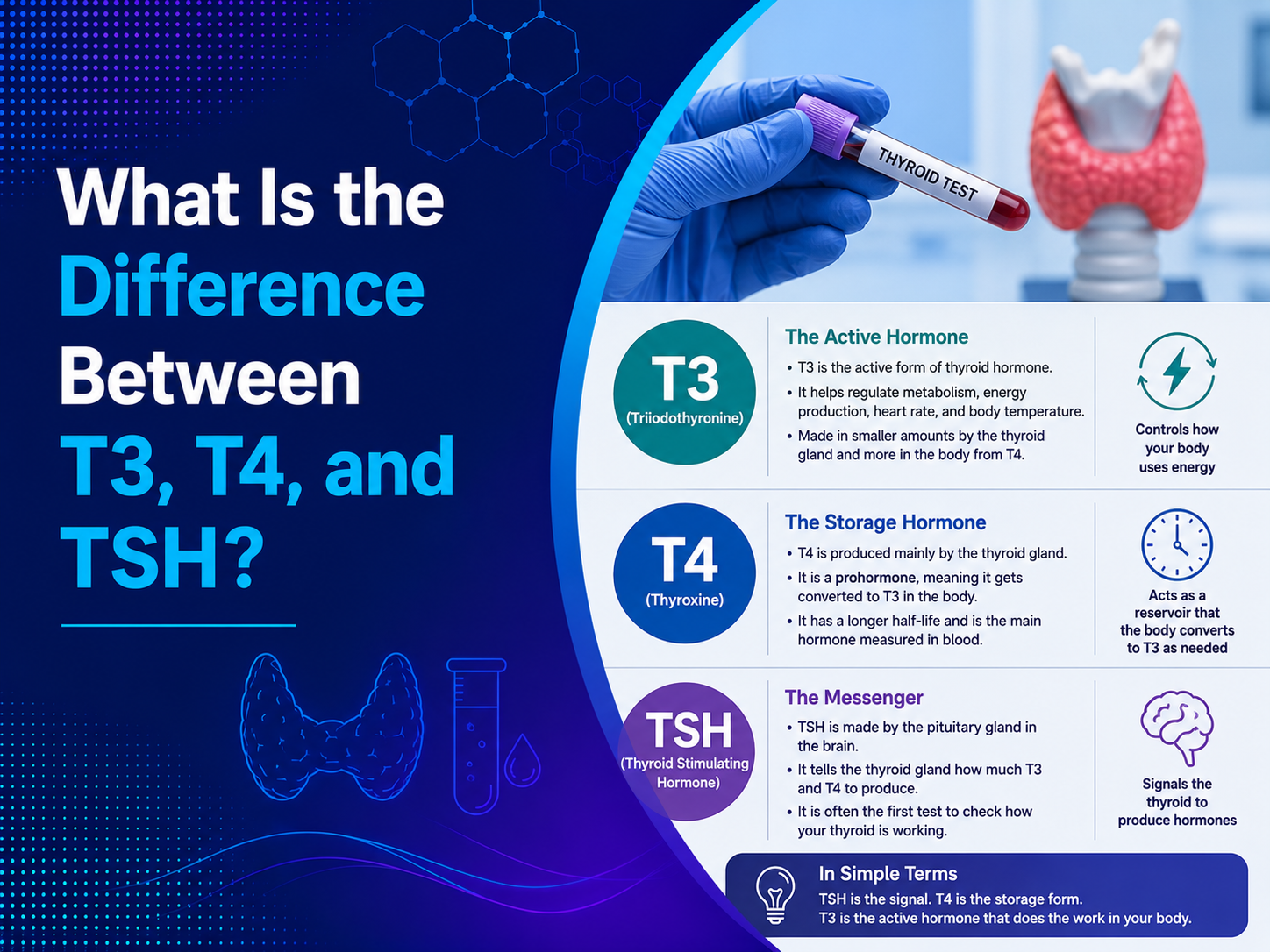
- Thyroid function tests, checking hormone levels that regulate metabolism
- Infection markers, such as CRP, helping identify bacterial or viral illness
Each of these tests answers a specific question, which is why doctors often order several together rather than relying on just one to understand a broader health concern.
What Does Imaging Actually Show?
While blood tests reveal what is happening at a chemical level, imaging tests show the physical structure and function of organs and tissues directly.
- X-rays, revealing bone fractures, joint problems, and certain lung conditions
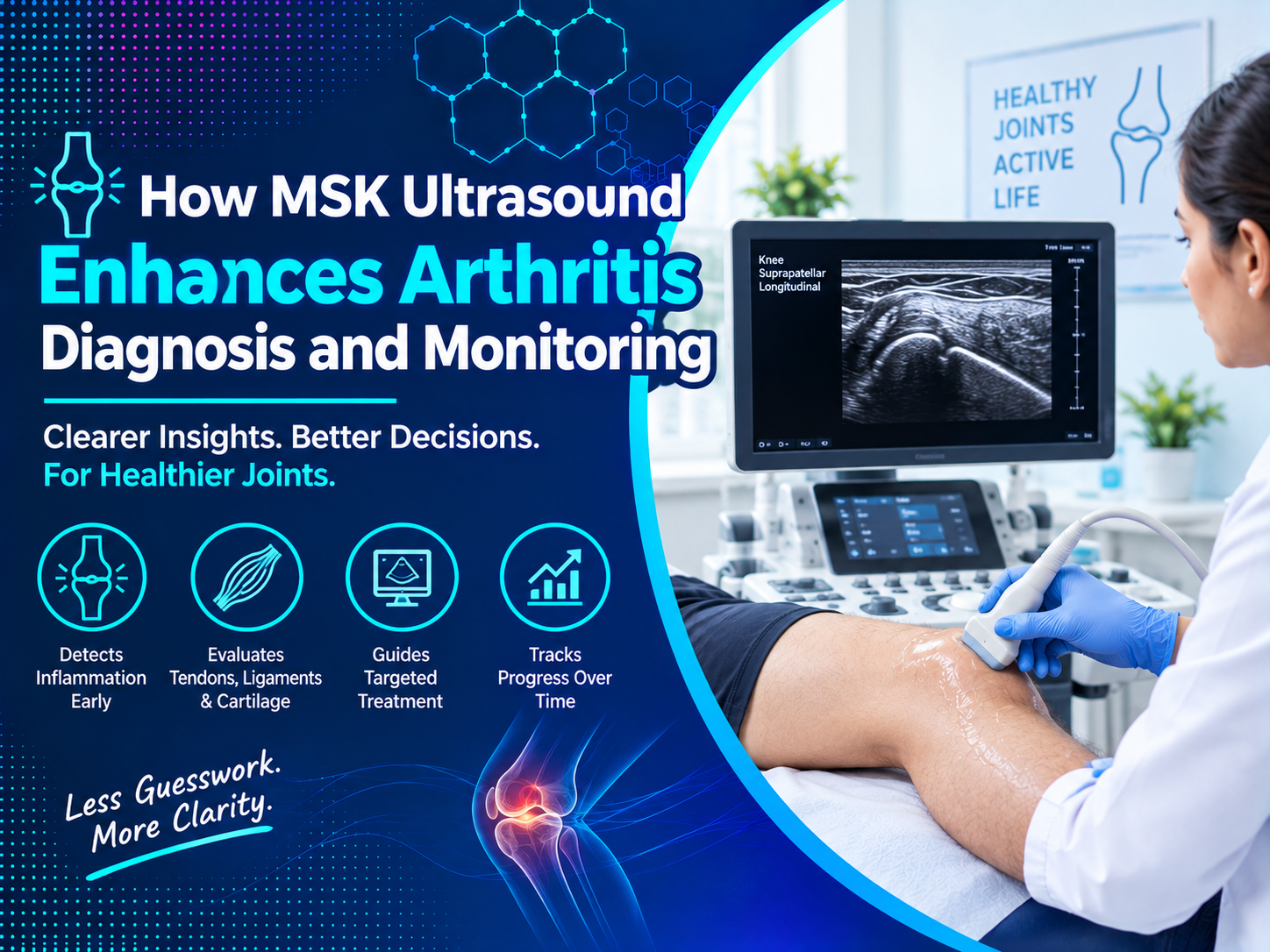
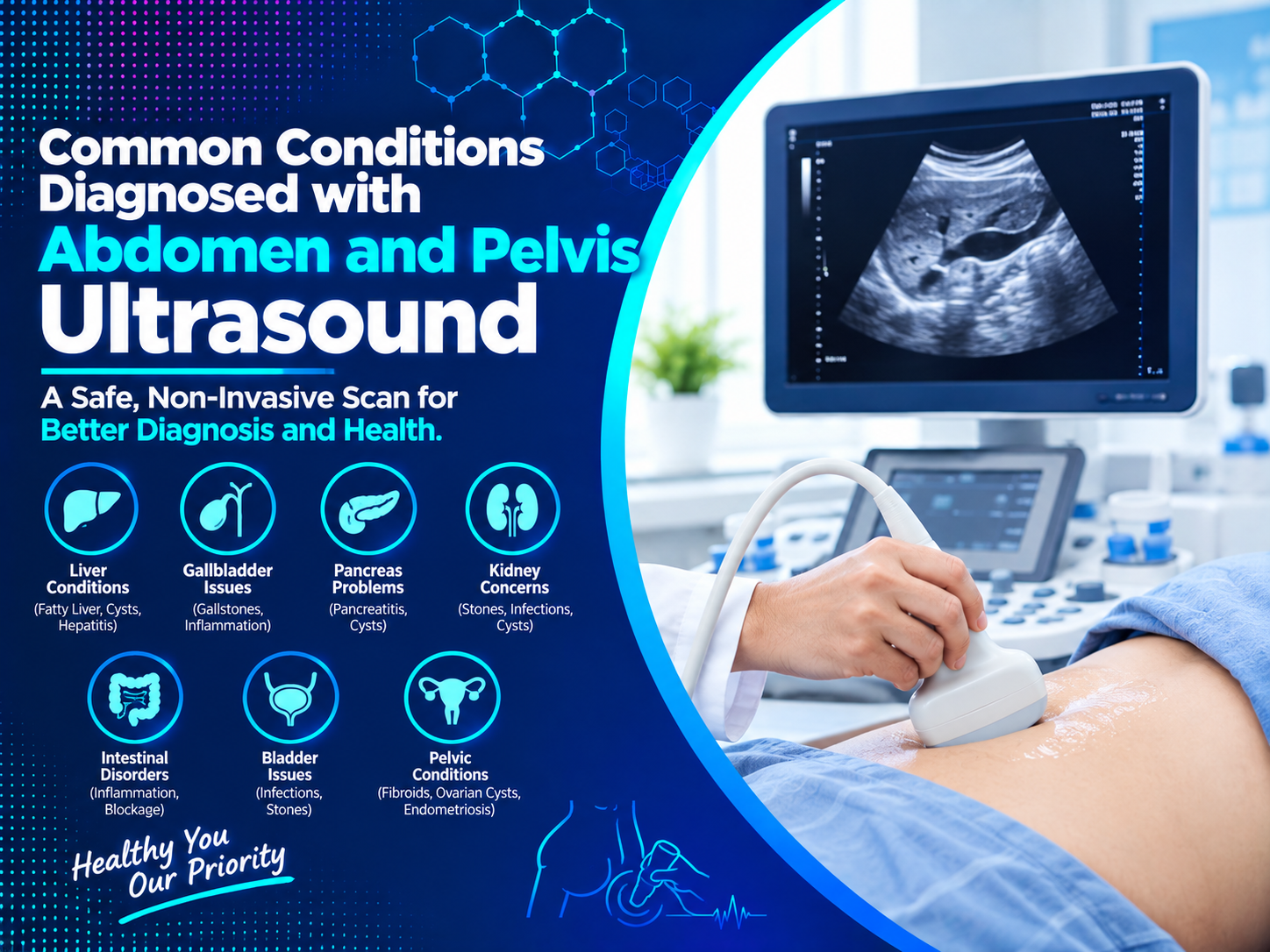
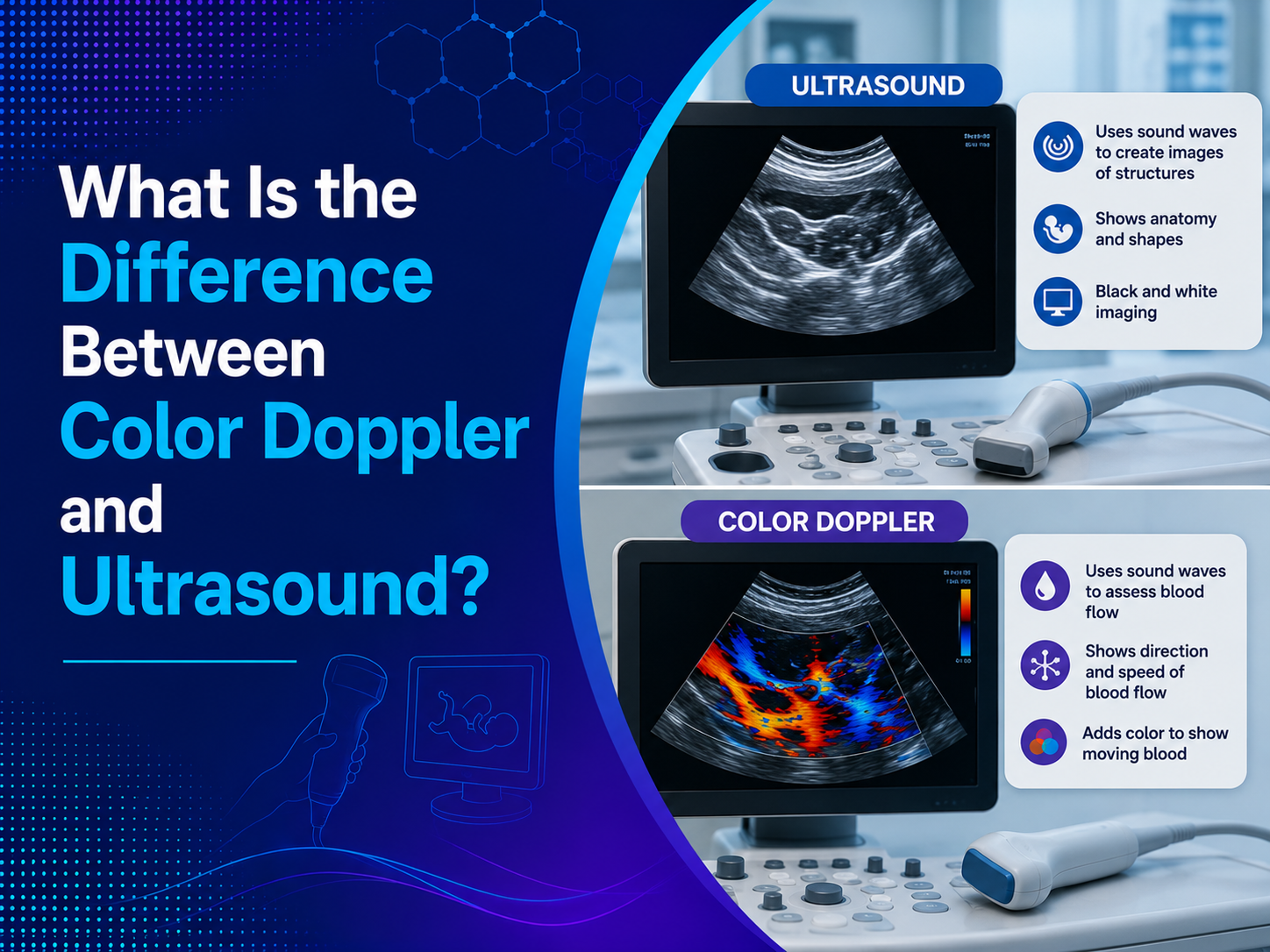
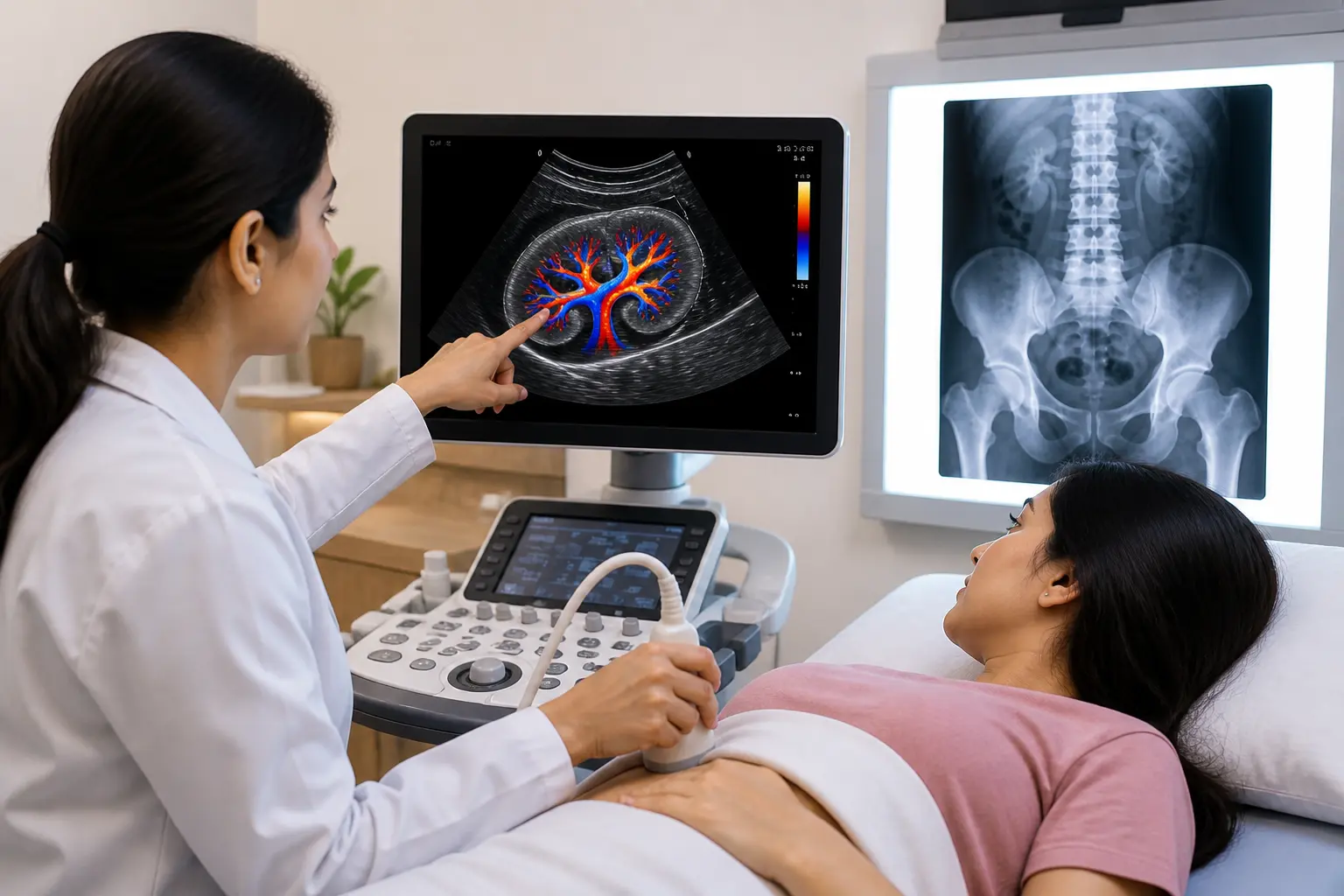
- Ultrasound, showing soft tissue, organ structure, and blood flow through vessels in real time
- CT scans, offering detailed cross-sectional images for more complex diagnostic questions
- MRI, providing highly detailed images of soft tissue, the brain, and the spine
- Doppler studies, measuring blood flow specifically, useful for vascular and pregnancy-related concerns
A referring doctor typically selects the imaging test best suited to the specific question being investigated, since each technology has its own particular strengths.
How Ultrasound and Sonography Fit Into Diagnostic Testing
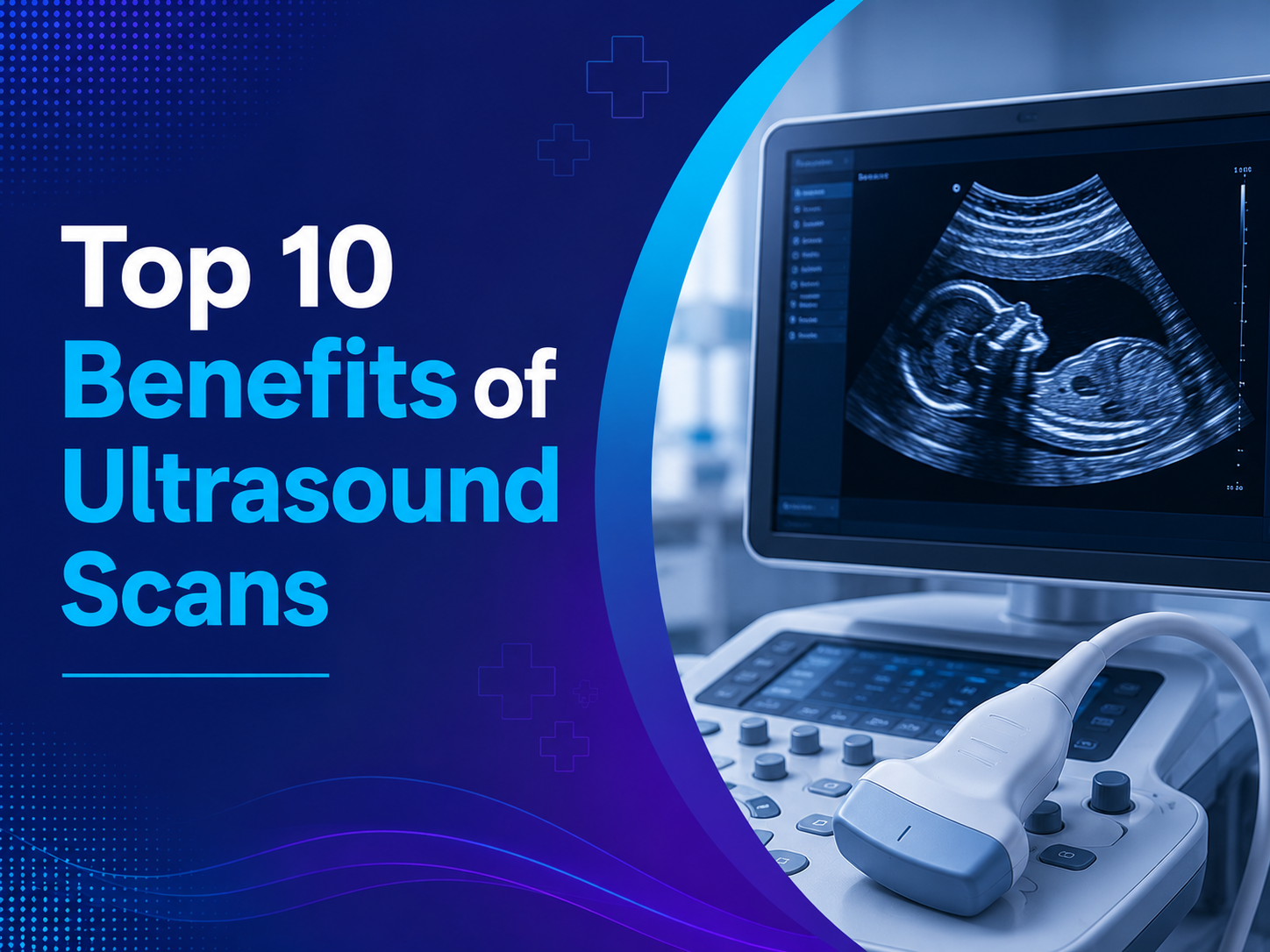
Ultrasound remains one of the most frequently used imaging tools because it is safe, radiation-free, and useful across so many different medical concerns. Patients exploring sonography in indore for pregnancy monitoring, abdominal evaluation, or general organ assessment benefit from this technology’s ability to show real-time movement, not just a static picture.
The Role of Doppler Testing Within Diagnostic Imaging
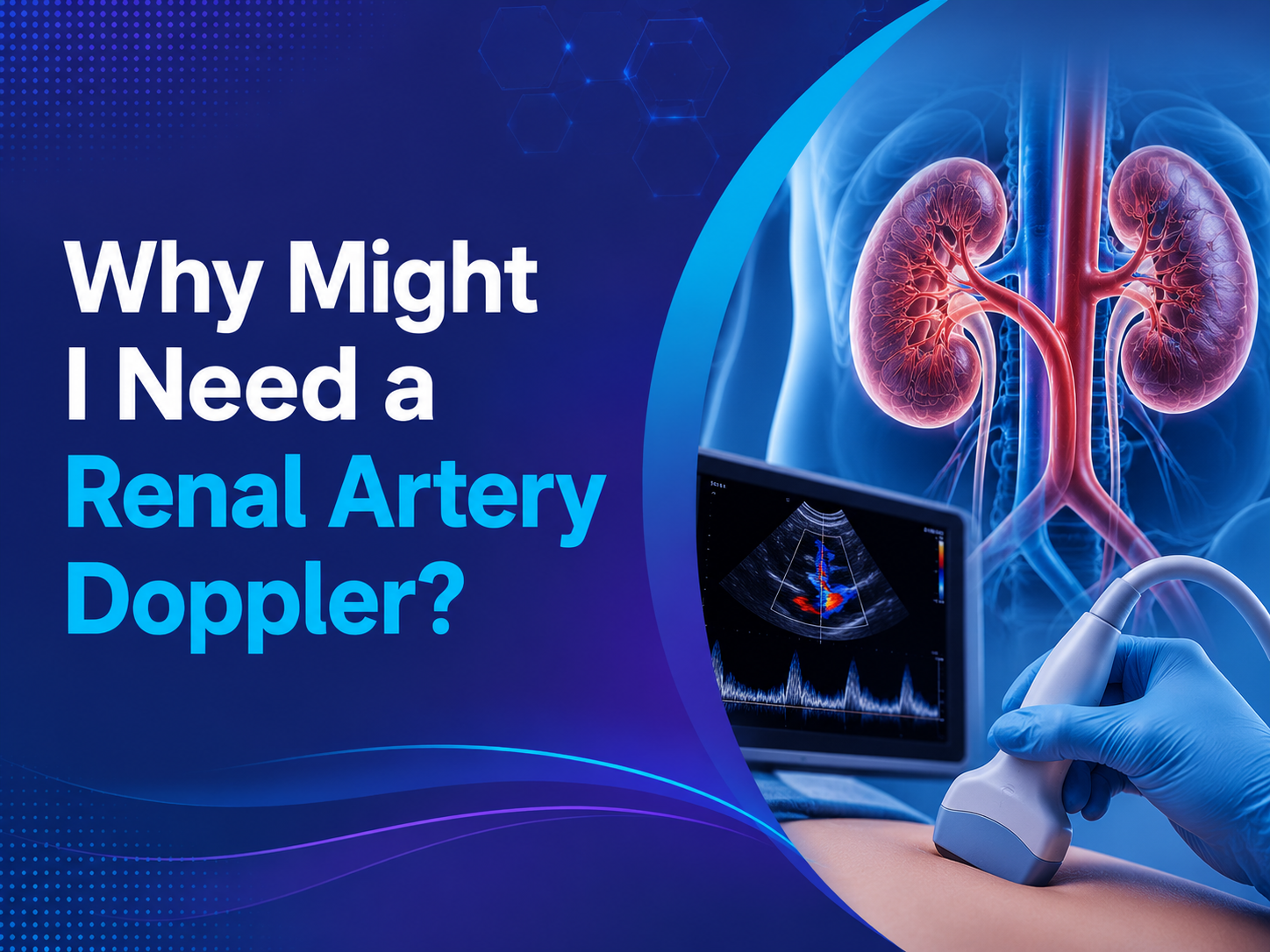
A specialized form of ultrasound, Doppler testing measures the speed and direction of blood flow rather than simply capturing structure. Visiting a dedicated Doppler Test Centre in Indore becomes particularly important when a doctor needs to assess circulation issues, such as suspected blood clots or reduced blood flow during a high-risk pregnancy.
Why Doctors Order Multiple Tests Together
It is common to receive a prescription listing several tests at once, which can feel overwhelming without understanding the reasoning behind it. Combining blood work with imaging often gives doctors a far more complete picture than either category could provide alone, since chemical markers and structural findings frequently need to be interpreted together.
For example, unexplained fatigue might prompt both a CBC to check for anemia and an abdominal ultrasound to rule out an underlying organ issue. This layered approach to testing is exactly what makes a diagnostic checkup so valuable, since it addresses a symptom from multiple angles rather than guessing based on one data point alone.
What Happens to Your Sample or Image After Testing?
Understanding the journey your test takes after collection can help demystify the overall process.
- Blood and other samples are processed in a laboratory using calibrated equipment to measure specific markers
- Imaging scans are captured by a trained technician and reviewed by a radiologist for interpretation
- Results are checked against reference ranges to identify anything outside expected normal values
- A pathologist or radiologist prepares a written report explaining the findings
- The report is shared with your referring doctor, who interprets it alongside your symptoms and history
This structured process ensures that every result reaching your doctor has already been reviewed by a trained specialist, adding a layer of accuracy before any treatment decision is made.
Choosing Tests as Part of a Preventive Health Package
Rather than booking individual tests separately, many patients now choose structured health checkup packages Indore residents commonly rely on, which bundle blood work and imaging together based on age and risk factors. This approach simplifies the process considerably while still covering the most medically relevant markers for a person’s specific life stage.
Why Choose Ultrascan Diagnostic Centre
Ultrascan Diagnostic Centre is recognized as one of the best diagnostic centre in Indore, bringing together pathology testing and a full range of imaging services under one roof for a more coordinated diagnostic experience.
A Trusted Partner for Every Type of Test
As an established Diagnostic Centre in Indore, Ultrascan supports patients through every stage of the testing journey, from a simple blood draw to detailed imaging, with clear, accurate reporting at every step.
Frequently Asked Questions
1. What is the difference between a pathology lab and a diagnostic centre?
A pathology lab focuses specifically on testing biological samples like blood and urine, while a diagnostic centre typically offers both pathology testing and imaging services under one roof. This makes a diagnostic centre a more comprehensive option when multiple types of tests are needed.
2. Do I need a doctor’s prescription for every diagnostic test?
Many basic tests, such as a CBC or blood sugar check, can often be done without a prescription, though it is generally best to test based on a doctor’s specific recommendation. Certain specialized tests and imaging studies typically do require a referral to ensure the right test is ordered for your situation.
3. How long does it take to get results from a diagnostic check?
Most basic blood tests are available within a few hours to one day, while specialized tests and certain imaging studies may take slightly longer. Diagnostic centres with digital reporting systems often share results the same day for standard panels.
4. Can imaging and blood tests be done in the same visit?
Yes, most diagnostic centres are equipped to handle both types of testing during a single visit, making it convenient for patients who need a combination of blood work and imaging. This coordinated approach also helps ensure all results are available together for your doctor to review.
5. Why do some tests require fasting while others don’t?
Tests like blood sugar and lipid profile require fasting because food intake directly affects these specific markers, temporarily skewing results. Other tests, such as a CBC or most imaging studies, are unaffected by recent food intake and generally require no special preparation.
Conclusion
Understanding What Does a Diagnostic Check Do takes much of the mystery out of a process that can otherwise feel confusing or intimidating. Whether it is a blood test measuring a specific marker or an imaging scan capturing a detailed picture, each test plays a distinct, meaningful role in helping your doctor reach an accurate diagnosis.
Book your diagnostic checkup today at Ultrascan Diagnostic Centre and get clear, accurate answers about your health. Walk in or call ahead to schedule your appointment and take a confident step toward better understanding your body.