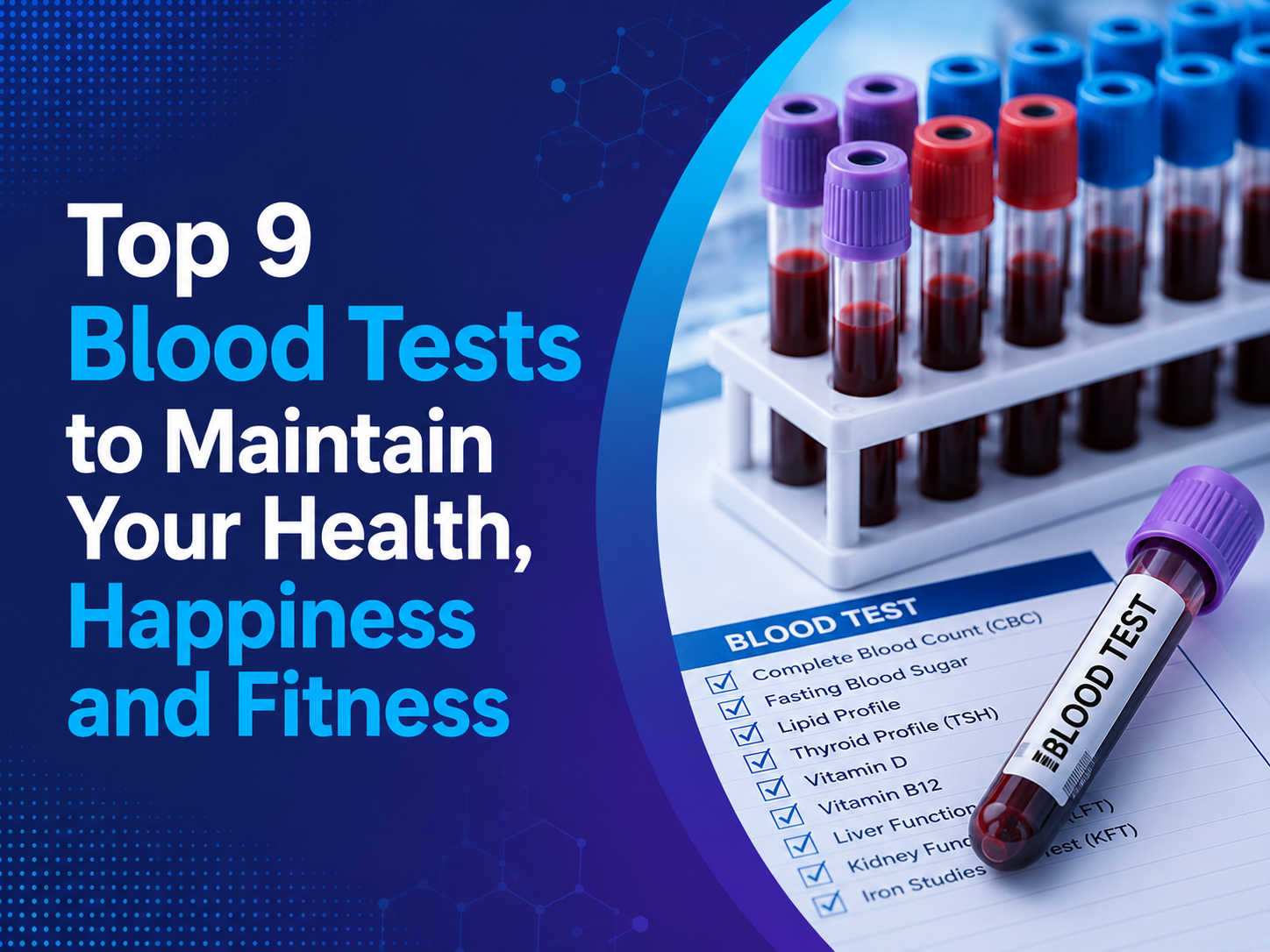
Many men wait until something feels wrong before they see a doctor, but several of the most serious health conditions develop silently for years before symptoms appear. These Essential Health Tests Every man should consider before turning 40 can catch problems while they are still easy to manage, often long before they become a genuine threat. This guide walks through the five tests doctors recommend most, why each one matters, and when to schedule them.
Why Your 30s Matter More Than You Think
It is easy to assume health screening is something to worry about later in life, but many conditions common in older adulthood actually begin developing in your 30s. Cholesterol buildup, insulin resistance, and elevated blood pressure often start quietly years before they cause any noticeable symptoms.
This is exactly why doctors increasingly recommend starting certain Health Tests well before the traditional retirement-focused screening age. Catching a subtle shift in your numbers at 35 gives you and your doctor far more room to course-correct than waiting until a problem shows up at 50.
1. Blood Pressure Screening
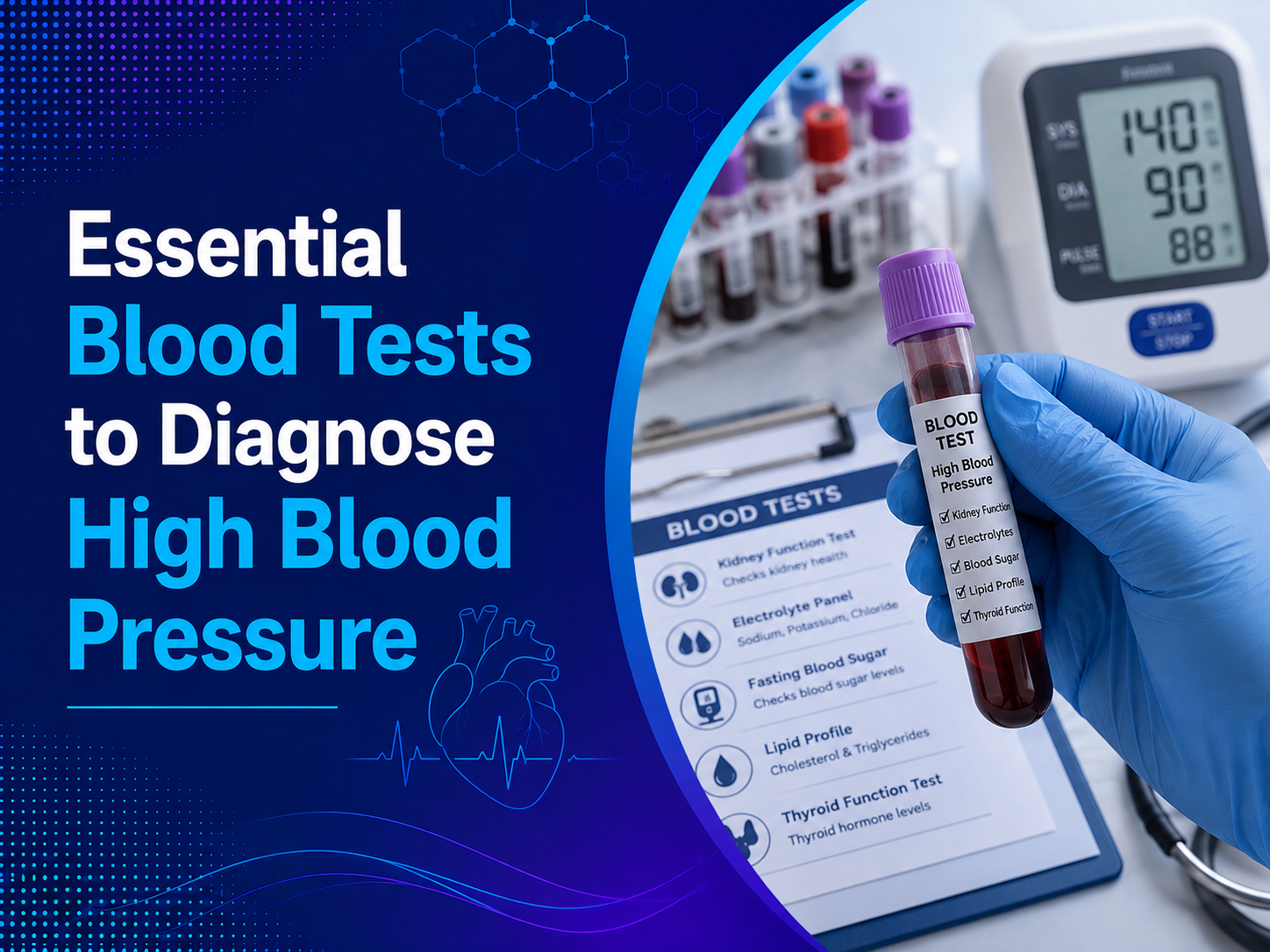
High blood pressure, or hypertension, is often called a silent condition because it rarely produces noticeable symptoms until it has already caused significant damage. Left unchecked, it steadily increases the risk of heart attack, stroke, and kidney disease over time.
Most doctors recommend annual blood pressure checks starting at age 40, though men with risk factors like obesity, a family history of hypertension, or diabetes should start checking even earlier. The test itself takes only a few minutes with a simple arm monitor, and most walk-in visits to a Diagnostic Centre in Indore can fit this check in without a prior appointment.
2. Cholesterol and Lipid Panel
A fasting lipid panel measures total cholesterol, LDL, HDL, and triglycerides, giving your doctor a clear picture of your cardiovascular risk. LDL cholesterol in particular is closely linked to plaque buildup in the arteries, a major contributor to heart attacks and strokes later in life.
Most guidelines recommend men begin cholesterol screening around age 35, or even earlier if there is a family history of heart disease or other risk factors present. Since high cholesterol produces no symptoms on its own, this test remains one of the few reliable ways to catch the problem before it progresses.
3. Blood Sugar and Diabetes Screening
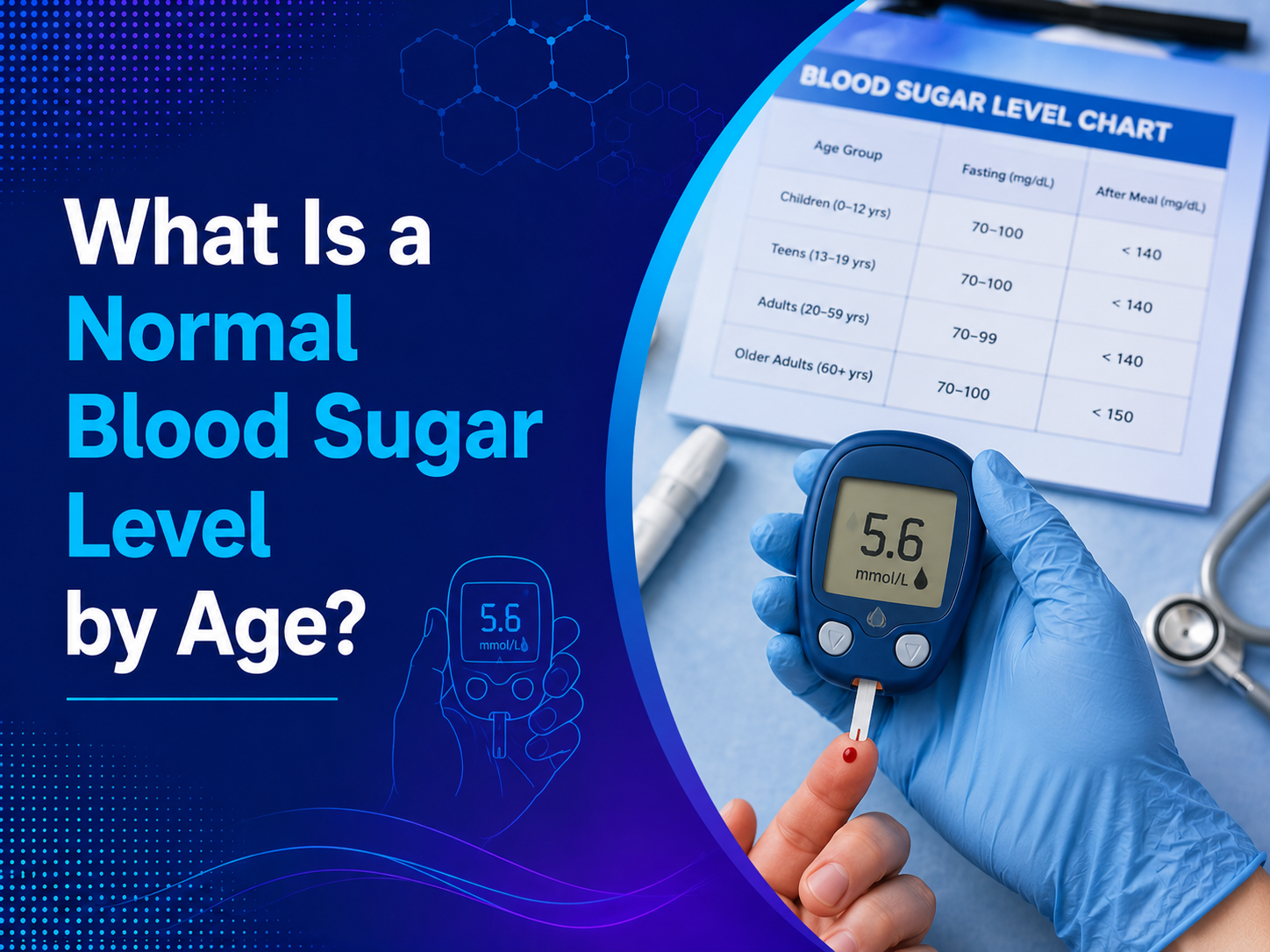
Type 2 diabetes develops gradually, often with no clear warning signs until blood sugar levels have been elevated for years. A fasting blood glucose test, sometimes paired with an HbA1c test, helps detect prediabetes and diabetes early enough to reverse or manage the condition through lifestyle changes.
Doctors generally recommend diabetes screening begin by age 35, with earlier testing advised for men who are overweight, have a family history of diabetes, or have high blood pressure. Left undiagnosed, elevated blood sugar can quietly damage blood vessels, nerves, and kidneys long before any symptoms become noticeable.
4. Prostate Health Screening
Prostate health becomes an increasingly important topic for men as they approach and pass 40, particularly for those with a family history of prostate cancer. A prostate-specific antigen, or PSA, blood test can support early detection, though doctors typically recommend starting this conversation around age 40 for higher-risk men and closer to 50 for average-risk men.
It is worth noting that an elevated PSA level does not automatically mean cancer, since several other factors can influence the result. Discussing your personal risk factors with your doctor helps determine the right starting age and frequency for this particular screening.
5. Complete Blood Count and General Health Panel
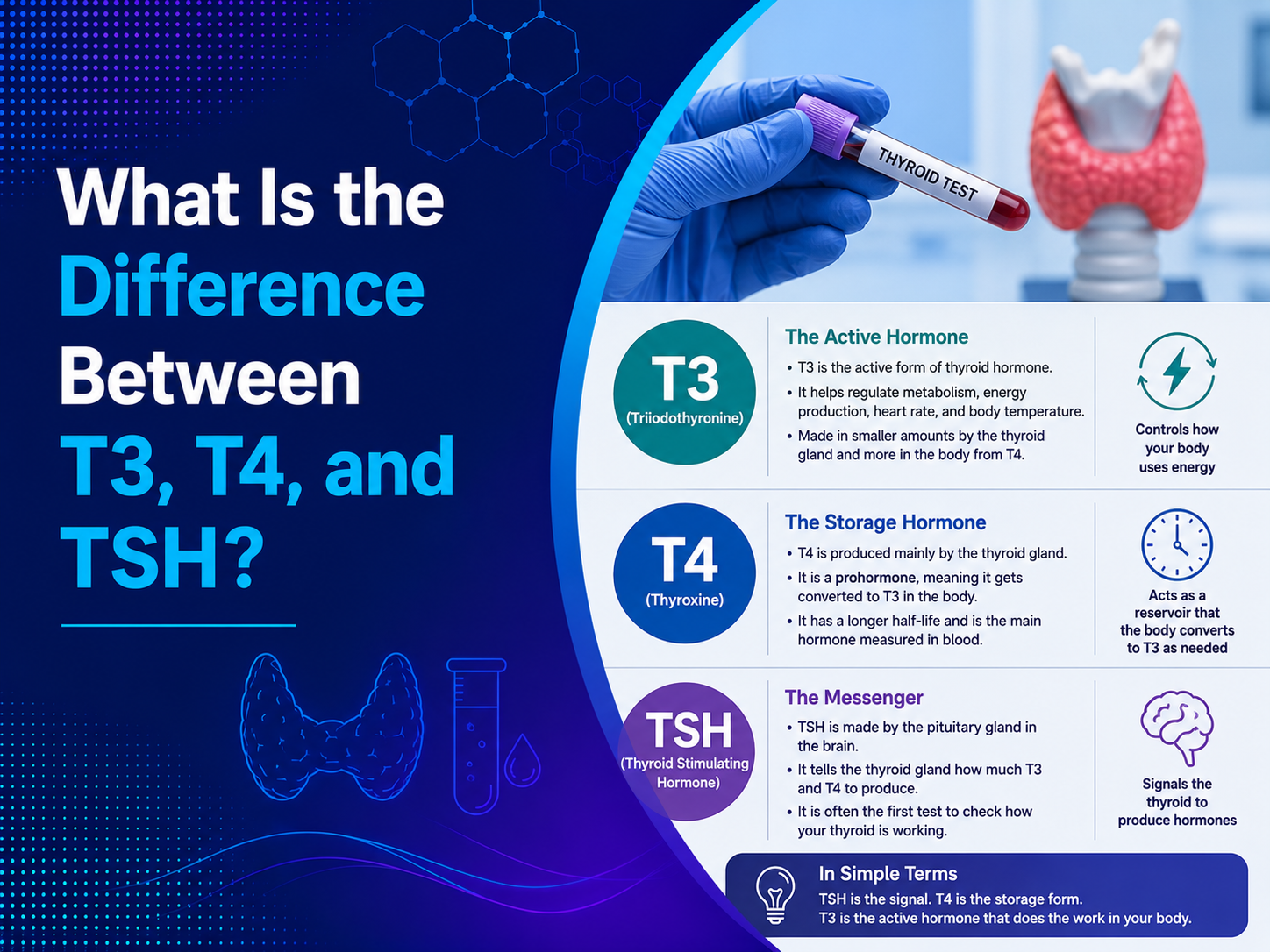
A complete blood count, combined with basic kidney and liver function tests, offers a broad snapshot of your overall health beyond any single specific condition. This panel can reveal anemia, infection, early kidney concerns, or liver issues that might otherwise go unnoticed for years.
Pairing this panel with your other screenings creates a more complete picture of your health, rather than relying on isolated test results that only tell part of the story. A well-equipped pathology lab in Indore can typically process this full panel alongside your other blood work in a single visit, saving you from multiple separate appointments.
Recommended Screening Schedule by Age
| Test | Recommended Starting Age | Frequency |
| Blood pressure | 35-40, earlier with risk factors | Annually, or every 2-3 years if normal |
| Cholesterol (lipid panel) | 35 | Every 5 years, more often with risk factors |
| Blood sugar (diabetes) | 35 | Every 3 years, more often with risk factors |
| Prostate (PSA) | 40 for high risk, 50 for average risk | Annually once started |
| Complete blood count | 30s onward | Every 1-2 years as part of a general checkup |
Who Should Get Tested Earlier Than These Guidelines?
While these age recommendations apply broadly, certain risk factors warrant starting screening earlier than the general population.
- A family history of heart disease, diabetes, or prostate cancer
- Being overweight or obese
- A sedentary lifestyle with minimal regular physical activity
- Smoking or heavy alcohol consumption
- Existing conditions like high blood pressure or prediabetes
- Symptoms such as unexplained fatigue, frequent urination, or unusual weight changes
If any of these apply to you, it is worth discussing an earlier screening schedule with your doctor rather than waiting until the standard recommended age. A quick consultation at the best diagnostic centre in Indore you trust can help clarify which tests make sense to start now versus later.
Making Preventive Testing Part of Your Routine
Building consistent testing into your yearly routine, rather than waiting for symptoms to force a doctor’s visit, is one of the most effective ways to protect your long-term health. Many men find it easier to stay consistent when all five tests are combined into a single, well-organized full body checkup Indore package rather than scheduling each test separately throughout the year.
Frequently Asked Questions
1. Do I really need these tests if I feel completely healthy?
Yes, many of these conditions, including high blood pressure, high cholesterol, and early diabetes, produce no symptoms until they have already caused meaningful damage. Feeling fine does not rule out an underlying issue, which is exactly why routine screening matters.
2. Is fasting required before these tests?
Yes, both the cholesterol panel and blood sugar test typically require 8 to 12 hours of fasting for accurate results. Blood pressure checks and the complete blood count generally do not require fasting.
3. Should I get a PSA test if I have no family history of prostate cancer?
Average-risk men are generally advised to start this conversation around age 50, while those with a family history of prostate cancer should consider starting around 40. It is best to discuss your personal risk factors with your doctor to determine the right timing for you.
4. How often should I repeat these tests once I turn 40?
Blood pressure and PSA are usually checked annually, while cholesterol and blood sugar are typically repeated every three to five years if results are normal. Your doctor may recommend more frequent testing based on your personal risk factors and previous results.
5. Can I get all five tests done in a single visit?
Yes, most diagnostic centres offer combined health packages that bundle these tests together, making it far more convenient than scheduling each one separately. This approach also tends to be more cost-effective than booking individual tests throughout the year.
Conclusion
Turning 40 does not need to be the moment you start worrying about your health, especially if you have already built a habit of regular screening in the years leading up to it. These Essential Health Tests Every man should prioritize offer a straightforward, proactive way to catch potential problems early, when they are far easier to manage.
Book your complete men’s health panel today at Ultrascan Diagnostic Centre and take a confident step toward a healthier future. Walk in or call ahead to schedule your appointment and start building the habit of preventive care.