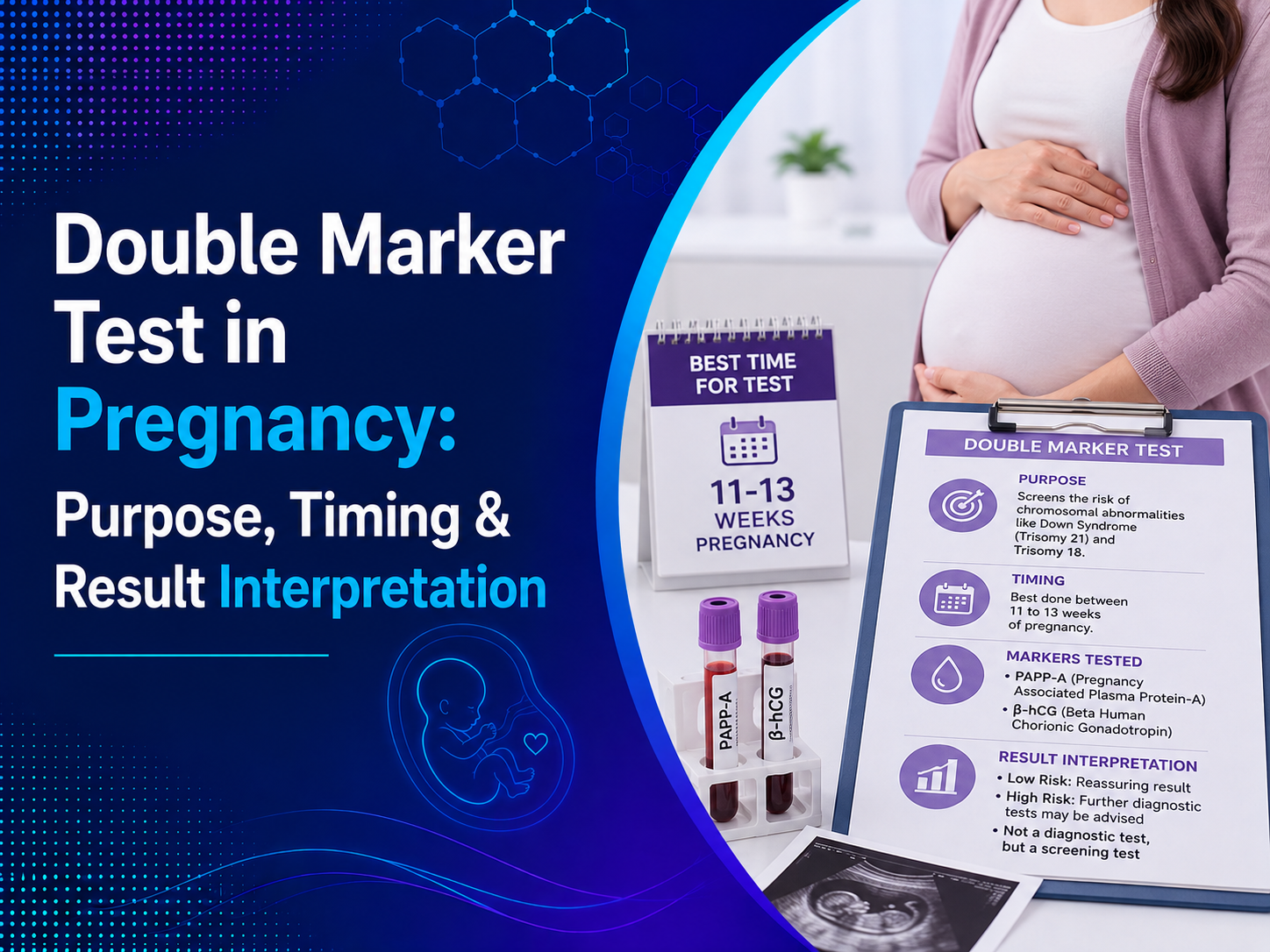
Early pregnancy brings a wave of questions, and one of the most important is whether your baby is developing typically. The Double Marker Test in Pregnancy is one of the first screening tools doctors use to assess this, offering an early look at the risk of certain chromosomal conditions.
What Is the Double Marker Test in Pregnancy?
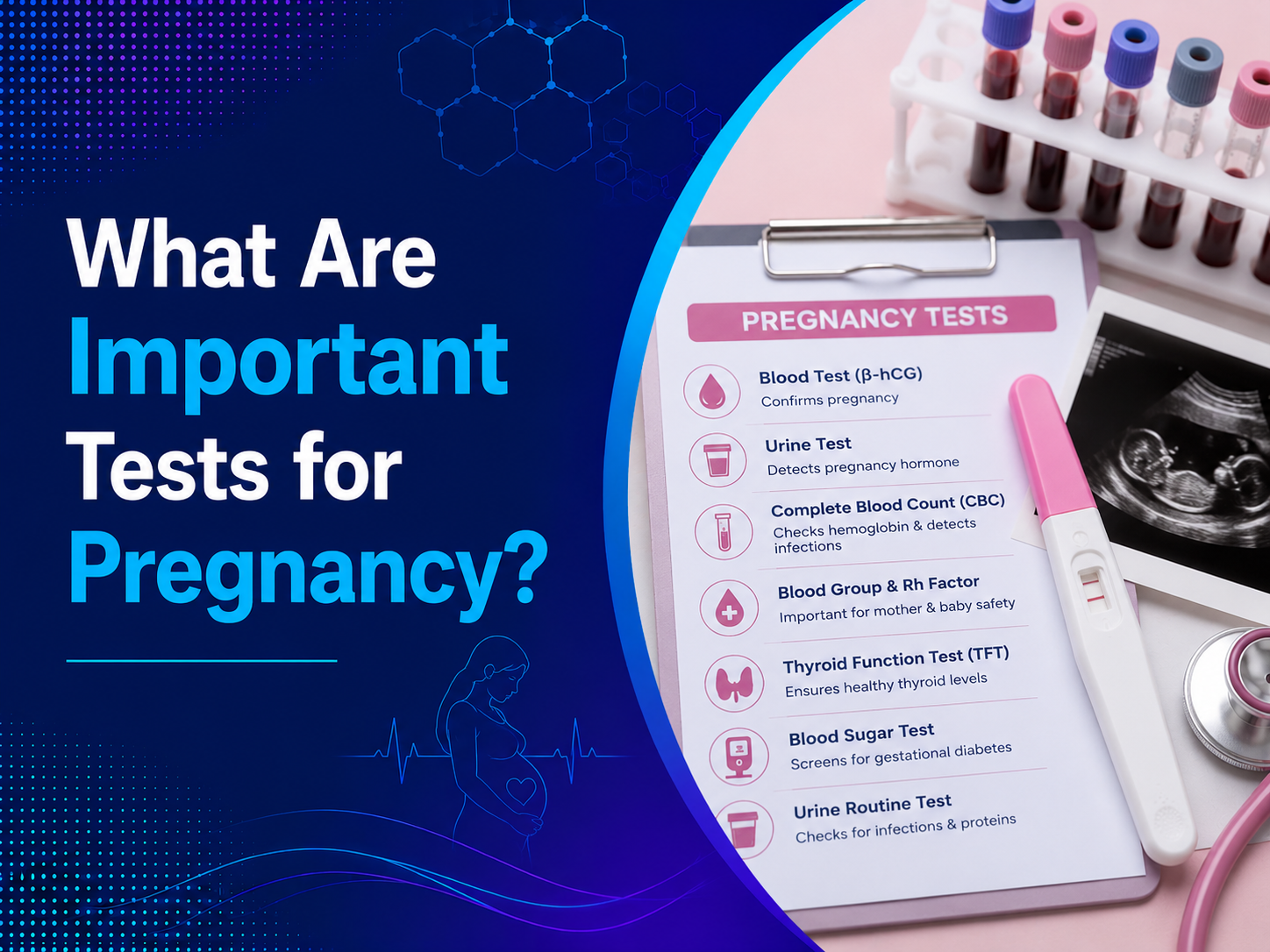
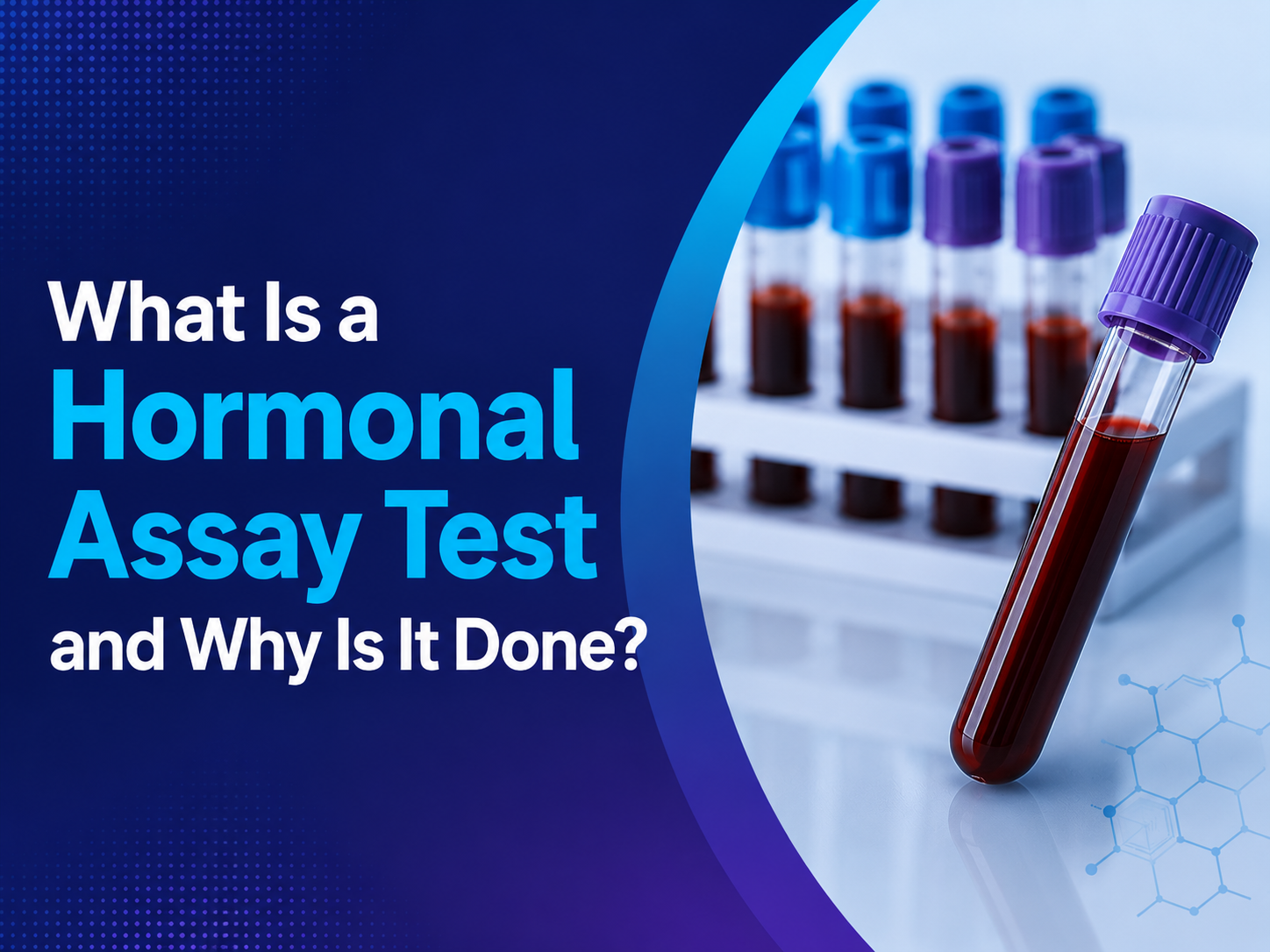
The double marker test, also called the dual marker test, is a first-trimester blood test used to screen for chromosomal conditions such as Down syndrome, Edwards syndrome, and Patau syndrome. It measures two specific substances in the mother’s blood, free beta-hCG and PAPP-A, both of which are produced by the placenta.
It is important to understand that the Double Marker Test in Pregnancy is a screening tool, not a diagnostic test. It estimates risk rather than confirming a condition, which means results guide your doctor toward further testing rather than delivering a final answer on their own.
What Does the Double Marker Test Measure?
The test focuses on two key biochemical markers, each offering a different clue about your baby’s development.
- Free Beta-hCG (human chorionic gonadotropin): a hormone produced by the placenta, where unusually high levels can indicate increased chromosomal risk
- PAPP-A (pregnancy-associated plasma protein-A): a protein involved in placental development, where lower than expected levels are linked to higher risk
Your doctor combines these two values with your age, weight, and gestational age, along with ultrasound findings, to calculate an overall risk score for your pregnancy.
Why Is the Double Marker Test in Pregnancy Recommended?
Doctors recommend this test for a range of reasons, and not all of them involve a specific risk factor.
- Early detection of chromosomal risk, allowing more time for informed decision-making
- Standard first-trimester screening, recommended for many pregnancies regardless of risk factors
- Advanced maternal age, typically for women above 35 years
- Family history of genetic disorders or previous pregnancies affected by chromosomal conditions
- Abnormal findings on an early ultrasound, prompting further risk assessment
- Combined screening accuracy, since pairing this test with an ultrasound significantly improves reliability
Even without specific risk factors, many doctors include this test as part of routine prenatal care, since early information gives both parents and doctors more time to plan next steps if needed.
Best Time for the Double Marker Test in Pregnancy
Timing plays a critical role in getting accurate, meaningful results from this test.
The Double Marker Test in Pregnancy is typically recommended between the 11th and 13th week plus six days of pregnancy. This window is ideal because it aligns closely with the nuchal translucency (NT) ultrasound scan, and biochemical marker levels are at their most detectable and interpretable during this period.
Testing before the 10th week can lead to inconclusive results, since the placenta and fetus are still developing and marker levels have not stabilized enough for accurate interpretation. Testing too late, after 14 weeks, means you lose the benefit of combining results with the NT scan for a more reliable overall risk estimate.
Double Marker Test Timeline at a Glance
| Stage | Timing | What Happens |
| Ideal testing window | 11 to 13 weeks + 6 days | Blood sample collected for marker analysis |
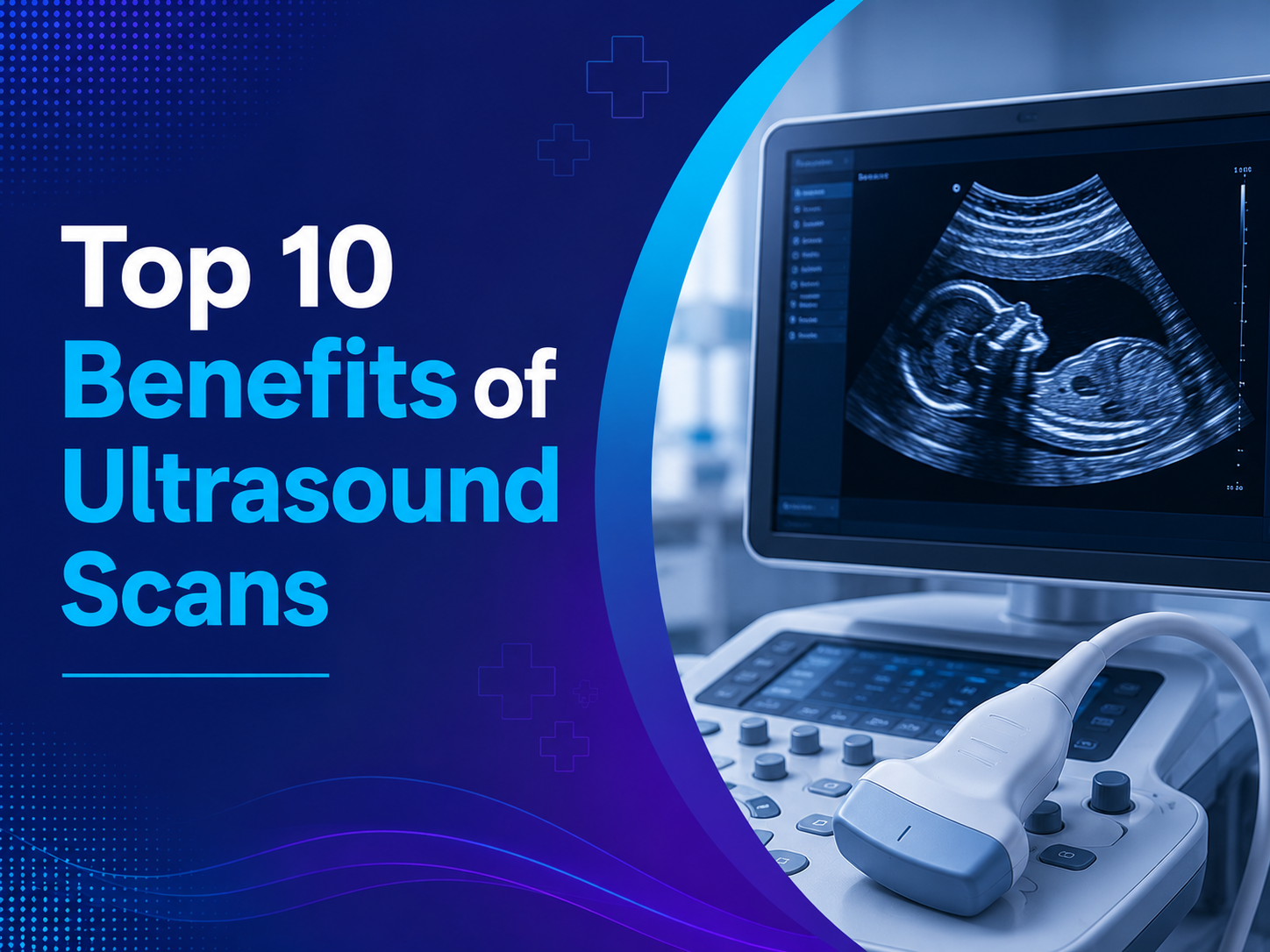
| Paired ultrasound | Around the same window | NT scan measures neck tissue for combined risk score |
| Report generation | A few days after sample collection | Risk ratio and marker levels shared with your doctor |
| Follow-up, if needed | Based on result category | Additional testing recommended for high-risk results |
How the Double Marker Test Is Performed
The procedure itself is simple and requires minimal preparation from the mother.
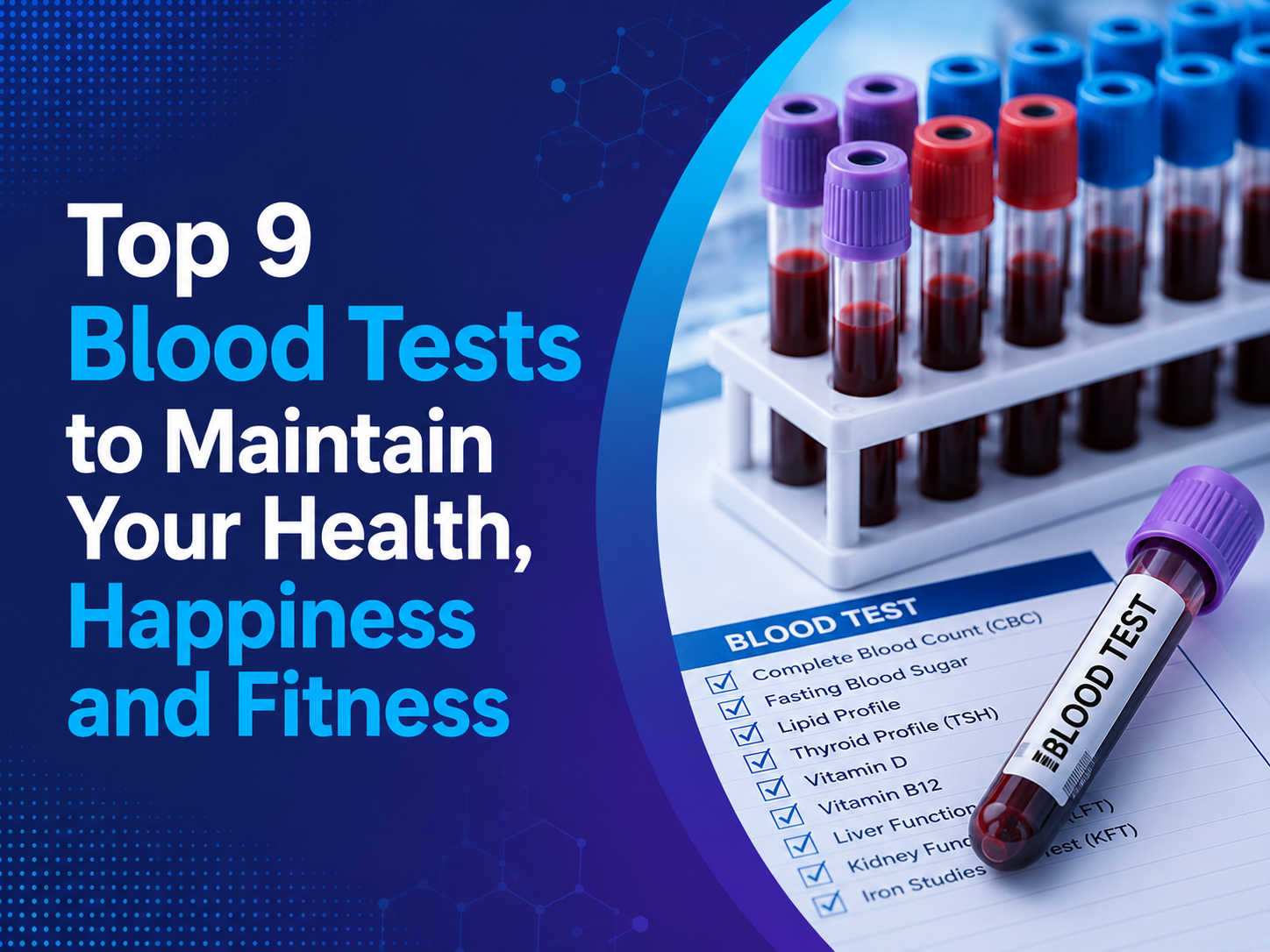
- A small blood sample is drawn from your arm, similar to a routine blood test.
- No fasting is typically required, though a light meal beforehand is usually recommended.
- The sample is analyzed in a lab to measure free beta-hCG and PAPP-A levels.
- Results are combined with your NT scan findings, age, and gestational age.
- Your doctor reviews the complete report and discusses the risk assessment with you.
How to Interpret Double Marker Test Results
Understanding your report can feel confusing at first, since results are not presented as a simple pass or fail.
Understanding the Risk Ratio
Results are usually expressed as a ratio, such as 1:1,500 or 1:100. A higher ratio, like 1:1,500, means a lower statistical risk of a chromosomal condition, while a lower ratio, like 1:100, indicates a comparatively higher risk that may call for further evaluation.
Low-Risk Results
A low-risk or screen-negative result means the calculated probability of a chromosomal condition is minimal. This is reassuring news, though it does not completely rule out the possibility, since this remains a screening test rather than a diagnostic one.
High-Risk Results
A high-risk result does not mean your baby has a chromosomal condition. It simply means the statistical likelihood is higher than average, and your doctor will likely recommend additional diagnostic tests, such as NIPT or amniocentesis, to confirm or rule out a specific condition.
What Happens After an Abnormal Result?
If your Double Marker Test in Pregnancy result comes back high-risk, your doctor will guide you through the next steps calmly and clearly.
- A detailed discussion of what the risk ratio actually means for your specific pregnancy
- Referral for non-invasive prenatal testing (NIPT) for a more precise risk assessment
- Consideration of diagnostic tests like chorionic villus sampling (CVS) or amniocentesis if needed
- Continued monitoring through a follow-up Early Anomaly Scan in Indore later in pregnancy
Most women who receive a high-risk result go on to have healthy pregnancies, and further testing usually helps clarify the picture rather than confirm a problem.
Why Choose Ultrascan Diagnostic Centre for Your Double Marker Test
Accurate timing and precise lab analysis are essential for reliable screening results, which makes choosing the right centre just as important as the test itself. Ultrascan Diagnostic Centre is recognized as one of the best diagnostic centre in Indore for prenatal screening and maternal health testing.
- Precise lab analysis for accurate free beta-hCG and PAPP-A measurement
- Experienced radiologists offering combined NT scan and blood marker interpretation
- Convenient scheduling alongside your routine Early Pregnancy Test in Indore and prenatal visits
- Comfortable, supportive environment designed for expecting mothers
- Prompt report sharing with your gynecologist for timely decision-making
As a trusted Diagnostic Centre in Indore, Ultrascan Diagnostic Centre helps ensure your first-trimester screening is accurate, well-timed, and clearly explained at every step.
Frequently Asked Questions
1. Is the Double Marker Test compulsory during pregnancy?
No, it is not compulsory, but most doctors recommend it as part of routine first-trimester screening. It provides valuable early information, especially for women above 35 or with a family history of genetic conditions.
2. Does the Double Marker Test require fasting?
No special fasting is required before this test. A light meal beforehand is generally fine, though your doctor may give specific instructions based on your overall prenatal testing schedule.
3. Can the Double Marker Test be done without an ultrasound?
While the blood test can technically be done alone, combining it with the NT ultrasound scan significantly improves the accuracy of your risk assessment. Most doctors recommend scheduling both together during the same window.
4. How long does it take to get Double Marker Test results?
Results are typically available within a few days after your blood sample is collected. Your doctor will review the report alongside your NT scan findings before discussing the overall risk assessment with you.
5. What should I do if my Double Marker Test result is high-risk?
Stay calm, since a high-risk result only indicates a higher statistical probability, not a confirmed diagnosis. Your doctor will likely recommend further testing, such as NIPT or diagnostic procedures, to get a clearer picture.
Conclusion
The Double Marker Test in Pregnancy offers valuable early insight into your baby’s chromosomal health, giving you and your doctor more time to make informed decisions if needed. While a high-risk result can feel alarming, it is only the beginning of a broader evaluation, not a final diagnosis.
Book your Double Marker Test today at Ultrascan Diagnostic Centre, a trusted name for prenatal screening in Indore. Walk in or call ahead to schedule your appointment and take a confident, informed step into your pregnancy journey.