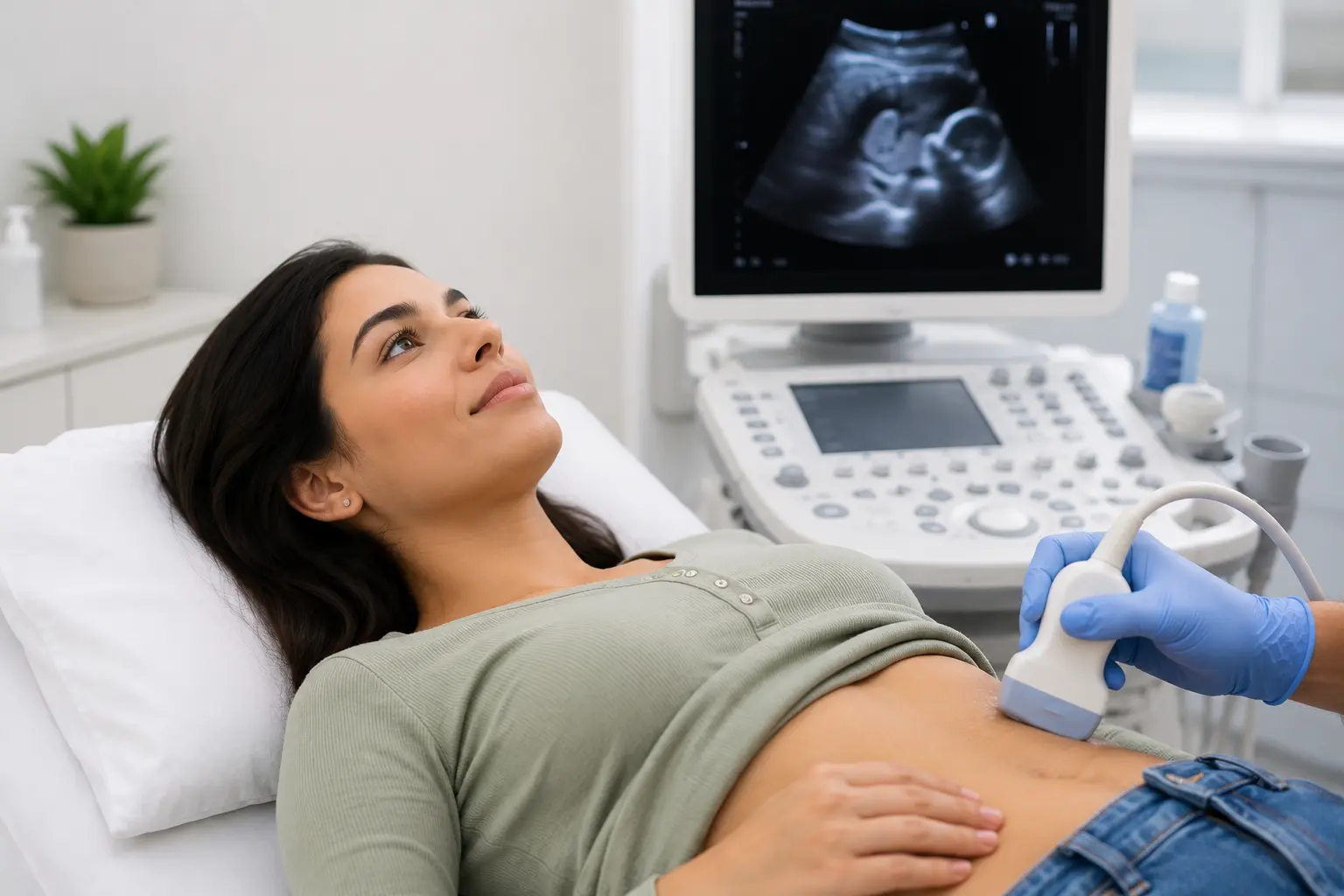
You have been booked in for an abdominal ultrasound, and the question on your mind is a simple one: do I need to fast before an abdominal ultrasound scan? It is one of the most frequently asked questions we receive at Ultrascan Diagnostics, and getting the answer right matters. Arriving for your scan with the wrong preparation can result in poor image quality, a repeat appointment, and unnecessary delay in your diagnosis.
The short answer is: yes, in most cases fasting is required for an abdominal ultrasound – but the rules vary depending on exactly which organs are being examined. This guide explains why fasting is necessary, how long you need to fast, which organs are affected by preparation, and what you can and cannot have before your scan.
At Ultrascan Diagnostics, your trusted ultrasound diagnostic centre in Indore, we believe that a well-prepared patient produces the best scan results. Understanding your preparation instructions in advance is one of the most important steps you can take to ensure your scan is as accurate and informative as possible.
Why Do I Need to Fast Before an Abdominal Ultrasound Scan? The Science Explained
To understand do I need to fast before an abdominal ultrasound scan, it helps to know how an ultrasound works and what interferes with it.
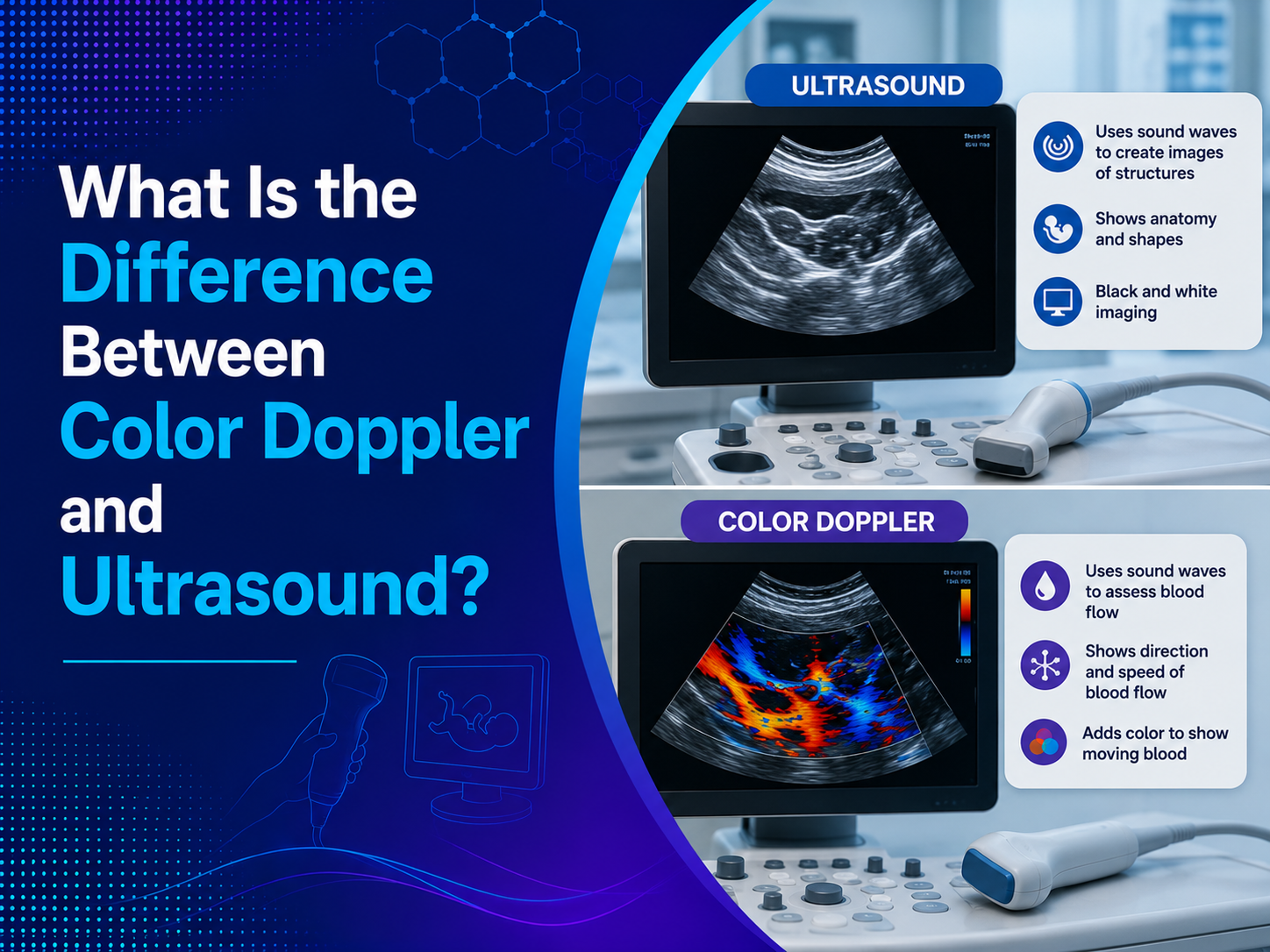
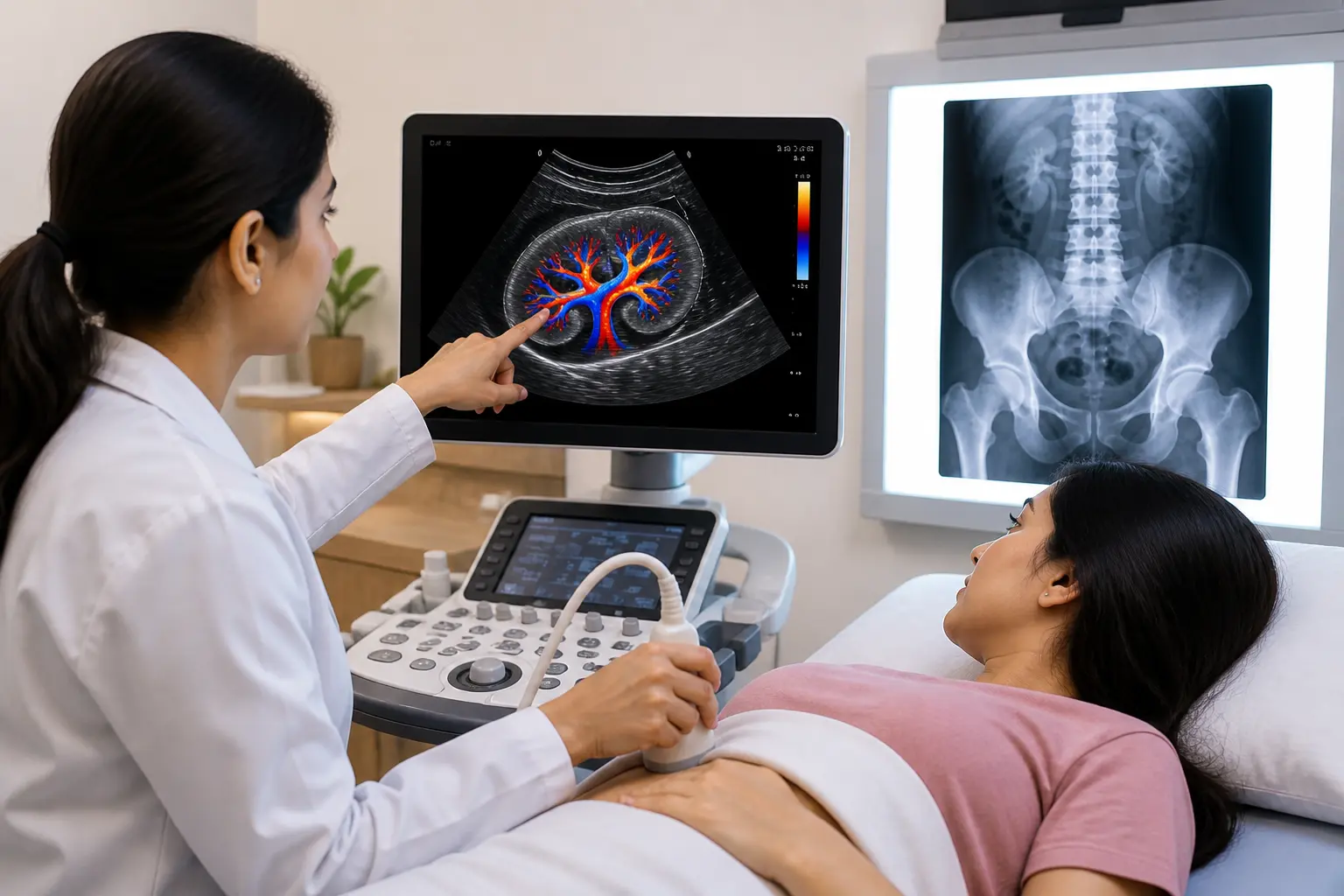
An ultrasound scan uses high-frequency sound waves emitted by a probe (transducer). These waves travel through the body, bounce off internal structures, and return to the probe. The machine then converts those returning signals into real-time images. The process works extremely well through soft tissue and fluid, but it is significantly disrupted by gas and air.
When you eat or drink, your digestive system goes to work and, in doing so, it produces gas. Gas traps and scatter ultrasound waves rather than transmitting them clearly, creating dark, shadowy patches on the image that obscure the organs behind them. This is especially problematic for upper abdominal organs – particularly the gallbladder, common bile duct, pancreas, portal vein, and parts of the liver – that sit behind or near the gas-filled bowel and stomach.
Eating also directly affects the gallbladder in a specific way. After a meal, the gallbladder contracts and releases bile to help digest fats. In a contracted, emptied gallbladder, small stones can hide, early thickening is difficult to measure, and the bile ducts are harder to assess. In a fasted state, the gallbladder fills with bile and becomes distended, making it far easier to examine in detail.
How Long Do You Need to Fast Before an Abdominal Ultrasound? A Clear Timeline
The standard fasting requirement for a full abdominal ultrasound scan is 4 to 6 hours for adults. However, this guideline can vary slightly based on the specific organs being examined, the patient’s age, and any underlying health conditions.
For a Full Abdominal Ultrasound (Liver, Gallbladder, Pancreas, Spleen, Kidneys, Aorta)
Fast for a minimum of 4 to 6 hours before the appointment. Water in small sips is permitted throughout the fasting period and is actually encouraged to keep the kidneys and ureters visible. Avoid all solid food, milk, juice, tea, coffee (even without sugar), carbonated drinks, and chewing gum during the fasting window – all of these stimulate digestive gas production.
For a Gallbladder and Bile Duct-Focused Scan
This scan benefits most from fasting. Ideally, an overnight fast (8 hours) produces the best gallbladder distension and the clearest view of the bile ducts. Many radiologists recommend scheduling this scan as a morning appointment after fasting from the previous night’s dinner. This maximises the size of the gallbladder and the likelihood of detecting even small stones.
For a Kidney and Urinary Tract Scan (KUB)
A kidney ultrasound does not require strict fasting. In fact, for a kidney scan you should drink plenty of water beforehand to keep yourself well-hydrated – this helps the kidneys and surrounding blood vessels appear clearly on the ultrasound image. However, if your kidney scan is being performed as part of a larger abdominal panel that includes the liver and gallbladder, the fasting rule applies to the whole study.
For a Pelvic Ultrasound Combined with Abdominal Scan
If your scan includes a pelvic assessment (bladder, uterus, or prostate), you will need a full bladder at the time of the scan – which means drinking 1 to 1.5 litres of water approximately 1 hour before your appointment and not emptying your bladder until after the scan is complete. If your appointment covers both the upper abdomen and pelvis, follow the fasting rule and then drink water after your fast ends to fill the bladder before arriving.
For Children and Elderly Patients
Children and elderly patients should not be required to fast for as long as adults. For young children under 10 years, a 3 to 4 hour fast is typically sufficient. For infants and toddlers, fasting between feeds (2 to 3 hours) is usually adequate. Elderly patients and those with diabetes or other metabolic conditions should always inform the diagnostic centre at the time of booking so that a personalised fasting plan can be arranged to avoid any adverse effects from prolonged fasting.
What Can You Have Before an Abdominal Ultrasound? A Complete Do and Do-Not List
This is where patients frequently get confused – especially around water, medications, and common morning habits. Here is a clear breakdown:
What You CAN have during the fasting period:
• Plain water – small sips are not only permitted, they are encouraged. Staying hydrated helps the kidneys and blood vessels remain visible on ultrasound.
• Prescribed medications – continue all regular medications with a small sip of water unless your doctor has specifically told you to withhold a particular drug before your scan.
• Nothing else – no tea, no coffee, no milk, no juice, no carbonated water, no alcohol, no chewing gum, and no mints.
What You CANNOT have during the fasting period:
• Tea or coffee – even black, unsweetened tea or coffee stimulates the gallbladder to contract and the digestive system to produce gas.
• Milk in any form – stimulates digestion and produces gas.
• Fruit juice or any other beverages – all non-water drinks affect digestion.
• Carbonated drinks including sparkling water – the gas content directly interferes with the scan.
• Chewing gum – stimulates saliva and gastric secretions, triggering gas production.
• Mints or hard sweets – same reason as chewing gum.
• Smoking – nicotine stimulates bowel motility and can increase gas production.
What Happens If You Did Not Fast Before Your Abdominal Ultrasound?
This is a very practical concern. Missed alarm clocks, forgotten instructions, or an honest misunderstanding about preparation requirements can all lead to a patient arriving without having fasted. Here is what to expect:
• Gallbladder assessment will be significantly compromised: A contracted, post-meal gallbladder is much harder to examine thoroughly. Small stones and early sludge may be completely invisible.
• The pancreas may be impossible to visualise: The pancreas sits directly behind the stomach. A full, gas-filled stomach after a meal can completely block the ultrasound signal from reaching the pancreas.
• The portal vein and bile ducts may be obscured: Bowel gas in the upper abdomen can hide these structures, making it impossible to assess portal blood flow or detect bile duct dilation.
• Kidney and spleen imaging is usually less affected: These organs are positioned slightly away from the main gas-producing areas and may still be assessable.
• The radiologist may proceed with a partial scan: In urgent clinical situations, a partial scan is better than no scan. The report will note the suboptimal preparation and flag which areas could not be fully assessed.
• A repeat scan may be required: This means a second appointment, a second preparation, and an inevitable delay in your diagnosis and treatment.
Abdominal Ultrasound Preparation: Organ-by-Organ Quick Reference Guide
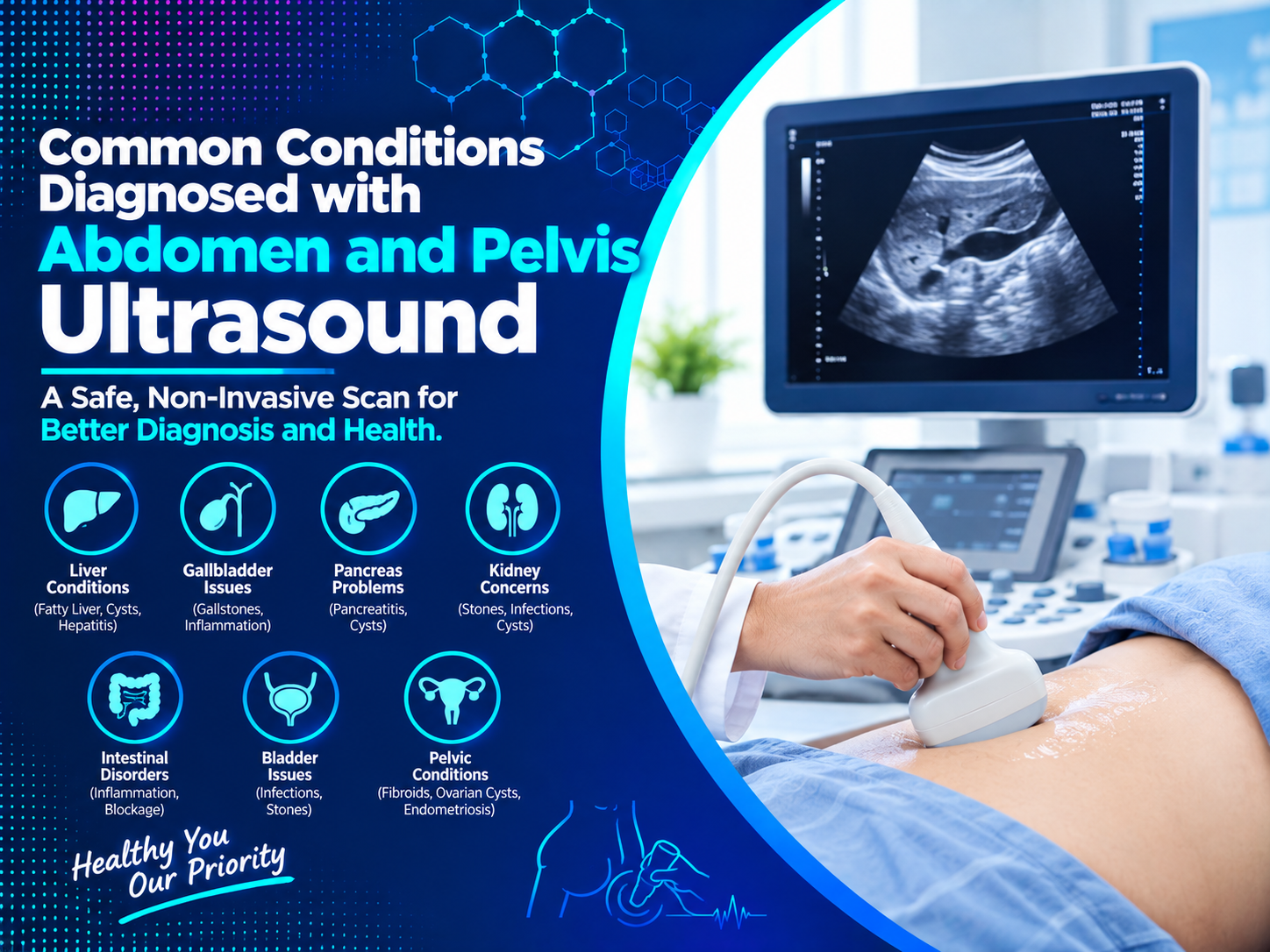
Different organs within the abdomen have specific preparation needs. Here is a quick reference summary:
• Liver: Fast 4–6 hours. Liver lesions, fatty liver, and cirrhosis can usually be assessed well in a fasted state. Gas in the adjacent bowel is the main challenge.
• Gallbladder: Fast 6–8 hours (ideally overnight). The gallbladder must be distended with bile for optimal examination. This is the organ most critically affected by lack of fasting.
• Bile ducts (Common Bile Duct / CBD): Fast 6–8 hours. The CBD is best seen when the gallbladder is full and the surrounding stomach is empty.
• Pancreas: Fast 4–6 hours minimum. The pancreas is often the hardest organ to see and benefits most from a completely empty stomach.
• Spleen: Fasting helpful but not as critical. The spleen is usually well-visualised even in non-fasted patients unless there is significant bowel gas in the left upper abdomen.
• Kidneys (without gallbladder): Hydration important, fasting not critical. Drink water before the scan.
• Aorta and abdominal vessels: Fast 4–6 hours. Bowel gas can obscure the aorta and its major branches.
• Portal vein (Portal Doppler): Fast 4–6 hours. Assessment of portal blood flow is significantly hampered by gas in the stomach and small bowel.
At Ultrascan Diagnostics – one of the most accessible nearest ultrasound centres in Indore – our team will confirm your exact preparation requirements at the time of booking, tailored to the specific organs and clinical questions your doctor has requested us to investigate.
Practical Tips for Fasting Before Your Ultrasound Scan in Indore
Fasting sounds simple, but in practice it can be tricky – especially for early morning appointments or when patients have other medications and conditions to manage. Here are some practical tips to make it easier:
• Book a morning appointment if possible: Having your scan at 9 or 10 AM means your fasting period coincides with your overnight sleep – making it far less uncomfortable than fasting through the day.
• Have a light, early dinner the night before: Avoid heavy, fatty, or spicy food the evening before your scan. A simple, low-fat dinner at around 8 PM allows an easy 10–12 hour overnight fast.
• Keep water by your bedside: Remind yourself that plain water is allowed throughout the fast. Small sips of water will prevent dehydration and actually help the quality of your kidney images.
• Take your medications as normal: Unless specifically told otherwise by your doctor, continue all prescription medications. Bring your medication list or packet to your appointment.
• Avoid fatty or fried food the day before: Even if your fast officially begins only 6 hours before the scan, the digestive effects of a heavy meal can linger. A low-fat day before the scan is always helpful.
• Inform us if you are diabetic: Patients with diabetes who need to manage blood sugar levels carefully should always let the centre know at the time of booking. We will accommodate your appointment timing accordingly.
• Do not smoke on the morning of the scan: Nicotine stimulates the bowel and can increase gas production, even if you have fasted from food.
Frequently Asked Questions: Fasting Before an Abdominal Ultrasound
Q1. Can I drink water before an abdominal ultrasound scan?
Yes – plain water is not only permitted before an abdominal ultrasound, it is actively recommended. Water does not stimulate the digestive system, does not cause gas production, and does not trigger the gallbladder to contract. Drinking small sips of plain water throughout your fasting period helps maintain hydration, keeps the kidneys and urinary tract visible on the ultrasound scan, and makes the experience of fasting more comfortable. The key is to stick to plain, still water – sparkling or flavoured water, even without calories, counts as a drink that can affect your scan. If you are unsure at any point, plain water is always the safe choice.
Q2. Can I take my medications before an abdominal ultrasound?
In almost all cases, yes – you should continue taking your regular prescribed medications before an abdominal ultrasound. Taking tablets with a small sip of water does not meaningfully compromise the fasting preparation. Missing important medications – such as blood pressure tablets, thyroid medication, or antiepileptic drugs – is far more harmful than the minor impact of a small sip of water. The only exceptions are medications your prescribing doctor has specifically asked you to hold before the scan, or drugs that directly affect the organ being studied (for example, a prokinetic drug that affects bowel motility may be relevant in specific circumstances). When in doubt, confirm with your doctor or call the diagnostic centre before your appointment.
Q3. Do I need to fast before an abdominal ultrasound if I am only having my kidneys scanned?
A standalone kidney ultrasound (KUB scan – kidneys, ureters, and bladder) does not require fasting. In fact, for a kidney scan, preparation is the opposite – you should drink plenty of water before the scan to remain well-hydrated. Hydration helps the kidneys and surrounding blood vessels appear clearly on the ultrasound image, and a full bladder is needed to assess the bladder itself and the lower ureters. However, if your doctor has requested a full abdominal ultrasound that includes the kidneys alongside the liver, gallbladder, and pancreas, the fasting requirement for the upper abdominal organs applies to the entire study. Always confirm with your diagnostic centre exactly which organs are to be scanned when checking your preparation instructions.