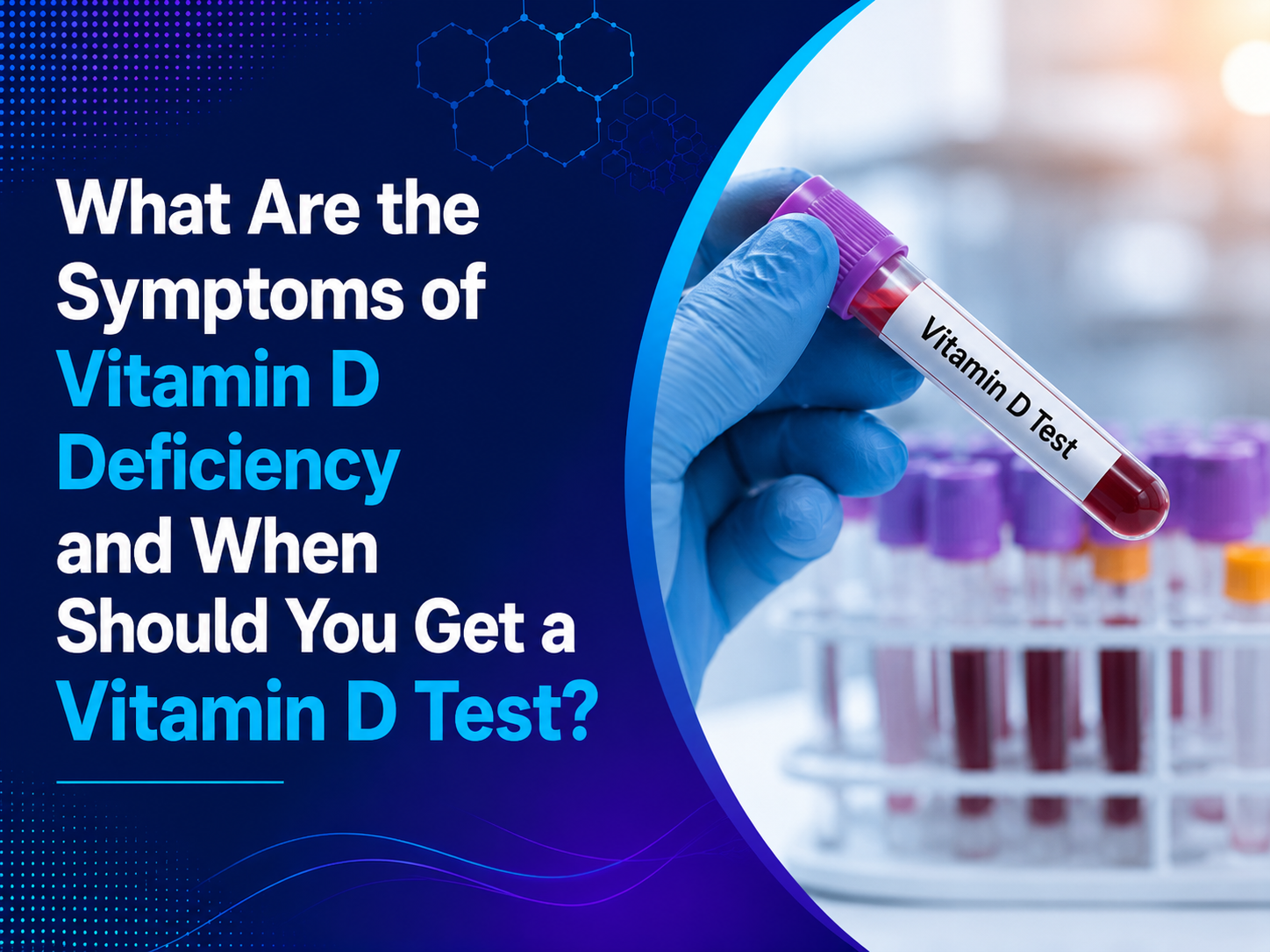
Feeling tired all the time, having weak bones, or catching infections often? These could be signs of Vitamin D deficiency, one of the most common nutrient deficiencies seen today. If you are searching for a Vitamin D test in Indore, understanding the early symptoms and knowing the right time to get tested can help you take control of your health before complications set in.
At Ultrascan Diagnostics, a trusted diagnostic centre in Indore, we help you identify Vitamin D deficiency early through accurate Vitamin D blood tests, so you can start the right treatment on time.
What Is Vitamin D and Why Does Your Body Need It?
Vitamin D is a fat-soluble vitamin that your body needs for strong bones, muscle function, and a healthy immune system. Unlike most vitamins, your skin produces it naturally when exposed to sunlight.
It also plays a role in calcium absorption, nerve function, and reducing inflammation. When your body does not get or produce enough of it, a range of health issues can follow, which is why a Vitamin D deficiency test in Indore is often recommended by doctors.
Common Symptoms of Vitamin D Deficiency You Should Not Ignore
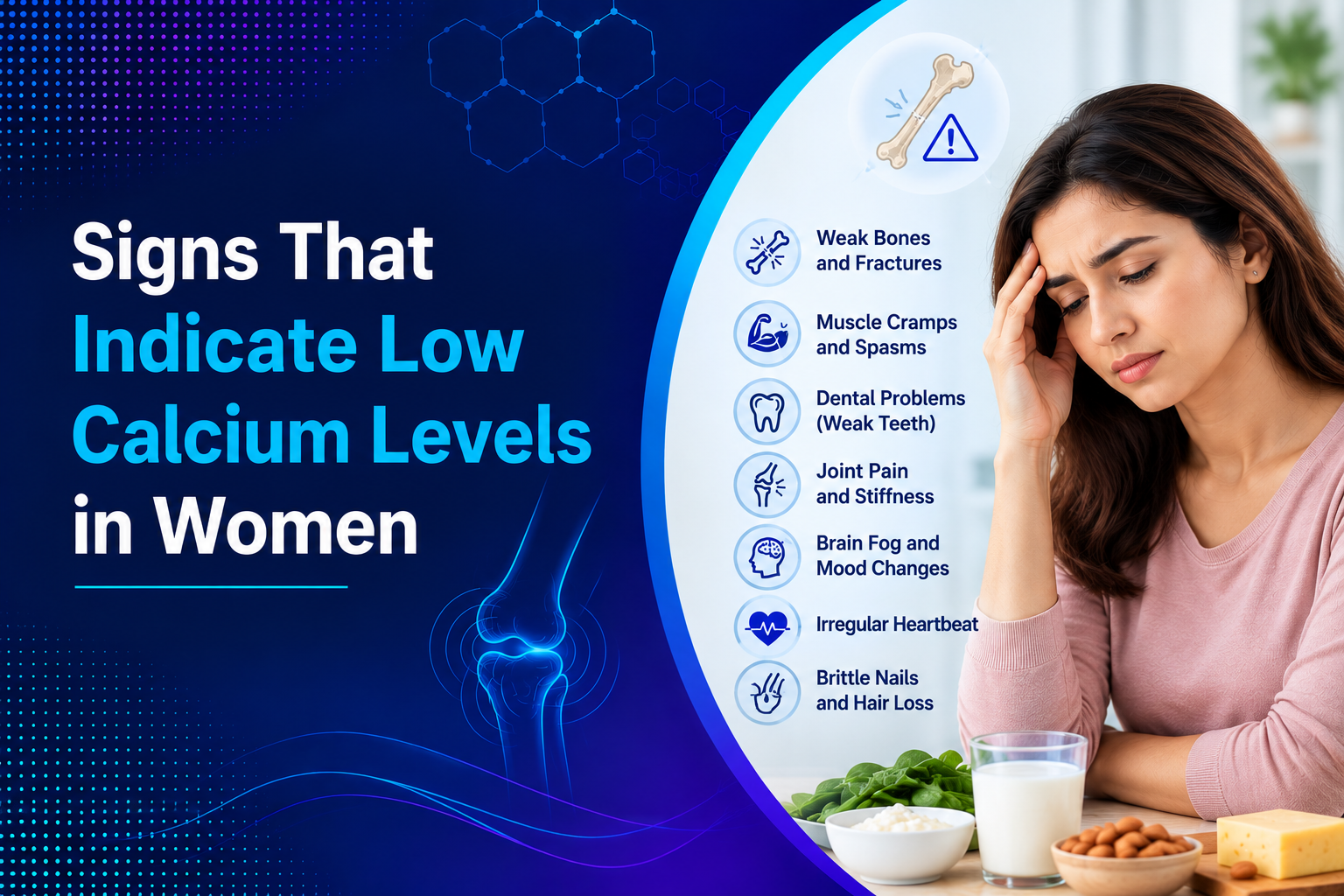
Vitamin D deficiency often develops slowly, so symptoms can be easy to miss at first. Here are the most common warning signs:
- Constant fatigue and low energy, even after adequate rest
- Bone pain, especially in the lower back and legs
- Muscle weakness or frequent muscle cramps
- Frequent colds, flu, or infections
- Low mood or feelings of sadness
- Slow healing of wounds and cuts
- Hair thinning or hair loss
- Bone loss or increased risk of fractures
If you notice several of these symptoms together, it is worth getting a Vitamin D blood test in Indore to check your levels rather than guessing the cause.
Who Is at Higher Risk of Vitamin D Deficiency?
Some people are more likely to develop low Vitamin D levels than others. According to the National Institutes of Health Office of Dietary Supplements, certain groups face a higher risk of deficiency due to limited sun exposure, skin type, age, or absorption issues.
You may be at higher risk if you:
- Spend most of your time indoors or have limited sun exposure
- Have darker skin, which reduces natural Vitamin D production
- Are above 60 years of age
- Are pregnant or breastfeeding
- Have obesity, since Vitamin D gets stored in fat tissue
- Have digestive disorders like celiac disease or Crohn’s disease that affect nutrient absorption
- Follow a strict vegetarian or vegan diet
When Should You Get a Vitamin D Test?
Knowing when to get a Vitamin D test can help you avoid long-term complications like weak bones or repeated infections. Doctors usually recommend testing in the following situations.
If you have ongoing symptoms. Persistent fatigue, bone pain, or muscle weakness that does not improve with rest should not be ignored.
If you belong to a high-risk group. Older adults, pregnant women, and people with limited sun exposure should consider routine screening.
If you have a related health condition. People with osteoporosis, thyroid disorders, kidney disease, or frequent fractures often need Vitamin D monitoring.
As part of a preventive health checkup. Many people include a 25 OH Vitamin D test in Indore as part of their annual health checkup in Indore to catch deficiencies before symptoms appear.
What Happens During a Vitamin D Blood Test?
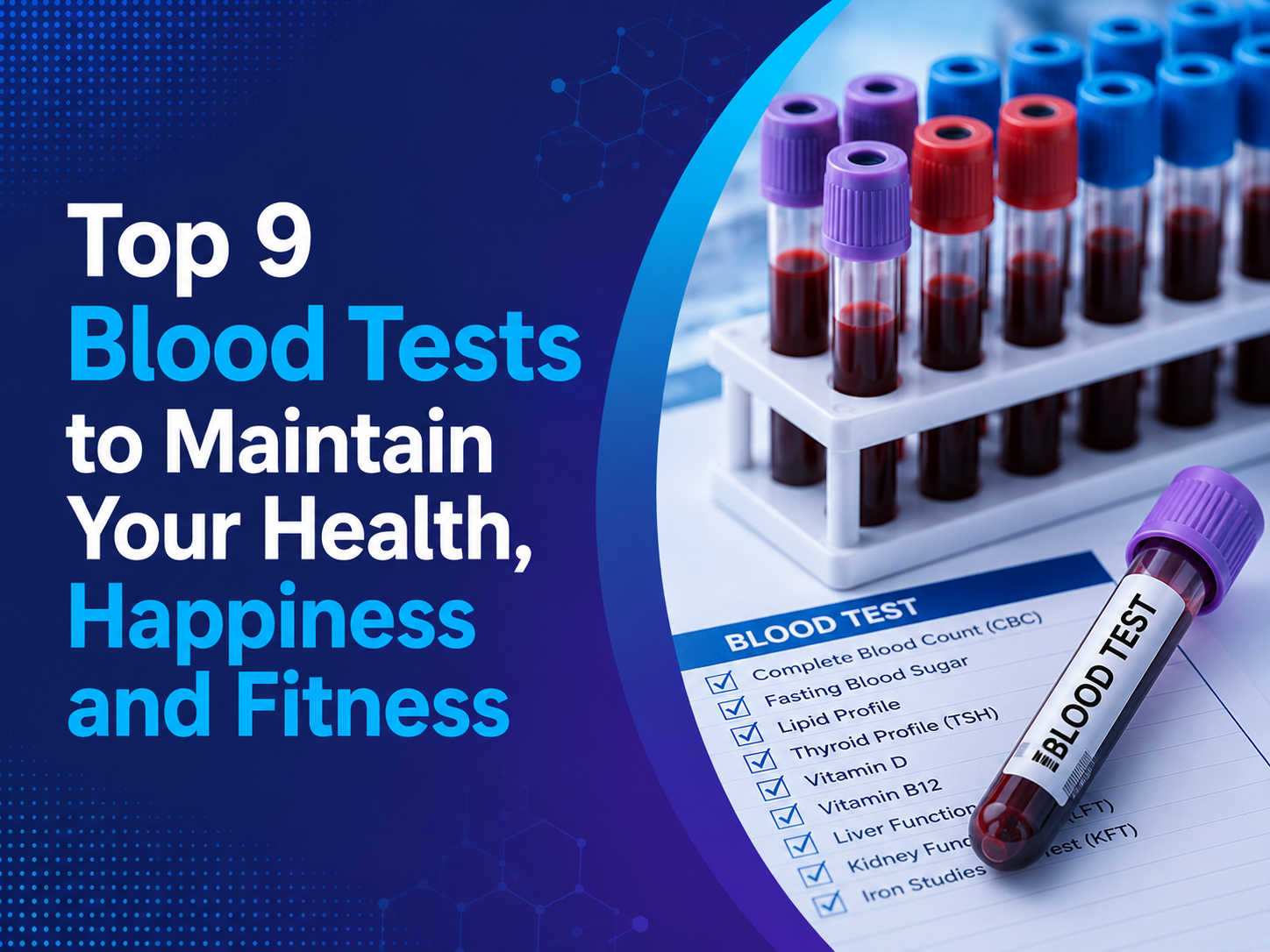
A Vitamin D blood test is a simple procedure that involves collecting a small blood sample, usually from a vein in your arm. The sample is then tested for 25-hydroxyvitamin D, which is the most accurate marker of your body’s Vitamin D status, as noted by the Mayo Clinic.
The test does not usually require fasting, and results are typically available within a day at a well-equipped pathology lab in Indore. Your doctor will use the report to decide whether you need supplements, dietary changes, or further evaluation.
Understanding Your Vitamin D Test Results
Vitamin D levels are usually reported in nanograms per millilitre (ng/mL). While reference ranges can vary slightly between labs, results generally fall into these categories:
- Deficient: Below 20 ng/mL
- Insufficient: Between 20 and 29 ng/mL
- Sufficient: Between 30 and 100 ng/mL
- Potentially toxic: Above 100 ng/mL
The World Health Organization and several health bodies note that Vitamin D deficiency is a widespread global health concern, particularly among people with limited outdoor activity. Always discuss your report with your doctor, since treatment depends on your overall health, age, and symptoms.
How to Improve Low Vitamin D Levels
If your Vitamin D deficiency test shows low levels, small lifestyle changes combined with medical guidance can help restore healthy levels.
- Spend 15 to 20 minutes in direct sunlight a few times a week
- Include Vitamin D rich foods like eggs, fortified milk, and fatty fish in your diet
- Take supplements only as prescribed by your doctor
- Get retested periodically to track improvement
- Manage underlying conditions that affect absorption
Do not start high-dose supplements without medical advice, since excess Vitamin D can also cause health problems.
Why Choose Ultrascan Diagnostics for Vitamin D Test in Indore
Choosing the right lab matters as much as getting tested. At Ultrascan Diagnostics, one of the trusted names for blood test in Indore, we offer:
- Accurate and reliable Vitamin D deficiency test in Indore results
- Experienced pathologists and modern testing equipment
- Quick report turnaround time
- Comfortable and hygienic sample collection
- Affordable pricing for health checkup in Indore packages
As a best pathology lab in Indore, our focus stays on precision, timely reporting, and patient comfort at every step.
FAQs About Symptoms of Vitamin D Deficiency
1. What are the common symptoms of Vitamin D deficiency?
Common symptoms of Vitamin D deficiency include fatigue, bone pain, muscle weakness, and frequent infections. Some people may also experience mood changes, slow wound healing, hair loss, or general body aches. A Vitamin D test can help determine if low vitamin D levels are contributing to these symptoms.
2. When should you get a Vitamin D test?
You should get a Vitamin D test if you have symptoms of deficiency or are at increased risk of low vitamin D levels. Your doctor may recommend testing if you have persistent fatigue, osteoporosis, limited sun exposure, certain medical conditions, or recurrent fractures.
3. What does a Vitamin D test measure?
A Vitamin D test measures the level of 25-hydroxy vitamin D in your blood. This is the primary form used to evaluate your body’s vitamin D status and helps healthcare providers determine whether your levels are adequate, insufficient, or deficient.
4. Who is at higher risk of Vitamin D deficiency?
Certain individuals are more likely to develop Vitamin D deficiency, including older adults, pregnant or breastfeeding women, people with darker skin, individuals with limited sun exposure, people with obesity, and those with digestive disorders affecting nutrient absorption.
5. Is fasting required before a Vitamin D test?
No, fasting is generally not required before a Vitamin D test. However, your healthcare provider may provide different instructions if the test is being performed along with other blood investigations that require fasting.
6. Can a Vitamin D test help diagnose bone health problems?
A Vitamin D test can help assess whether low vitamin D levels may be contributing to bone health concerns. It is often used alongside other clinical evaluations to investigate conditions such as osteoporosis, osteomalacia, or recurrent fractures.
7. How often should Vitamin D levels be checked?
The frequency of Vitamin D testing depends on your health condition and your doctor’s advice. Individuals receiving treatment for deficiency or those with ongoing risk factors may require periodic monitoring to evaluate their response to therapy.
8. Can Vitamin D deficiency occur without noticeable symptoms?
Yes, Vitamin D deficiency can develop without obvious symptoms. Some individuals may have low vitamin D levels for months before experiencing signs. Routine screening may be recommended for people with risk factors or during preventive health checkups.
9. Where can I get a Vitamin D test in Indore?
You can get a Vitamin D test in Indore at diagnostic centres offering comprehensive pathology and preventive health screening services. Choosing a laboratory with experienced professionals, quality testing standards, and timely reporting supports reliable evaluation of vitamin D levels. Ultrascan Diagnostics is one such trusted option for accurate results.
10. Why is early detection of Vitamin D deficiency important?
Early detection of Vitamin D deficiency helps prevent complications related to bone and muscle health. Identifying low vitamin D levels allows healthcare providers to recommend appropriate treatment and lifestyle changes before more serious health issues develop.
Book Your Vitamin D Test in Indore Today
Do not let unexplained fatigue or bone pain go unchecked. Visit Ultrascan Diagnostics, your reliable diagnostic centre in Indore, for an accurate and affordable Vitamin D test. Call us today or walk in to book your appointment and take the first step toward better bone, muscle, and immune health.