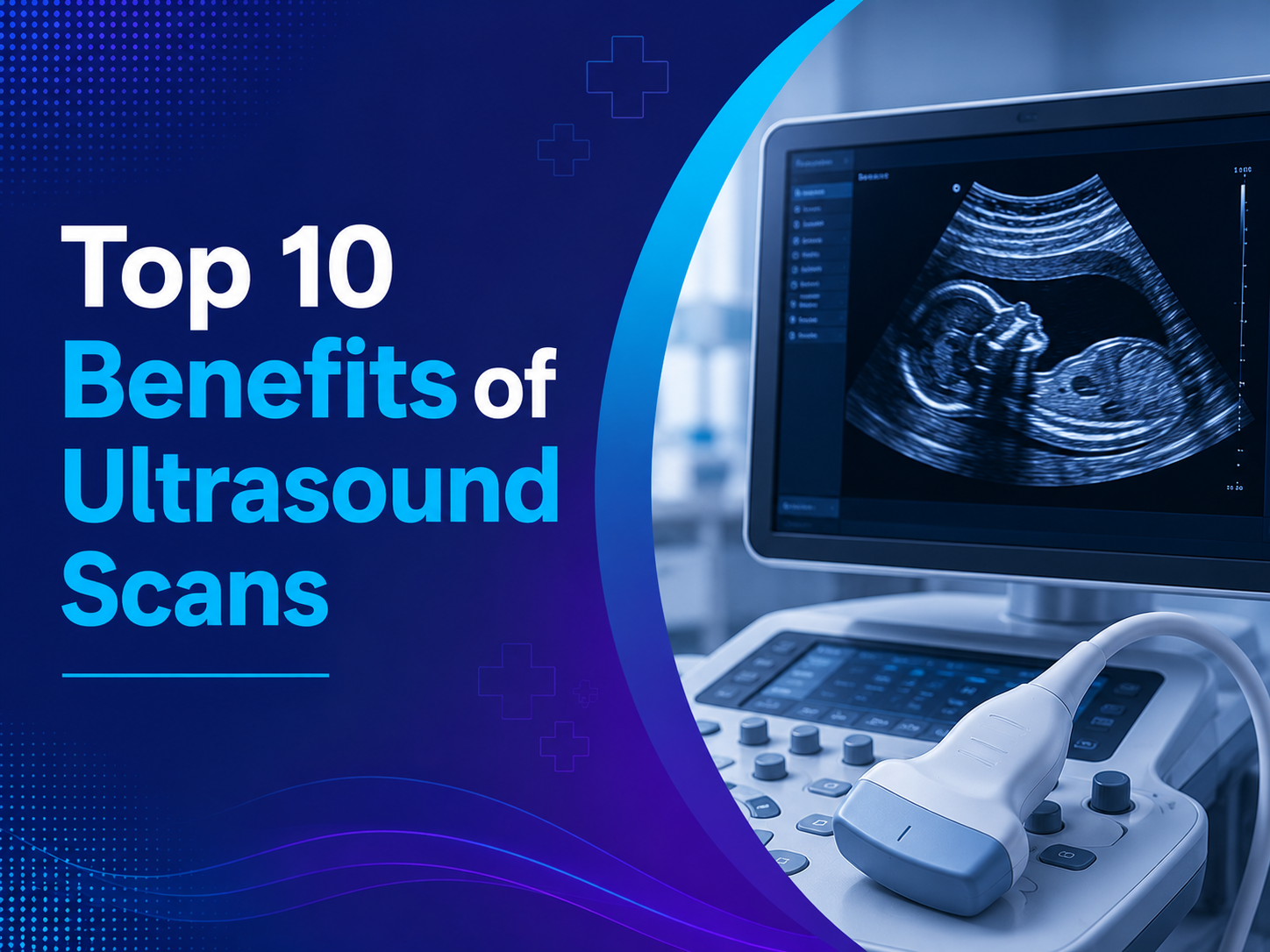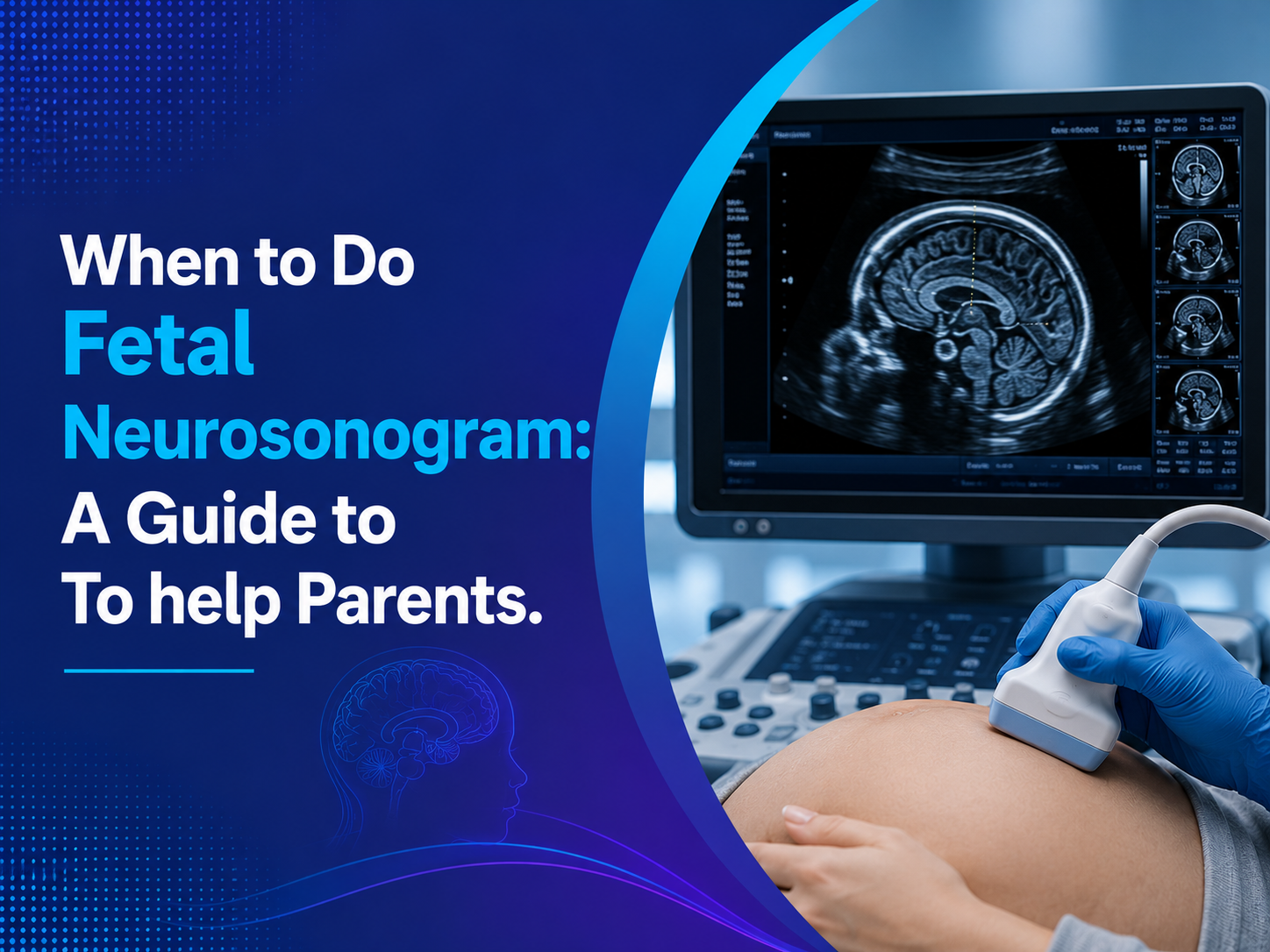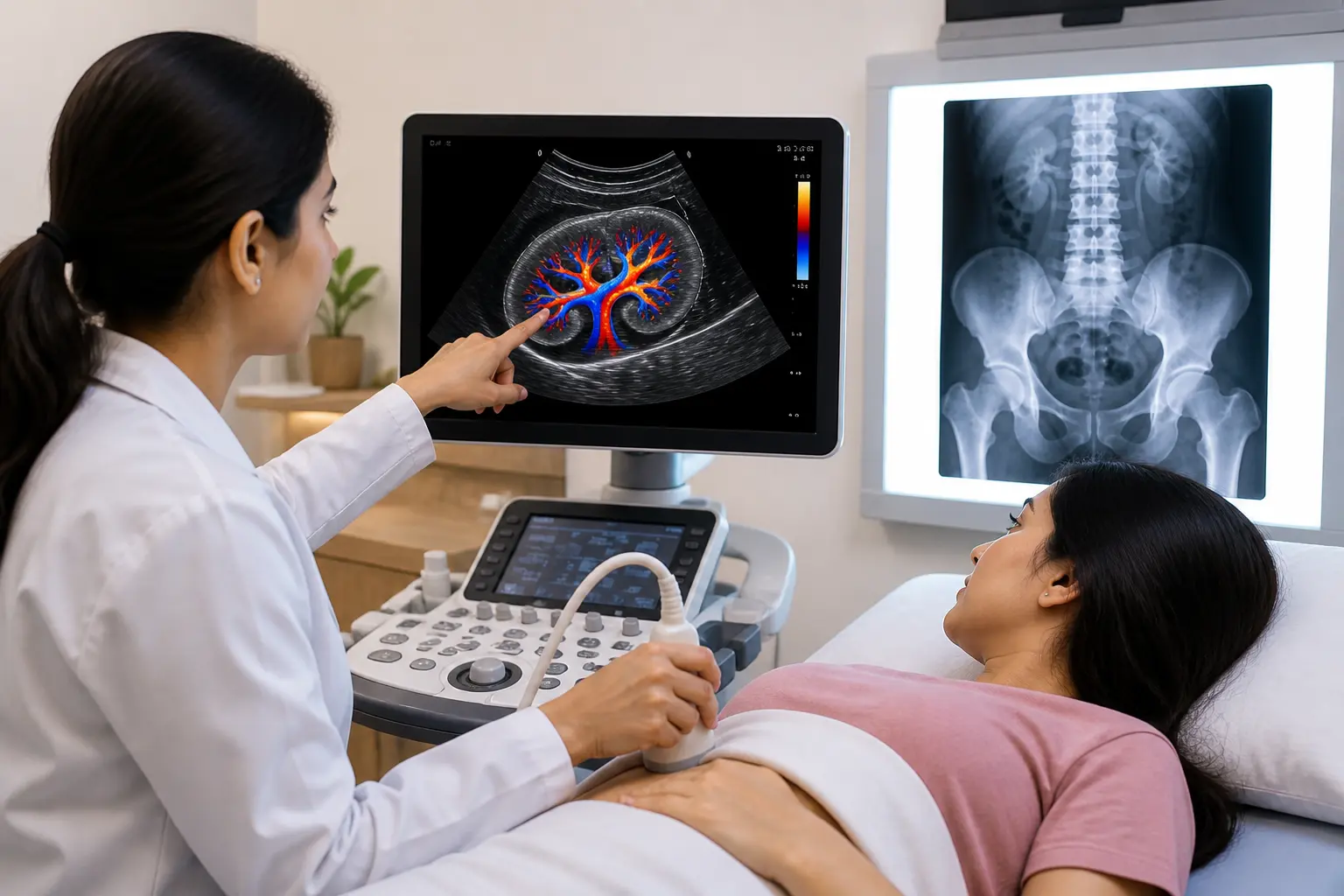
Halfway through pregnancy, one scan stands out for the sheer amount of detail it reveals about your baby’s development. Target Scan Sonography During Pregnancy, often called the anomaly scan or Level 2 ultrasound, offers a detailed anatomical evaluation that goes far beyond a routine check. This guide explains what this scan examines, why it matters so much for your baby’s health, and when it should be scheduled for the clearest, most accurate results.
What Is a Target Scan in Pregnancy?
A target scan, medically known as TIFFA (Targeted Imaging for Fetal Anomalies), is a detailed ultrasound examination performed to evaluate the structural development of your baby. Unlike a routine scan that confirms growth and heartbeat, this examination looks closely at individual organs and body parts to check that everything is developing as expected.
Target Scan Sonography During Pregnancy is also commonly referred to as the anomaly scan, the 20-week ultrasound, or a Level 2 ultrasound, since all these terms describe the same comprehensive anatomical evaluation. This scan has become a standard part of prenatal care precisely because of how much information it provides in a single, non-invasive session.
Why Is the Target Scan So Important for Baby’s Health?
This scan plays a genuinely significant role in prenatal care, since it offers one of the most detailed structural evaluations available before birth.
- Detects structural abnormalities, including conditions affecting the heart, brain, spine, and kidneys
- Assesses fetal growth, confirming the baby is developing appropriately for the gestational age
- Evaluates the placenta and umbilical cord, checking for positioning and blood flow concerns
- Measures amniotic fluid levels, since too much or too little fluid can signal underlying issues
- Supports delivery planning, giving doctors advance notice of any conditions that may affect birth
- Provides reassurance, confirming healthy development in the vast majority of pregnancies
Because so many structural concerns can be identified at this stage, the target scan gives doctors and parents valuable time to plan next steps if any concerns are found.
What Does the Target Scan Actually Examine?

During this detailed evaluation, the sonographer systematically examines nearly every major structure in your baby’s developing body.
- Brain and spine, checking for conditions like spina bifida or structural brain abnormalities
- Heart, evaluating chambers, valves, and blood flow for signs of congenital heart defects
- Face and profile, assessing features such as the lips and palate
- Abdominal organs, including the stomach, kidneys, and bladder
- Limbs, confirming the presence and proportional length of arms, legs, hands, and feet
- Umbilical cord and placenta, checking attachment, position, and blood flow
This thorough, structure-by-structure approach is exactly what distinguishes a target scan from a routine growth check earlier in pregnancy.
Best Timing for Target Scan Sonography During Pregnancy
Timing plays a critical role in the accuracy and completeness of this examination.
| Timing Window | Why It Matters |
| Before 18 weeks | Fetal organs may still be too small for detailed evaluation |
| 18 to 22 weeks | Ideal window, with organs sufficiently developed for clear imaging |
| Around 20 weeks | Most commonly recommended, balancing detail with enough remaining time for further testing if needed |
| After 22 weeks | May limit options if a significant concern requires further evaluation or decision-making |
Scheduling the scan within this recommended window ensures the clearest possible images while still leaving time to plan any necessary follow-up care.
What Happens During the Target Scan Procedure?
Understanding the process can help you feel more prepared for this important appointment.
- The scan typically takes between 30 and 45 minutes, longer than a routine ultrasound due to its detailed nature
- You will need to have a full bladder for the initial part of the scan, which helps improve image clarity
- A sonographer will systematically examine and measure each major structure, pausing to capture clear images
- Your baby’s position may require you to shift slightly or wait a few minutes if a structure is difficult to visualize
- A radiologist reviews all findings and prepares a detailed report for your doctor
Most target scans are painless and require no special preparation beyond the recommended bladder fullness for the early part of the appointment.
Understanding Your Target Scan Results
Receiving your report can feel overwhelming if you are not familiar with the terminology used.
Normal Findings
In the vast majority of cases, target scan results confirm that the baby’s anatomy and growth are within expected ranges. A normal report allows your pregnancy to continue with routine follow-up care as usual.
Soft Markers and Minor Variations
Sometimes a scan may note a minor variation, often called a soft marker, which is not necessarily a sign of a problem but may prompt closer monitoring. Your doctor will explain what any specific finding means in the context of your overall pregnancy.
When Further Testing Is Recommended
If a more significant concern is identified, your doctor may recommend additional testing, such as a fetal echocardiogram or consultation with a specialist. It is worth remembering that many conditions flagged for further review turn out to be minor or resolve on their own as the pregnancy progresses.
Is the Target Scan Safe for Mother and Baby?
Like all standard ultrasound examinations, the target scan uses sound waves rather than radiation, making it a safe, non-invasive procedure for both mother and baby. This scan has been a routine part of prenatal care for decades and carries no known risks when performed by trained professionals for appropriate medical purposes.
Finding the Right Centre for Your Target Scan
Since accuracy depends heavily on both equipment quality and sonographer experience, choosing a well-equipped facility genuinely matters for this detailed evaluation.
A Dedicated Space for Prenatal Imaging
Expecting mothers searching for a reliable Pregnancy Sonography Centre in Indore should look for a facility with experienced sonologists who specialize in detailed anatomical scanning.
Complete Prenatal Testing Services
Patients researching sonography in Indore more broadly benefit from choosing a centre that offers the full range of pregnancy scans under one roof, simplifying appointments throughout the pregnancy journey.
Comprehensive Testing for Every Stage of Womanhood
Beyond pregnancy scans, many patients also rely on a Sonography test for female health concerns unrelated to pregnancy, making it convenient to choose one trusted facility for ongoing care.
Advanced Imaging for Detailed Assessment
For pregnancies requiring an especially detailed structural review, access to 3D/4D Targeted Imaging in Indore can provide added clarity alongside the standard target scan findings.
Why Choose Ultrascan Diagnostic Centre
Ultrascan Diagnostic Centre is recognized as one of the best diagnostic centre in Indore for detailed prenatal imaging, combining modern equipment with experienced radiologists who understand the importance of getting this scan right.
Reliable Support Throughout Your Pregnancy Journey
As a trusted Diagnostic Centre in Indore, Ultrascan ensures every target scan is reviewed carefully, giving you and your doctor clear, dependable information at this important stage of pregnancy.
Frequently Asked Questions
1. Is the target scan the same as the anomaly scan?
Yes, target scan, anomaly scan, Level 2 ultrasound, and 20-week ultrasound all refer to the same detailed structural evaluation performed between 18 and 22 weeks of pregnancy. The terminology simply varies depending on the doctor or region.
2. Do I need a full bladder for the target scan?
Yes, a full bladder is typically required for the early part of the scan, as it helps improve image clarity for certain structures. Your sonographer will guide you through this and let you know if you can empty your bladder partway through the appointment.
3. Can the target scan detect Down syndrome?
The target scan can identify certain soft markers associated with an increased risk of chromosomal conditions, though it is not a definitive diagnostic test on its own. Earlier screening tests, such as the double marker test, are typically used alongside the target scan for a more complete risk assessment.
4. What happens if the target scan finds a soft marker?
A soft marker is a minor variation that does not always indicate a problem, but your doctor may recommend closer monitoring or additional testing depending on the specific finding. Many soft markers turn out to be insignificant as the pregnancy progresses.
5. Why can’t the target scan be done earlier in pregnancy?
Before 18 weeks, the baby’s organs and structures are often still too small to be clearly visualized in detail. Waiting until the recommended window ensures the scan can capture accurate, meaningful information about your baby’s development.
Conclusion
Target Scan Sonography During Pregnancy offers one of the most detailed looks at your baby’s development before birth, giving both parents and doctors valuable information at a critical stage. While most results confirm healthy development, this scan’s real value lies in catching potential concerns early enough to plan appropriate care.
Book your target scan today at Ultrascan Diagnostic Centre and get clear, detailed insight into your baby’s development from experienced prenatal imaging specialists. Walk in or call ahead to schedule your appointment at the right time in your pregnancy.