Irregular periods, stubborn acne, unexpected weight gain, and worry about fertility often leave women with more questions than answers. PCOD and Hormonal Imbalance are closely linked, and understanding that link is the first step toward feeling in control of your health. This guide explains what happens in the body, how doctors diagnose it, and what you can do next.
What Is PCOD and How Does It Link to Hormonal Imbalance?
PCOD, or polycystic ovarian disease, is a common hormonal condition in women of reproductive age. Doctors and global guidelines usually call it PCOS, or polycystic ovary syndrome, and many people use the two names for the same condition. It affects ovulation, raises levels of male-type hormones called androgens, and can change how the body uses insulin.
- Ovulation: periods become irregular or may stop
- Androgens: higher levels can cause acne and excess hair growth
- Insulin: the body may respond poorly to it, affecting weight and blood sugar
How PCOD and Hormonal Imbalance Affect the Body
Hormones work like a team, so when one changes, others often follow. In PCOD, higher androgens and irregular ovulation disturb the monthly cycle. Insulin resistance can make weight management harder and may raise the risk of type 2 diabetes over time.
The exact cause is not fully understood. Family history, insulin resistance, and lifestyle factors all appear to play a part.
Why PCOD and Hormonal Imbalance Should Not Be Ignored
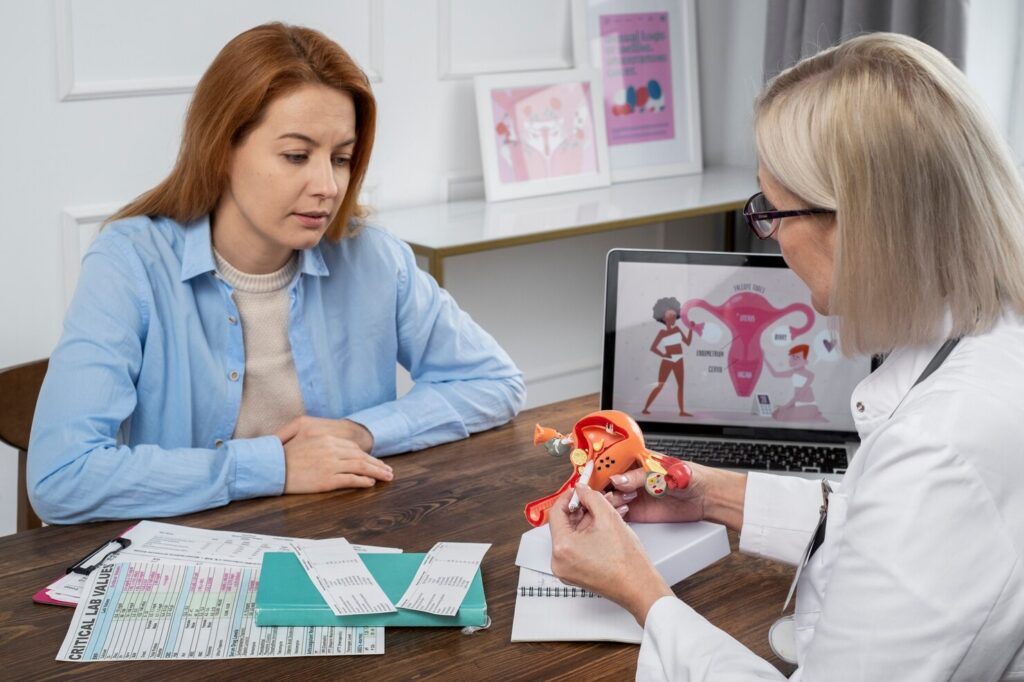
PCOD is more than a cycle problem. Research links it with fertility challenges and metabolic issues such as insulin resistance. Left unmanaged, these can affect long-term health.
The encouraging news is that early diagnosis and steady care can reduce many of these risks. That is why testing matters even when symptoms feel mild.
Common Symptoms of PCOD and Hormonal Imbalance
Symptoms vary from woman to woman, and some women have only a few.
- Irregular, late, or missed periods
- Acne or oily skin
- Excess hair on the face or body
- Thinning hair on the scalp
- Weight gain, especially around the waist
- Difficulty getting pregnant
- Mood changes and fatigue
If several of these sound familiar, speak with a doctor instead of waiting for them to settle on their own.
How PCOD Is Diagnosed
The World Health Organization explains that PCOS is diagnosed when at least two of three features are present and other causes have been excluded.
| Feature | What Doctors Look For | How It Is Checked |
| Irregular ovulation | Irregular or absent periods | Cycle history, hormone tests |
| High androgens | Acne, hair growth, or raised testosterone | Examination and blood tests |
| Polycystic ovaries | Many small follicles on the ovaries | Ultrasound, or AMH in some adults |
Ovarian cysts are not required for a diagnosis, so some women with PCOS do not have polycystic ovaries on a scan.
Hormone Tests Used to Evaluate PCOD
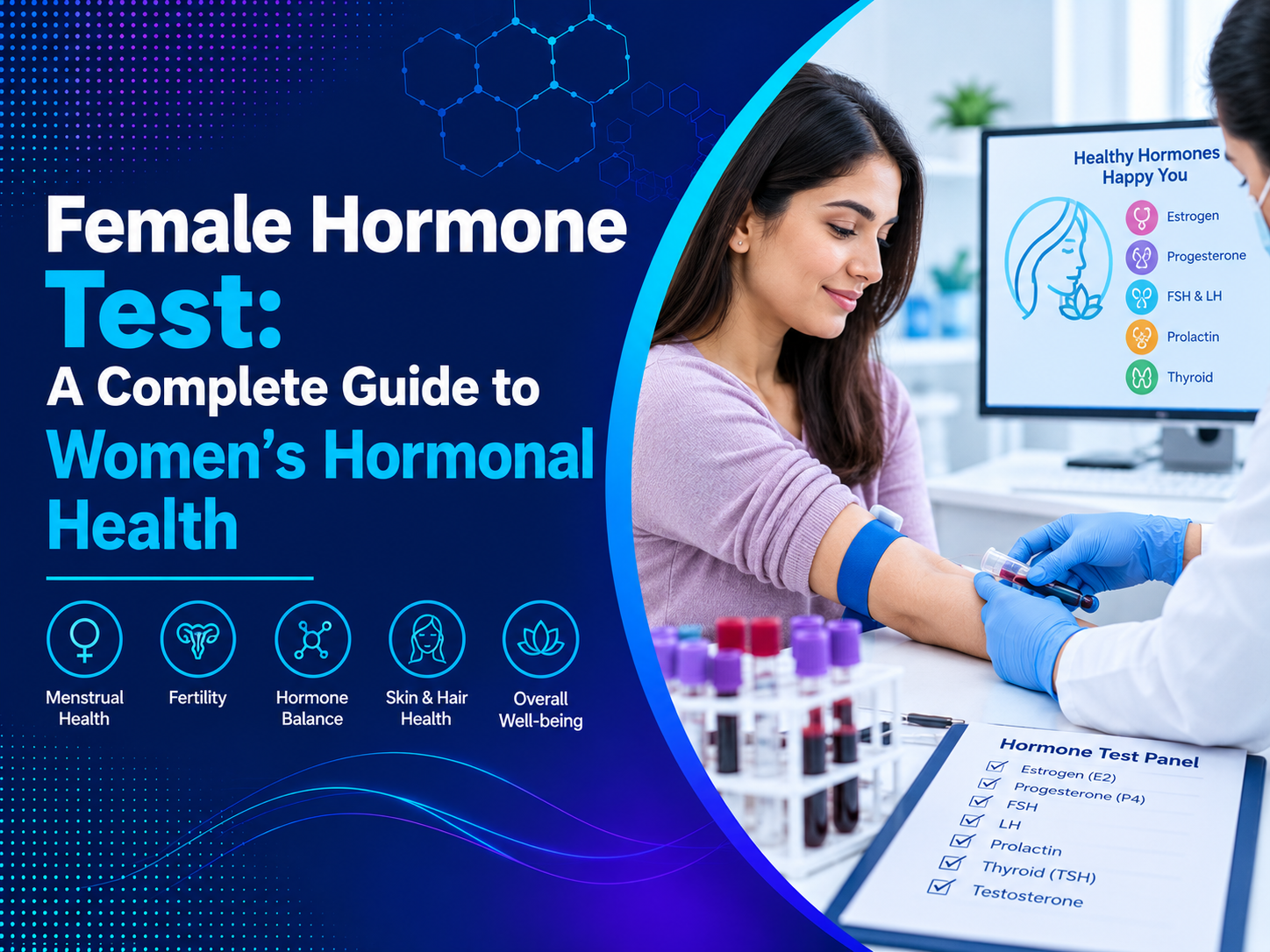
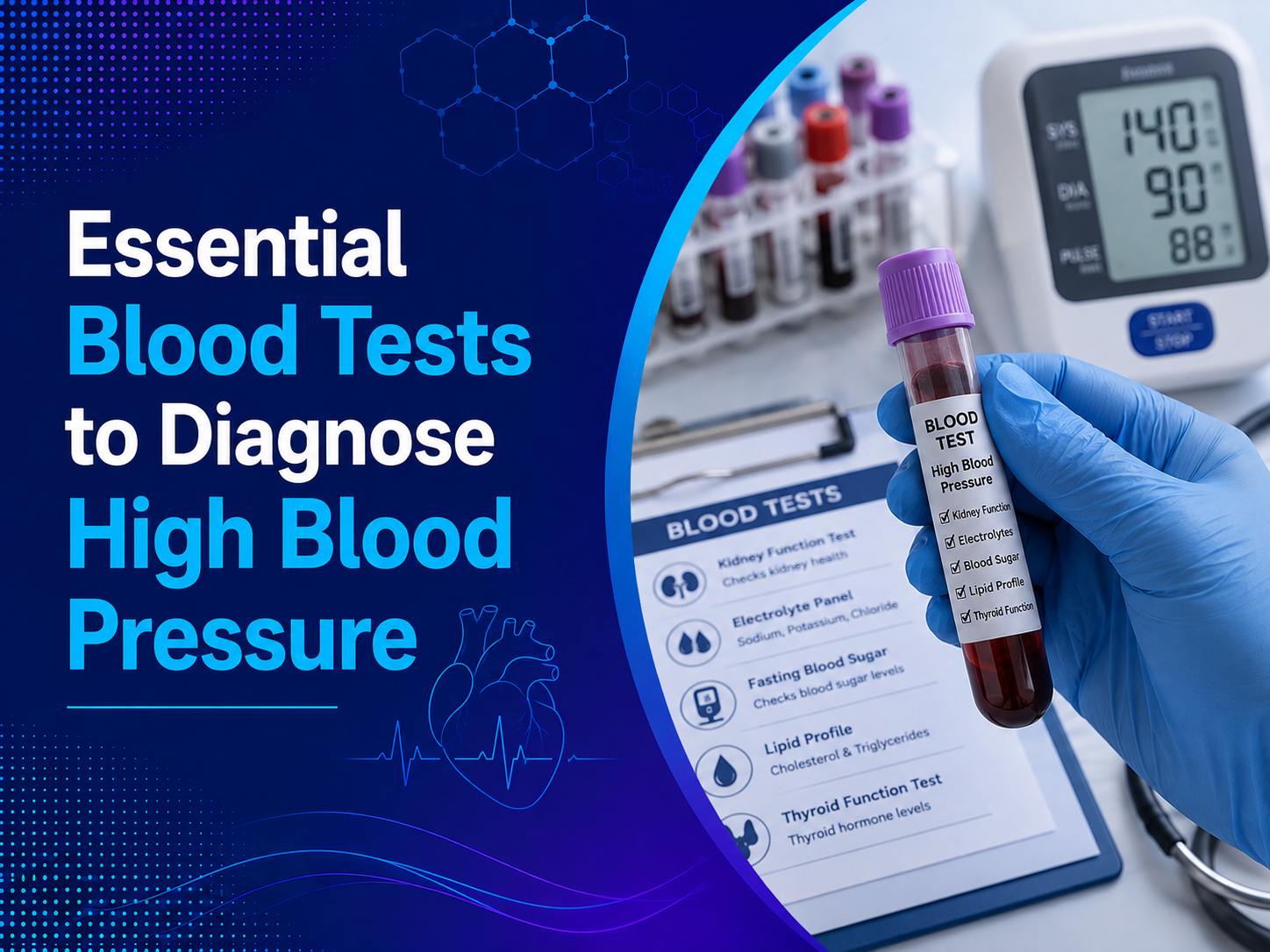
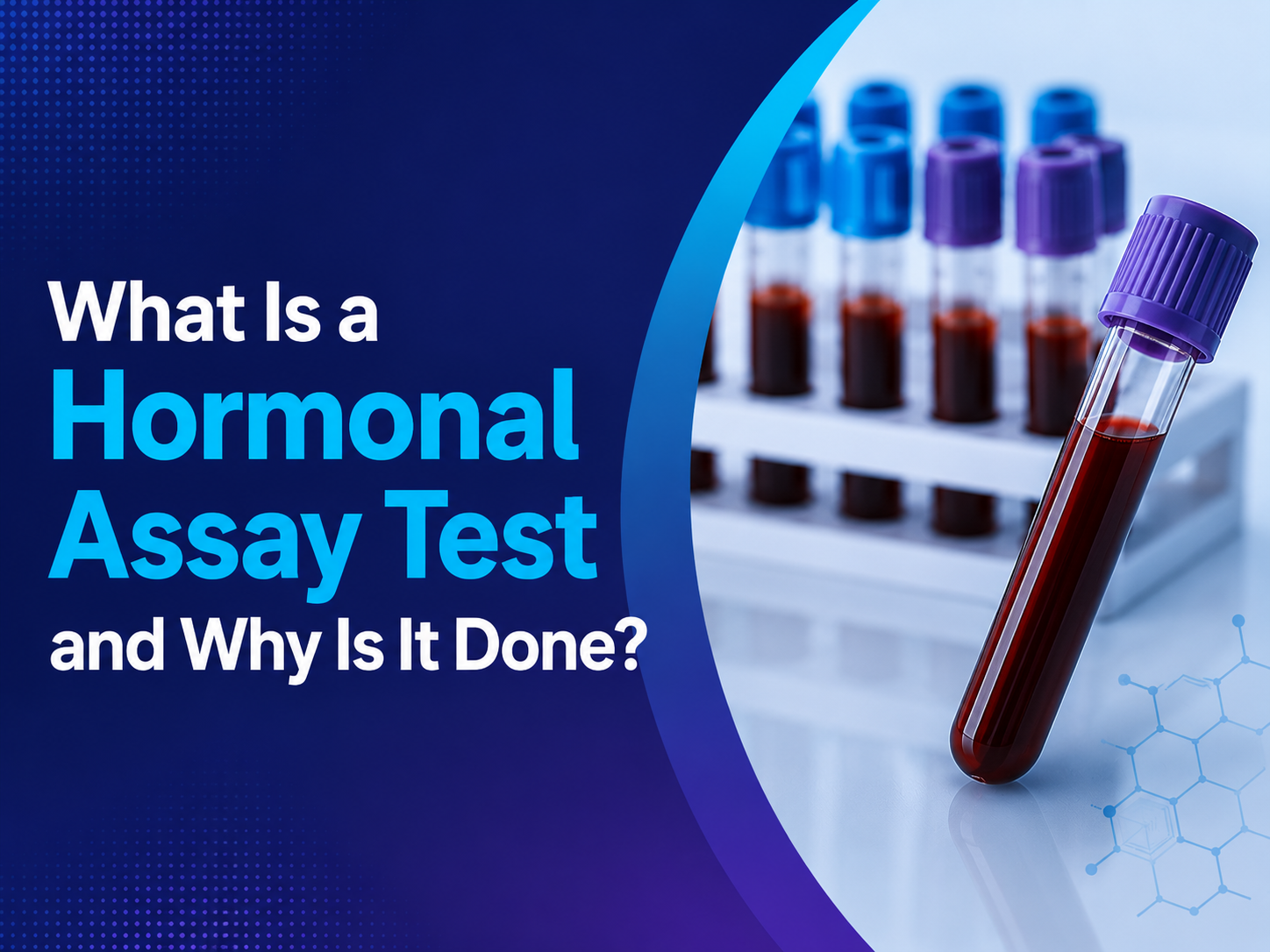
Blood tests help confirm the diagnosis and rule out look-alike conditions. A Hormonal test in Indore for PCOD usually includes some of the following:
- LH and FSH, which show how the ovaries are being signaled
- Testosterone, to check androgen levels
- AMH, which reflects the number of small follicles
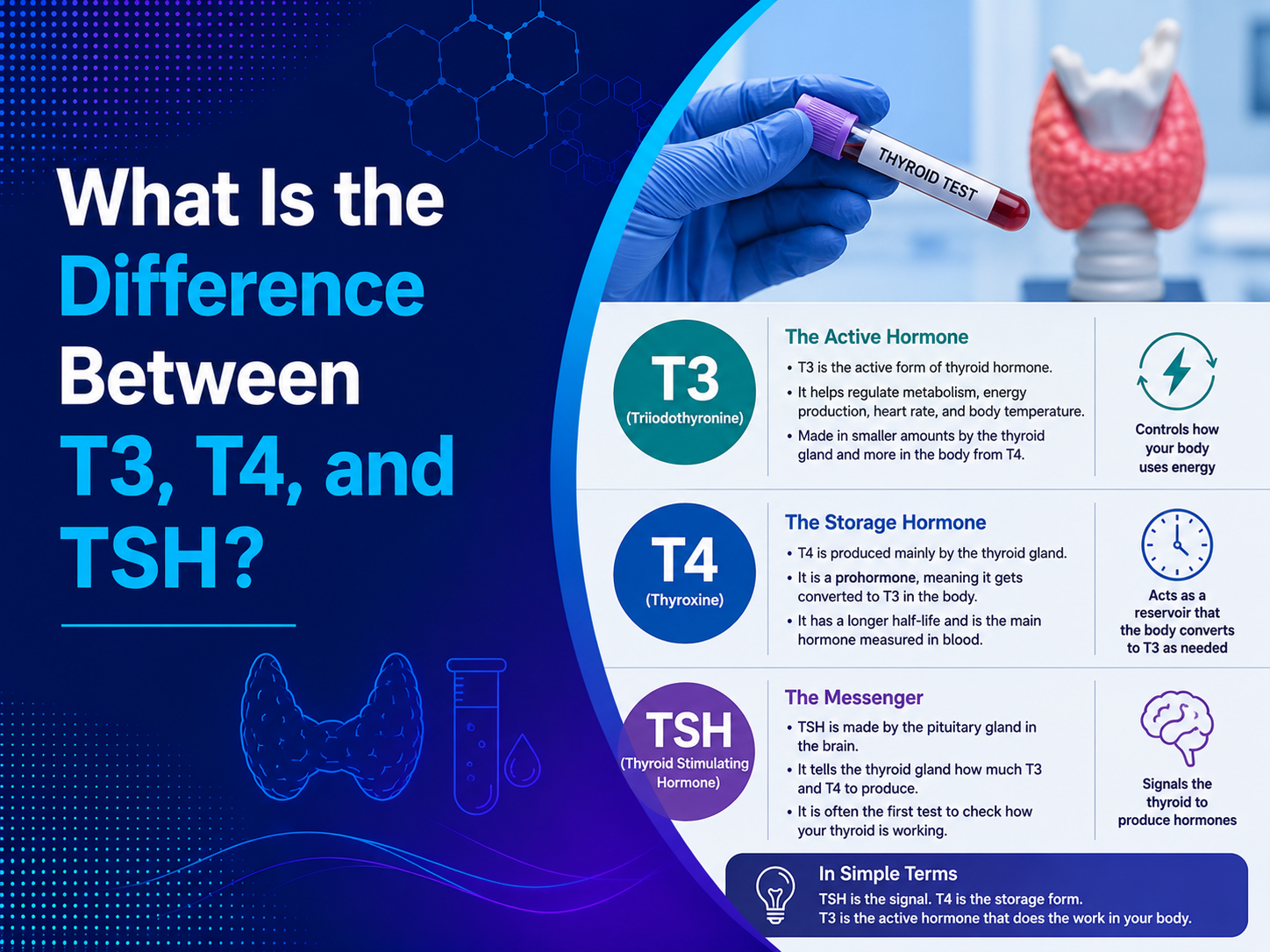
- Prolactin and TSH, to rule out other causes of irregular periods
Your doctor chooses the tests based on your symptoms, so you may not need every one.
Why Lab Accuracy and Timing Matter for Hormone Assays
Hormones are measured in very small amounts, so precise equipment and careful handling are essential. A reliable Hormone Assay Test in Indore should also guide you on timing, because some hormones change across the menstrual cycle. If your periods are irregular, your doctor will advise the best day to test.
The Role of Pelvic Ultrasound
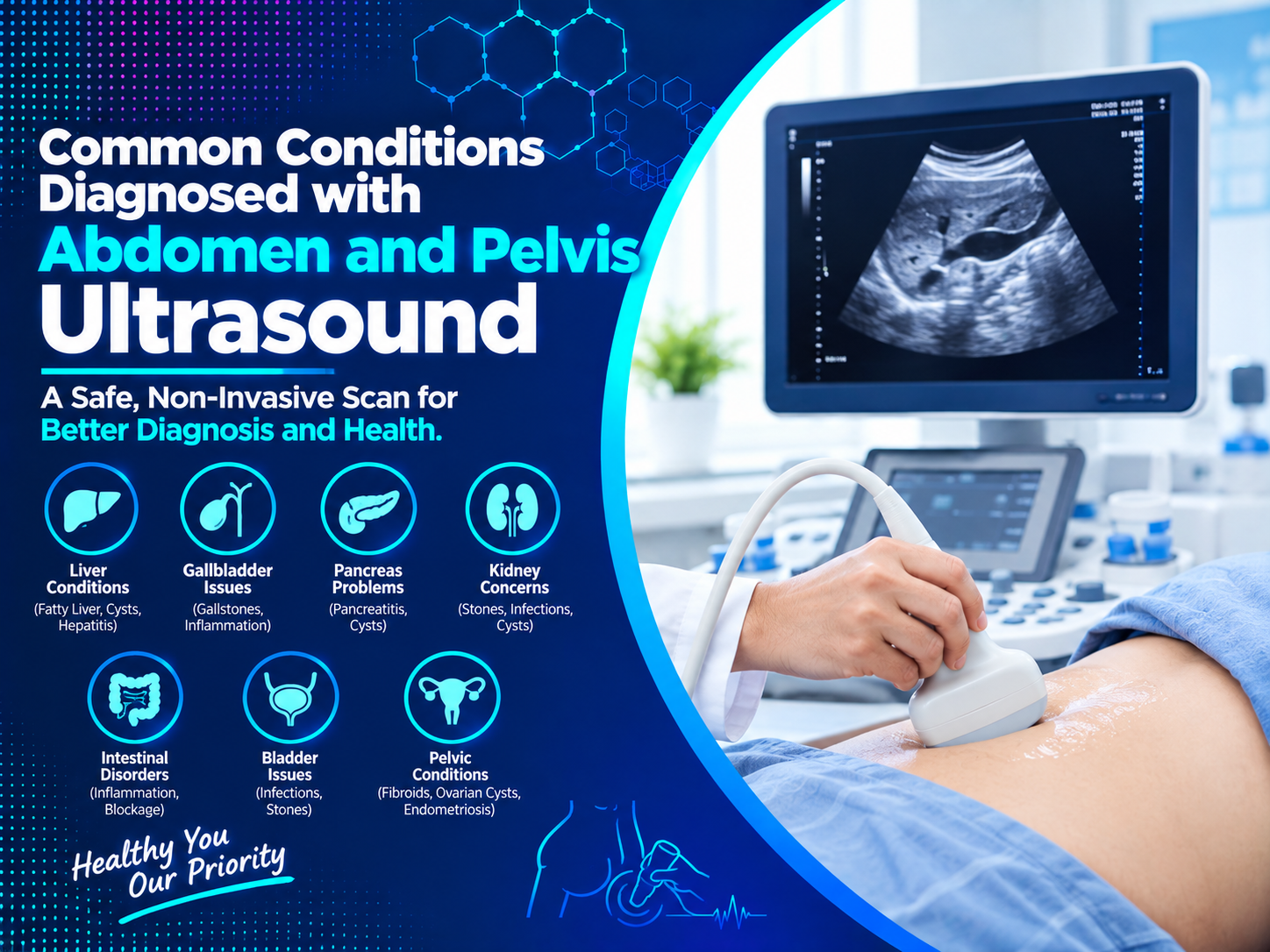
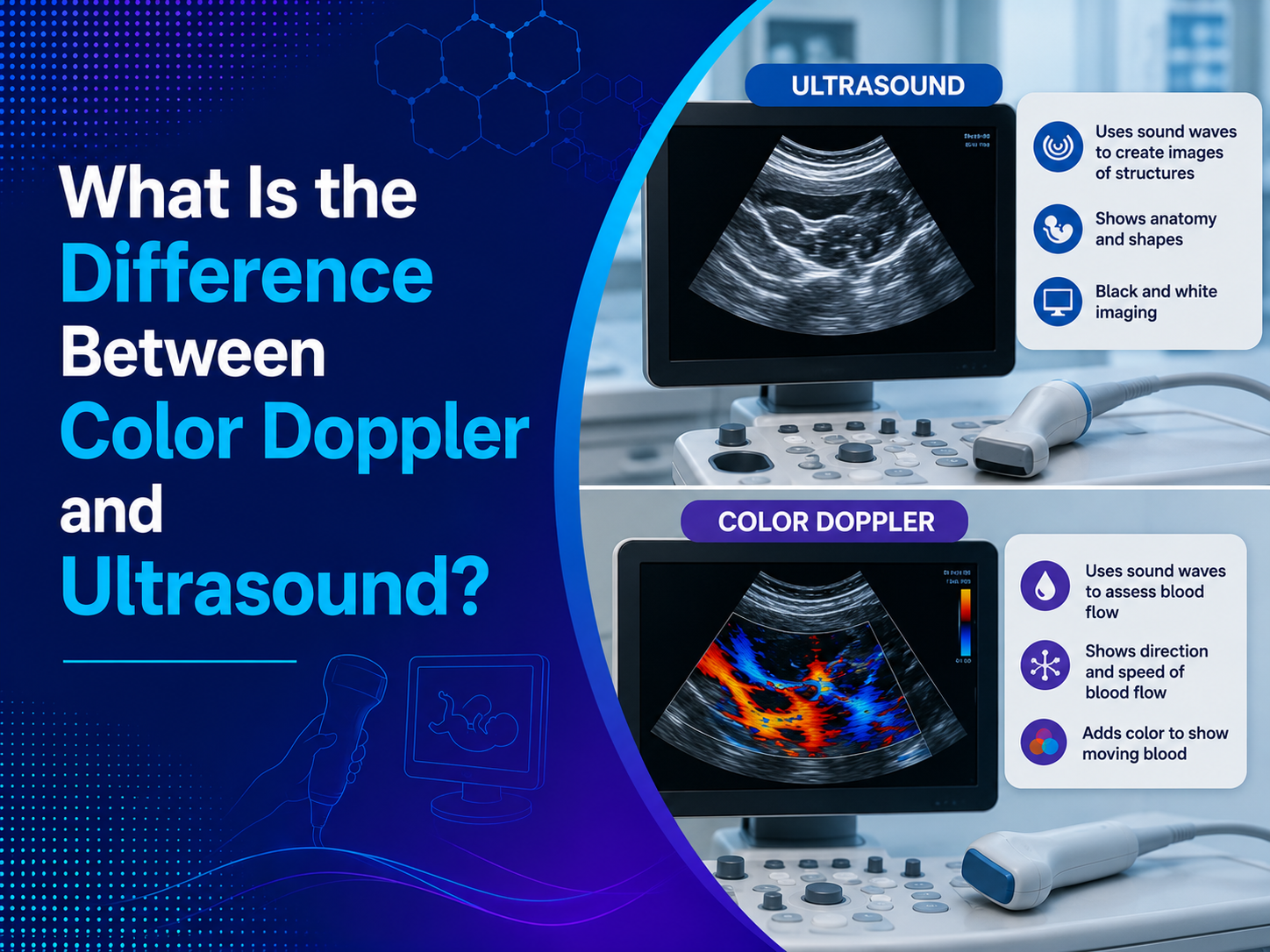
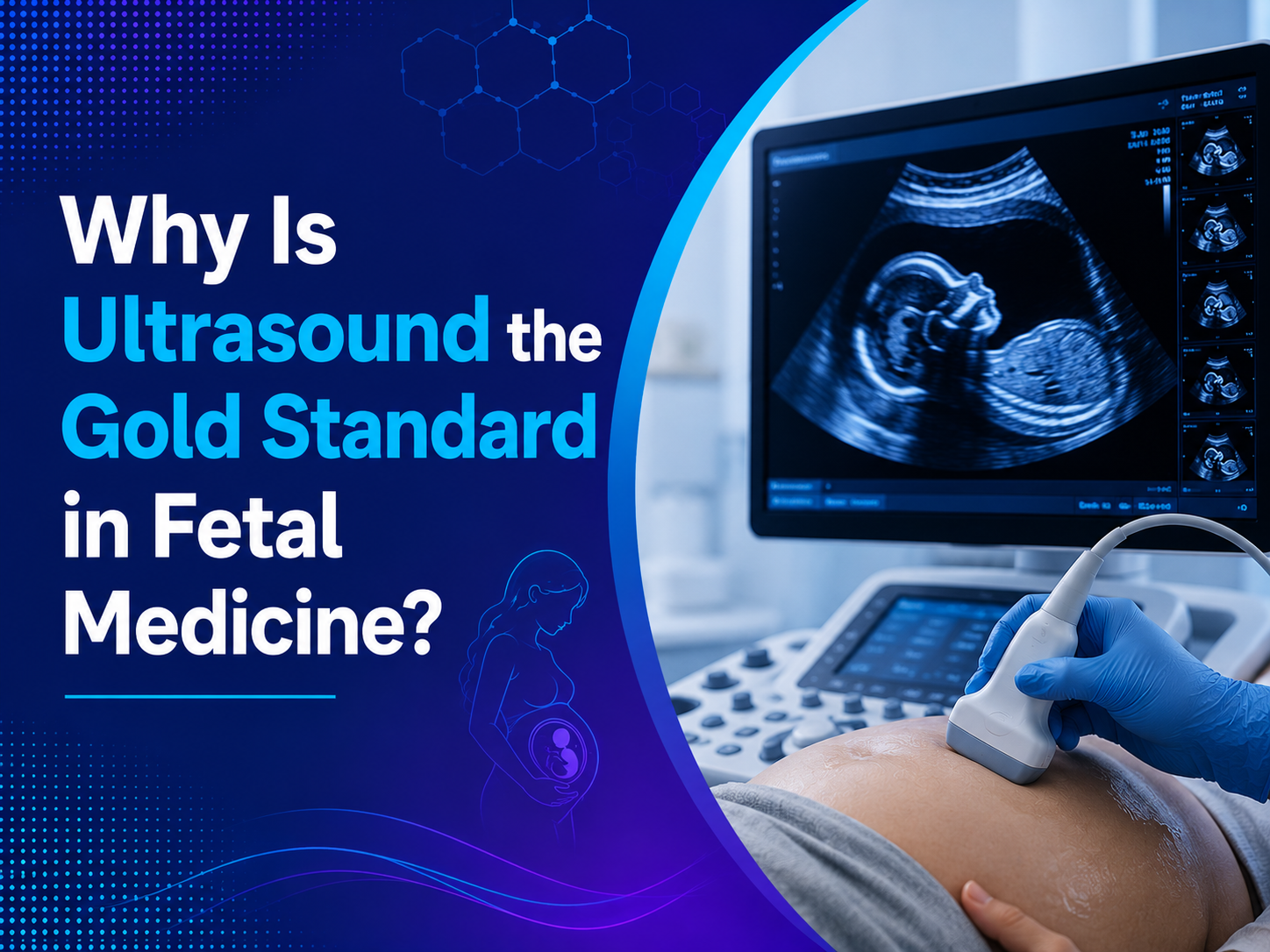
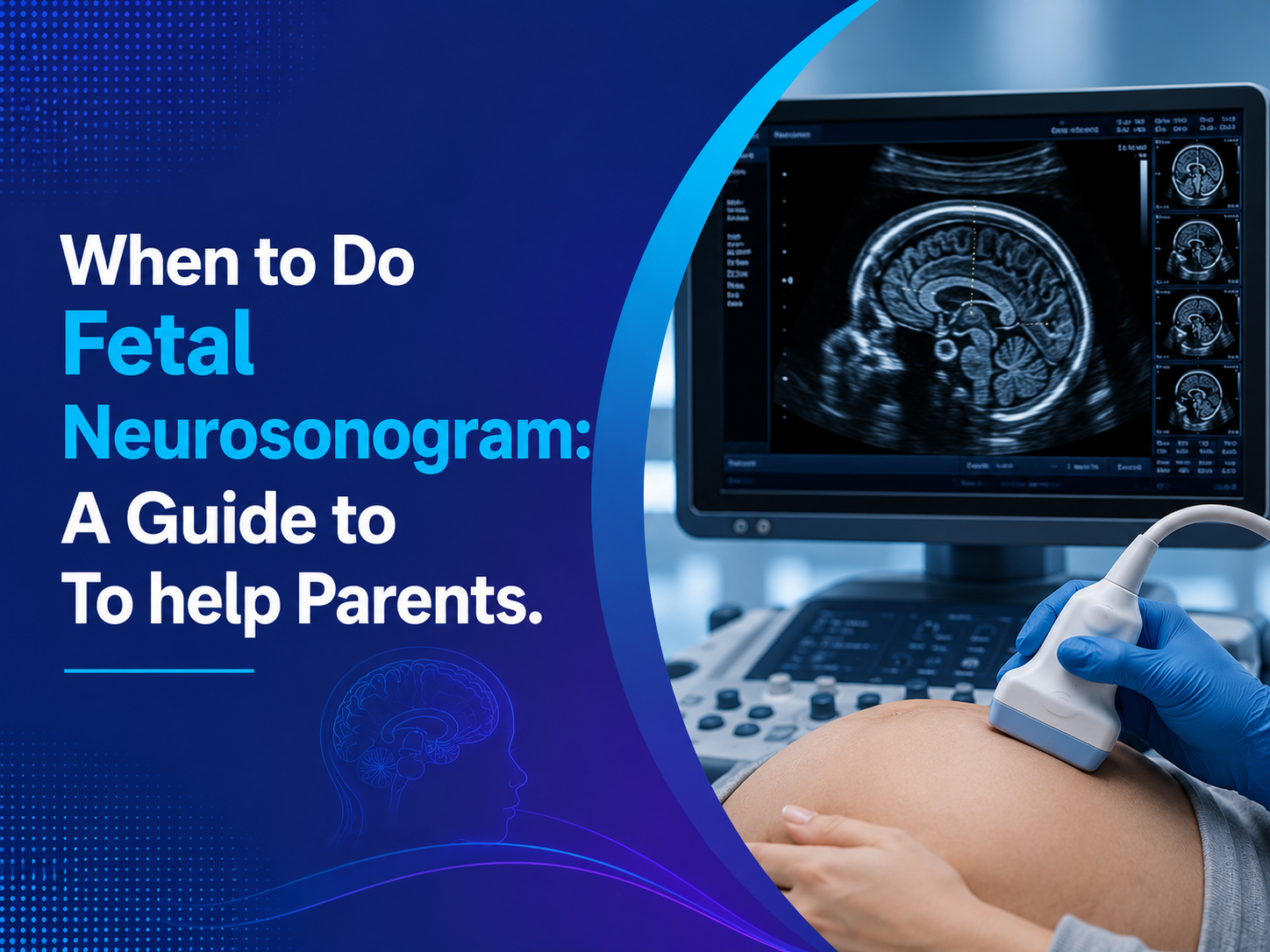
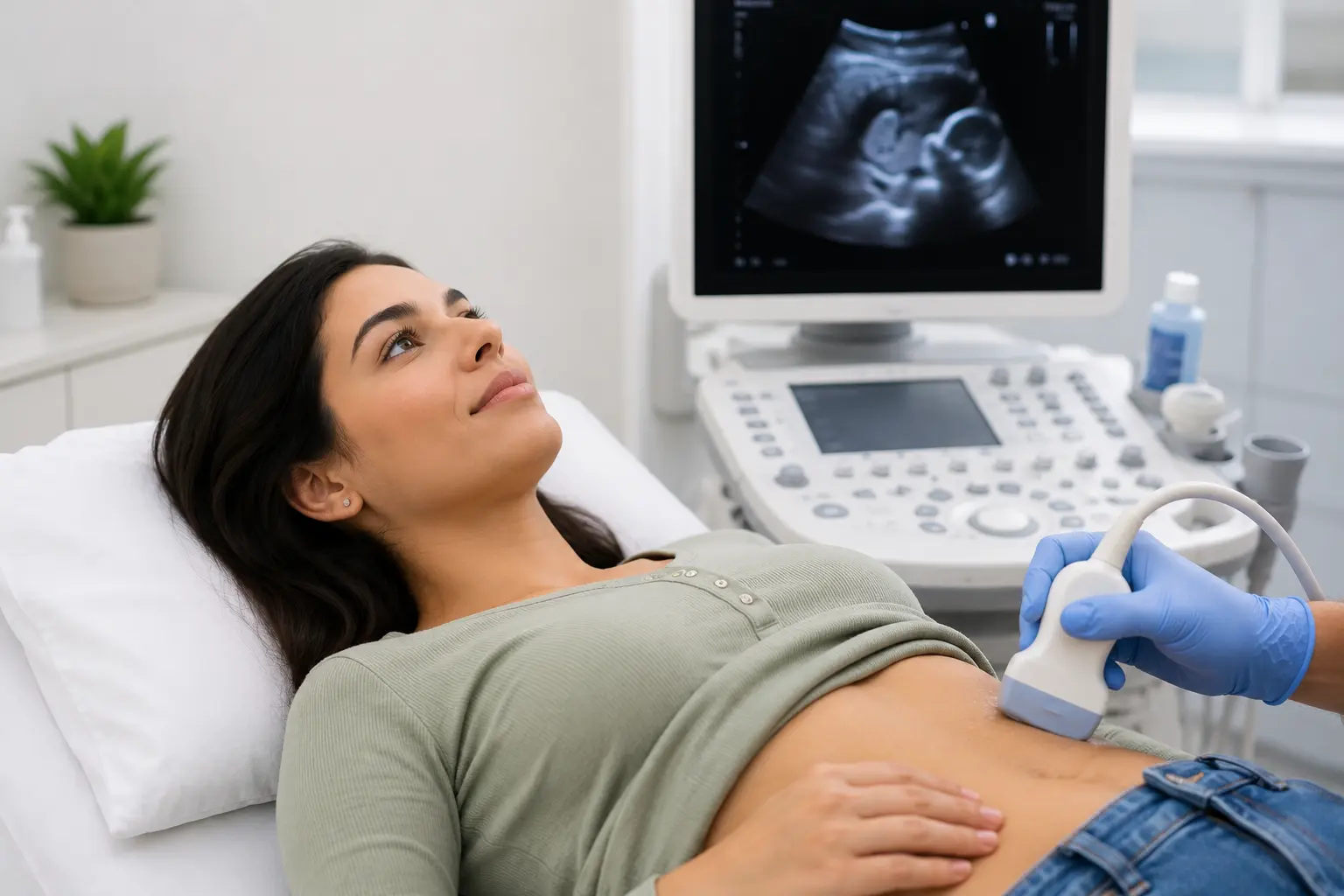
A pelvic ultrasound lets doctors see the ovaries and uterus without radiation. It can show the number of follicles, the size of the ovaries, and the thickness of the uterine lining. Having this scan at a trusted Diagnostic Centre in Indore keeps your scan and blood reports together for your doctor.
For teenagers, ultrasound is not recommended as a diagnostic criterion, because polycystic-looking ovaries can be normal at that age.
Metabolic Checks That Often Go With PCOD
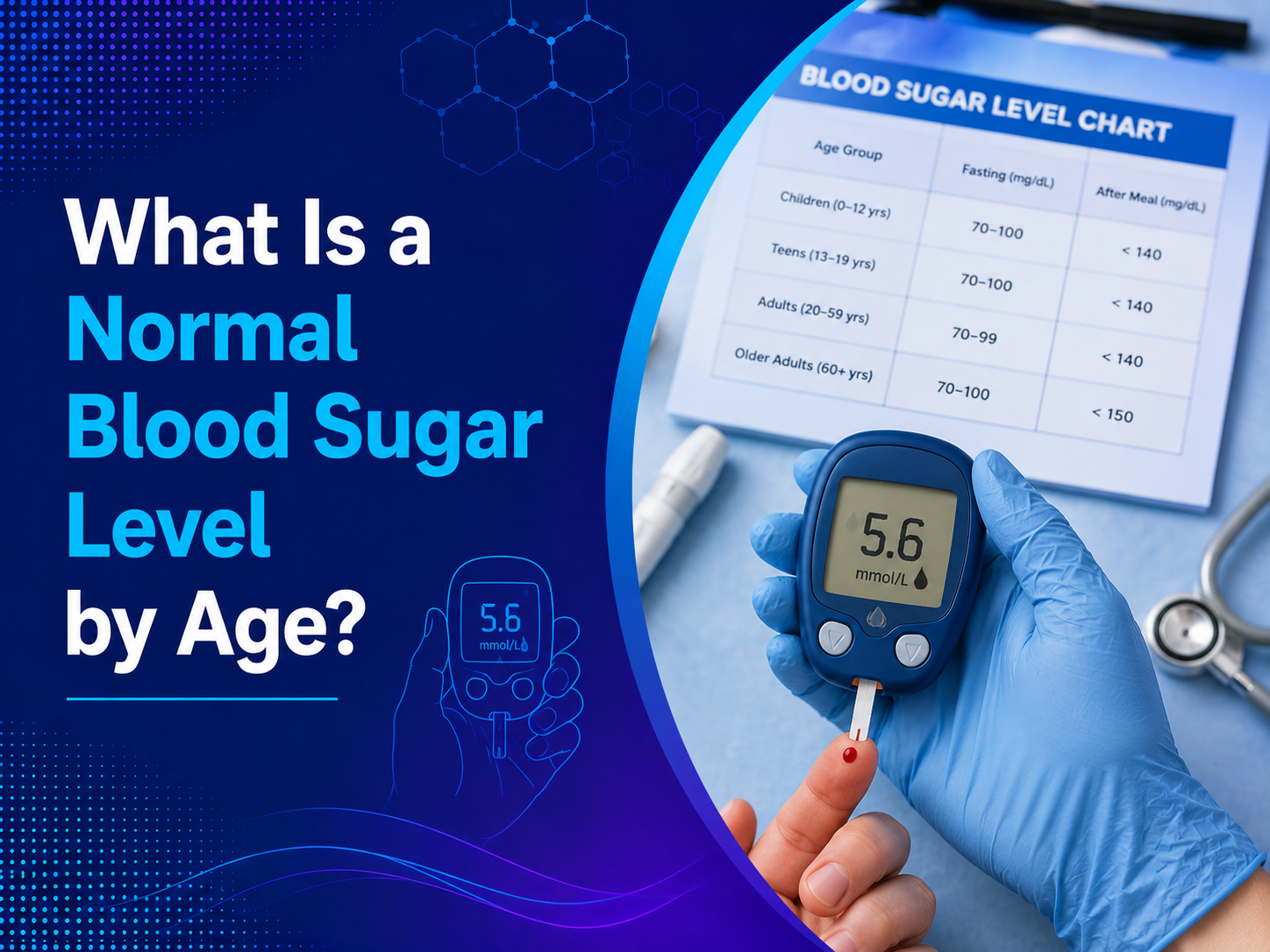
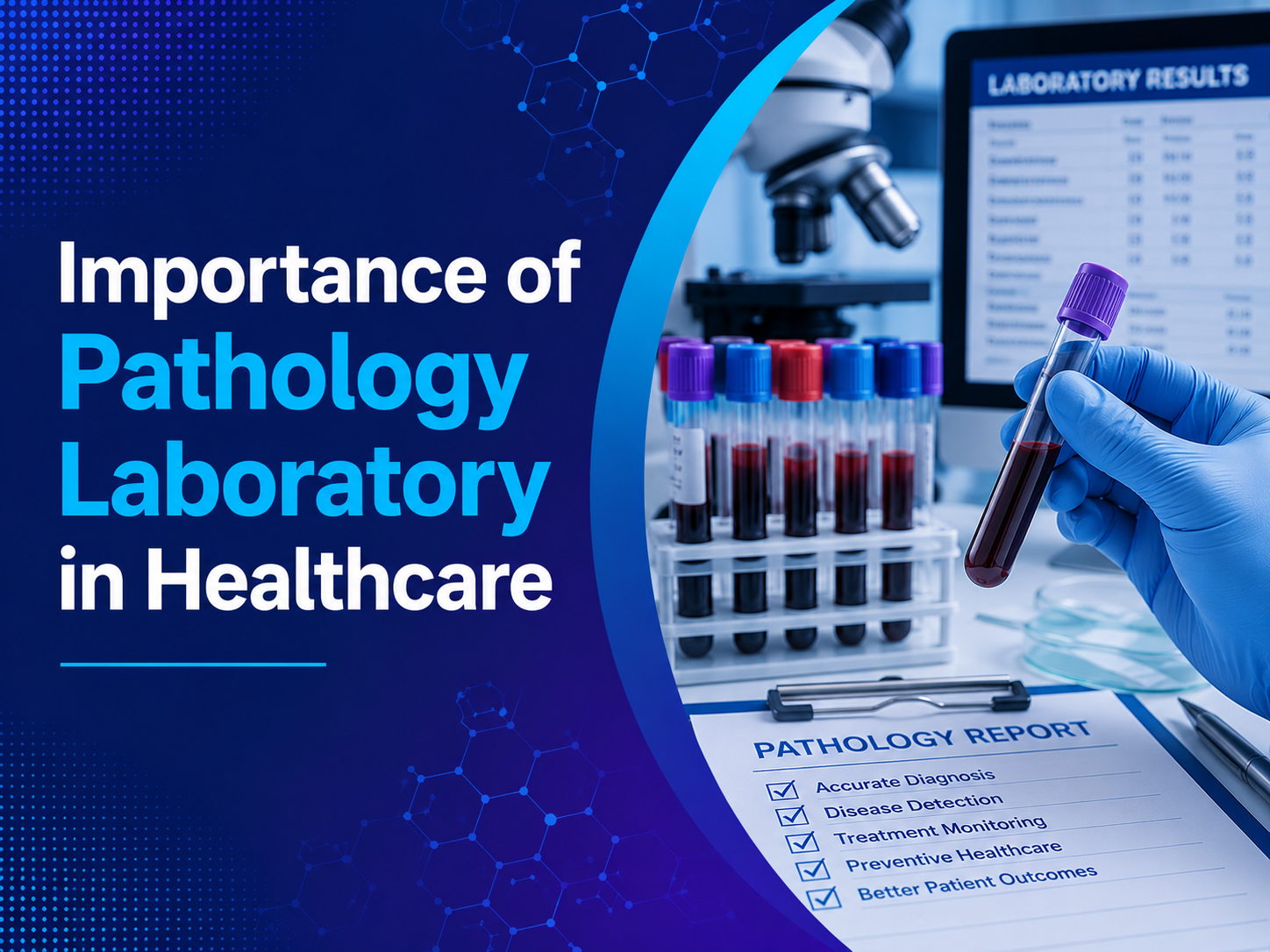
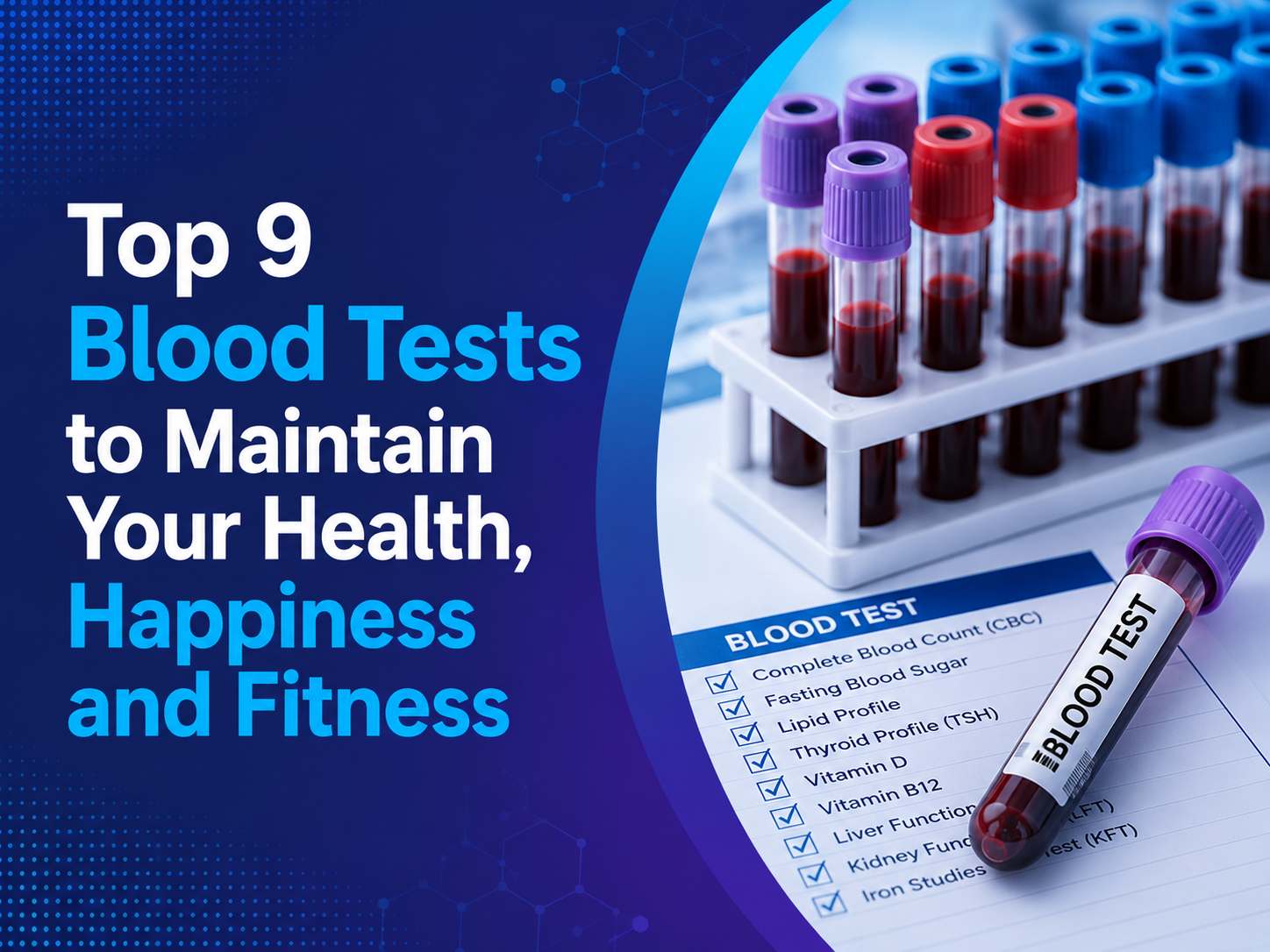
Because PCOD can affect insulin and cholesterol, doctors often check more than hormones. Common checks include fasting blood sugar or HbA1c, a lipid profile, and blood pressure. Accurate readings depend on good sample handling, so choose a dependable Pathology Lab in Indore for these blood tests.
Managing PCOD and Hormonal Imbalance
There is no single treatment, because the plan depends on your symptoms and goals. Healthy lifestyle habits are usually the first step and can improve both cycles and insulin response.
- Eat balanced meals with plenty of fiber and protein.
- Stay active with regular walking, strength training, or exercise you enjoy.
- Prioritize sleep and manage stress.
- Follow your doctor’s advice on medicines for cycles, acne, hair growth, or fertility.
- Return for follow-up tests to track progress.
Treatment is personal. Some women need only lifestyle changes, while others also need medicines, so follow-up visits help your doctor adjust the plan as your goals change, including when you plan a pregnancy.
When to See a Doctor
Book an appointment soon if you notice any of these signs.
- Periods missing for three months or more without pregnancy
- Cycles that are consistently very long or unpredictable
- Rapidly worsening acne or hair growth
- Difficulty conceiving after a year of trying, or six months if you are over 35
Tips to Prepare for Your Tests
A little preparation makes results easier to interpret.
- Note the start date of your last few periods.
- Carry earlier reports and a list of your medicines.
- Ask whether you need to fast for any test.
- Write down your questions for the doctor.
Tracking Progress With Health Packages
PCOD is a long-term condition, so regular monitoring helps. Many women choose Health Packages in Indore that bundle hormone tests, blood sugar, cholesterol, and other checks into one visit. This saves time and makes it easier to compare results from year to year.
Choosing Where to Get Tested
Accurate answers depend on reliable labs, careful imaging, and clear reports. Women searching for the best diagnostic centre in Indore often want hormone tests and ultrasound in one place. Ultrascan Diagnostic Centre offers pathology and ultrasound services, which helps keep your reports together. Ask about cycle-day guidance for hormone tests, and whether your scan and blood reports are shared with your doctor together.
Frequently Asked Questions
1. Is PCOD the same as PCOS?
Many people use the names interchangeably, though doctors and global guidelines use PCOS. A doctor can explain how your diagnosis applies to you.
2. Which tests diagnose PCOD?
Doctors use your cycle history, signs of high androgens, blood tests, and sometimes a pelvic ultrasound. A diagnosis needs two of three features after other causes are ruled out.
3. Can PCOD be cured?
It is a long-term condition that can be managed well. Treatment aims to regulate cycles, reduce symptoms, and lower long-term health risks.
4. Can I get pregnant with PCOD?
Yes, many women do. If ovulation is irregular, your doctor can suggest ways to support it.
5. Do I need to fast for PCOD blood tests?
Some tests, such as blood sugar and lipid profile, need fasting, while many hormone tests do not. Confirm the instructions when you book.
Conclusion
PCOD and Hormonal Imbalance can feel overwhelming, but a clear diagnosis and a steady plan make a real difference. Early testing, healthy habits, and regular follow-up help you take back control.
Book your hormone tests and pelvic scan at Ultrascan Diagnostic Centre today to get clear answers. Call ahead or walk in to plan your visit. This article is for general information and does not replace advice from your doctor.