Calcium does far more than keep your bones strong. It supports your muscles, nerves, and heart, which is why even a mild shortfall can quietly affect how you feel every day. Low Calcium Levels in Women often go unnoticed at first, since early symptoms are easy to mistake for stress or fatigue.
Why Women Are More Prone to Low Calcium Levels
Calcium deficiency, medically known as hypocalcemia, affects women more often than men, and there are clear biological reasons for this. Postmenopausal women, individuals who are lactose intolerant, those following strict vegetarian or vegan diets, and women with irregular or absent periods face a notably higher risk.
Estrogen plays a direct role in calcium absorption, since it helps the body produce enzymes involved in activating vitamin D. As estrogen levels drop, particularly after age 45, the body becomes less efficient at absorbing and retaining calcium, which is why Low Calcium Levels in Women become increasingly common with age.
Early Signs That Indicate Low Calcium Levels in Women
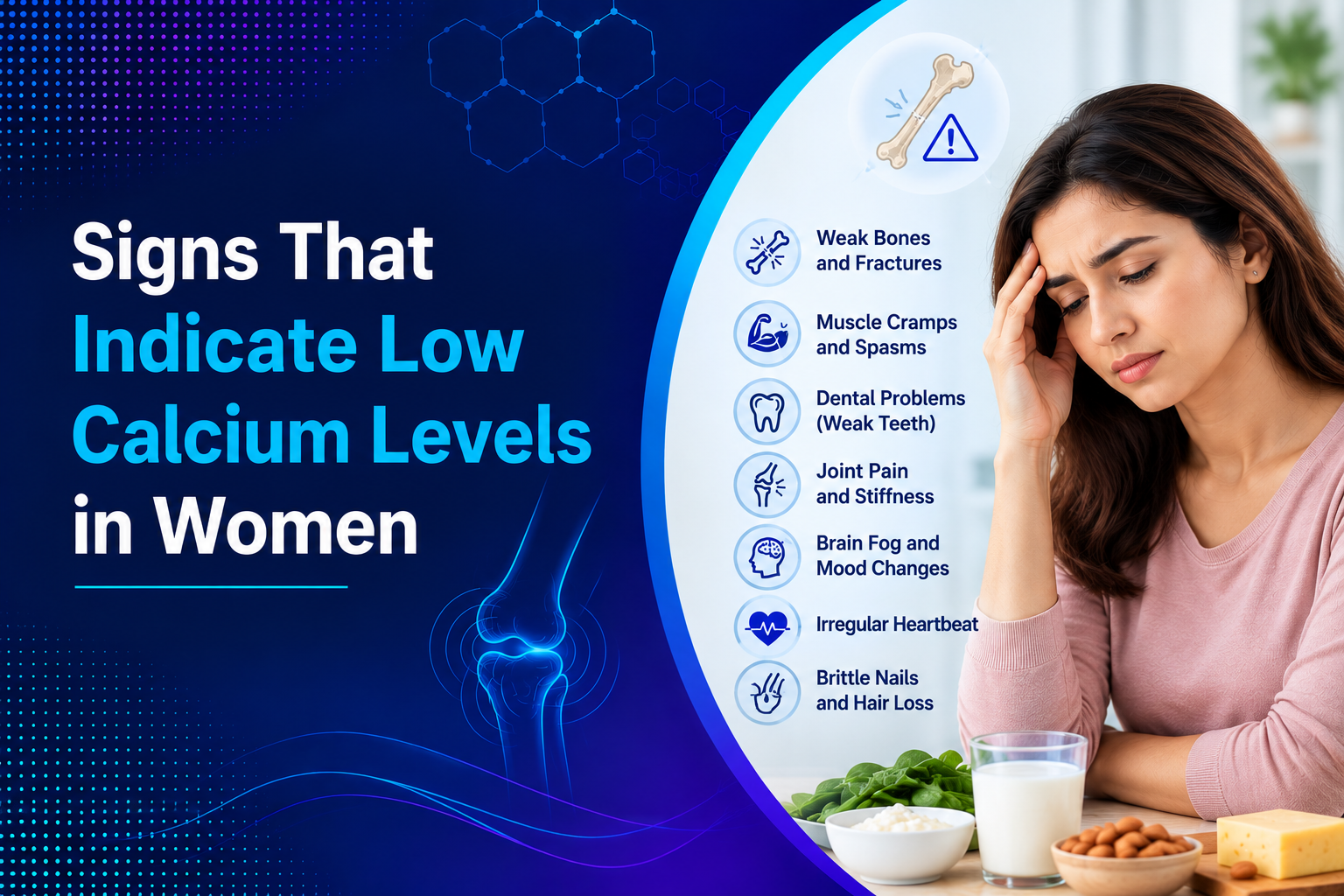
Calcium deficiency often develops gradually, which means early signs can be subtle enough to overlook. Watch for the following symptoms.
- Persistent muscle cramps, especially in the legs and back
- Unusual fatigue, even after adequate rest
- Brittle, weak, or pale nails that break or split easily
- Dry, coarse hair or noticeable hair thinning
- Tingling or numbness in the fingers, toes, or around the mouth
- Increased PMS symptoms, including more severe menstrual cramps
- Dry, itchy skin that does not improve with regular moisturizing
Because these signs overlap with many other common conditions, women often dismiss them rather than connecting them to calcium levels.
Advanced Signs of Low Calcium Levels in Women
If calcium deficiency continues untreated, symptoms tend to become more noticeable and, in some cases, more serious.
Muscle Spasms and Stiffness
As calcium levels drop further, muscle stiffness and involuntary spasms, sometimes called tetany, can develop. These spasms often begin in the hands and feet before affecting larger muscle groups.
Mood and Cognitive Changes
Long-term calcium deficiency can affect brain function, leading to memory problems, difficulty concentrating, and increased anxiety or low mood. Some women report feeling emotionally unstable without an obvious cause, which is often overlooked as a calcium-related symptom.
Weak, Brittle Bones
Since the body pulls calcium from bones when blood levels drop too low, chronic deficiency significantly raises the risk of osteopenia and osteoporosis over time. This makes bones more fragile and increases the likelihood of fractures, especially in postmenopausal women.
Heart Rhythm Irregularities
In more severe cases, low calcium can interfere with normal heart rhythm, causing palpitations or irregular heartbeats. This is considered a more serious symptom that requires prompt medical evaluation.
Common Causes Behind Low Calcium Levels in Women
Understanding what drives calcium deficiency helps explain why testing and prevention matter so much.
| Cause | How It Affects Calcium Levels |
| Vitamin D deficiency | Reduces the body’s ability to absorb calcium |
| Menopause and low estrogen | Lowers calcium absorption efficiency |
| Poor dietary intake | Limits calcium available for the body to use |
| Certain medications | May interfere with calcium absorption or increase loss |
| Parathyroid or kidney issues | Disrupts the body’s calcium regulation system |
| Lactose intolerance | Reduces intake of common calcium-rich dairy sources |
Who Is Most at Risk for Low Calcium Levels?
Certain groups of women face a significantly higher likelihood of developing calcium deficiency and should be especially mindful of early symptoms.
- Postmenopausal women, particularly those past age 45
- Women with amenorrhea or irregular menstrual cycles
- Individuals following strict vegan or lactose-free diets
- Women with a history of thyroid or parathyroid surgery
- Those with chronic kidney disease or malabsorption disorders
- Women taking long-term medications that affect calcium metabolism
When Should You Get Tested for Low Calcium Levels?
Since early symptoms of Low Calcium Levels in Women are easy to dismiss, testing is the most reliable way to catch a deficiency before it progresses. Consider getting tested if you experience the following.
- Frequent, unexplained muscle cramps or spasms
- Persistent fatigue despite adequate sleep
- Numbness or tingling in your hands, feet, or face
- Noticeable changes in your nails, hair, or skin
- A family history of osteoporosis or thyroid disorders
- You are postmenopausal and have never had your calcium levels checked
A simple blood test can confirm whether your calcium levels fall within a healthy range, giving your doctor the information needed to recommend the right treatment.
How Low Calcium Levels Are Diagnosed
Diagnosing calcium deficiency typically involves more than a single test, since doctors need to understand the underlying cause as well as the current calcium level.
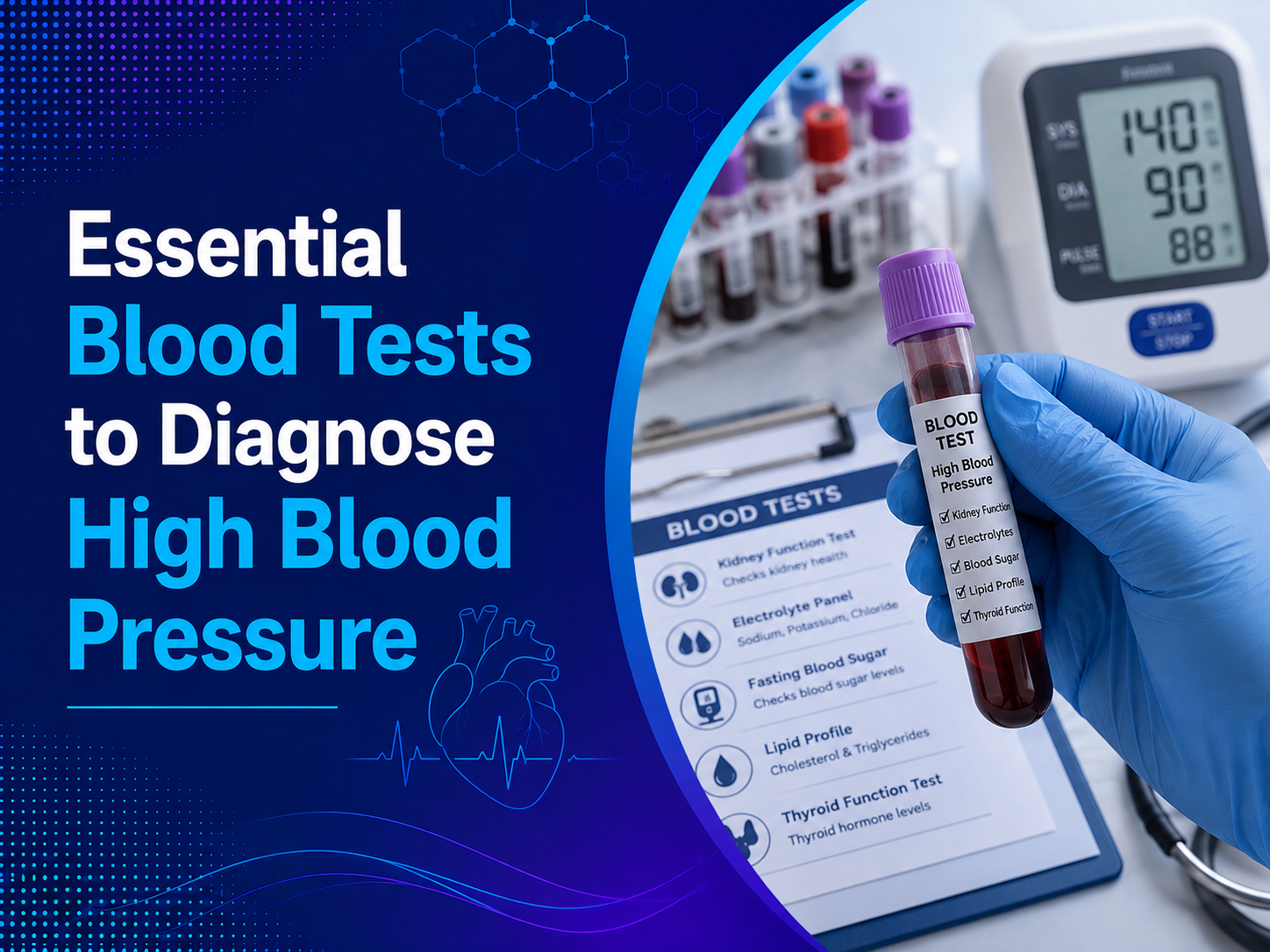
- Serum calcium test, to measure total calcium in the blood
- Ionized calcium test, to measure the active, usable form of calcium
- Vitamin D test, since deficiency here directly affects calcium absorption
- Parathyroid hormone (PTH) test, to check whether hormone imbalance is contributing
- Kidney function tests, since kidney health affects calcium regulation
Combining these tests gives a much clearer picture than checking calcium levels alone, which is why doctors often recommend a broader panel rather than a single isolated test.
Why Choose Ultrascan Diagnostic Centre for Calcium Testing
Getting an accurate diagnosis starts with choosing a lab that delivers precise, dependable results. Ultrascan Diagnostic Centre is recognized as one of the best diagnostic centre in Indore for hormonal and nutritional deficiency testing, including complete calcium panels.
- Advanced equipment for accurate serum and ionized calcium testing
- Experienced pathologists reviewing every report carefully
- Comprehensive Health Packages that bundle calcium, vitamin D, and PTH testing together
- Comfortable, patient-friendly facility with minimal waiting time
- Same-day digital reports shared directly with your doctor
As a trusted Pathology Lab in Indore, Ultrascan Diagnostic Centre makes it simple to get a complete calcium and bone health panel done in a single visit. Women across the city continue to rely on this Indore pathology lab for accurate, timely results.
Frequently Asked Questions
1. What is considered a low calcium level in women?
A normal total blood calcium level typically falls between 8.5 and 10.5 mg/dL. Levels below this range may indicate hypocalcemia, though your doctor will interpret results alongside your symptoms and other test values.
2. Can stress cause symptoms similar to low calcium levels?
Yes, stress can cause fatigue, muscle tension, and mood changes that overlap with calcium deficiency symptoms. This is exactly why a blood test is the most reliable way to confirm whether calcium levels are actually the underlying cause.
3. How quickly can low calcium levels be corrected?
Mild deficiencies often improve within a few weeks with dietary changes and supplementation, while more severe cases may require closer medical supervision. Your doctor will recommend a treatment timeline based on your specific test results.
4. Are calcium supplements enough to fix low calcium levels?
Not always, since calcium absorption depends heavily on adequate vitamin D levels. Many women need a combined approach involving vitamin D correction alongside calcium supplementation for the best results.
5. Can low calcium levels affect fertility or menstrual cycles?
Calcium deficiency has been linked to worsened PMS symptoms and irregular cycles in some women, particularly when combined with low vitamin D. If you are experiencing menstrual irregularities alongside other symptoms, it is worth discussing calcium testing with your doctor.
Conclusion
Calcium deficiency in women often develops quietly, showing up first as fatigue, muscle cramps, or brittle nails before progressing to more serious symptoms. Recognizing the early signs of Low Calcium Levels in Women and getting tested promptly can prevent long-term complications like osteoporosis and heart rhythm issues.
Book your calcium and bone health panel today at Ultrascan Diagnostic Centre, a trusted Diagnostic Centre in Indore for accurate, same-day results. Walk in or call ahead to schedule your appointment and take the first step toward better bone and muscle health.