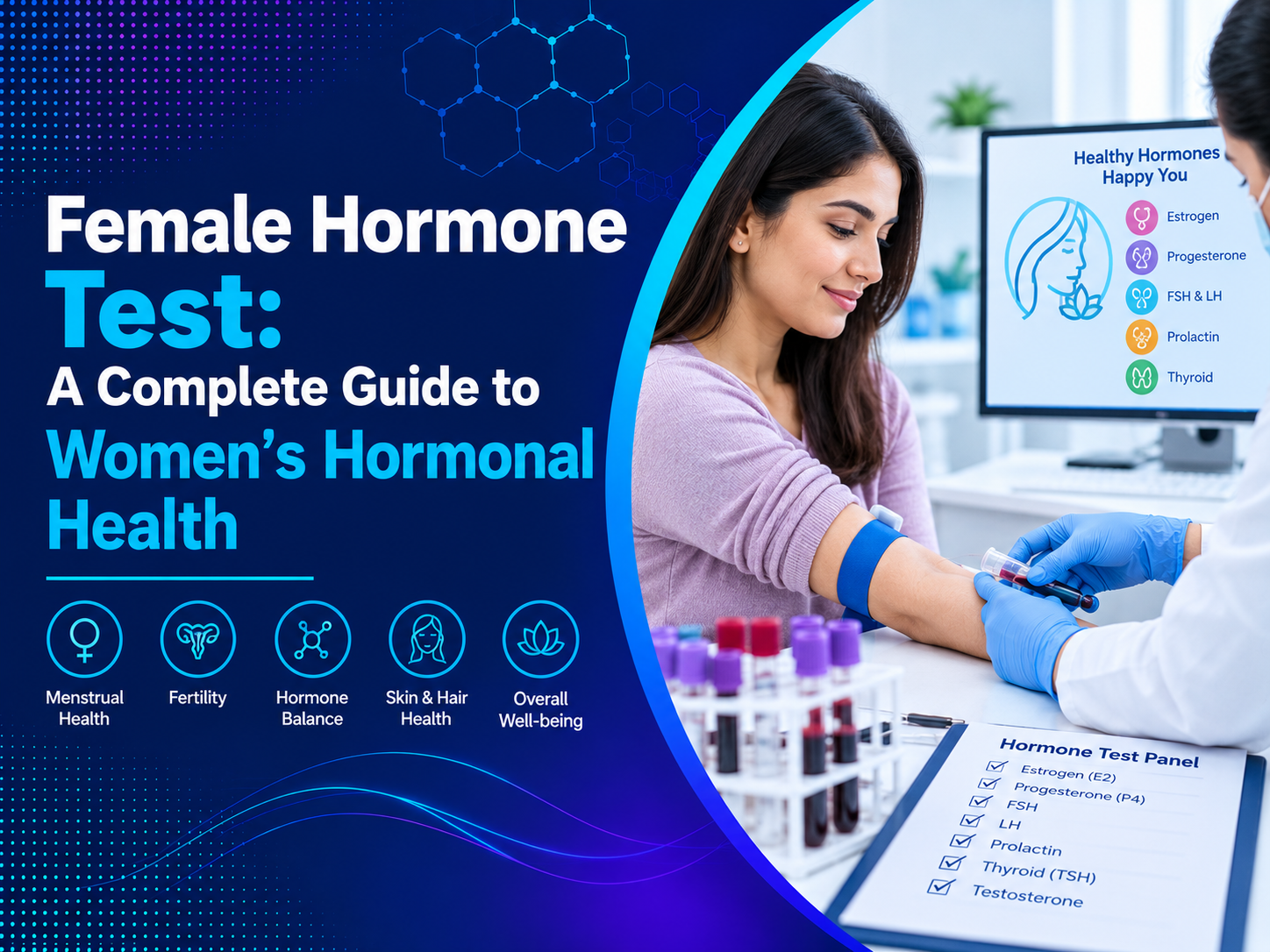
Hormones influence far more than reproduction, they affect mood, metabolism, bone health, and energy levels throughout a woman’s life. A Female Hormone Test helps uncover what is happening beneath the surface when symptoms like irregular periods, fatigue, or unexplained weight changes appear. This guide walks through the key hormones tested, the best timing for accurate results, and how to interpret what your report actually means.
Why Female Hormonal Health Deserves Attention
Female hormones like estrogen and progesterone do far more than regulate the menstrual cycle. They protect cardiovascular health, support bone density, influence brain function, and help regulate mood and sleep patterns throughout every stage of life.
Because these hormones fluctuate constantly, even small imbalances can create a wide range of symptoms that are often mistaken for stress, poor sleep, or simply “getting older.” A Female Hormone Test gives doctors a clear, measurable way to identify what is actually happening rather than guessing based on symptoms alone.
Key Hormones Measured in a Female Hormone Test
A comprehensive hormone panel typically evaluates several key hormones, each offering a different piece of the overall picture.
- Estradiol (Estrogen): regulates the menstrual cycle, supports bone density, and plays a role in pregnancy
- Progesterone: confirms ovulation and supports the early stages of pregnancy
- Follicle-Stimulating Hormone (FSH): stimulates egg development and helps assess ovarian function
- Luteinizing Hormone (LH): works alongside FSH to trigger ovulation during the menstrual cycle
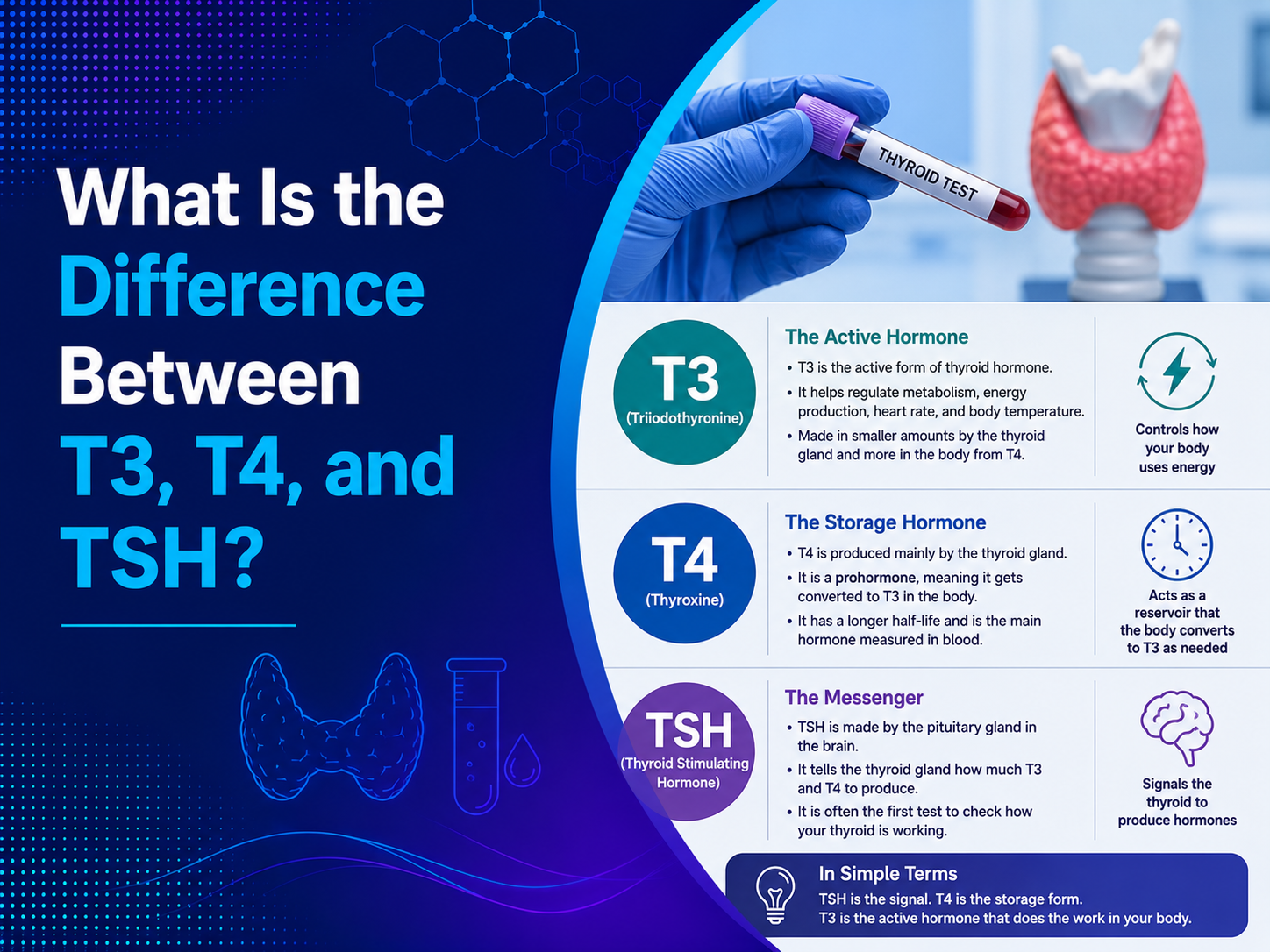
- Thyroid-Stimulating Hormone (TSH): regulates metabolism and can significantly affect menstrual regularity
- Prolactin: influences milk production and can affect fertility when levels are abnormally high
- Anti-Müllerian Hormone (AMH): reflects ovarian reserve and is commonly used in fertility assessments
Each of these markers plays a distinct role, which is why doctors often order several hormones together rather than testing just one in isolation.
When Should You Get a Female Hormone Test?
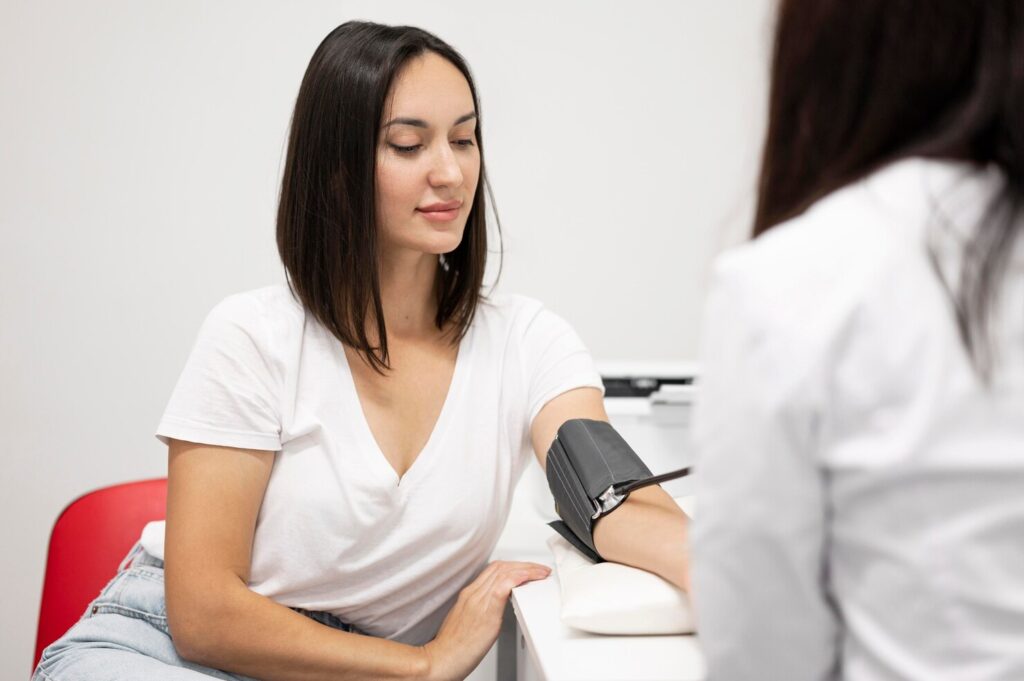
Certain signs and life stages make hormone testing particularly worthwhile.
- Irregular or absent periods, which often point toward an underlying hormonal cause
- Difficulty conceiving, where hormone levels help identify potential fertility barriers
- Unexplained fatigue or mood changes, especially when they persist despite adequate rest
- Symptoms of perimenopause or menopause, including hot flashes and sleep disturbances
- Suspected thyroid dysfunction, since thyroid hormones directly affect menstrual regularity
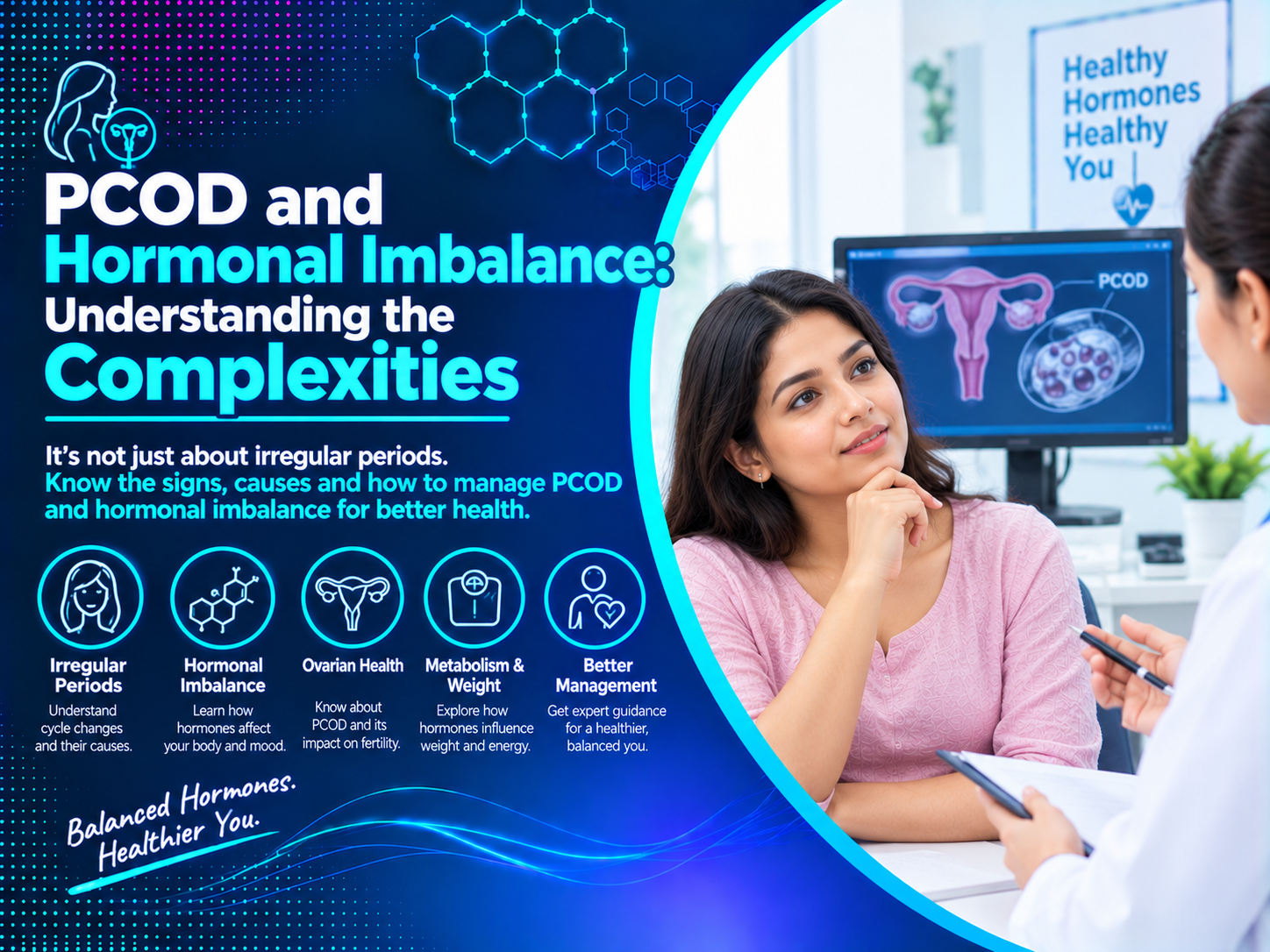
- Signs of PCOS, such as excess hair growth, acne, or weight gain
If you notice several of these signs together, a Hormone imbalance test in Indore can help clarify whether your symptoms are linked to a specific hormonal cause.
Best Timing for Accurate Hormone Testing
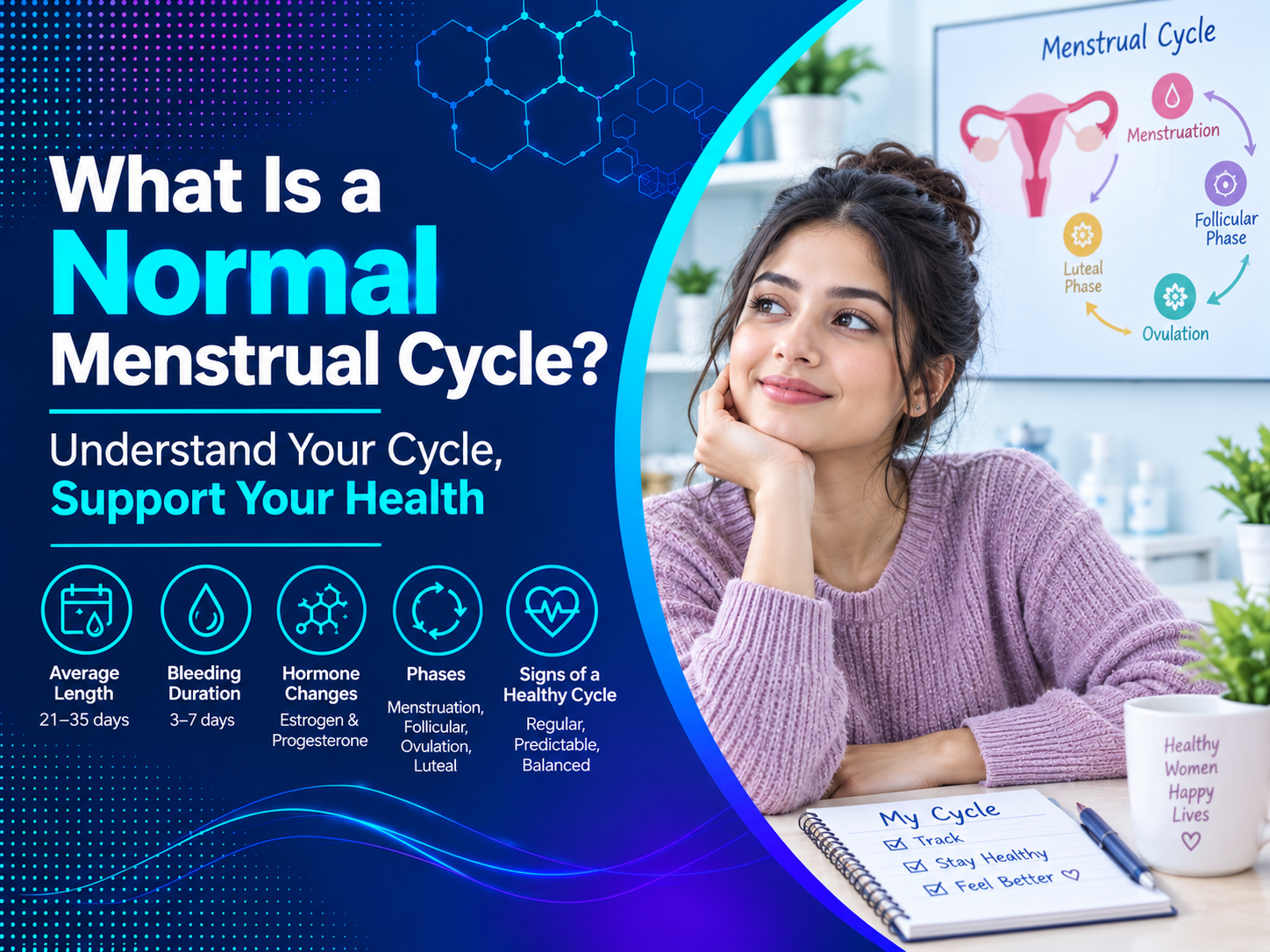
Timing plays a significant role in getting accurate, interpretable results, since hormone levels change throughout the menstrual cycle.
| Cycle Phase | Best Days to Test | Hormones Typically Measured |
| Early cycle (baseline) | Day 2 to 5 | FSH, LH, Estradiol, Prolactin |
| Mid-luteal phase | Around day 21 | Progesterone |
| Any time in the cycle | No specific timing required | AMH, TSH, T3, T4 |
Testing on the correct cycle day matters significantly, since a progesterone test done too early, for example, may show falsely low results even in a woman who has ovulated normally.
What Does a Hormonal Assay Test for Female Patients Involve?
A Hormonal Assay test for female patients typically starts with a simple blood draw, similar to any other routine blood test. In some cases, your doctor may request specific hormones to be tested on particular cycle days, so scheduling your appointment around your cycle can matter as much as the test itself.
Most panels require no special preparation beyond confirming the correct cycle day, though certain tests like cortisol may need to be done in the morning due to natural daily hormone rhythms. Results are typically available within a few days, giving your doctor the information needed to guide your next steps.
How to Interpret Your Female Hormone Test Results
Understanding your report can feel overwhelming at first, since hormone levels are rarely presented as a simple normal or abnormal result.
Reference Ranges Vary by Life Stage
Normal hormone ranges shift significantly depending on your age, menstrual cycle phase, and whether you are pregnant or postmenopausal. A result that looks abnormal for a woman in her twenties might be completely normal for someone in perimenopause.
Abnormal Results Don’t Always Mean a Problem
Hormones naturally fluctuate, so a single result slightly outside the reference range does not automatically indicate a disorder. Your doctor will interpret your results alongside your symptoms, cycle timing, and overall health history before drawing any conclusions.
Common Conditions Linked to Hormone Imbalance
- Polycystic Ovary Syndrome (PCOS), often linked to elevated androgens and irregular ovulation
- Thyroid disorders, which can cause irregular periods, fatigue, and weight changes
- Diminished ovarian reserve, reflected through lower AMH levels
- Perimenopause and menopause, marked by rising FSH and declining estradiol
What Happens If Your Results Show a Hormonal Imbalance?
Receiving results outside the normal range does not need to feel alarming, since most hormonal imbalances are manageable with the right approach. Your doctor may recommend lifestyle changes, medication, or further testing depending on which hormones are affected and what underlying condition is suspected.
For women planning a family, understanding hormone imbalances early can significantly improve treatment planning and fertility outcomes. Regular monitoring also helps track how well a treatment plan is working over time, rather than relying on symptoms alone to judge progress.
Finding a Reliable Centre for Cycle-Based Testing
Since accurate hormone interpretation depends on precise sample handling and correct timing, choosing an experienced facility genuinely matters. A trusted Hormone Assay Test Centre in Indore should offer clear guidance on cycle-day scheduling along with dependable, well-calibrated lab equipment.
Why Choose Ultrascan Diagnostic Centre
Ultrascan Diagnostic Centre is recognized as one of the best diagnostic centre in Indore for hormonal and reproductive health testing, combining modern equipment with experienced pathologists who review every report carefully.
Accurate Sample Handling You Can Trust
As a trusted Diagnostic Centre in Indore, Ultrascan ensures accurate sample handling and timely reporting for every hormone panel ordered, regardless of which cycle day your test falls on.
A Dependable Choice for Blood-Based Testing
For blood-based hormone testing specifically, patients also benefit from working with an established Pathology Lab in Indore that understands the importance of correct cycle-day scheduling and precise sample processing.
Combine Hormone Testing With a Complete Health Assessment
Women looking for a more complete health assessment can also explore comprehensive Health Packages in Indore that combine hormone testing with other essential screenings in a single visit.
Frequently Asked Questions
1. What is the best day of my cycle to get a hormone test done?
For most baseline hormones like FSH, LH, and estradiol, testing on day 2 to 5 of your cycle gives the most accurate results. Progesterone, on the other hand, is best tested around day 21 to confirm ovulation.
2. Can a female hormone test detect PCOS?
Yes, elevated androgen levels along with irregular LH to FSH ratios can help support a PCOS diagnosis when combined with other clinical signs. Your doctor will interpret these results alongside symptoms like irregular periods or excess hair growth.
3. Do I need to fast before a hormone test?
Most hormone tests do not require fasting, though your doctor may request it if other tests are being done at the same time. Certain hormones, like cortisol, are best tested in the morning due to natural daily fluctuations.
4. How long does it take to get female hormone test results?
Most results are available within a few days to about a week, depending on which specific hormones are included in your panel. Your doctor will review the results alongside your symptoms and cycle timing before discussing next steps.
5. Can hormone imbalances be treated once identified?
Yes, most hormonal imbalances can be managed through lifestyle changes, medication, or targeted treatment depending on the underlying cause. Early identification through testing often leads to more effective, timely treatment outcomes.
Conclusion
A Female Hormone Test offers valuable insight into symptoms that are often dismissed as stress or simply part of getting older. Understanding your hormonal health empowers you to make informed decisions about fertility, menstrual health, and long-term wellbeing.
Book your Female Hormone Test today at Ultrascan Diagnostic Centre, a trusted name for accurate hormonal health testing in Indore. Walk in or call ahead to schedule your appointment and take a confident step toward understanding your body better.