You eat well. You sleep reasonably well. You have not made any major changes to your lifestyle. And yet the weight keeps creeping up, your mood feels unpredictable, and the energy you once had seems to have quietly disappeared. If this sounds familiar, you are far from alone, and the explanation may be simpler and more treatable than you think.
Understanding how hormonal imbalances silently affect weight, mood, and energy is one of the most important pieces of health knowledge any woman can have. Hormones are the body’s chemical messengers – they regulate nearly every system in the body, from metabolism and sleep to emotion and reproduction. When they fall out of balance, the effects can be wide-ranging and deeply frustrating, especially because the cause often goes unrecognised for months or even years.
At Ultrascan Diagnostics, Indore’s trusted ultrasound diagnostic centre, we work alongside gynaecologists, endocrinologists, and general physicians to help women get the accurate hormonal testing they need – because the first step toward feeling like yourself again is understanding what is happening inside your body.
What Is a Hormonal Imbalance and Why Does It Affect Women More?
A hormonal imbalance occurs when the body produces too much or too little of one or more hormones. Because hormones work in a finely tuned system – where each one influences the production and activity of others – even a small shift can set off a chain reaction with effects felt across the entire body.
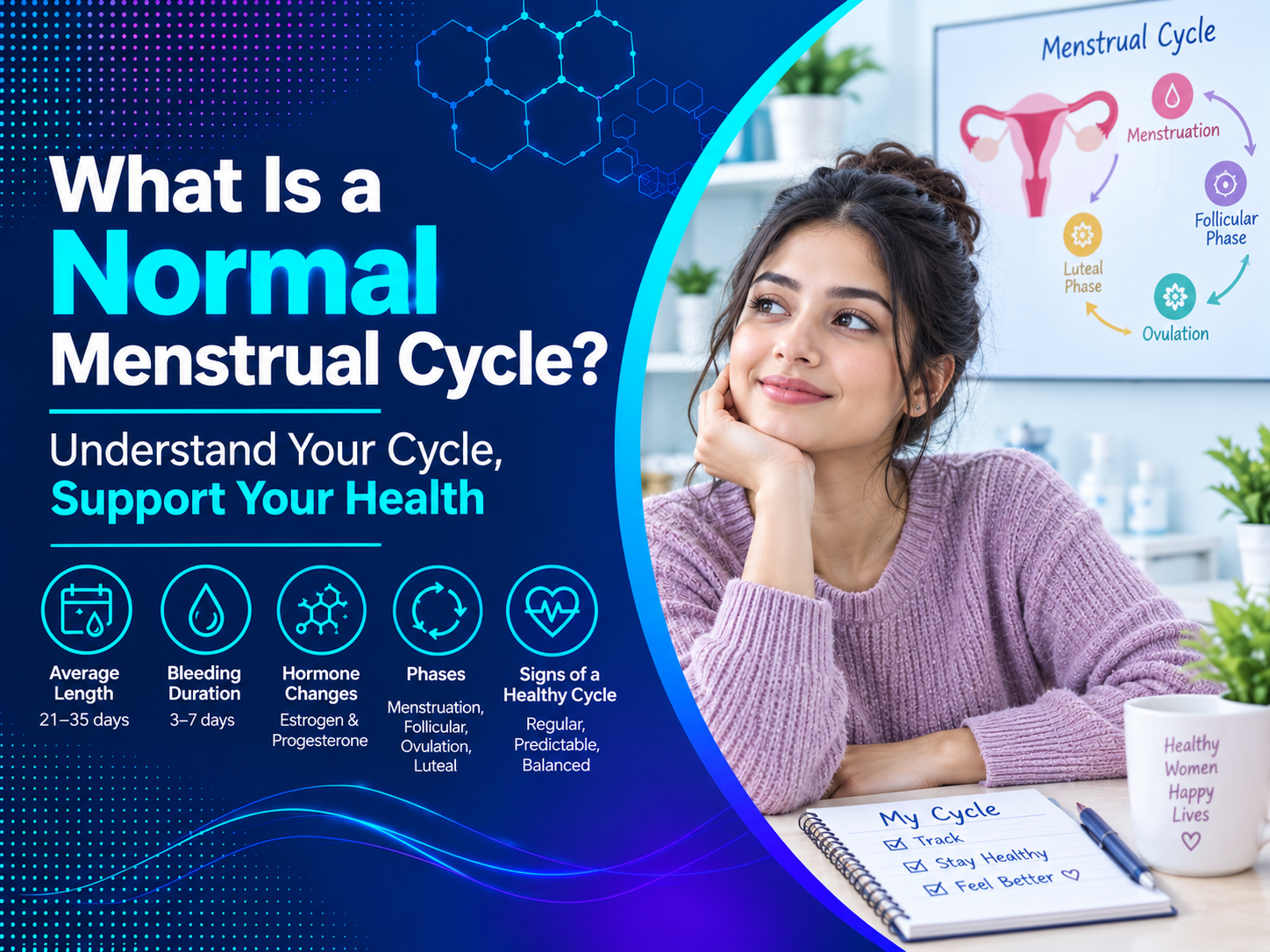
Women are particularly susceptible to hormonal fluctuations because of the cyclical nature of female reproductive hormones – oestrogen, progesterone, FSH, and LH – which shift throughout the monthly menstrual cycle, across the different decades of life, and through major hormonal milestones such as puberty, pregnancy, postpartum recovery, and menopause.
Beyond reproductive hormones, the thyroid gland, adrenal glands, pancreas, and pituitary gland all produce hormones that profoundly affect weight, mood, and energy. Any one of these systems falling out of balance – for any reason – can produce the constellation of symptoms that many women have been told is simply ‘stress’ or ‘getting older’.
How Hormonal Imbalances Silently Affect Weight – The Hidden Connection
This is perhaps the most frustrating aspect of hormonal imbalance for many women. How hormonal imbalances silently affect weight is not about overeating or lack of willpower – it is about biochemistry. Several hormones directly control how the body stores fat, burns calories, and regulates appetite.
Thyroid Hormones and Metabolism
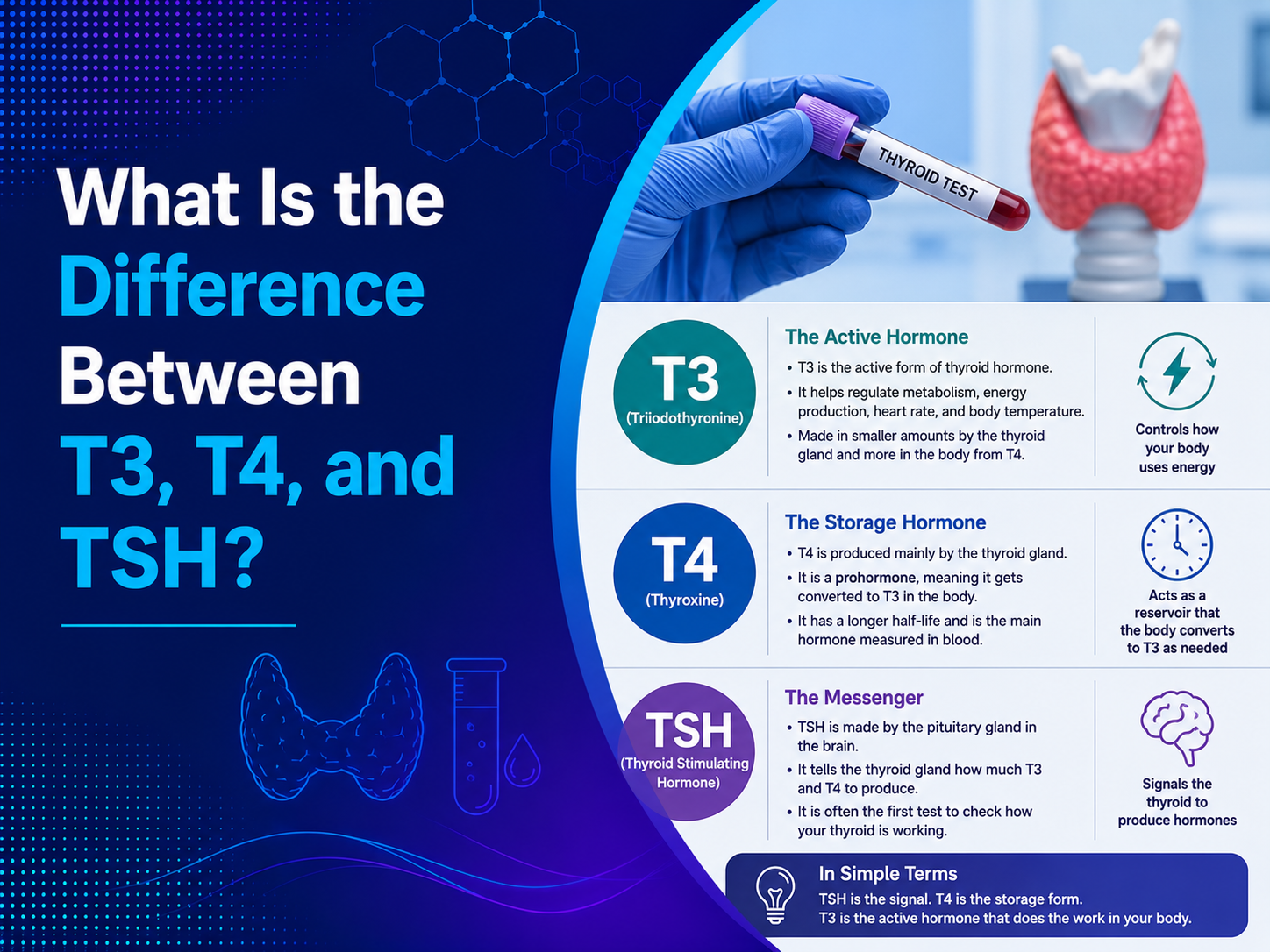
The thyroid gland produces T3 and T4 – hormones that set the speed of your metabolism. When the thyroid is underactive (hypothyroidism), metabolism slows down significantly. The body burns fewer calories even at rest, fluid is retained, and fat accumulates – particularly around the abdomen, face, and limbs. Even with a normal diet, weight gain of 4 to 10 kilograms is common in undiagnosed hypothyroidism.
What makes this especially insidious is that hypothyroidism develops slowly. Symptoms build gradually, and the weight gain is steady rather than sudden – making it easy to dismiss as lifestyle-related rather than medical.
Oestrogen Imbalance and Fat Distribution
Oestrogen plays a key role in regulating where the body stores fat. In the reproductive years, oestrogen tends to promote fat storage in the hips and thighs (peripheral fat), which is considered metabolically less harmful. As oestrogen declines in perimenopause and menopause, fat distribution shifts to the abdomen – a change that is associated with increased cardiovascular risk and insulin resistance.
Oestrogen dominance – where oestrogen is relatively high compared to progesterone – can also cause water retention and bloating, which shows up as fluctuating weight, particularly in the second half of the menstrual cycle.
Insulin Resistance and PCOS
Polycystic Ovary Syndrome (PCOS) is one of the most common hormonal conditions in women of reproductive age, affecting an estimated 1 in 10 women. A hallmark feature of PCOS is insulin resistance, where the body’s cells stop responding normally to insulin, causing the pancreas to produce more. Elevated insulin levels promote fat storage, particularly around the abdomen, and make weight loss extremely difficult despite calorie restriction.
Elevated insulin also stimulates the ovaries to produce more androgens (male hormones like testosterone), which further disrupts the hormonal balance – creating a cycle that affects weight, menstrual regularity, skin, and fertility simultaneously.
Cortisol and Stress-Related Weight Gain
Cortisol – produced by the adrenal glands in response to stress – is sometimes called the ‘stress hormone’. In short bursts, it is helpful. In chronic elevation (as seen in prolonged stress, poor sleep, or adrenal dysfunction), it actively promotes fat storage – particularly in the abdominal region. Chronically high cortisol also increases appetite, drives cravings for high-calorie foods, breaks down muscle tissue, and slows metabolism.
How Hormone Imbalance Affects Mood and Mental Wellbeing in Women
Mood disorders – including anxiety, depression, irritability, and emotional instability – are significantly more common in women than in men. Hormonal fluctuations are a major reason why. The brain is highly sensitive to hormone levels, and the chemistry of mood is deeply intertwined with the endocrine system.
Oestrogen, Serotonin, and Mood Regulation
Oestrogen influences the production and sensitivity of serotonin – often called the ‘feel-good’ neurotransmitter. When oestrogen drops – whether during the premenstrual phase, postpartum period, or perimenopause – serotonin activity tends to fall with it. This contributes to the low mood, tearfulness, and heightened emotional reactivity that many women experience at these hormonal transition points.
Progesterone and Anxiety
Progesterone has a naturally calming effect on the nervous system – it acts on GABA receptors in the brain, which are the same receptors targeted by many anti-anxiety medications. When progesterone is low (as in oestrogen dominance, certain phases of PCOS, or perimenopause), women often report increased anxiety, difficulty switching off, poor sleep quality, and a sense of inner tension that has no obvious external cause.
Thyroid and Depression
Hypothyroidism and depression share so many symptoms that one is frequently mistaken for the other. Both produce low mood, fatigue, poor concentration, weight gain, and social withdrawal. Many women with undiagnosed hypothyroidism are prescribed antidepressants before a thyroid panel is run – and find that addressing the thyroid issue resolves the mood symptoms far more effectively than medication alone.
How Hormonal Imbalances Silently Affect Energy Levels – Beyond Just Being Tired
Fatigue is the single most common complaint among women with hormonal imbalances – and it is frequently dismissed as busyness, poor sleep hygiene, or ‘just what life feels like’. But understanding how hormonal imbalances silently affect weight and energy together reveals something important: the same hormonal disruptions that cause weight gain also drain energy, because they are driven by the same underlying system failures.
• Hypothyroidism causes deep, persistent fatigue that sleep does not resolve – because the cellular machinery of the body is running at reduced speed.
• Low oestrogen in perimenopause and menopause is associated with sleep disruption (including night sweats and insomnia), which compounds daytime fatigue.
• Adrenal fatigue or HPA axis dysregulation – where the body’s stress response system becomes chronically overactivated – produces a characteristic pattern of energy: exhausted but wired at night, unable to get going in the morning, with a mid-afternoon energy crash.
• Iron deficiency anaemia, which is common in women with heavy periods caused by fibroids, endometriosis, or hormonal imbalance, causes profound physical fatigue, breathlessness, and difficulty concentrating.
• High prolactin levels can cause fatigue alongside other symptoms such as irregular periods, breast tenderness, and unexplained milk discharge – and can be easily detected through a simple blood test.
The key point is that hormonal fatigue is qualitatively different from ordinary tiredness. It tends to be disproportionate to activity levels, unresponsive to rest, and accompanied by other physical or emotional symptoms. If this resonates, hormonal testing – not just a general check-up – is the appropriate next step.
Warning Signs of Hormonal Imbalance in Women That Should Not Be Ignored
Many women live with hormonal imbalances for years without realising that their symptoms have a medical explanation. Here are the warning signs that warrant investigation:
• Unexplained weight gain or difficulty losing weight despite diet and exercise
• Persistent fatigue that does not improve with adequate sleep
• Mood swings, anxiety, low mood, or emotional instability without a clear cause
• Irregular, heavy, painful, or absent periods
• Hair thinning, excessive hair loss, or unwanted facial or body hair
• Acne in adulthood, particularly around the jaw and chin
• Dry skin, brittle nails, or feeling cold all the time
• Breast tenderness or unexpected milk discharge
• Brain fog, poor memory, or difficulty concentrating
• Low libido or reduced sexual interest
• Bloating or digestive changes tied to the menstrual cycle
• Sleep disturbances – difficulty falling asleep, staying asleep, or waking exhausted
How Are Hormonal Imbalances Diagnosed? The Role of Hormonal Assay Testing
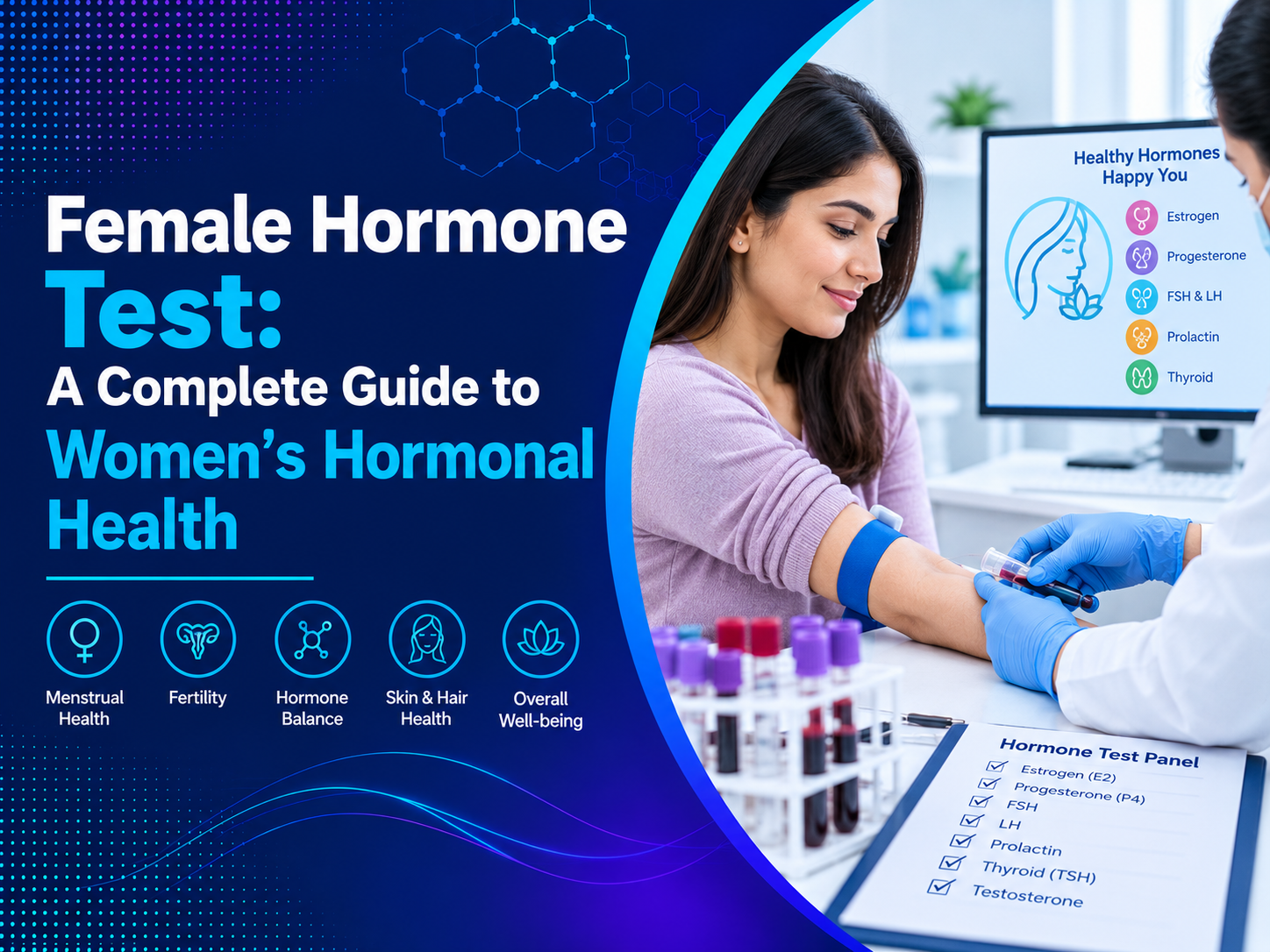
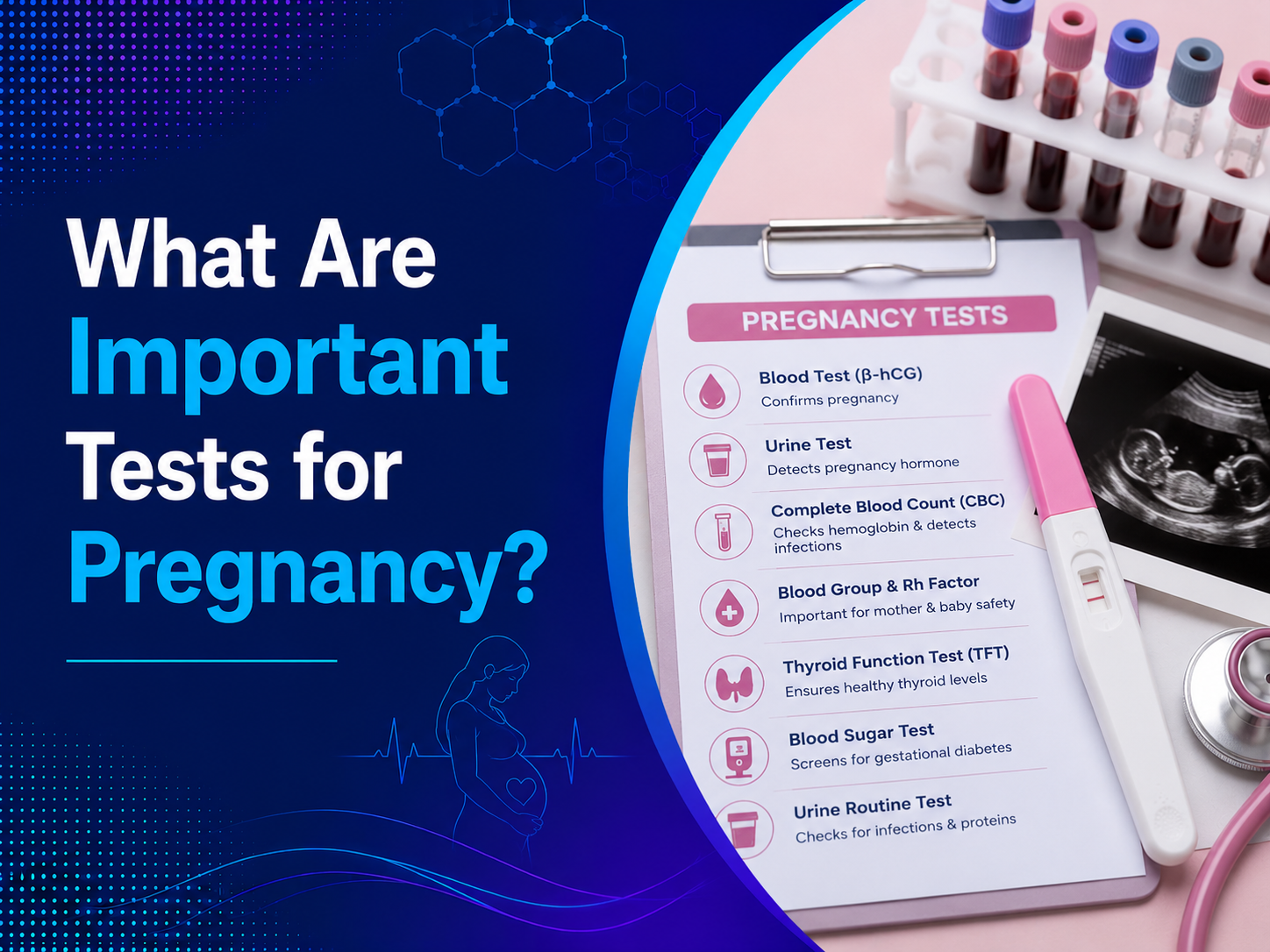
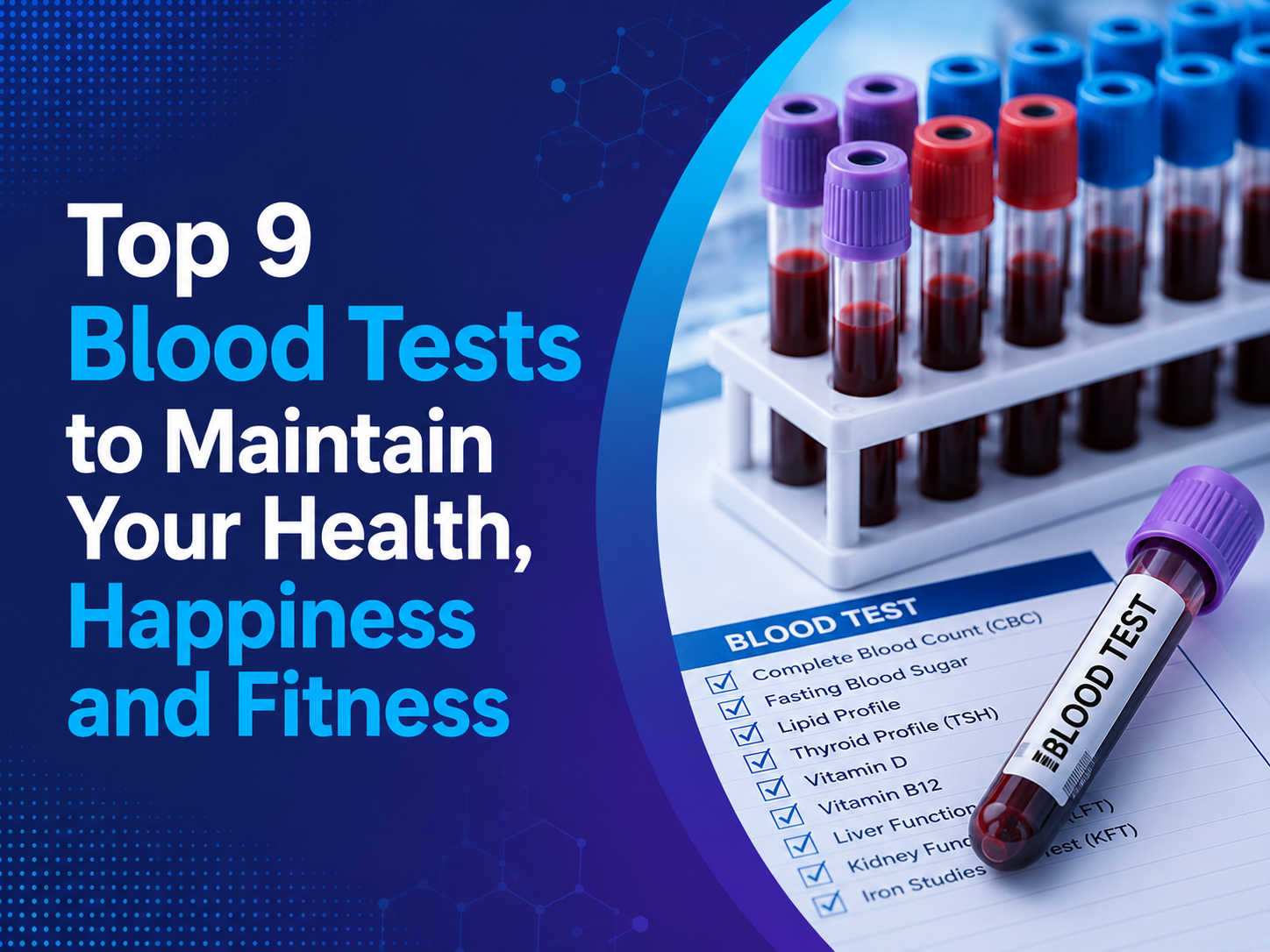
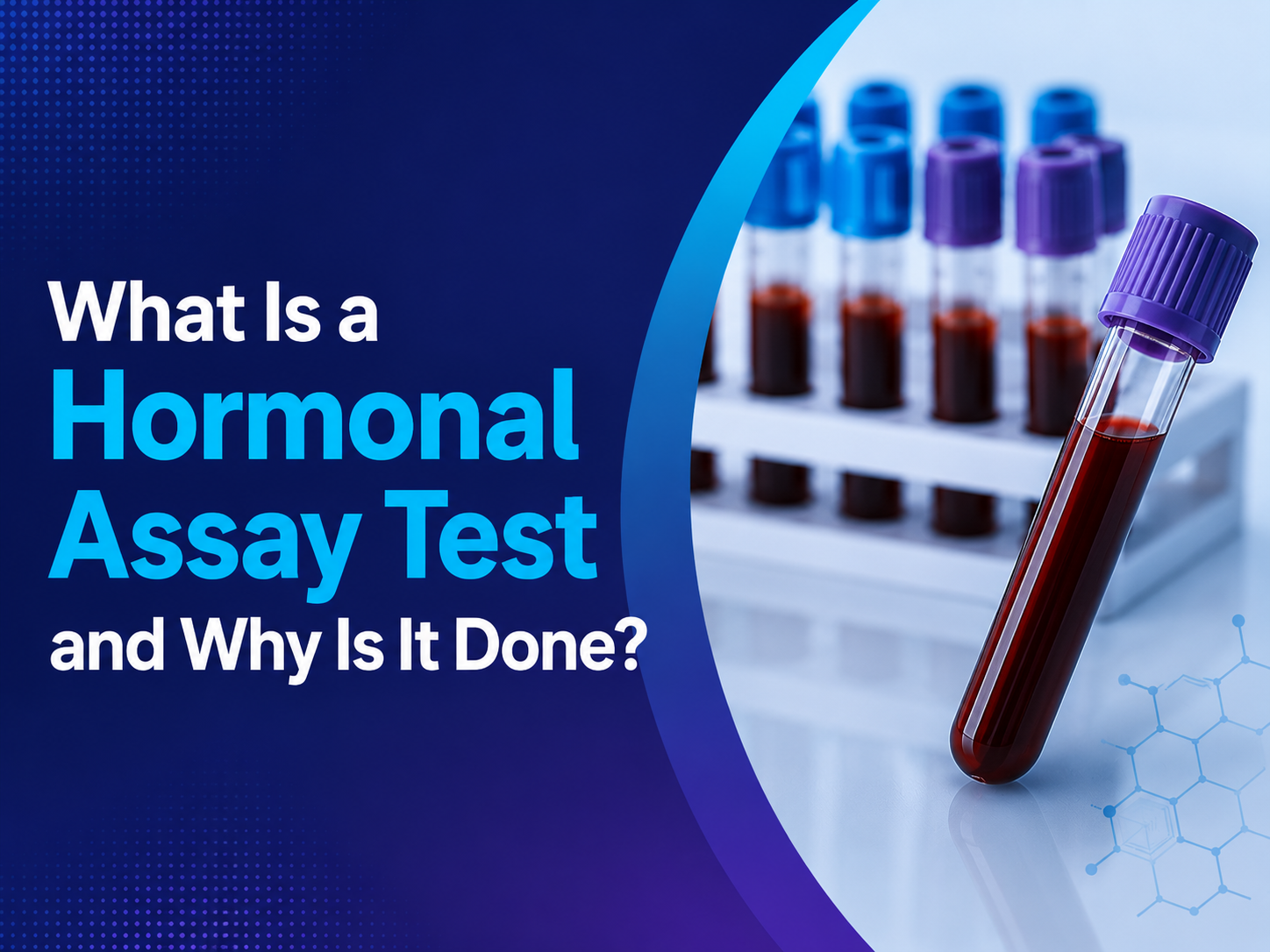
Diagnosing a hormonal imbalance requires more than a general blood test. A specific hormonal assay panel – tailored to your symptoms, age, and cycle stage – is needed to build an accurate picture. The most commonly tested hormones include:
• TSH, Free T3, Free T4 – to assess thyroid function
• FSH and LH – to evaluate reproductive axis function and menopausal status
• Oestradiol and Progesterone – to assess reproductive hormone levels
• Prolactin – to screen for pituitary dysfunction
• Testosterone and DHEA-S – elevated in PCOS and adrenal conditions
• AMH (Anti-Müllerian Hormone) – to assess ovarian reserve
• Fasting insulin and HOMA-IR – to detect insulin resistance
• Cortisol – to evaluate adrenal function
• Vitamin D and B12 – deficiencies that mimic and worsen hormonal symptoms
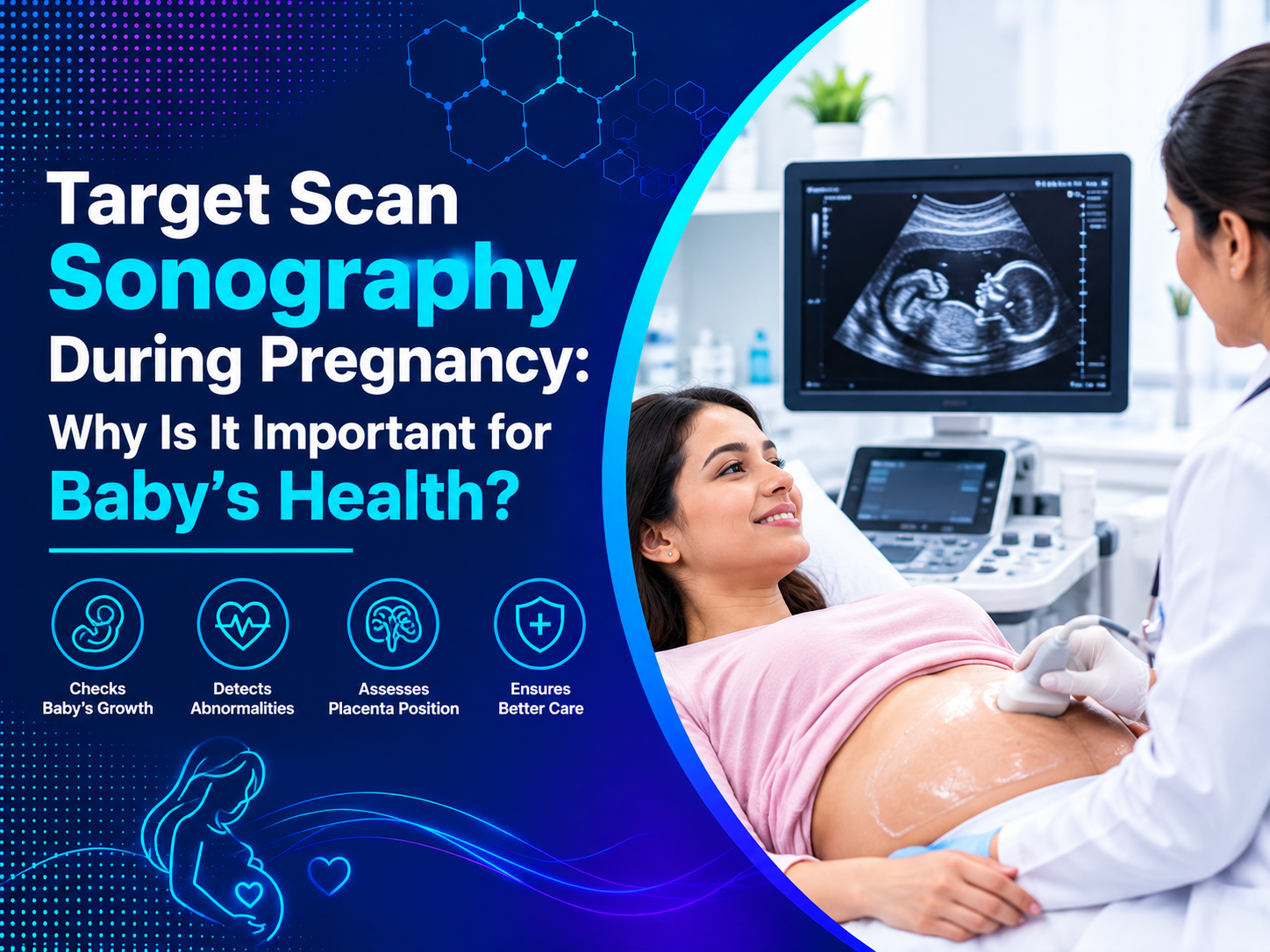
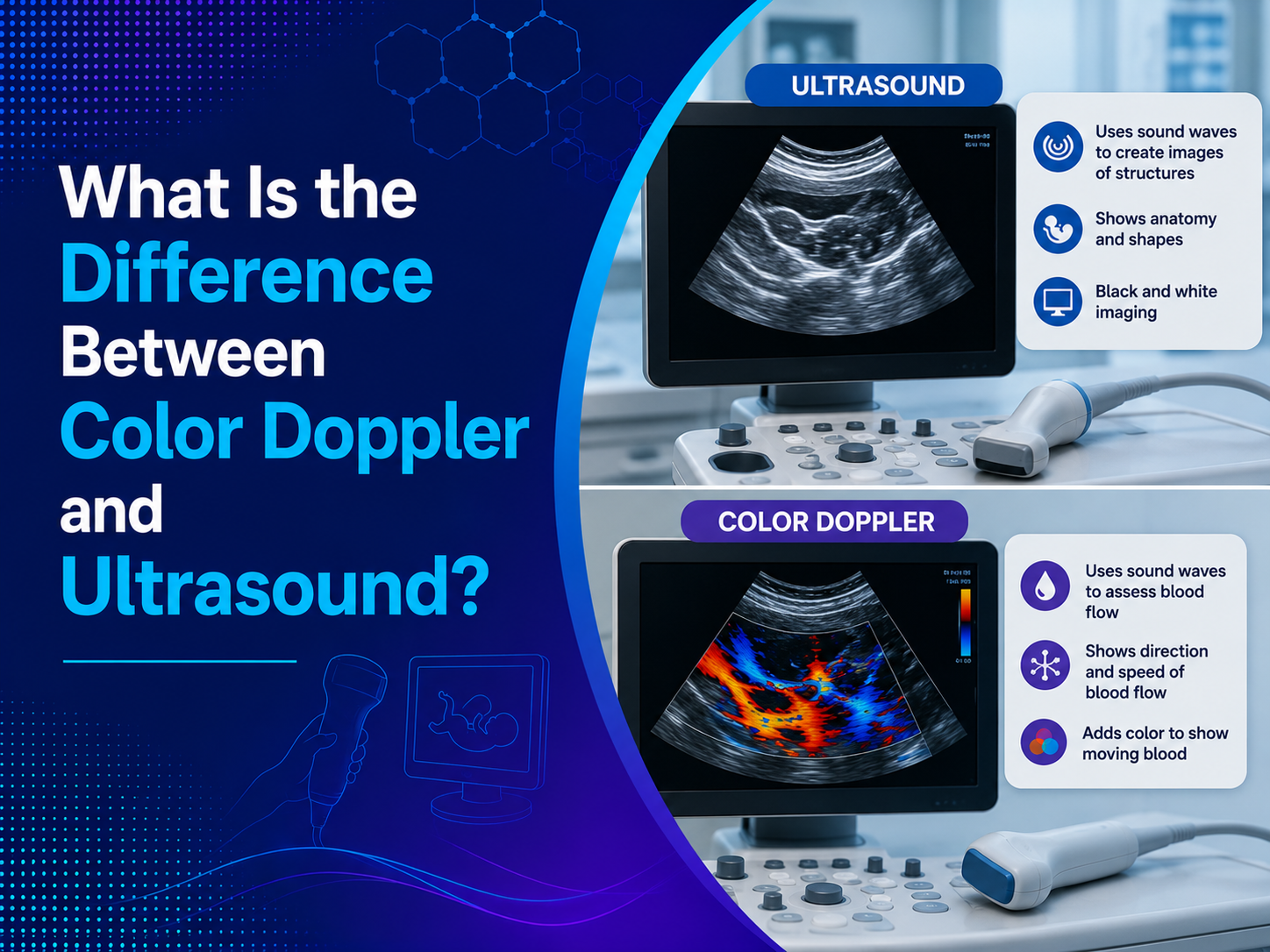
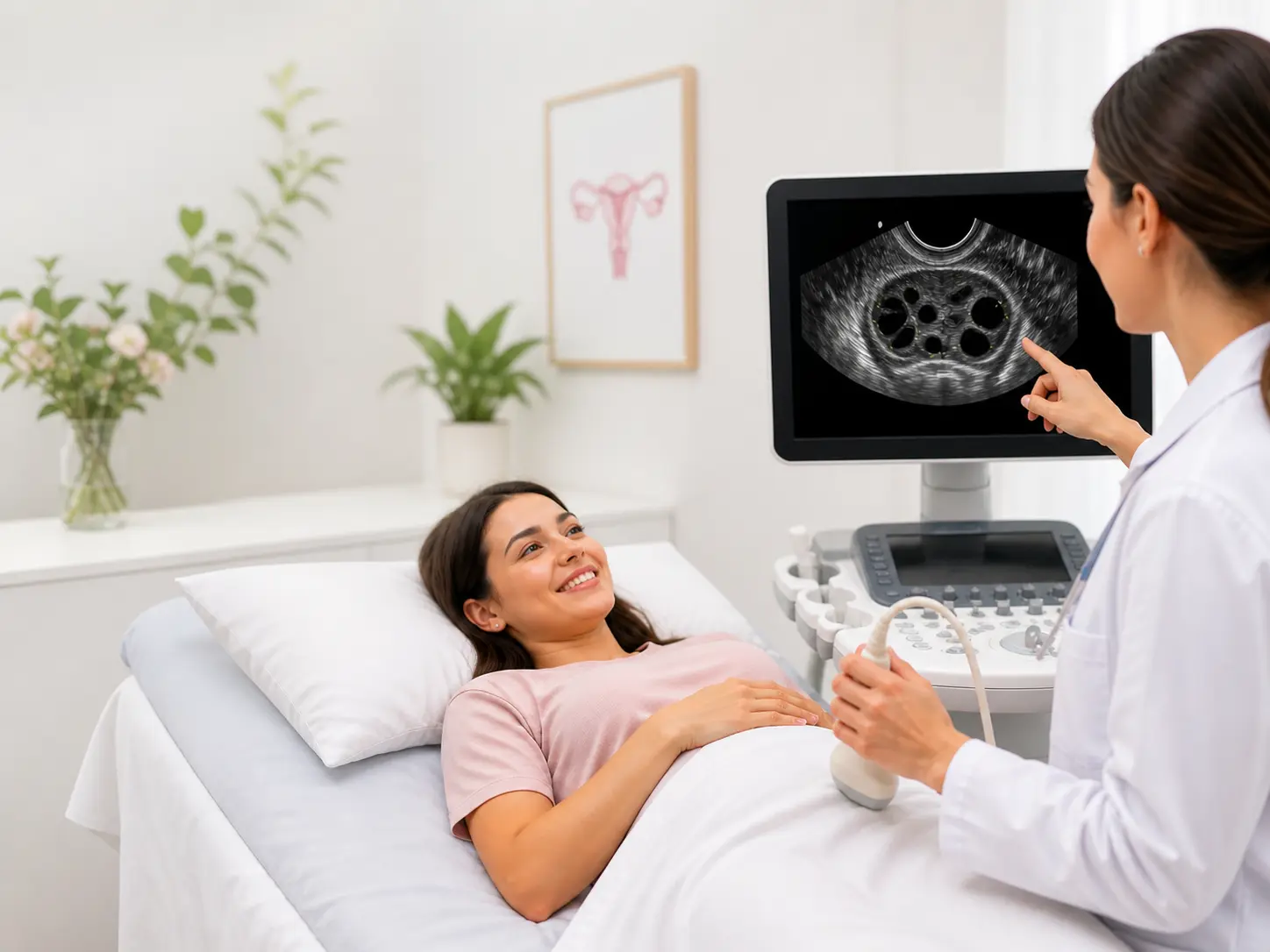
Alongside hormonal blood tests, ultrasound diagnostic imaging plays an important role. A pelvic ultrasound or transvaginal scan can identify polycystic ovaries, uterine fibroids, endometriosis features, or ovarian cysts – all of which are driven by hormonal imbalance and contribute to its symptoms.
Why Women in Indore Trust Ultrascan Diagnostics for Hormonal Health Investigations
If you are searching for ultrasound Indore services or a reliable nearest ultrasound centre to complement your hormonal testing, Ultrascan Diagnostics at Pipliyahana offers everything you need under one roof.
• Full hormonal assay testing: TSH, FSH, LH, Prolactin, Testosterone, AMH, Vitamin D, Vitamin B12, and more – all available with fast turnaround reporting.
• Comprehensive pelvic ultrasound: High-resolution scans to evaluate the uterus, ovaries, endometrium, and identify structural causes of hormonal symptoms such as PCOS, fibroids, or ovarian cysts.
• Follicular monitoring (ovulation study): For women with irregular cycles, PCOS, or fertility concerns – real-time tracking of follicle development and ovulation.
• Affordable packages: Tailored hormonal health screening packages at transparent, competitive pricing.
Frequently Asked Questions About Hormonal Imbalances in Women
Q1. Can hormonal imbalance cause weight gain even if I am eating healthily?
Yes – absolutely. This is one of the most important things to understand about how hormonal imbalances silently affect weight. Several hormonal conditions cause weight gain that is entirely independent of calorie intake. Hypothyroidism slows metabolism at a cellular level, meaning the body burns fewer calories regardless of diet. Elevated cortisol from chronic stress actively promotes abdominal fat storage. Insulin resistance in PCOS makes the body store carbohydrates as fat rather than using them for energy, even when a woman eats a balanced diet. High oestrogen relative to progesterone causes fluid retention and bloating. In all these cases, treating the hormonal cause – not restricting calories further – is the most effective way to address the weight. A hormonal assay test can identify which imbalance is responsible.
Q2. At what age do hormonal imbalances typically start affecting women?
Hormonal imbalances can occur at any age, and different conditions peak at different life stages. PCOS commonly first presents in the teenage years or early twenties, when periods begin. Thyroid disorders can develop at any point in adult life, but peak incidence in women occurs between the ages of 30 and 50. Perimenopause – the transitional phase before menopause – can begin as early as the mid-thirties for some women, with hormonal fluctuations causing symptoms a decade before periods actually stop. Postpartum hormonal shifts affect many new mothers within weeks of delivery. The key message is that no age is ‘too young’ or ‘too old’ for hormonal imbalance – if you have symptoms, testing is appropriate regardless of your age.
Q3. What is the difference between a hormonal imbalance and normal PMS?
Premenstrual Syndrome (PMS) is a recognised hormonal phenomenon that affects many women in the week or two before their period – and it does have a hormonal basis (the drop in progesterone and oestrogen in the luteal phase). Mild PMS is considered within the range of normal hormonal fluctuation. However, when symptoms become severe enough to significantly disrupt daily life – including extreme mood swings, debilitating fatigue, severe bloating or cramps, or symptoms that persist beyond the premenstrual window – this crosses into territory that warrants clinical investigation. Premenstrual Dysphoric Disorder (PMDD) is a diagnosed condition with significant hormonal and neurological underpinnings. Beyond this, persistent symptoms present throughout the month – not just premenstrually – are a clear signal of a broader hormonal imbalance that requires testing. Do not assume that severe monthly disruption is ‘just PMS’ – it may be treatable.