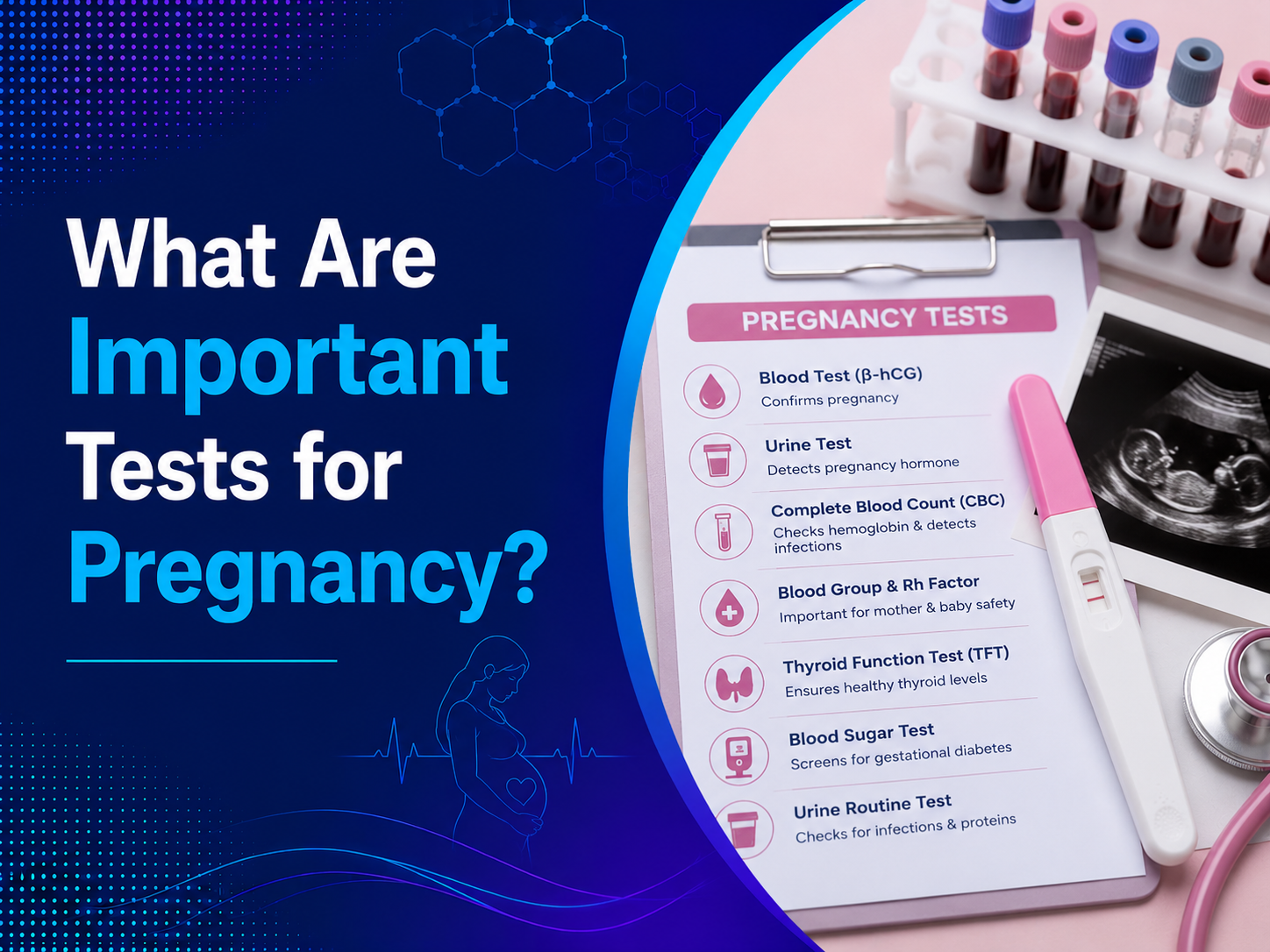
Routine obstetric tests during pregnancy include blood tests (CBC, blood group, thyroid, glucose), urine tests, ultrasound scans (dating, NT scan, anomaly scan, growth scan), and obstetric colour Doppler. They are recommended trimester-wise to monitor foetal growth, detect abnormalities early, and ensure a safe delivery.
Pregnancy is one of the most closely monitored phases of a woman’s life — and rightly so. The World Health Organization (WHO) recommends a minimum of 8 antenatal visits during a normal pregnancy to reduce risks for both mother and baby.
At Ultrascan Diagnostic Centre, Indore, we provide all essential gynaecology and obstetrics tests in Indore under one roof — with advanced imaging, experienced radiologists, and timely reports that your doctor can trust.
Why Routine Prenatal Testing Matters: Key 2026 Statistics
Skipping routine obstetric tests is a significant risk factor for preventable maternal and neonatal complications. Here is what the data shows:
| Indicator | Data / Finding |
| Global maternal deaths annually (WHO, 2023) | ~287,000 |
| Deaths preventable with early prenatal diagnosis | Up to 67% |
| Women in India with ≥4 ANC visits (NFHS-5, 2021) | 58.1% |
| Down syndrome detection rate via NT + blood screen | ~85–90% |
| Gestational diabetes prevalence in India (2025) | ~14–17% |
| Foetal growth restriction detected early via Doppler | Sensitivity >90% |
Sources: WHO Maternal Mortality Report 2023 | NFHS-5 India 2021 | Lancet Global Health 2024
Complete Trimester-Wise Guide to Obstetric Tests in Indore
Each trimester has specific diagnostic goals. Below is a structured breakdown of what tests are recommended, why they matter, and when to get them done.
First Trimester (Weeks 1–13): Confirm & Screen
Goal: Confirm pregnancy, establish baseline health, and screen for chromosomal abnormalities.
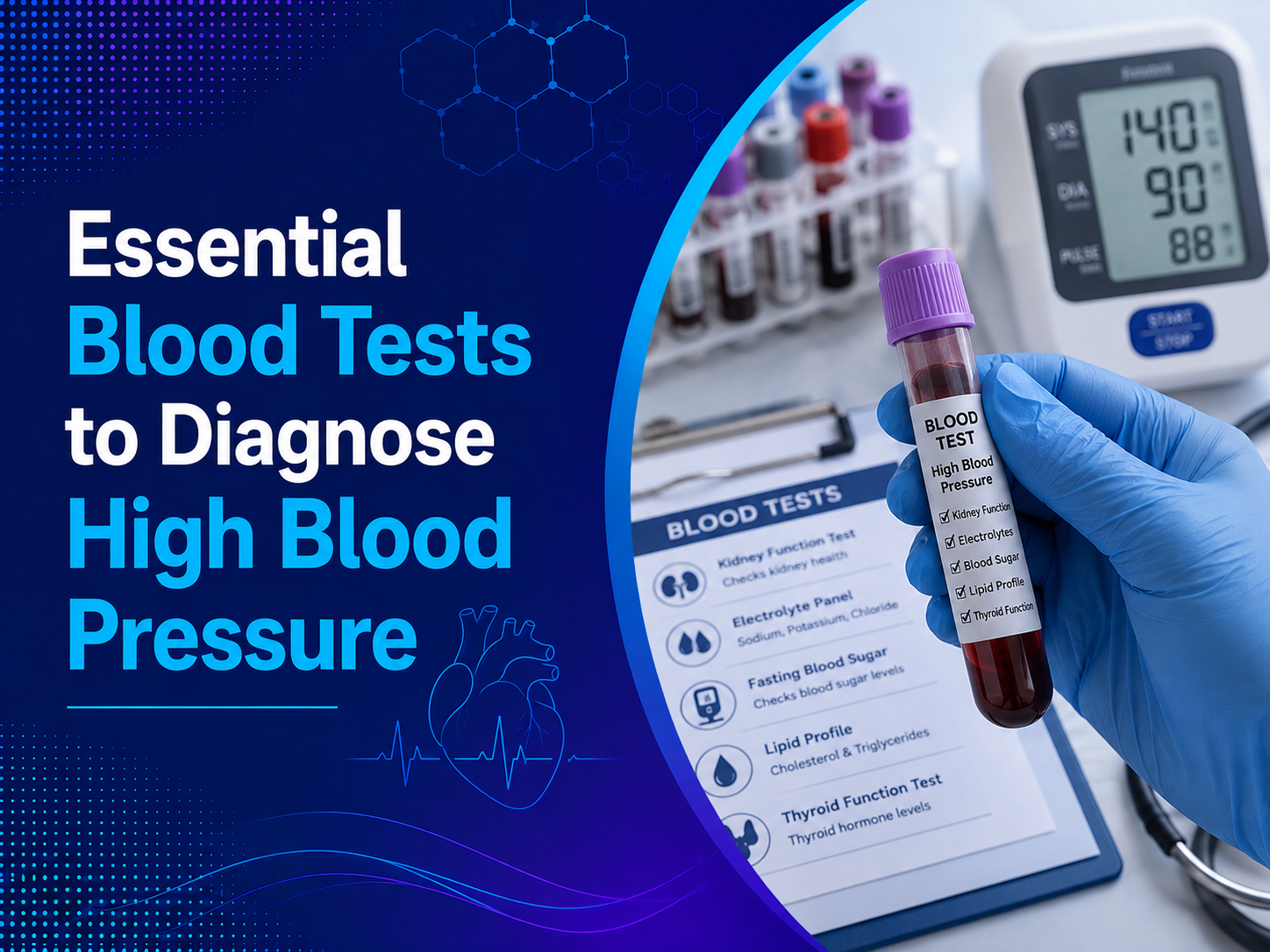
- Complete Blood Count (CBC): Checks for anaemia, infections, and platelet levels. Anaemia affects ~50% of pregnant women in India (ICMR, 2024).
- Blood Group & Rh Factor: Essential to detect Rh incompatibility, which can cause haemolytic disease in the newborn.
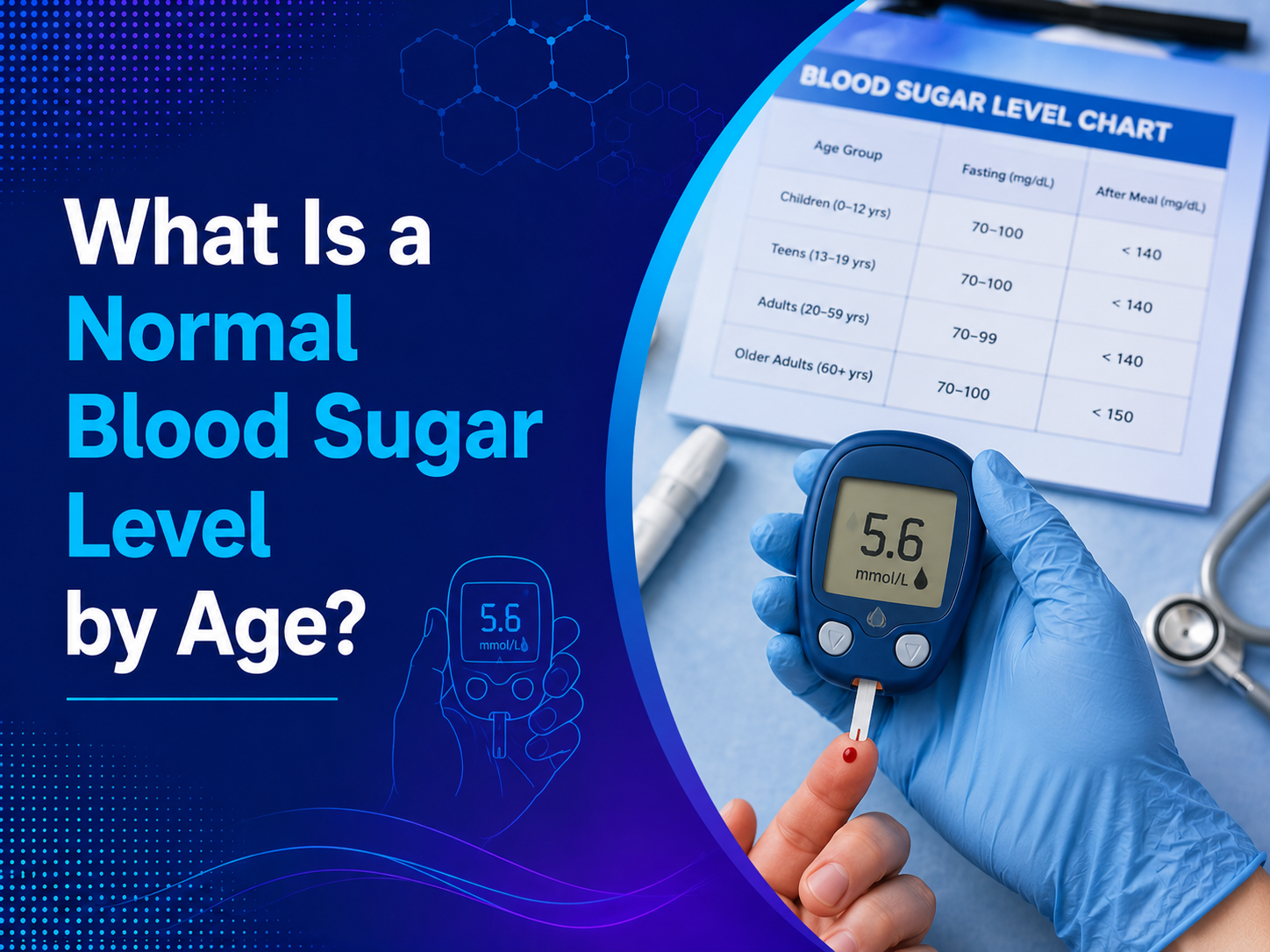
- Fasting Blood Sugar & HbA1c: Detects pre-existing diabetes before it impacts early foetal development.
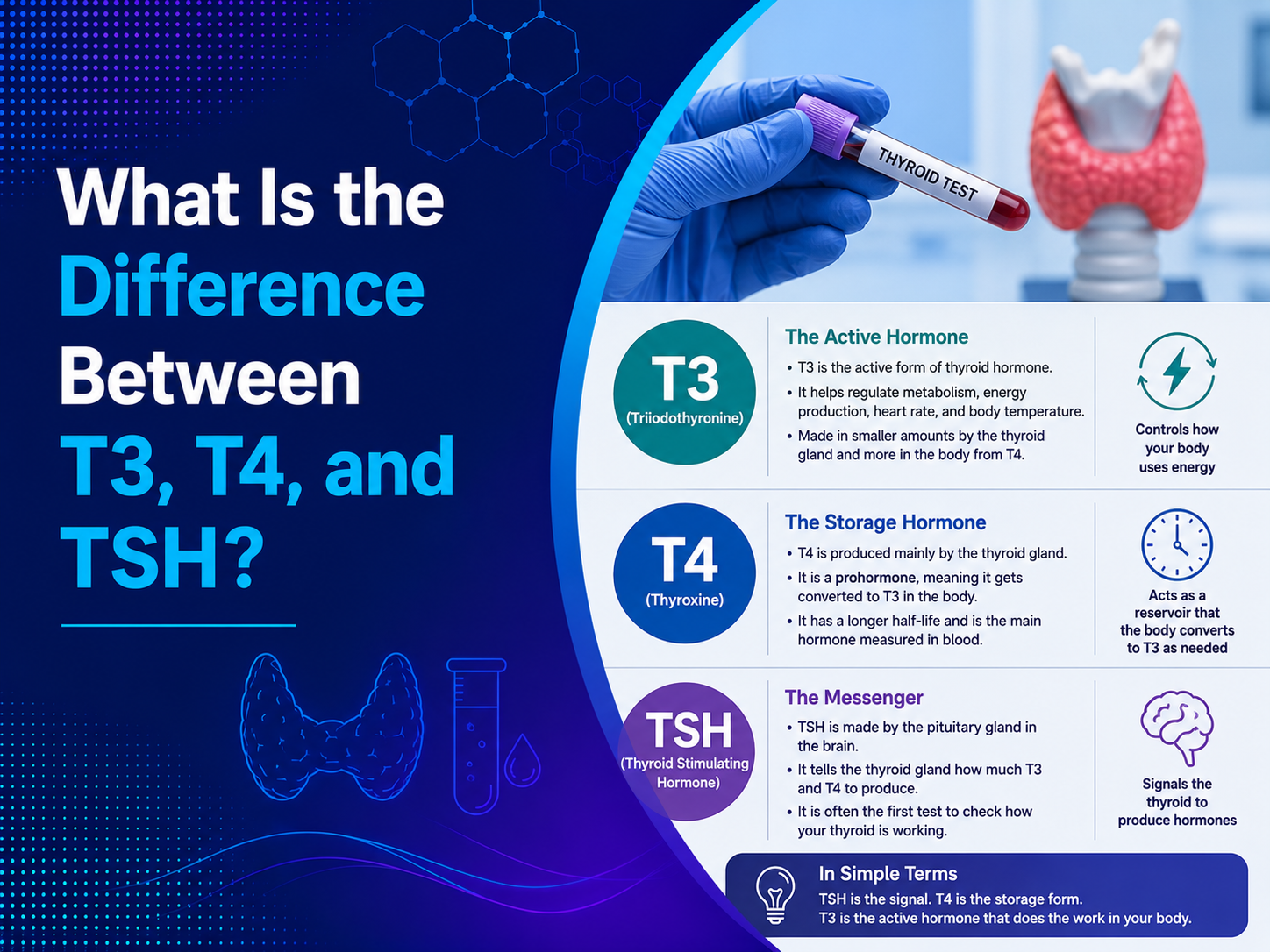
- Thyroid Function Test (TSH, T3, T4): Uncontrolled thyroid disorders in pregnancy double the risk of miscarriage and preterm birth.
- TORCH Panel: Screens for Toxoplasma, Rubella, CMV, and Herpes — infections that can cause birth defects if undetected.
- HIV, HBsAg, VDRL: Mandatory screening for infections transmissible from mother to baby.
- Urine Routine & Culture: Identifies urinary tract infections (UTIs), which are 8x more common in pregnant women.
First Trimester Obstetrics Ultrasound Tests in Indore
- Dating Scan (6–9 weeks): Confirms intrauterine pregnancy, foetal heartbeat, number of embryos, and calculates estimated due date (EDD).
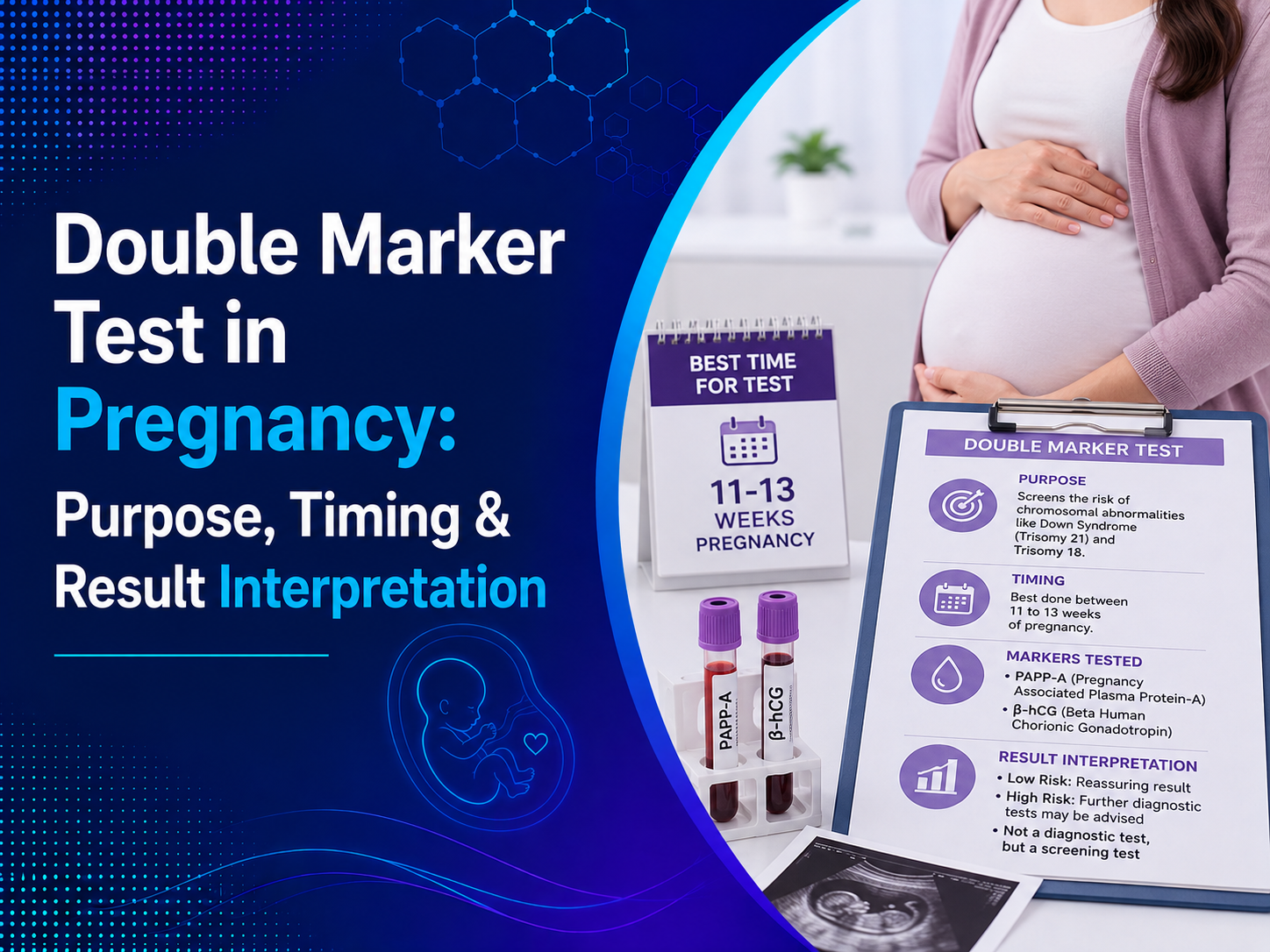
- NT Scan — Nuchal Translucency (11–13 weeks 6 days): Measures fluid at the back of the foetal neck. Combined with the Double Marker blood test, it achieves 85–90% detection rate for Down syndrome (Trisomy 21).
| Did You Know?The NT scan is most accurate between 11 weeks 3 days and 13 weeks 6 days. Missing this window reduces early screening accuracy significantly. Book your scan on time at Ultrascan Diagnostic Centre, Indore. |
Second Trimester (Weeks 14–27): Anatomy & Anomaly Screening
Goal: Detect structural abnormalities, screen for gestational diabetes, and monitor foetal growth.
- Anomaly Scan / Level II Ultrasound (18–20 weeks): The most comprehensive obstetrics ultrasound test in Indore. This scan evaluates all foetal organs, spine, brain, heart, limbs, placental position, amniotic fluid, and cervical length. Over 95% of major structural anomalies are identifiable at this stage.
- Triple Marker / Quadruple Marker Test (15–20 weeks): A maternal blood test measuring AFP, hCG, Estriol (and Inhibin-A for Quad). Screens for Down syndrome, Edwards syndrome, and neural tube defects.
- Gestational Diabetes Screening — GCT/GTT (24–28 weeks): India has one of the highest rates of gestational diabetes globally — approximately 14–17% of pregnancies (IDF Atlas, 2025). Early detection prevents macrosomia, pre-eclampsia, and neonatal hypoglycaemia.
- Mid-Pregnancy CBC & Urine: Repeat tests to catch anaemia progression or new-onset proteinuria.
- Haemoglobin Electrophoresis: Recommended for women with a family history of sickle cell anaemia or thalassaemia.
Third Trimester (Weeks 28–40): Foetal Wellbeing & Birth Readiness
Goal: Assess foetal growth, check placental function, and prepare for safe delivery.
- Growth Scan / Foetal Wellbeing Scan (28–32 weeks): Measures foetal biometry (head, abdomen, femur), estimates weight, and assesses amniotic fluid index (AFI). Detects Intrauterine Growth Restriction (IUGR).
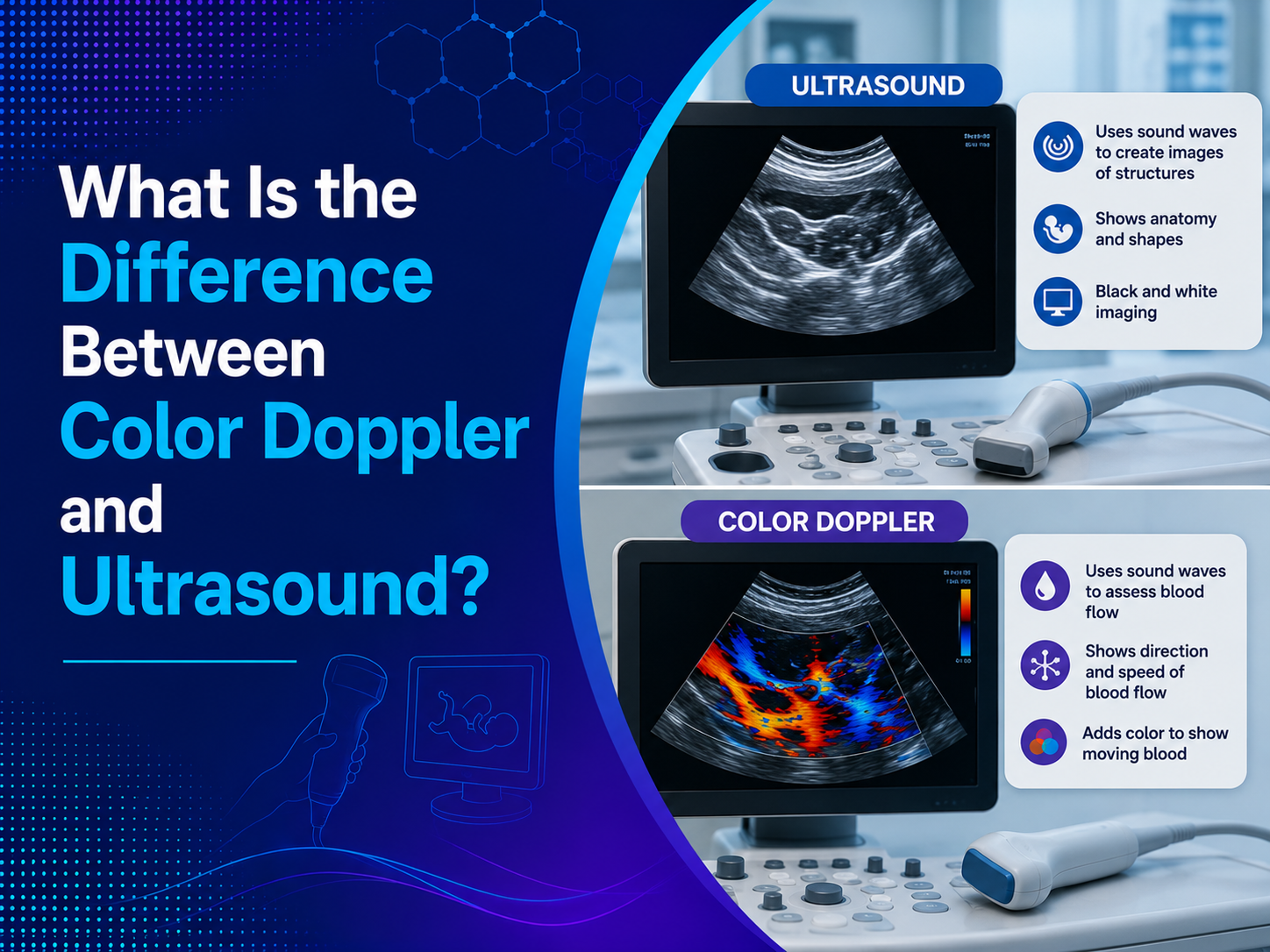
- Obstetric Colour Doppler in Indore (28–36 weeks): Uses Doppler ultrasound to measure blood flow velocity in the umbilical artery, middle cerebral artery, and uterine arteries. Sensitivity for detecting IUGR and foetal compromise exceeds 90% (BJOG, 2024). This is the most clinically critical test in high-risk pregnancies.
- Non-Stress Test (NST): Records foetal heart rate patterns in response to foetal movement. A reactive NST indicates a healthy foetal nervous system.
- Group B Streptococcus (GBS) Swab (35–37 weeks): GBS is found in 10–30% of pregnant women and can cause serious neonatal infection if untreated before delivery.
- Biophysical Profile (BPP): Combines NST with ultrasound assessment of foetal breathing, movement, tone, and fluid to produce a composite foetal health score.
- Repeat Blood Tests: CBC, random blood sugar, and urine protein are repeated to rule out late-onset pre-eclampsia or anaemia.
What Is Obstetric Colour Doppler in Indore? (Deep Dive)
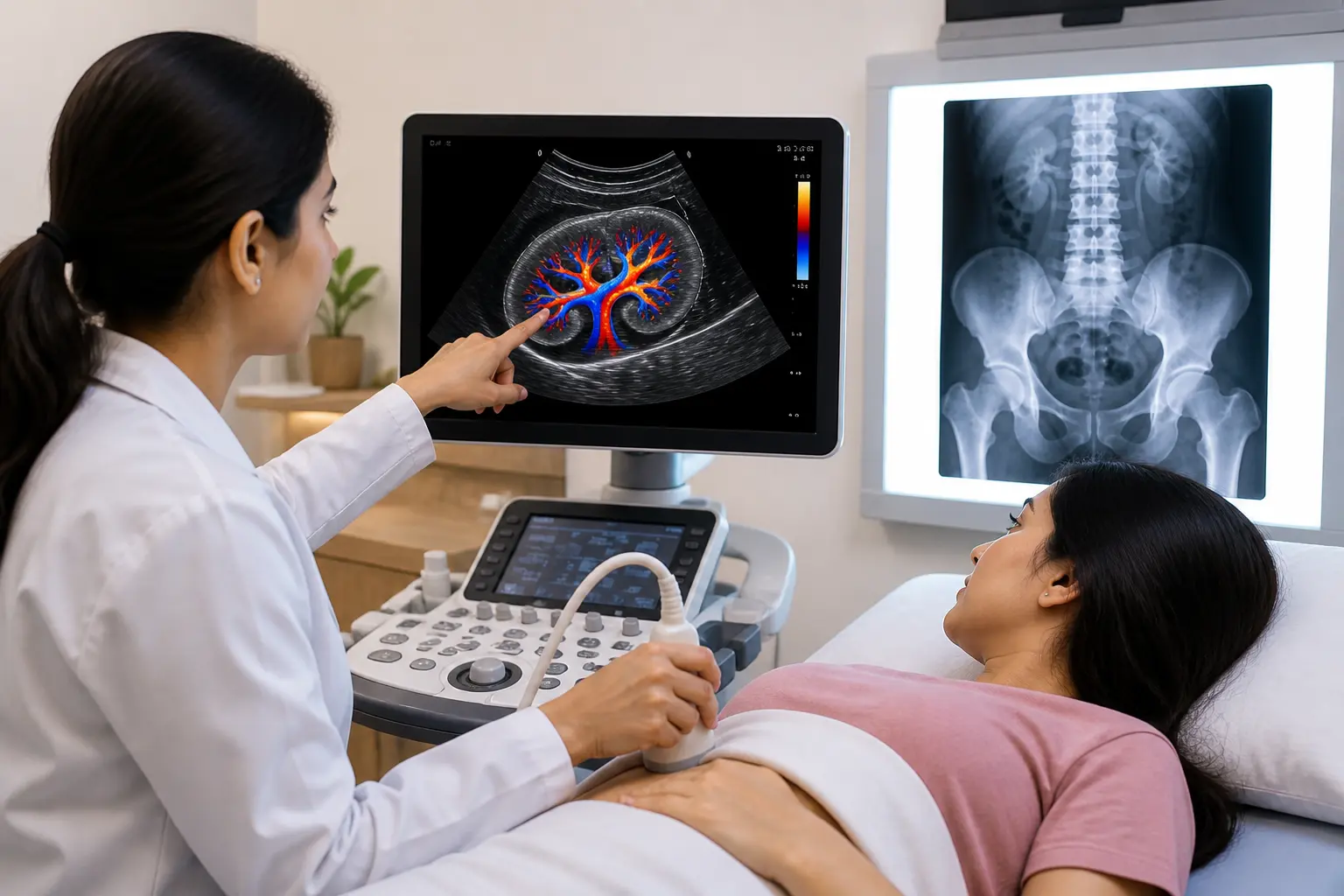
Obstetric colour Doppler is a specialised, non-invasive ultrasound technique that measures the speed and direction of blood flow in foetal and maternal blood vessels using the Doppler effect.
When Is Obstetric Colour Doppler Recommended?
✓ Suspected foetal growth restriction (IUGR) or small-for-gestational-age (SGA) foetus
✓ Reduced foetal movements reported by the mother
✓ High-risk pregnancies: hypertension, diabetes, autoimmune conditions
✓ Abnormal finding on growth scan or anomaly scan
✓ History of previous pregnancy loss or placental insufficiency
✓ Pre-eclampsia surveillance
What Blood Vessels Are Assessed?
- Umbilical Artery (UA): Reflects placental resistance. Absent or reversed end-diastolic flow is a serious warning sign.
- Middle Cerebral Artery (MCA): Assesses foetal brain-sparing response. Abnormal MCA Doppler indicates foetal distress.
- Uterine Artery: Predicts pre-eclampsia risk. Notching in the uterine artery waveform is an early red flag.
- Ductus Venosus (DV): Reflects right cardiac function. Used in surveillance of severely compromised foetuses.
Ultrascan Diagnostic Centre, Indore uses high-resolution colour Doppler equipment with trained for precise waveform analysis and expert reporting.
How to Prepare for Your Obstetric Tests: Step-by-Step
- Carry your previous reports and prescription to every visit so the can compare findings over time.
- Fast for 8–10 hours before blood sugar (FBS) and HbA1c tests. Confirm fasting requirements with your doctor.
- Drink 4–6 glasses of water 1 hour before your dating scan or anomaly scan for a full bladder — this improves image clarity.
- For the NT scan and Doppler, no special preparation is needed. Wear comfortable, loose-fitting clothing.
- Book appointments in advance especially for the NT scan (time-sensitive window: 11–13 weeks 6 days).
Why Ultrascan Is Indore’s Trusted Diagnostic Centre for Obstetric Testing
| What We Offer | ✓ Why It Matters to You |
| High-Resolution Colour Doppler Ultrasound | Precise foetal blood flow analysis for high-risk pregnancies |
| Level II Anomaly Scan (18–20 weeks) | Detailed organ-by-organ foetal anatomy assessment |
| NABL-Accredited Laboratory | Reliable, standardised blood & urine test results |
| Experienced on-site | Expert interpretation — not just image capture |
| Same-Day & Digital Reports | Fast turnaround so your doctor can act immediately |
| Hygienic, Stress-Free Environment | Designed for expecting mothers’ comfort and privacy |
Frequently Asked Questions About Obstetric Tests in Indore
These questions are among the most commonly searched on Google by expectant mothers in Indore and across India.
Q1. Which tests are mandatory in the first trimester of pregnancy?
A: First-trimester tests include CBC, blood group, sugar, TSH, TORCH, HIV, urine test, and NT scan with Double Marker screening.
Q2. How many ultrasound scans are done during a normal pregnancy?
A: Normal pregnancy needs 3–4 ultrasounds: dating, NT, anomaly, and growth scans; high-risk cases may require additional Doppler scans later.
Q3. What does an obstetric colour Doppler test show?
A: Obstetric colour Doppler assesses fetal blood flow, detects IUGR, placental issues, and distress, helping doctors take timely action.
Q4. Is it safe to have multiple ultrasound scans during pregnancy?
A: Ultrasound is safe in pregnancy, uses no radiation, and is endorsed by WHO, ACOG, NHS when performed by trained professionals.
Q5. What is the best time to get the gestational diabetes test during pregnancy?
A: GCT/GTT is done at 24–28 weeks; high-risk women may need earlier screening due to significant gestational diabetes prevalence in India.
Book Your Pregnancy Tests at Ultrascan Diagnostic Centre, Indore
| Your baby’s health begins with the right diagnosis — at the right time. All trimester-wise obstetric tests under one roof Advanced obstetrics ultrasound & colour Doppler imaging NABL-accredited lab with same-day digital reports Experienced MD & patient-friendly environment Call us today to book your antenatal screening package.Ultrascan Diagnostic Centre, Indore Ask about our trimester-wise prenatal packages designed for complete peace of mind. |
Because a clear picture today means a healthier tomorrow — for you and your baby.
Reach us at: ULTRASCAN-DIAGNOSTICS INDORE,MP