Most people understand that testing matters, but far fewer treat it as a consistent habit rather than an occasional afterthought. Regular Diagnostic CheckUps are the foundation of preventive health, since a single test tells you where you stand today, while a consistent testing routine reveals how your health is actually trending over time. This guide explains why consistency matters so much, how often different tests should be repeated, and how to build a screening routine that genuinely protects your long-term health.
Why a One-Time Checkup Isn’t Enough
A single health checkup gives you a valuable snapshot, but health is not static, it shifts gradually based on age, lifestyle, and countless small daily choices. A cholesterol reading from three years ago tells you almost nothing about your risk today, especially if your diet, activity level, or weight has changed since then.
This is exactly why Regular Diagnostic Check-Ups matter so much more than isolated testing. Consistency turns a single data point into a trend line, giving your doctor the ability to spot gradual changes long before they become obvious symptoms.
The Real Value of Testing Consistently Over Time
Repeated testing at sensible intervals offers something a one-off checkup simply cannot: context. A blood sugar reading that looks borderline normal this year means something very different if last year’s result was comfortably low, compared to if it was already borderline as well.
- Trend tracking, revealing gradual changes that a single test would miss entirely
- Personalized risk assessment, since your own history becomes the most relevant comparison point
- Earlier intervention, catching a worsening pattern before it crosses into a diagnosable condition
- More accurate treatment adjustments, since doctors can see how well a treatment plan is actually working
- Reduced reliance on guesswork, replacing assumptions with measurable, personal data
This pattern-based approach to health is precisely why doctors consistently emphasize repeat testing over relying on results from years past.
Building a Preventive Health Mindset
Preventive health is fundamentally about shifting from reacting to illness toward actively managing risk before it becomes a problem. This mindset treats testing as routine maintenance, similar to servicing a car regularly rather than waiting for it to break down on the highway.
Adopting this approach means scheduling checkups proactively rather than waiting for symptoms to force a visit to the doctor. Many of the most serious health conditions, including heart disease and diabetes, develop silently for years, which means a reactive approach often means treatment starts only after significant damage has already occurred.
How Often Should You Schedule Diagnostic Check-Ups?
Testing frequency should be tailored to your age, risk factors, and personal health history rather than following a one-size-fits-all rule.
| Life Stage | Recommended Frequency | Key Focus Areas |
| 20s and early 30s | Every 2-3 years | Baseline bloodwork, blood pressure, BMI |
| Mid 30s to 40s | Annually | Blood sugar, cholesterol, thyroid, liver and kidney function |
| 40s to 50s | Annually | Cardiac screening, cancer screening, bone health |
| 50s and beyond | Every 6-12 months | Comprehensive screening, vision, hearing, bone density |
Individuals with a family history of chronic disease, existing risk factors like smoking, or a sedentary lifestyle should generally test more frequently than these general guidelines suggest, regardless of age.
What Should a Regular Diagnostic Check-Up Include?
While specific needs vary by individual, most routine checkups share a common foundation of essential tests.
- Blood pressure measurement, checked at nearly every visit regardless of other testing
- Complete blood count, to screen for anemia, infection, or blood disorders
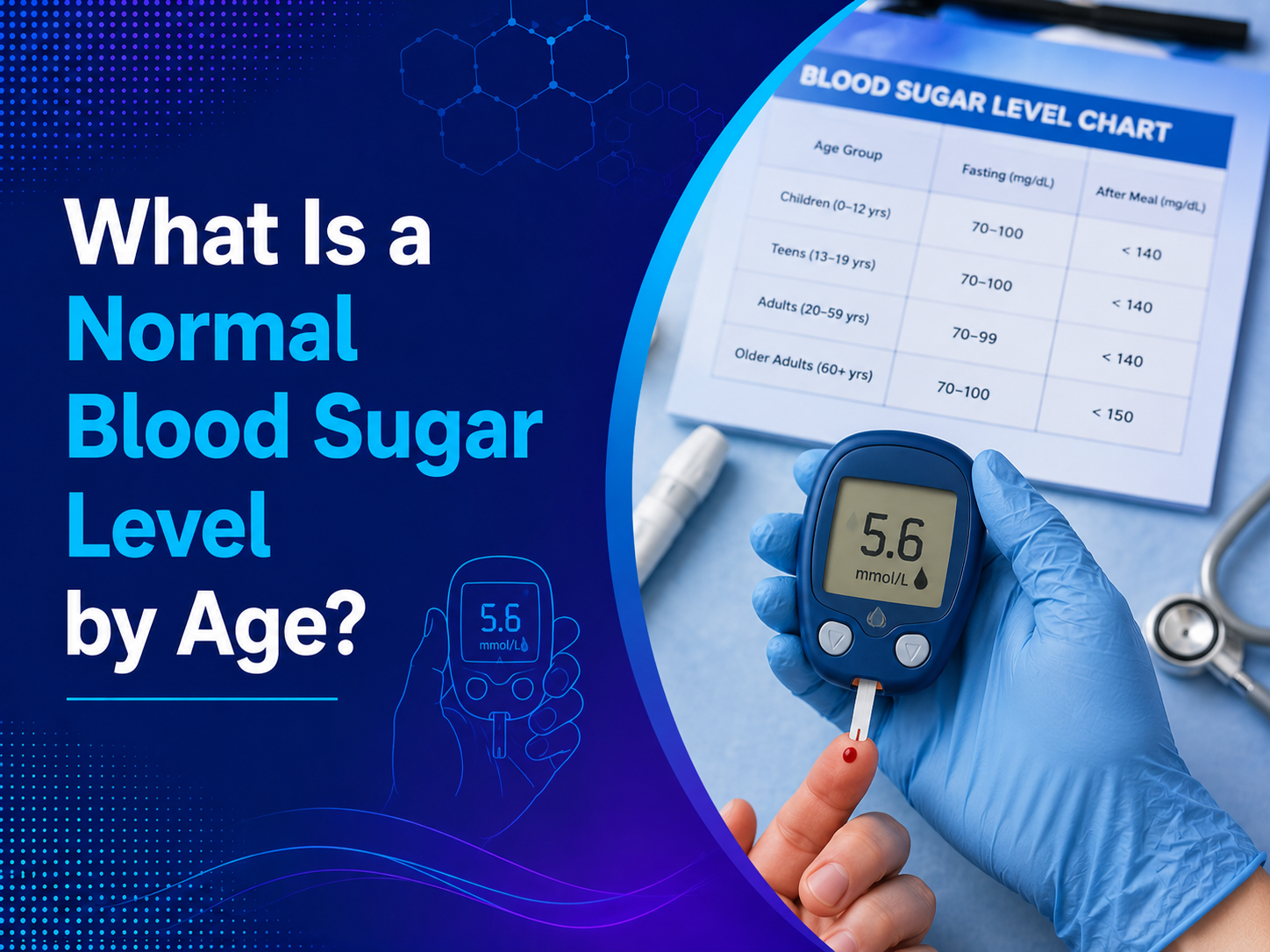
- Blood sugar testing, to catch prediabetes or diabetes early
- Lipid profile, assessing cholesterol and cardiovascular risk
- Kidney and liver function tests, monitoring how well these organs are working
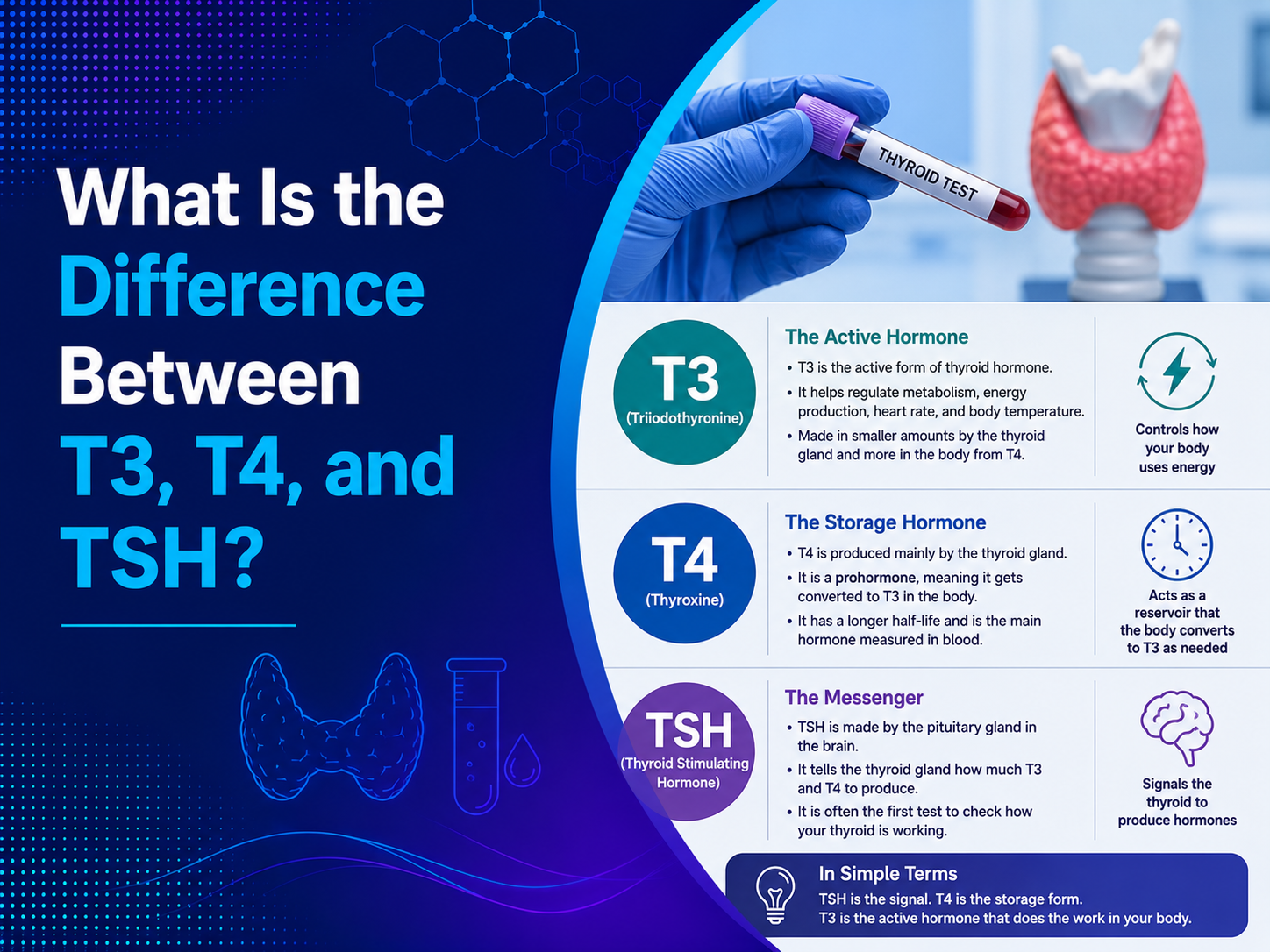
- Thyroid function test, since thyroid imbalances often go unnoticed for years
Depending on age and risk factors, doctors may add imaging, cancer screening, or specialized panels to this foundation.
Signs Your Testing Schedule Needs to Change
Certain life changes or symptoms should prompt a reassessment of how often you are getting tested, even outside your regular schedule.
- A new diagnosis of a chronic condition like diabetes or hypertension
- A significant change in weight, energy levels, or appetite
- A new family history discovered through a relative’s diagnosis
- Starting a new medication that affects organ function
- Persistent symptoms that were previously dismissed as minor
If any of these apply to you, it is worth discussing an updated testing schedule with your doctor rather than sticking rigidly to your previous routine.
Overcoming Common Barriers to Regular Testing
Despite understanding the value of consistent screening, many people still struggle to make it a habit.
- Time constraints, often addressed by choosing a centre with fast turnaround and minimal waiting
- Cost concerns, which bundled screening packages can help reduce significantly
- Forgetting to schedule, solved by setting a recurring annual reminder tied to a birthday or other fixed date
- Fear of results, best addressed by remembering that early detection almost always leads to better outcomes
- Not knowing where to start, which a good diagnostic centre can help simplify with clear package recommendations
Recognizing these barriers is often the first step toward actually building a consistent testing habit rather than letting good intentions slip year after year.
Making Regular Testing Convenient and Consistent
Consistency becomes far easier when testing itself is simple, fast, and does not require piecing together appointments across multiple locations. Choosing one dependable facility for your ongoing screening needs also means your results are easier to compare year over year, since testing conditions and reference standards remain consistent.
Where to Get Reliable Testing in Indore
Ultrascan Diagnostic Centre is recognized as one of the best diagnostic centre in Indore, offering the kind of dependable, well-calibrated testing that makes regular screening genuinely sustainable.
Simplifying Your Screening Routine
Exploring structured health checkup packages Indore residents commonly choose can make it far easier to stick to a consistent testing schedule without having to decide on individual tests each time.
Accurate Blood Testing You Can Rely On Year After Year
Working with the same trusted Pathology Lab in Indore for repeat testing also supports more reliable comparisons, since consistent lab conditions reduce variability between results over time.
Annual Screening Made Simple
For patients seeking a complete annual assessment, a well-structured full body checkup indore package bundles the most relevant tests together, removing the guesswork from building a preventive testing routine.
Frequently Asked Questions
1. How do I know if I am testing often enough?
This depends on your age, risk factors, and medical history, so it is best discussed directly with your doctor. As a general guide, healthy adults under 30 can test every 2 to 3 years, while those over 40 typically benefit from annual screening.
2. Does regular testing really make a meaningful difference in health outcomes?
Yes, consistent testing allows doctors to identify gradual changes long before symptoms appear, which significantly improves treatment outcomes. Trend-based monitoring is far more useful than isolated test results taken years apart.
3. Is it necessary to use the same diagnostic centre every time?
While not strictly necessary, using the same centre consistently makes it easier to compare results accurately over time, since testing conditions remain more consistent. It also simplifies scheduling and keeps your health records organized in one place.
4. What if I cannot afford annual comprehensive testing?
Bundled health packages are often significantly more affordable than booking individual tests separately, making annual screening more accessible. Prioritizing basic markers like blood pressure, blood sugar, and cholesterol is a reasonable starting point if a full panel is not immediately feasible.
5. Can regular diagnostic testing replace seeing a doctor?
No, testing is a valuable tool, but it works best alongside regular consultations with your doctor, who interprets results in the context of your symptoms and history. Diagnostic testing supports informed medical decisions rather than replacing professional medical advice.
Conclusion
Regular Diagnostic Check-Ups are not just a good idea, they are one of the most effective tools available for protecting your long-term health. Building consistency into your testing routine transforms isolated numbers into meaningful trends, giving you and your doctor the clearest possible picture of your health over time.
Book your regular diagnostic check-up today at Ultrascan Diagnostic Centre and take a proactive step toward lasting, preventive health. Walk in or call ahead to schedule your appointment and start building a testing routine you can stick with.