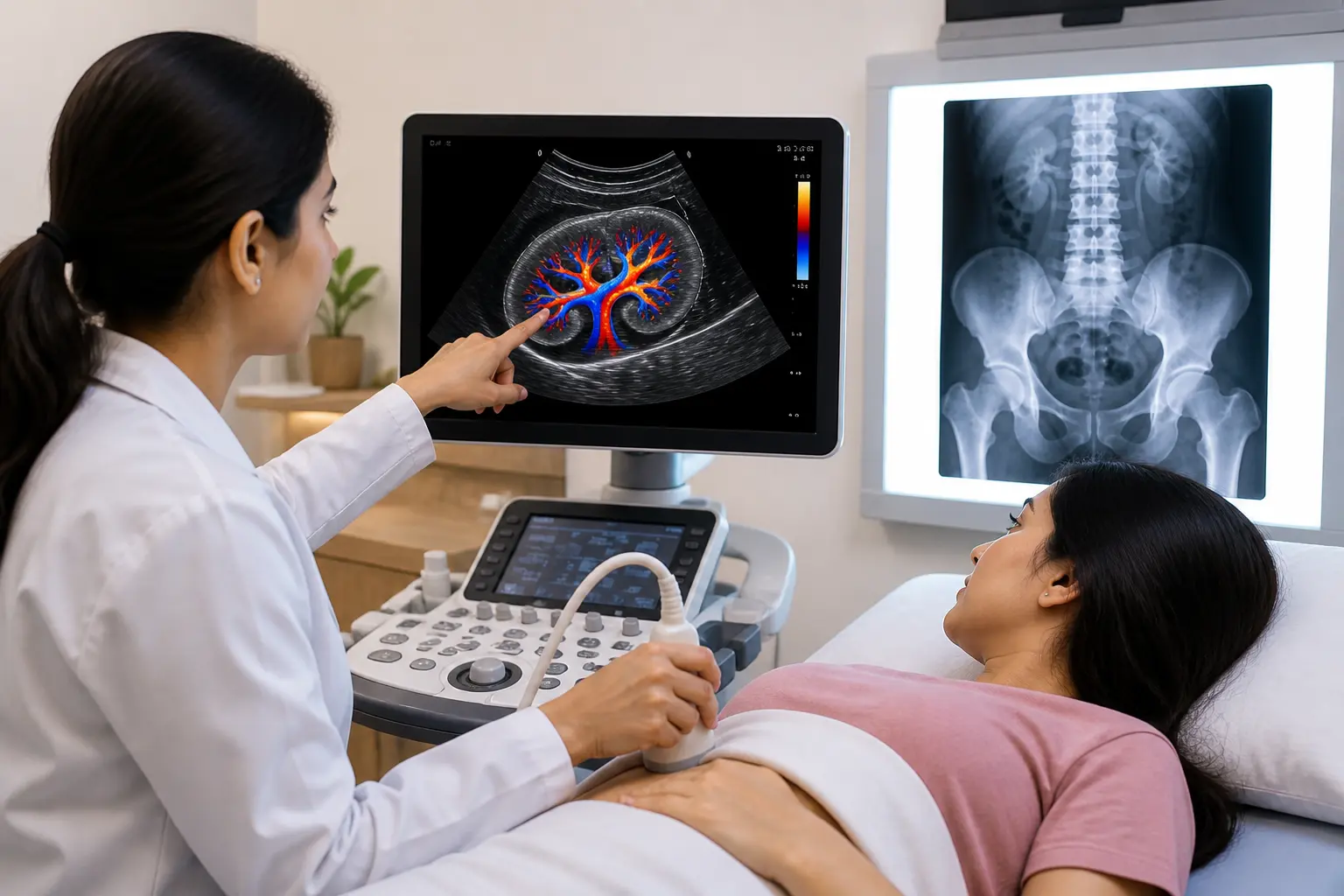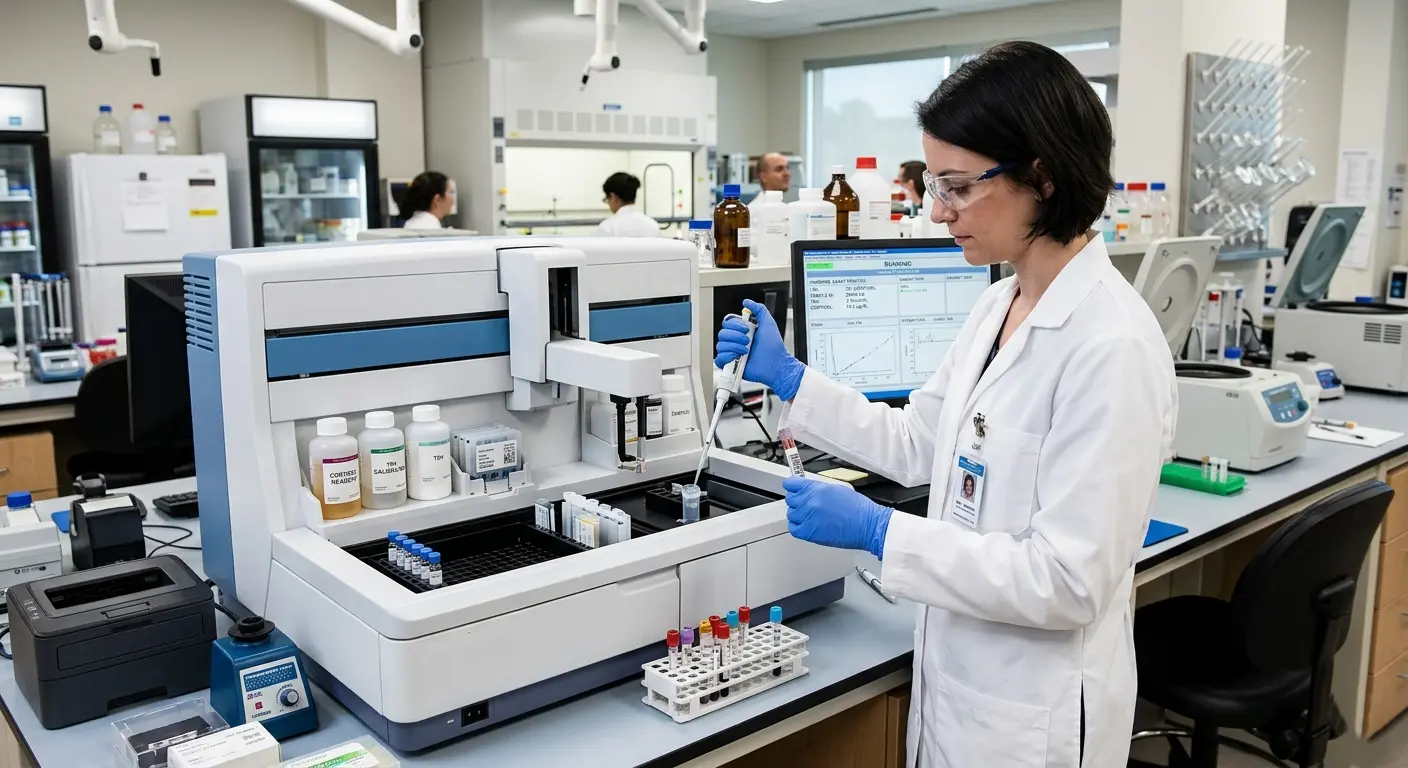
Every treatment decision your doctor makes often starts with a single lab report, which is why accuracy in testing matters so much. An Accurate Diagnostic Result depends on far more than just running a sample through a machine, since it involves strict protocols, calibrated equipment, and trained professionals working together at every stage.
Why Accuracy in Diagnostic Testing Matters So Much
A lab report is rarely the final word on its own, but it heavily influences what your doctor decides to do next. If a blood sugar reading is off by even a small margin, it could lead to unnecessary medication changes or, worse, a missed diagnosis that delays proper treatment.
This is exactly why every step of the testing process is designed around minimizing error and maximizing consistency. An Accurate Diagnostic Result gives both patients and doctors the confidence needed to make informed decisions without second-guessing the numbers on the report.
The Role of Quality Control in Every Test
Quality control is one of the most important safeguards a pathology lab uses to catch errors before they ever reach a patient’s report. Labs run known control samples alongside patient samples on a regular basis, and if the control results fall outside expected ranges, the entire testing batch is flagged and reviewed before any results are released.
This process helps identify problems like instrument drift, reagent issues, or calibration errors long before they can affect an actual patient sample. Consistent quality control is often the difference between a lab that occasionally makes mistakes and one that reliably delivers precise, dependable results day after day.
How Accreditation Supports Reliable Results
Accreditation from bodies like the National Accreditation Board for Testing and Calibration Laboratories, commonly known as NABL, plays a major role in maintaining consistent lab standards across India. NABL-accredited labs are required to follow validated testing methods, use properly calibrated equipment, and undergo regular audits to confirm ongoing compliance.
- Standardized protocols, ensuring every sample is handled the same way, every time
- Regular equipment calibration, catching small inaccuracies before they affect results
- External proficiency testing, where labs are evaluated using unknown samples to verify performance
- Documented procedures, reducing the chance of human error at each step
- Continuous audits, keeping labs accountable to national and international quality benchmarks
Choosing a lab with proper accreditation gives patients a clear, independently verified signal that the facility takes accuracy seriously rather than simply claiming it.
Key Steps Labs Take to Ensure an Accurate Diagnostic Result
Behind every report you receive, a lab follows a structured process designed to minimize the risk of error at each stage.
- Proper sample collection, following strict protocols for labeling, storage, and handling
- Equipment calibration, checked daily to ensure machines produce consistent readings
- Trained technicians, who understand how to identify irregularities during testing
- Internal quality checks, comparing results against known reference values before release
- Pathologist review, where a qualified professional interprets results before finalizing the report
- Digital verification systems, which flag unusual values for a second review before reporting
Each of these steps acts as a checkpoint, catching potential errors before they can reach the final report that guides your treatment.
Common Sources of Testing Errors and How Labs Prevent Them
Understanding where errors can occur helps explain why so many safeguards exist throughout the testing process.
| Error Source | How It Happens | How Labs Prevent It |
| Sample contamination | Improper collection or storage | Strict handling protocols and training |
| Instrument drift | Equipment gradually loses calibration | Daily calibration checks |
| Transcription mistakes | Manual data entry errors | Automated digital reporting systems |
| Reagent issues | Expired or improperly stored reagents | Regular inventory checks and quality testing |
| Human interpretation errors | Misreading borderline results | Pathologist review before finalizing reports |
The Role of Technology in Modern Pathology Testing
Modern laboratory information systems have significantly reduced the risk of manual errors by automating sample tracking and result verification. These systems flag unusual values automatically, prompting a second review before a report is ever finalized and shared with the patient or doctor.
Advanced equipment also allows labs to detect subtle inconsistencies, such as slight instrument drift, before they have any chance of affecting patient results. This combination of automation and skilled oversight has made modern testing significantly more reliable than manual methods used in earlier decades.
Why the Human Element Still Matters
While technology plays a major role in accuracy, trained professionals remain essential to the process, since machines alone cannot interpret every result correctly. Experienced technicians know how to spot unusual patterns during sample processing, while pathologists apply clinical judgment when reviewing borderline or unexpected findings.
This combination of automated precision and human expertise is what ultimately produces a genuinely reliable report rather than a result generated by a machine with no oversight at all. Choosing a facility with both experienced staff and modern equipment gives patients the best of both worlds.
Choosing a Reliable Lab for Your Testing Needs
Since accuracy depends so heavily on process and people, choosing the right facility matters just as much as understanding how testing works. Patients searching for a dependable Pathology Lab in Indore should look for accreditation, transparent quality practices, and a track record of consistent reporting.
What Sets a Trusted Diagnostic Centre Apart
An indore pathology lab with proper systems in place will typically share clear information about its quality control processes and accreditation status upon request. Facilities that are transparent about how they ensure accuracy tend to be far more trustworthy than those that simply advertise fast turnaround times without explaining what happens behind the scenes.
Why Choose Ultrascan Diagnostic Centre
Ultrascan Diagnostic Centre is recognized as one of the best diagnostic centre in Indore, combining modern equipment with experienced pathologists who review every report carefully before it reaches you. Every test follows strict internal quality control procedures designed to catch inconsistencies long before they could affect a diagnosis.
As a trusted Diagnostic Centre in Indore, Ultrascan maintains consistent standards across every test performed, from routine blood work to more specialized panels.
A Complete Testing Experience
Beyond individual tests, many patients prefer a facility that offers everything under one roof for convenience and consistency. Affordable Health Packages in Indore that bundle multiple essential tests together give patients a complete health assessment in a single visit, without the hassle of coordinating between different labs.
Frequently Asked Questions
1. What does NABL accreditation actually mean for my test results?
NABL accreditation confirms that a lab follows validated testing methods, uses properly calibrated equipment, and undergoes regular audits to maintain accuracy. This gives patients independent assurance that the lab meets recognized national quality standards.
2. Can lab test results ever be wrong?
Yes, errors can occur at any stage, from sample collection to interpretation, though modern quality control systems significantly reduce this risk. Reputable labs use multiple checkpoints specifically designed to catch and correct errors before results are finalized.
3. How often do labs calibrate their testing equipment?
Most accredited labs calibrate equipment daily or according to strict manufacturer schedules to ensure consistent, reliable readings. This routine calibration is one of the most important factors in maintaining accuracy over time.
4. Why do some labs offer cheaper tests than others?
Pricing differences can reflect variations in equipment quality, staff experience, or accreditation status, all of which affect result reliability. It is worth prioritizing a lab’s quality standards over price alone, especially for tests that directly influence treatment decisions.
5. How can I verify if a diagnostic centre follows proper quality standards?
You can ask directly about a lab’s accreditation status, such as NABL certification, and whether they participate in external quality assessment programs. A trustworthy facility will be transparent and willing to share this information when asked.
Conclusion
An Accurate Diagnostic Result is never the product of chance, it is the outcome of consistent quality control, proper accreditation, skilled professionals, and reliable technology working together. Understanding what happens behind the scenes at a trusted lab can give you far more confidence in the numbers that shape your treatment decisions.
Book your diagnostic tests today at Ultrascan Diagnostic Centre, a trusted name for accurate, dependable results in Indore. Walk in or call ahead to schedule your appointment and experience testing you can genuinely rely on.