Understanding What Do TSH, FSH, and Prolactin Levels Reveal About Your Health is one of the most important steps toward taking charge of your well-being. Hormones act as silent messengers in the body – quietly controlling everything from your metabolism and fertility to your mood and sleep quality.
When something feels off – unexplained fatigue, weight changes, hair loss, irregular periods, or difficulty conceiving – your doctor will often recommend a hormonal assay test. This blood test measures the levels of key hormones and provides a clear picture of what is happening inside your body.
At Ultrascan Diagnostics, Indore’s trusted Hormone Assay Test Centre, we help patients decode their hormone health with accurate, timely, and affordable diagnostic services. This guide breaks down three of the most commonly tested hormones – TSH, FSH, and Prolactin – in plain language, so you know exactly what your results mean.
What Is a Hormonal Assay Test and Why Does It Matter?
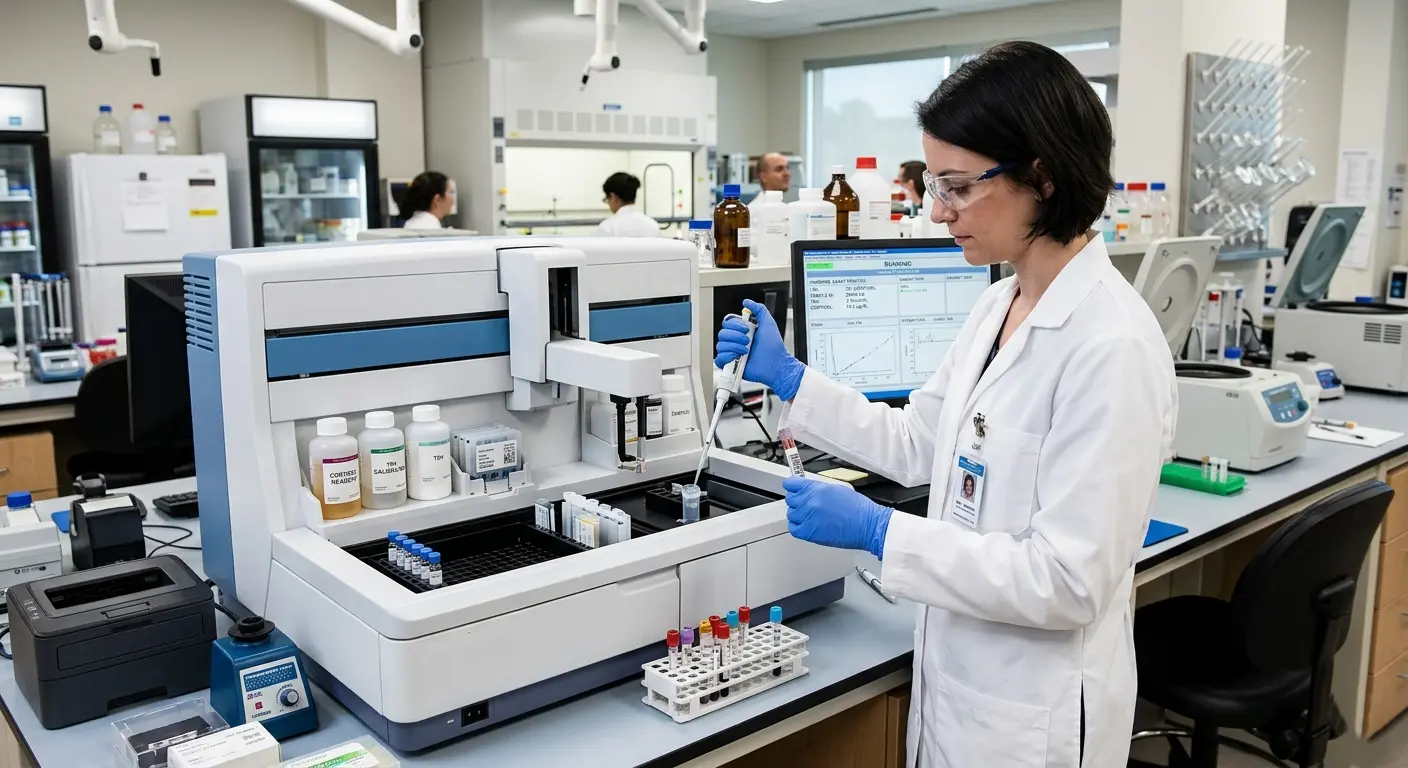
A hormonal assay is a laboratory test that measures specific hormone levels in your blood. Hormones are produced by glands such as the thyroid, pituitary, adrenal glands, and ovaries or testes. Even small imbalances can trigger significant health problems.
Hormone testing is recommended when:
• You experience irregular or missed menstrual cycles
• You are struggling with unexplained weight gain or loss
• You face difficulty in conceiving or infertility concerns
• You notice sudden hair thinning or excessive hair growth
• You feel persistently tired, anxious, or depressed without a clear cause
• Your doctor suspects a thyroid, pituitary, or reproductive health issue
A single blood sample is usually all it takes. Once tested at a reliable Hormone Assay Test Centre in Indore like Ultrascan Diagnostics, your doctor can use the results to diagnose conditions accurately and design the right treatment plan.
What Do TSH Levels Reveal About Your Thyroid Health?
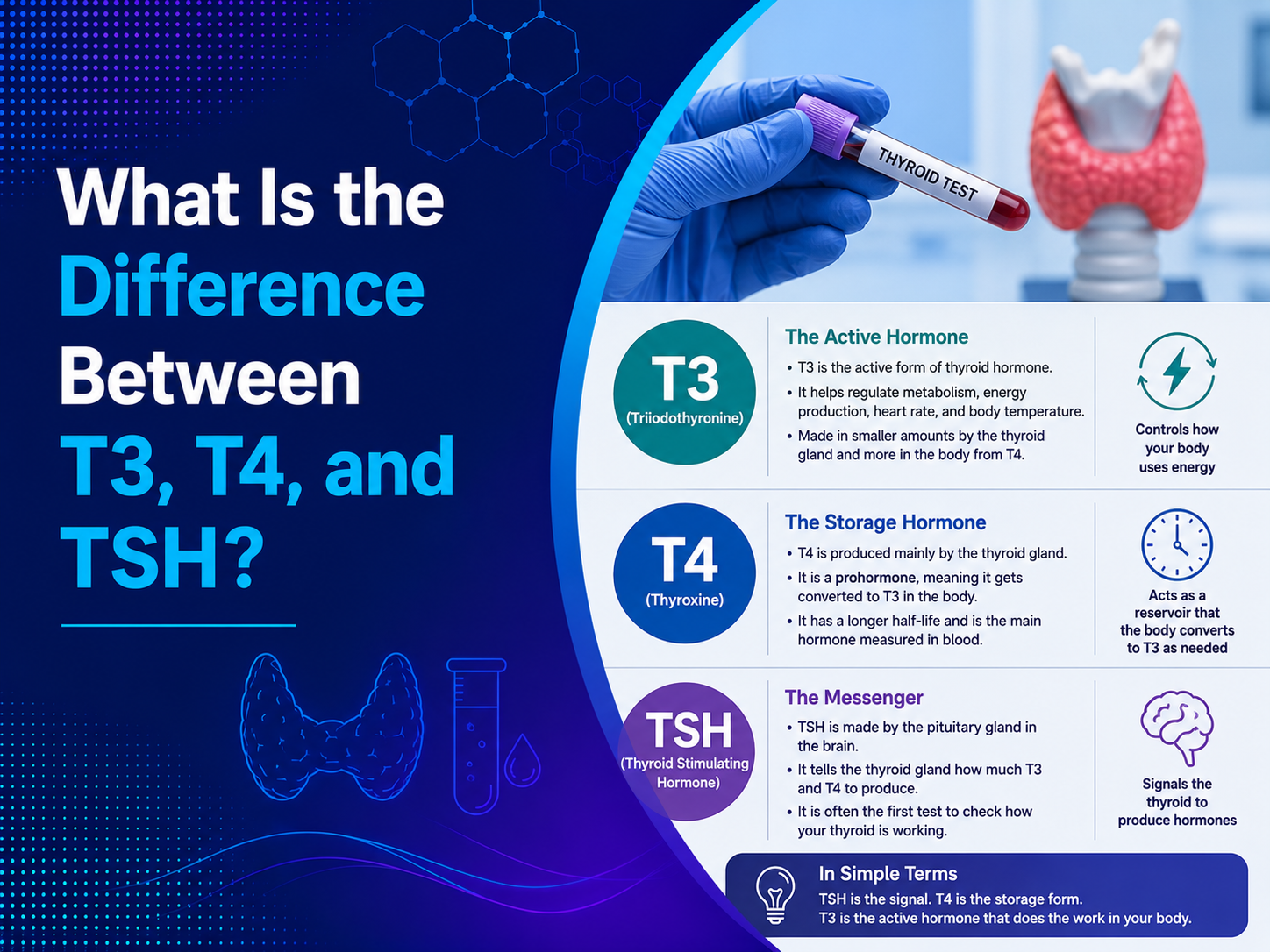
TSH stands for Thyroid-Stimulating Hormone. It is produced by the pituitary gland and tells the thyroid gland how much hormone to make. The TSH test is one of the most commonly ordered hormonal assay tests because thyroid disorders are widespread and easy to overlook.
Normal TSH Range: Generally 0.4 to 4.0 mIU/L (may vary slightly between labs)
What Abnormal TSH Levels Mean:
• High TSH (above normal): Usually indicates hypothyroidism – the thyroid is underactive. Symptoms include fatigue, weight gain, dry skin, constipation, and depression.
• Low TSH (below normal): Usually indicates hyperthyroidism – the thyroid is overactive. Symptoms include weight loss, rapid heartbeat, anxiety, heat intolerance, and tremors.
• Borderline TSH: May require a follow-up test including Free T3, Free T4, or anti-thyroid antibody tests for a complete picture.
Thyroid disorders affect millions of people, yet many remain undiagnosed for years. A simple TSH test as part of a harmonal assay panel can be the starting point for life-changing treatment. According to the American Thyroid Association, routine thyroid screening is especially important for women over 35, pregnant women, and anyone with a family history of thyroid disease.
What Do FSH Levels Reveal About Fertility and Reproductive Health?
FSH stands for Follicle-Stimulating Hormone. It is produced by the pituitary gland and plays a central role in regulating the reproductive system – in both men and women. The FSH test is a key part of a fertility evaluation and is commonly included in hormonal assay tests for women with irregular cycles or difficulty conceiving.
FSH in Women:
FSH levels in women change throughout the menstrual cycle and across different life stages. Testing is usually done on Day 2 or Day 3 of the cycle for fertility assessment.
• High FSH in women: May indicate diminished ovarian reserve, premature ovarian insufficiency (POI), or the approach of menopause.
• Low FSH in women: May suggest a problem with the pituitary gland or hypothalamus, leading to irregular or absent ovulation.
• Normal FSH range in women (Day 2–3): Approximately 3–10 mIU/mL (reference ranges vary by lab).
FSH in Men:
FSH is essential for sperm production. In men, abnormal FSH can explain low sperm count or poor sperm quality.
• High FSH in men: May indicate testicular damage or primary testicular failure.
• Low FSH in men: May suggest a pituitary or hypothalamic disorder affecting testosterone and sperm production.
The National Institutes of Health highlights FSH as one of the foundational markers for evaluating both female and male fertility – making it a non-negotiable part of any comprehensive hormonal assay test panel.
What Do Prolactin Levels Reveal – Beyond Breastfeeding?
Prolactin is a hormone produced by the pituitary gland. Most people associate it with breastfeeding, but prolactin affects both men and women and has broader health implications than many realise.
Normal Prolactin Range: Women (non-pregnant): up to 25 ng/mL | Men: up to 17 ng/mL
What High Prolactin Levels (Hyperprolactinaemia) Mean:
• Irregular or absent periods in women
• Unexpected milk discharge from the breasts (even in non-pregnant women or men)
• Reduced sex drive in both men and women
• Infertility issues – high prolactin can suppress FSH and LH, disrupting ovulation
• Vision problems or headaches (if caused by a pituitary tumour called a prolactinoma)
• In men: erectile dysfunction, reduced testosterone, and breast tissue growth
Stress, certain medications (like antidepressants or blood pressure drugs), and hypothyroidism can all raise prolactin levels temporarily. This is why context matters – a skilled radiologist or pathologist interprets your results alongside your full medical history.
How TSH, FSH, and Prolactin Work Together to Reveal Your Full Hormonal Health Picture
Understanding what TSH, FSH, and prolactin levels reveal about your health becomes even more powerful when these three hormones are tested together. They are all regulated by the pituitary gland and interact with each other in ways that affect your overall health.
For example:
• An elevated prolactin level can suppress FSH, leading to infertility – even if the FSH result alone appears borderline.
• Untreated hypothyroidism (high TSH) can raise prolactin levels, mimicking a pituitary disorder.
• Low FSH combined with low TSH and high prolactin may indicate a pituitary tumour needing further investigation.
This is why a comprehensive hormonal assay test – not individual spot checks – gives your doctor the clearest and most actionable picture of your hormonal health.
Hormonal Assay Test in Indore: What to Expect at Ultrascan Diagnostics
As a leading Hormone Assay Test Centre in Indore, Ultrascan Diagnostics ensures that your hormone testing experience is smooth, accurate, and stress-free. Here’s what you can expect:
• Simple blood draw: A small blood sample is taken, usually in the morning for most hormone tests.
• Fasting instructions: Some tests require fasting for 8–12 hours beforehand. Our staff will guide you clearly.
• Fast turnaround: Reports are available quickly, so your doctor can act on results without delay.
• Expert interpretation: Our experienced radiologists and pathologists review all results.
• Comfortable environment: Our centre is designed for patient ease and privacy at every step.
• Affordable packages: We offer tailored health packages that include hormonal assay tests alongside other essential diagnostics.
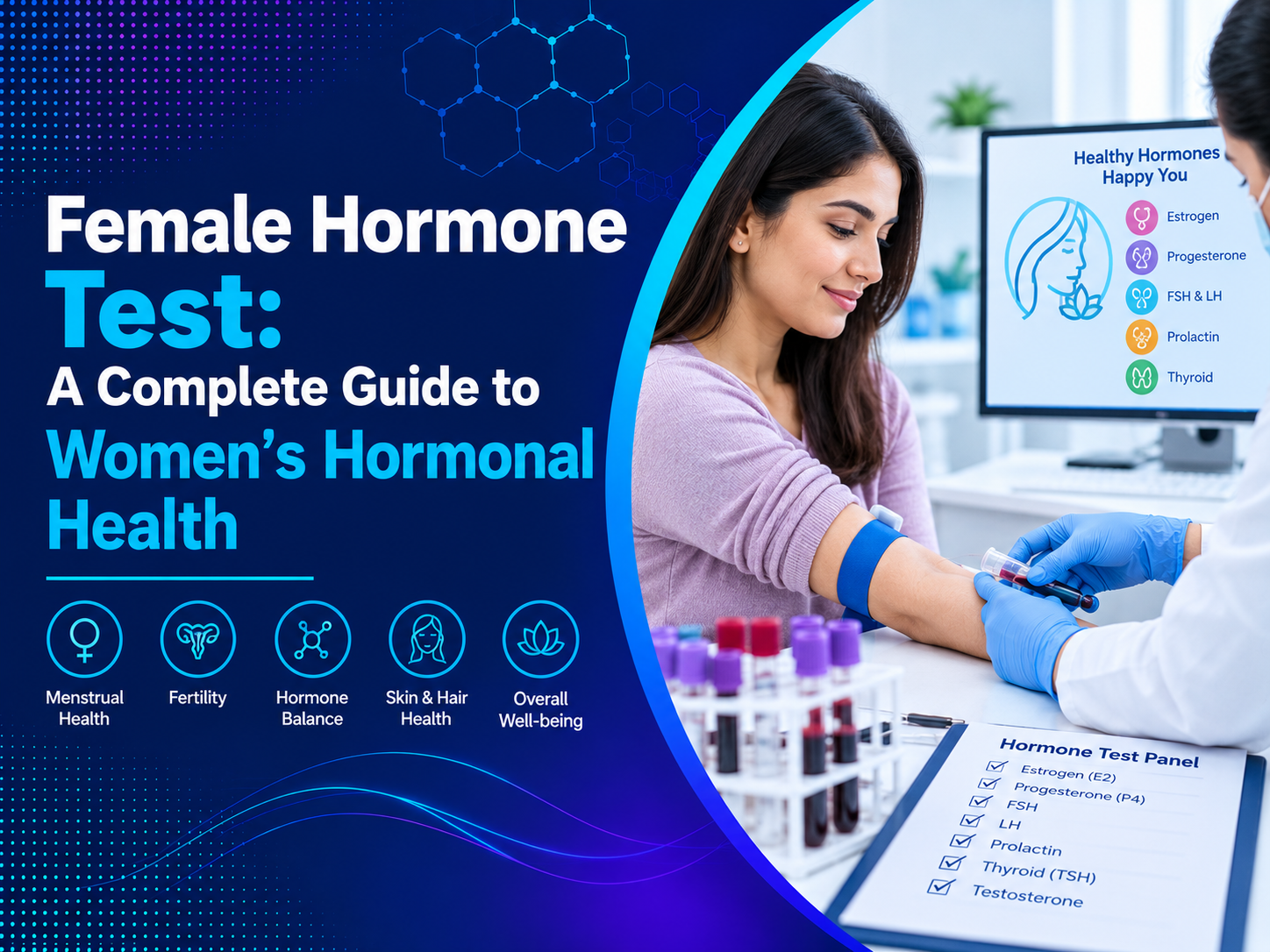
We test for TSH, Free T3, Free T4, FSH, LH, Prolactin, Testosterone, Vitamin D, Vitamin B12, and more – all under one roof. No need to visit multiple labs for your complete hormone panel.
For broader reading on hormone health, the Endocrine Society provides excellent patient resources on hormonal disorders, treatment options, and when to seek specialist care.
When Should You Get a Hormonal Assay Test? Key Warning Signs to Watch For
Many people delay hormone testing because the symptoms – fatigue, mood changes, weight fluctuations – seem ordinary or stress-related. But early detection can prevent serious complications. Book a hormonal assay test in Indore if you notice:
• Periods that are consistently late, early, or absent
• Unexplained weight changes despite no shift in diet or activity
• Persistent hair fall or unusual hair growth
• Swelling or tenderness in the neck (possible thyroid issue)
• Difficulty getting pregnant after 6–12 months of trying
• Mood swings, low energy, or poor concentration that won’t go away
• Breast milk discharge when not pregnant or breastfeeding
• Low sex drive or sexual dysfunction in men or women
Hormone testing is also a smart preventive step, even without symptoms – especially for women above 35, anyone with a family history of thyroid or reproductive disorders, and those managing PCOS or diabetes.
Frequently Asked Questions About Hormone Testing
Q1. What does it mean if my TSH is high but T3 and T4 are normal?
A high TSH with normal T3 and T4 is called subclinical hypothyroidism. It means your pituitary gland is working harder than usual to keep thyroid hormone levels in the normal range. While you may not have noticeable symptoms yet, subclinical hypothyroidism can progress to full hypothyroidism over time. Your doctor may recommend monitoring it every 6–12 months or starting medication, depending on your symptoms, age, and whether you are pregnant or trying to conceive.
Q2. Can stress affect TSH, FSH, and prolactin levels?
Yes – stress has a measurable impact on your hormonal system. Chronic physical or emotional stress activates the body’s stress response, which can temporarily suppress FSH and LH (disrupting ovulation), raise prolactin levels, and affect TSH readings. This is why doctors recommend testing in a rested, calm state – ideally in the morning – and may repeat borderline results before making a diagnosis.
Q3. Is fasting required before a hormonal assay blood test?
It depends on what hormones are being tested. TSH, FSH, and Prolactin tests generally do not require strict fasting, but it is usually recommended to test in the early morning for the most accurate readings – especially for prolactin, which fluctuates with stress and sleep. If your harmonal assay panel also includes blood sugar, lipids, or insulin tests, fasting for 8–12 hours may be required. Always confirm fasting requirements with the diagnostic centre at the time of booking.