Many serious conditions grow quietly for years before you feel anything. Early Disease Detection means finding them while they are small, when treatment is simpler and outcomes are better. This guide explains which tests to consider, what each one finds, and how to choose them for your age and risk.
What Is Early Disease Detection and Why Does It Matter?
Early disease detection is the use of tests to find a condition before symptoms appear or before it becomes advanced. It matters because non-communicable diseases such as diabetes, heart disease, and cancer account for an estimated 63 percent of deaths in India, according to the National Health Systems Resource Centre. Many of them can be managed far better when caught early.
The right tests depend on your age, family history, and lifestyle, so there is no single list for everyone.
Health Tests for Early Disease Detection at a Glance
| Condition | Early Test | Who Should Think About It |
| Diabetes | Fasting glucose, HbA1c | Adults from 35, or earlier with risk factors |
| Heart disease | Lipid profile, blood pressure | Adults, especially with family history |
| Kidney disease | eGFR and urine ACR | People with diabetes, high blood pressure, or heart disease |
| Thyroid disease | TSH | Those with symptoms or risk factors |
| Fatty liver, gallstones | Abdominal ultrasound | Abdominal symptoms or abnormal liver tests |
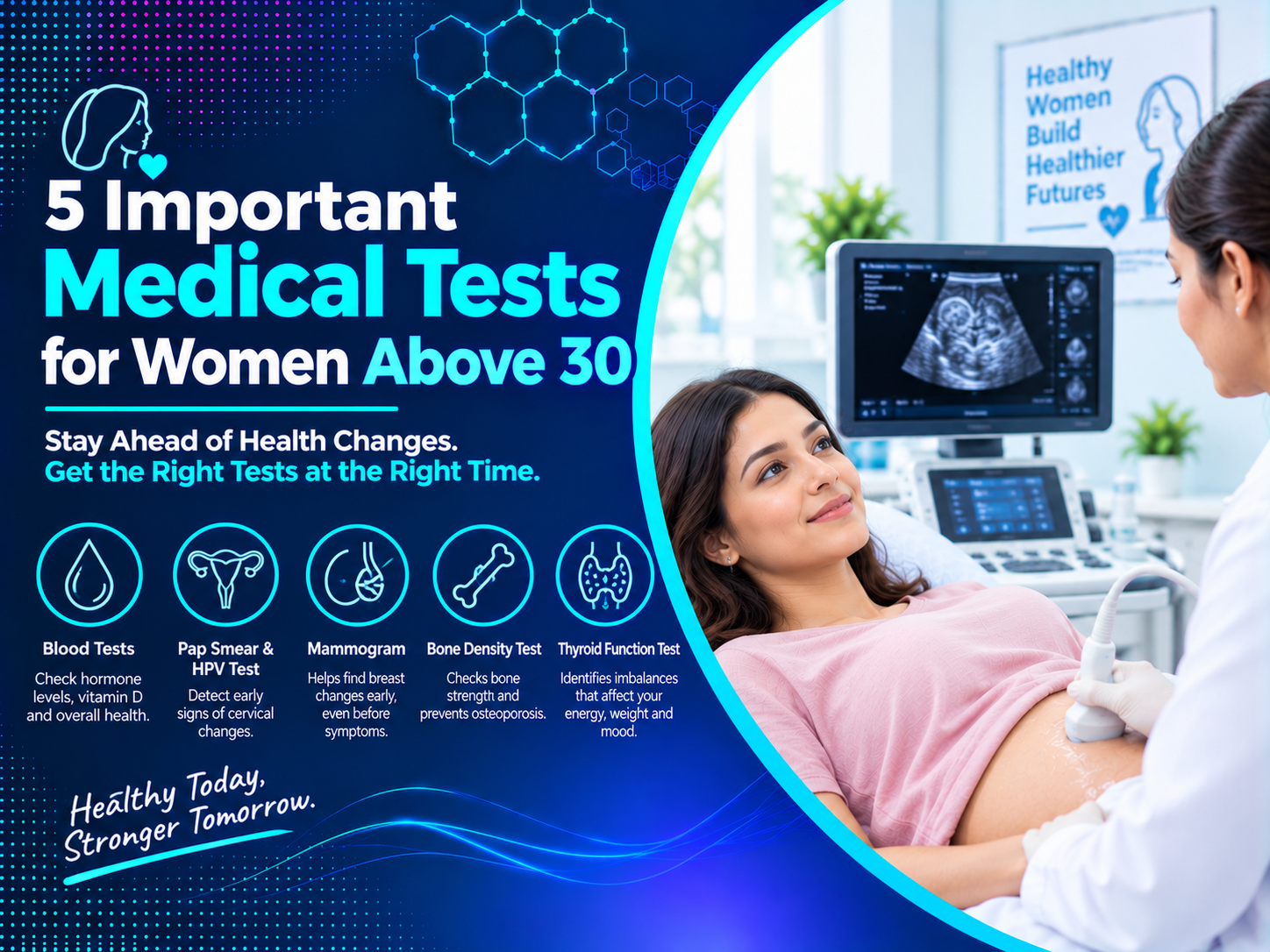
| Cervical cancer | Pap and HPV test | Women aged 30 to 65 |
| Circulation problems | Doppler ultrasound | Leg or arm swelling, pain, or suspected clots |
| Early joint inflammation | Musculoskeletal ultrasound | Persistent joint or tendon pain |
Where to Start: A Basic Health Checkup
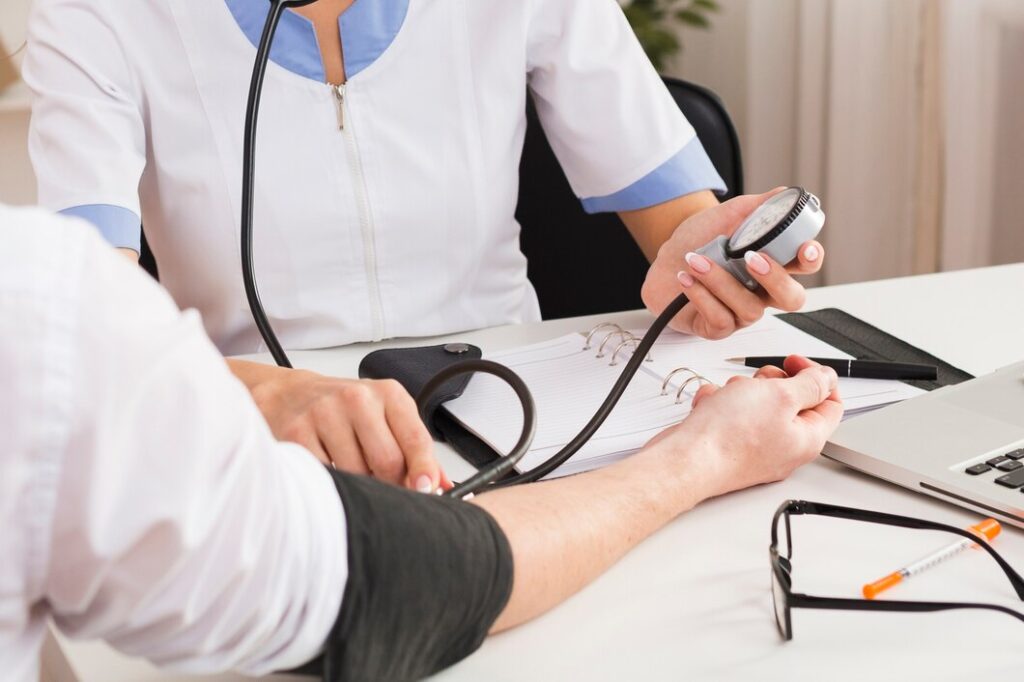
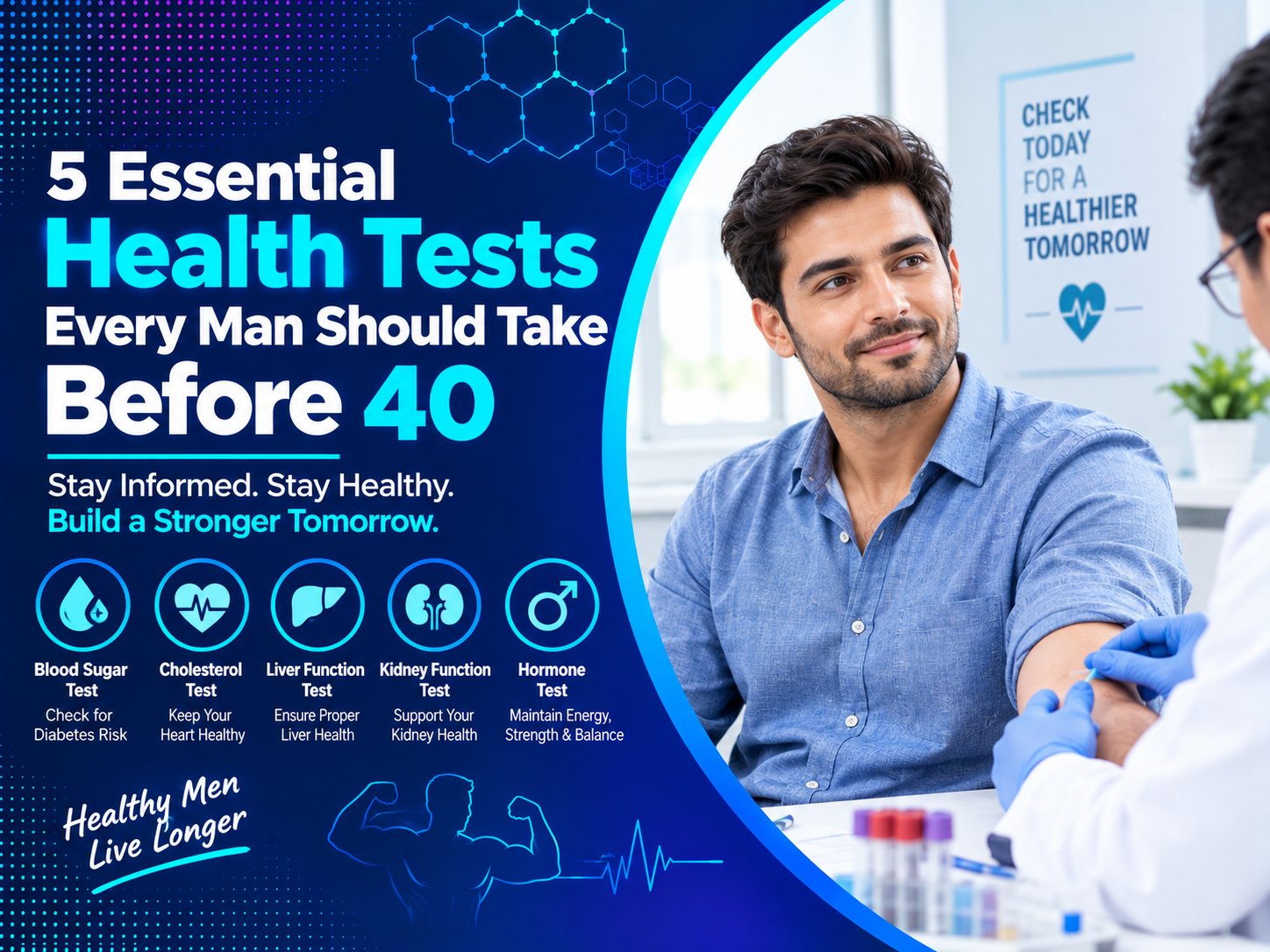
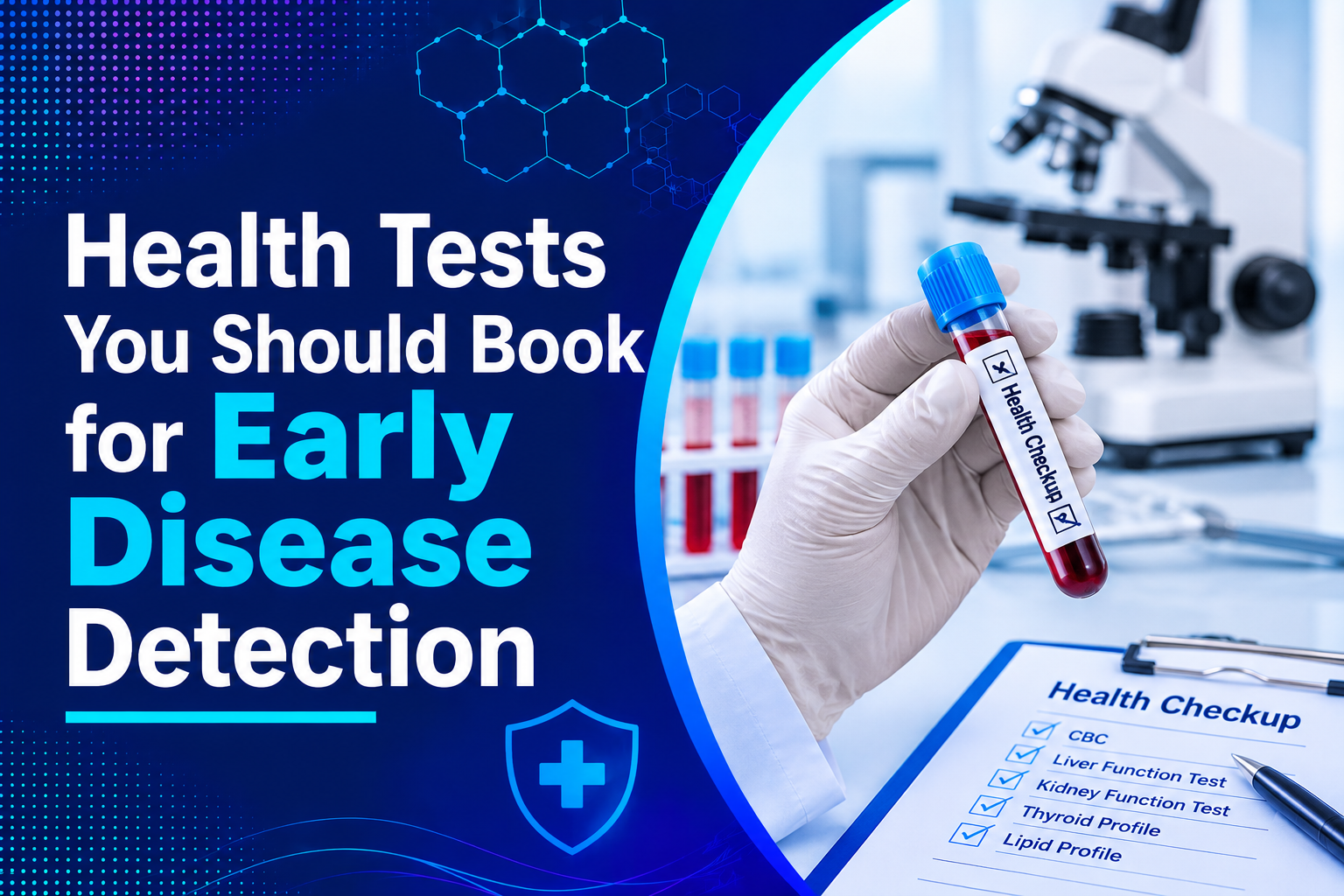
If you have never been tested, begin with a simple checkup. It reviews your history, measures blood pressure and weight, and includes basic blood and urine tests. People looking for Health Checkups in Indore can start with a basic panel and add tests as their doctor advises.
1. Blood Sugar and Cholesterol Tests
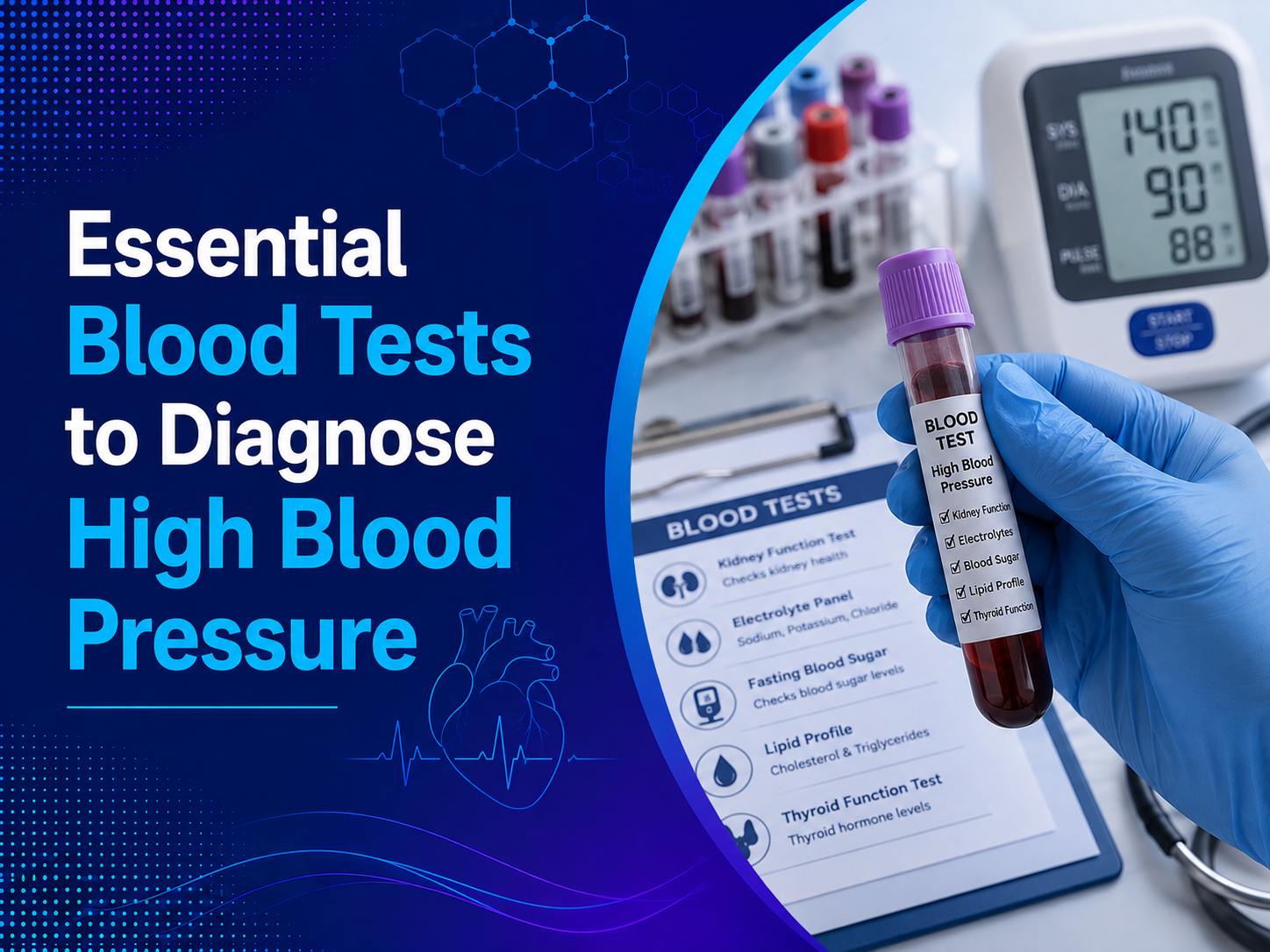
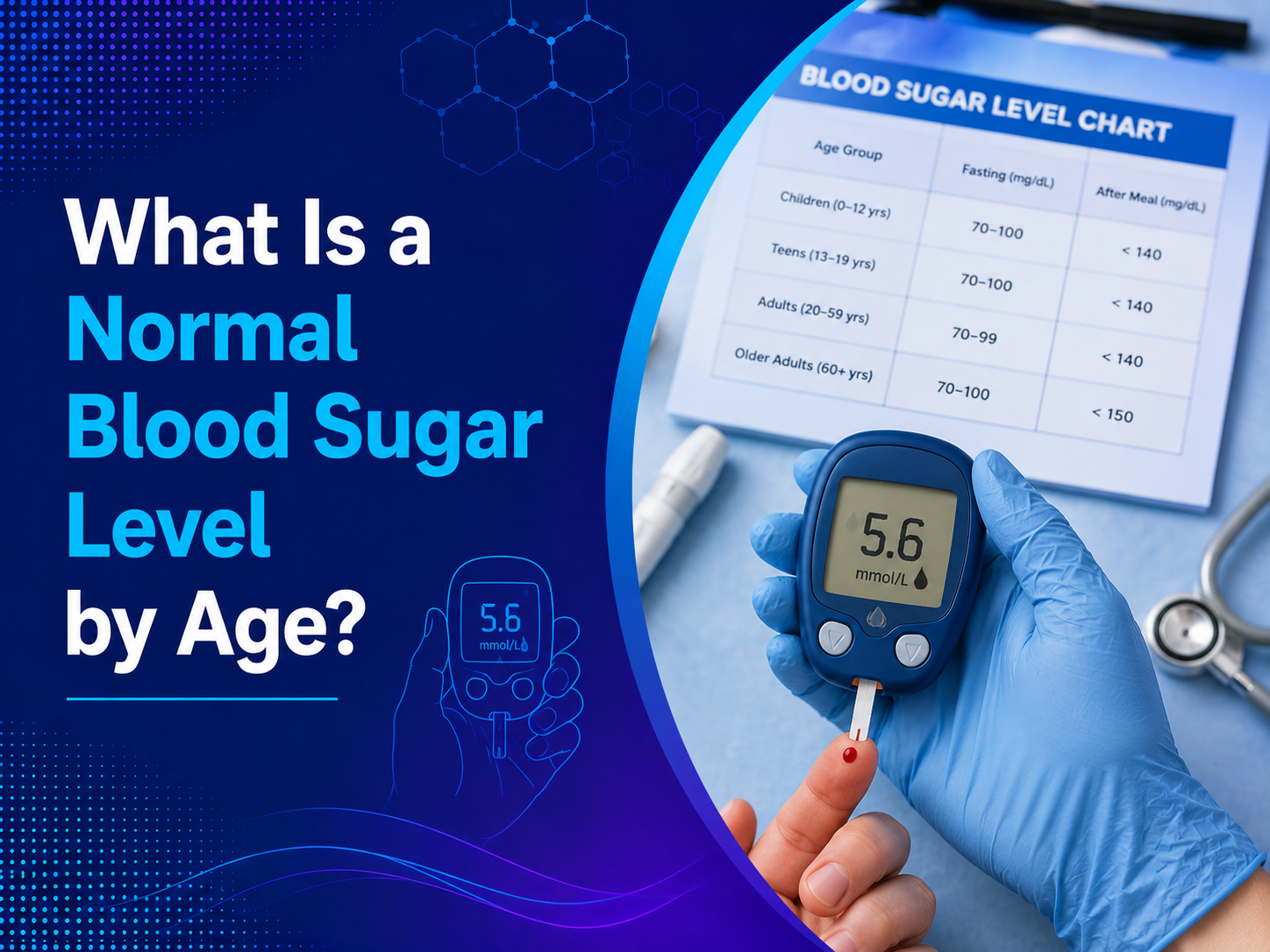
Diabetes and high cholesterol often cause no symptoms for years. A fasting glucose or HbA1c test detects prediabetes and diabetes, while a lipid profile measures cholesterol and triglycerides. Accurate results depend on careful sample handling, so choose a dependable Pathology Lab in Indore.
2. Kidney Tests
Chronic kidney disease can stay silent until late stages. Testing with eGFR, which estimates how well the kidneys filter, and a urine albumin-to-creatinine ratio can find early damage. Guidelines suggest at least yearly testing for people with diabetes, high blood pressure, or heart disease. Routine screening for everyone without risk factors is not generally recommended.
3. Thyroid and Hormone Tests
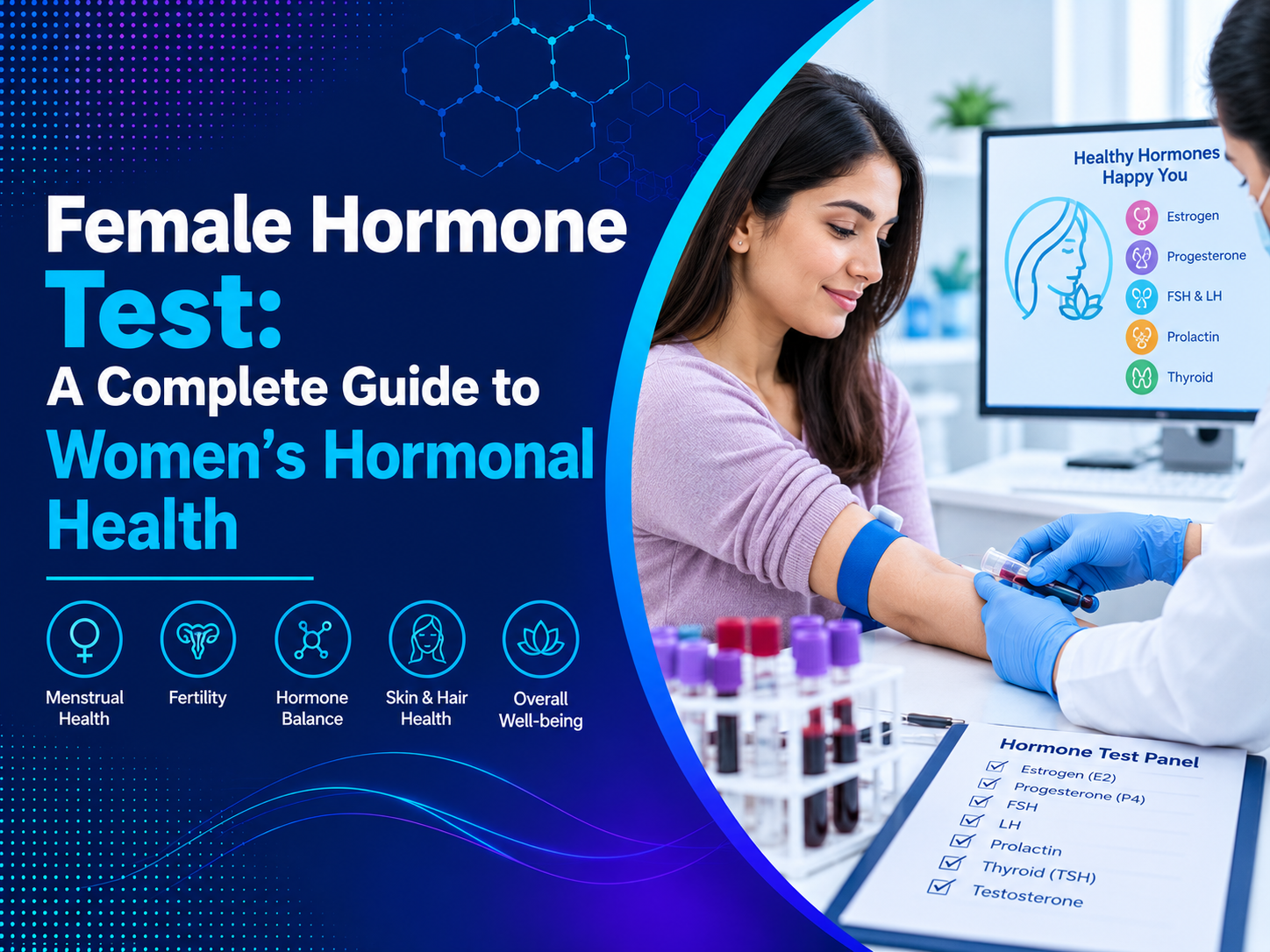
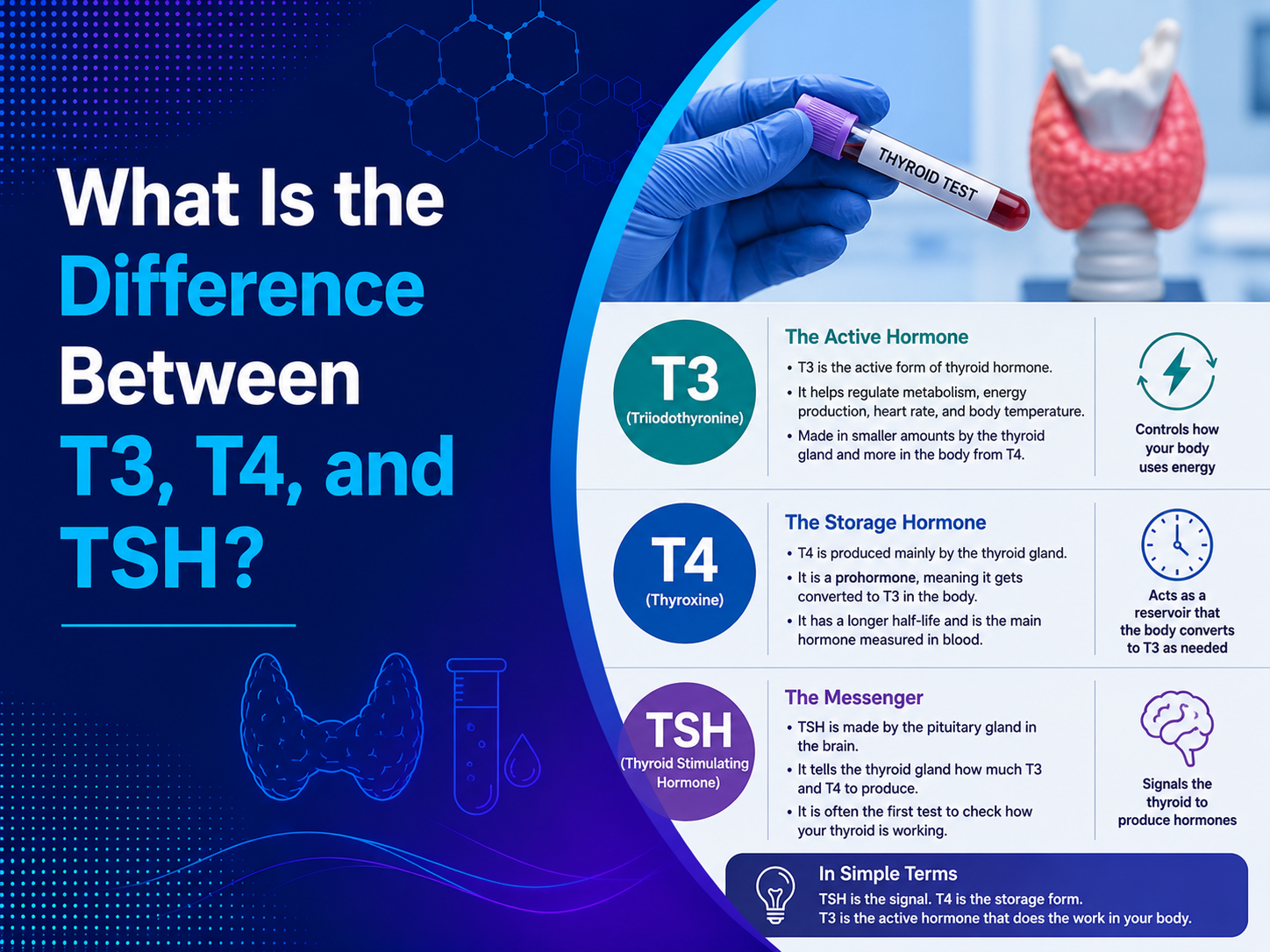
Thyroid problems can cause tiredness, weight change, hair loss, and irregular periods. A TSH test shows how well the gland is working. A Hormone Assay Test in Indore can also measure other hormones when your doctor suspects an imbalance.
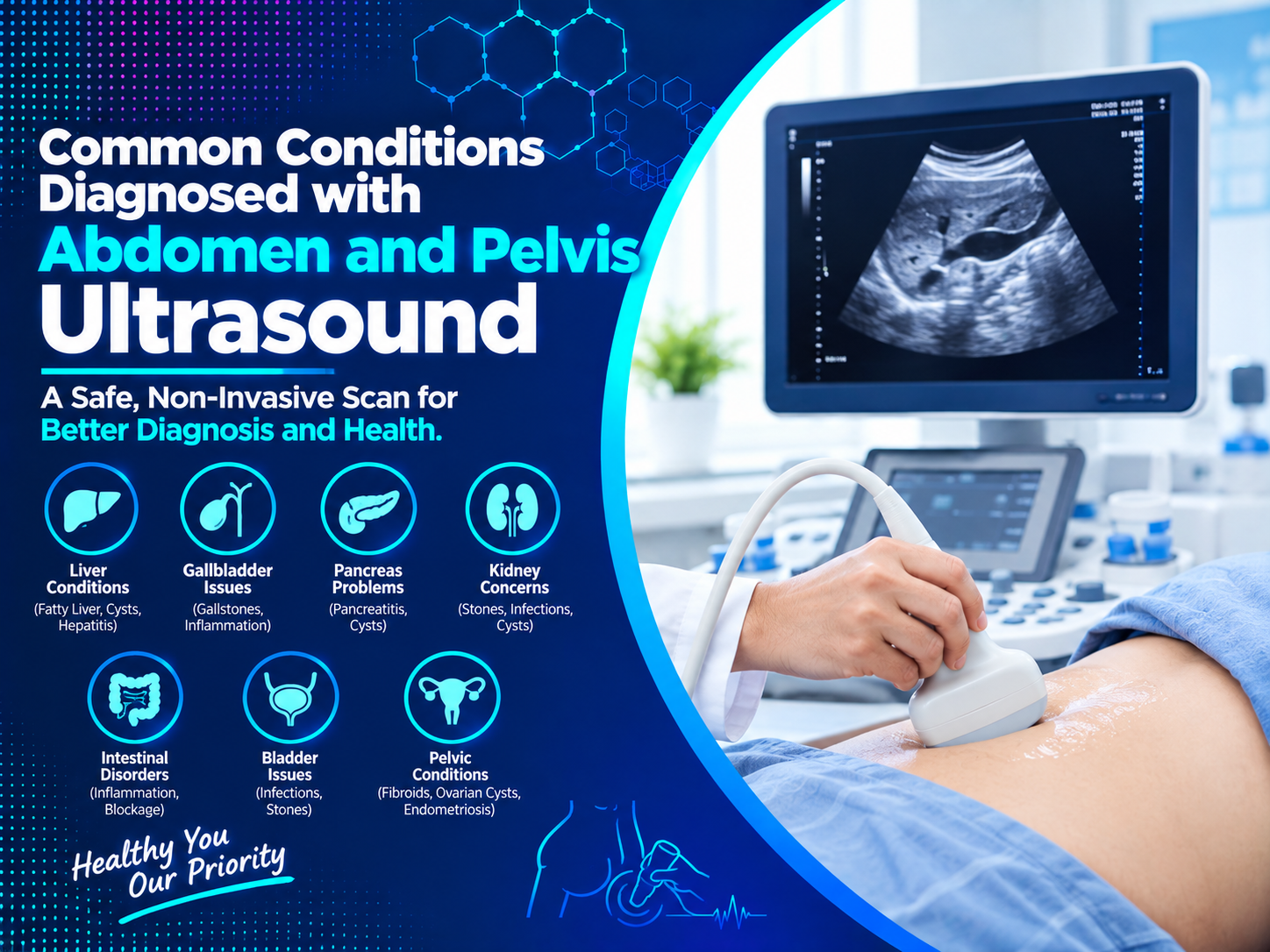
4. Abdominal Ultrasound for Liver, Gallbladder and Kidneys
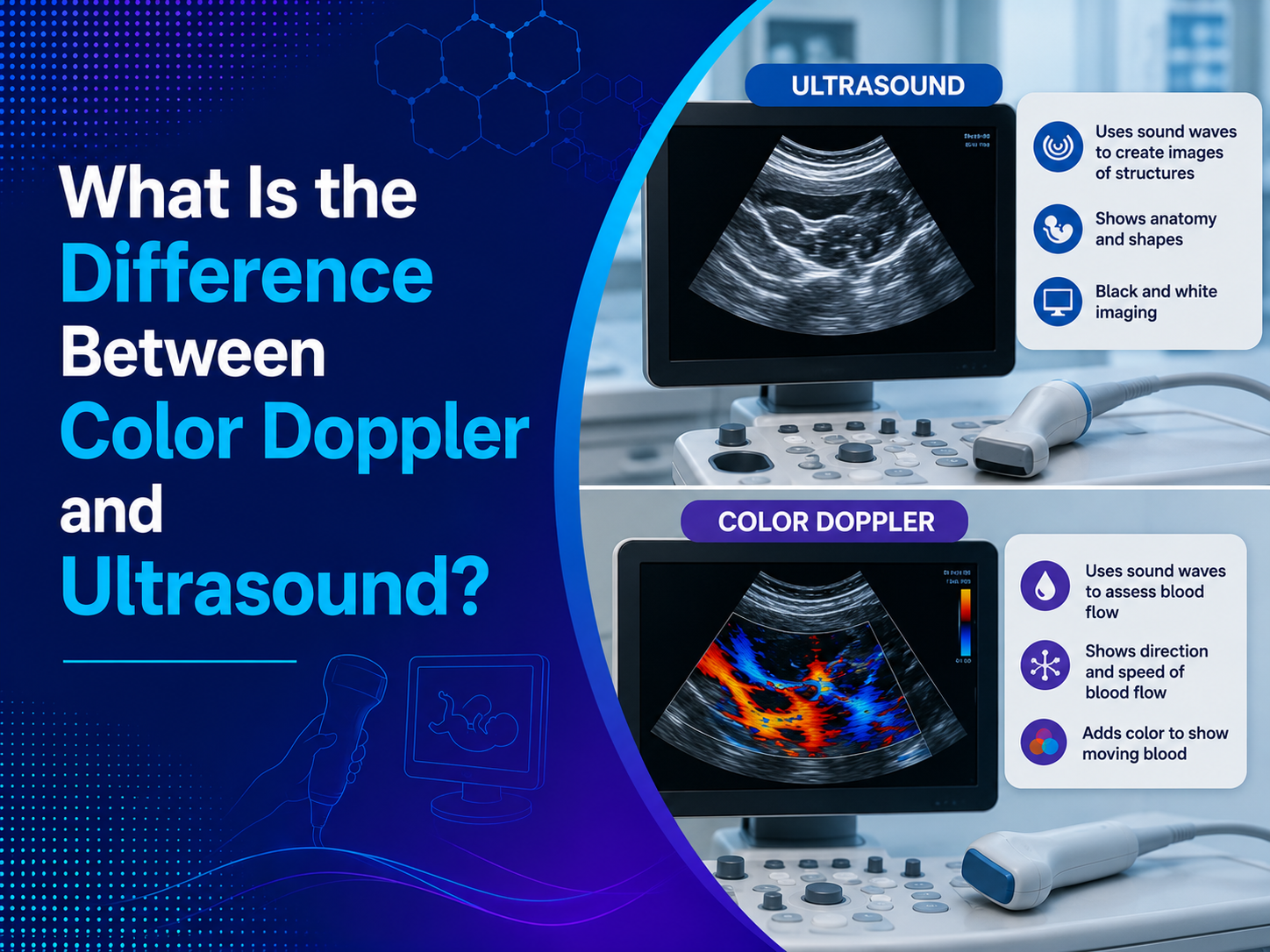
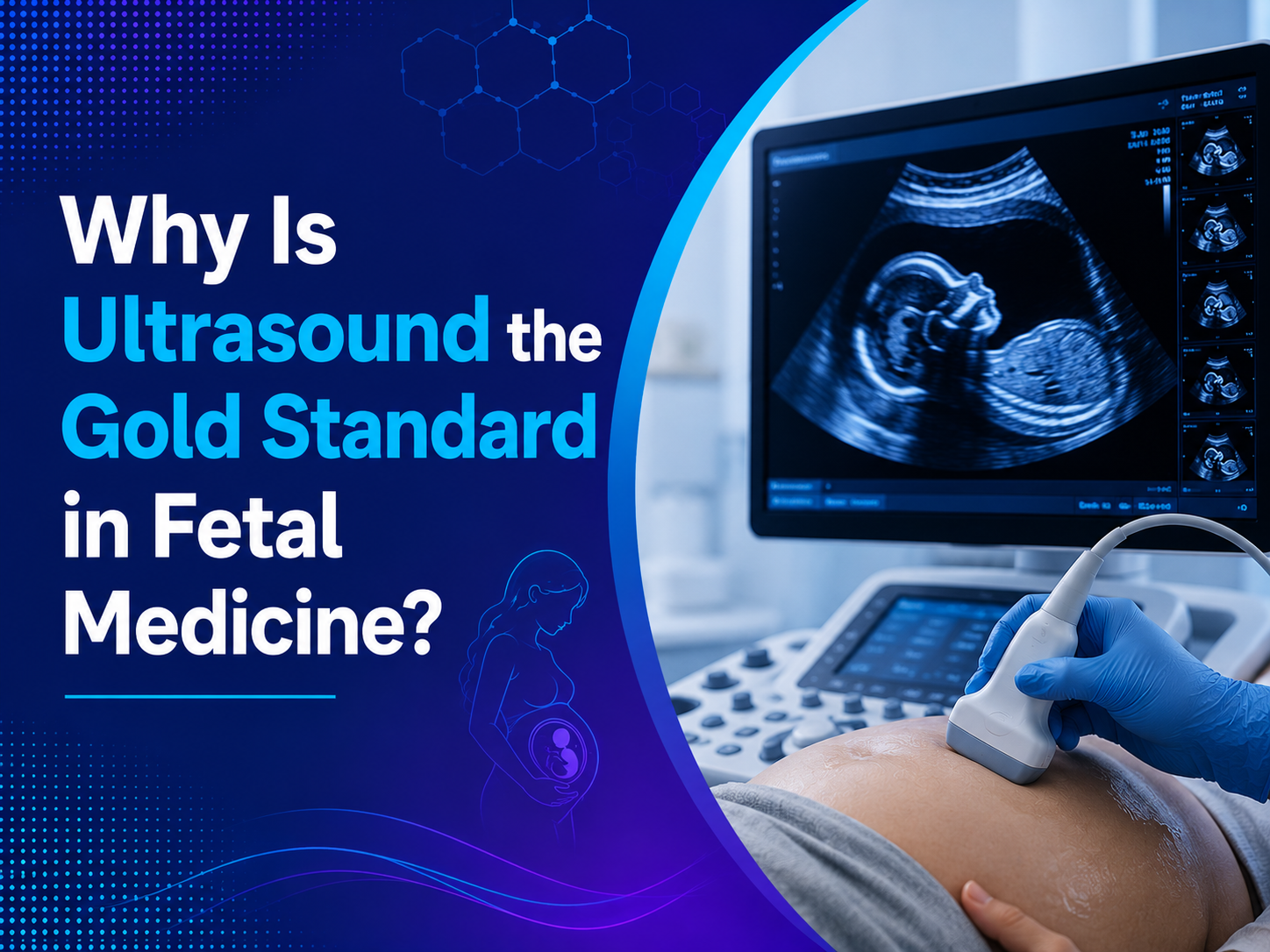
Ultrasound can show fatty liver, gallstones, kidney stones, and organ enlargement without radiation. It is often ordered after abdominal symptoms or abnormal blood tests. A clear USG in Indore report should explain each finding in simple words.
5. Pelvic and Women’s Health Imaging
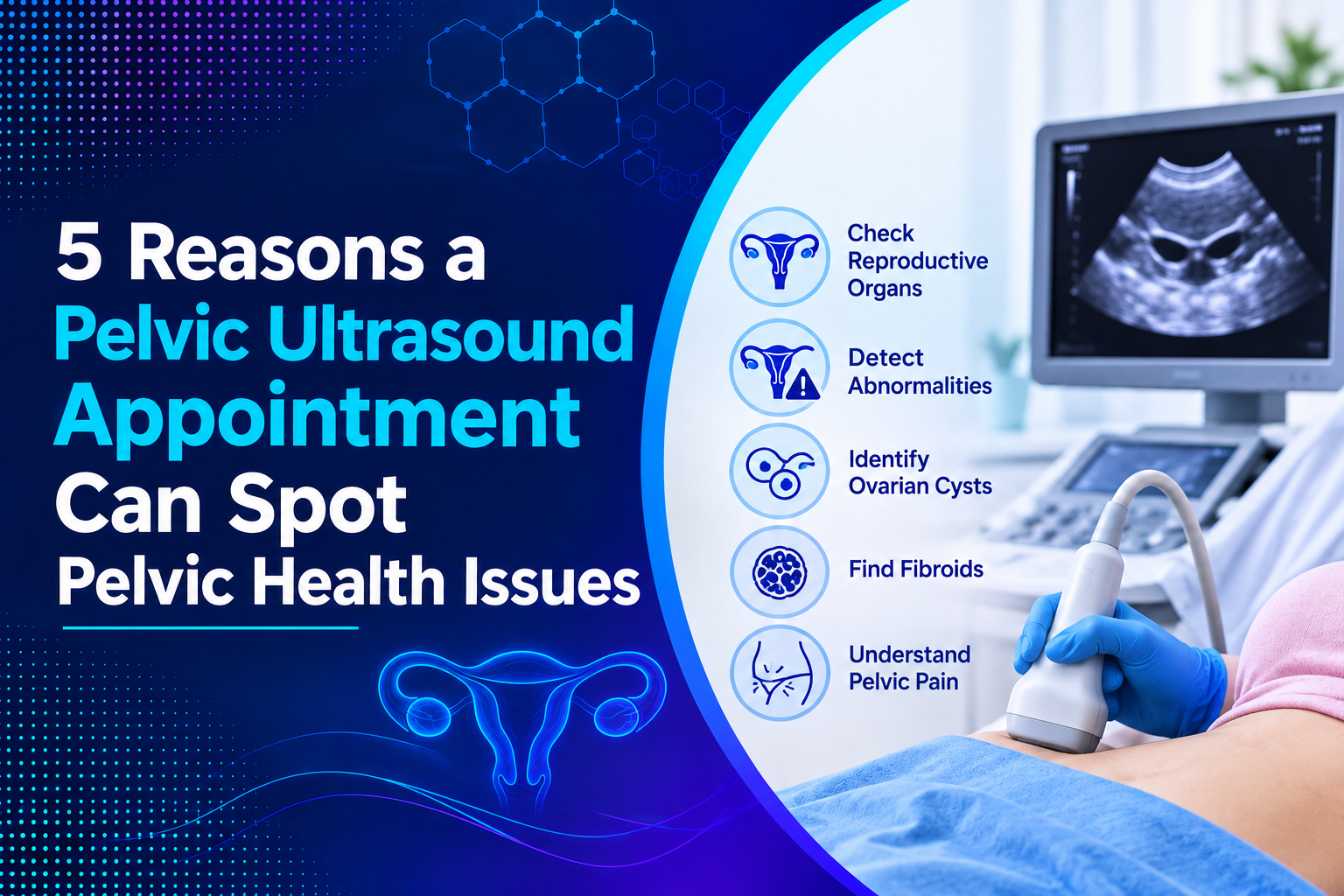
For women with heavy or irregular periods, pelvic pain, or fertility concerns, ultrasound can reveal fibroids, ovarian cysts, and uterine changes. Women searching for Sonography in Indore for these reasons should confirm that the scan is performed by trained staff.
6. Doppler Tests for Blood Vessels
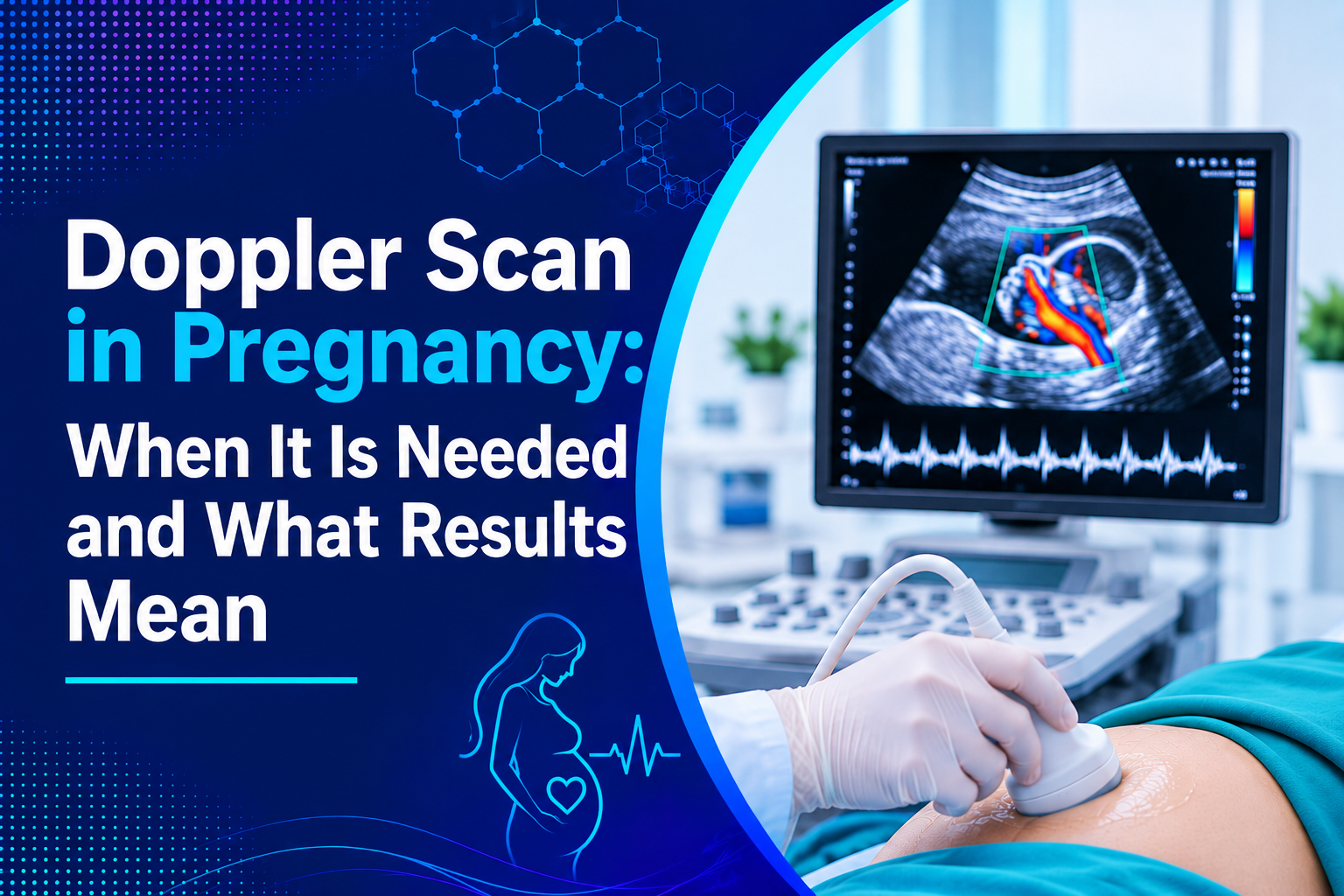
Doppler ultrasound measures blood flow and helps detect clots and blockages in arteries and veins. It is useful for swelling, pain, or heaviness in a limb. When choosing a Doppler Test Centre in Indore, ask who performs and reports the scan.
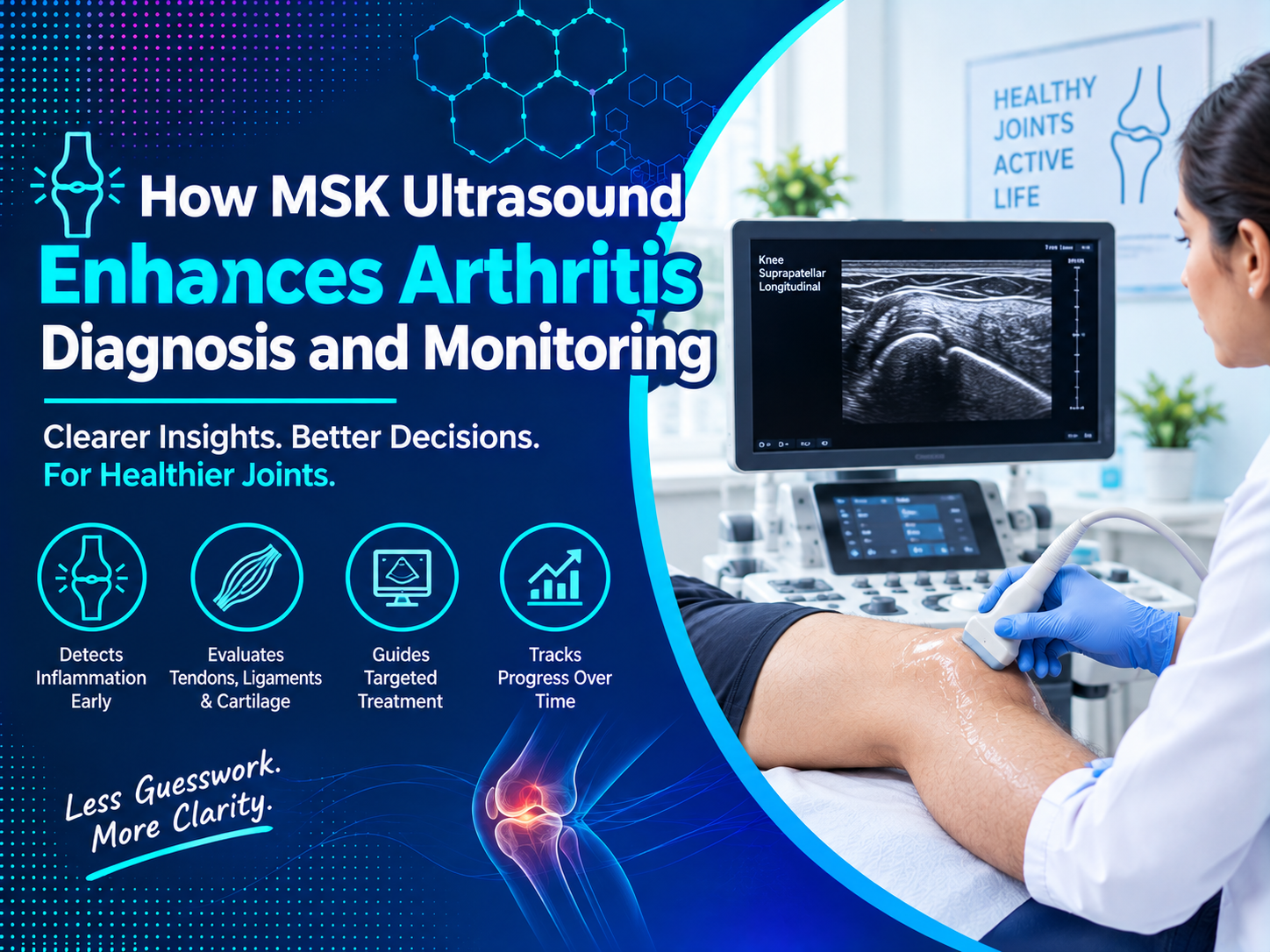
7. Joint and Tendon Ultrasound
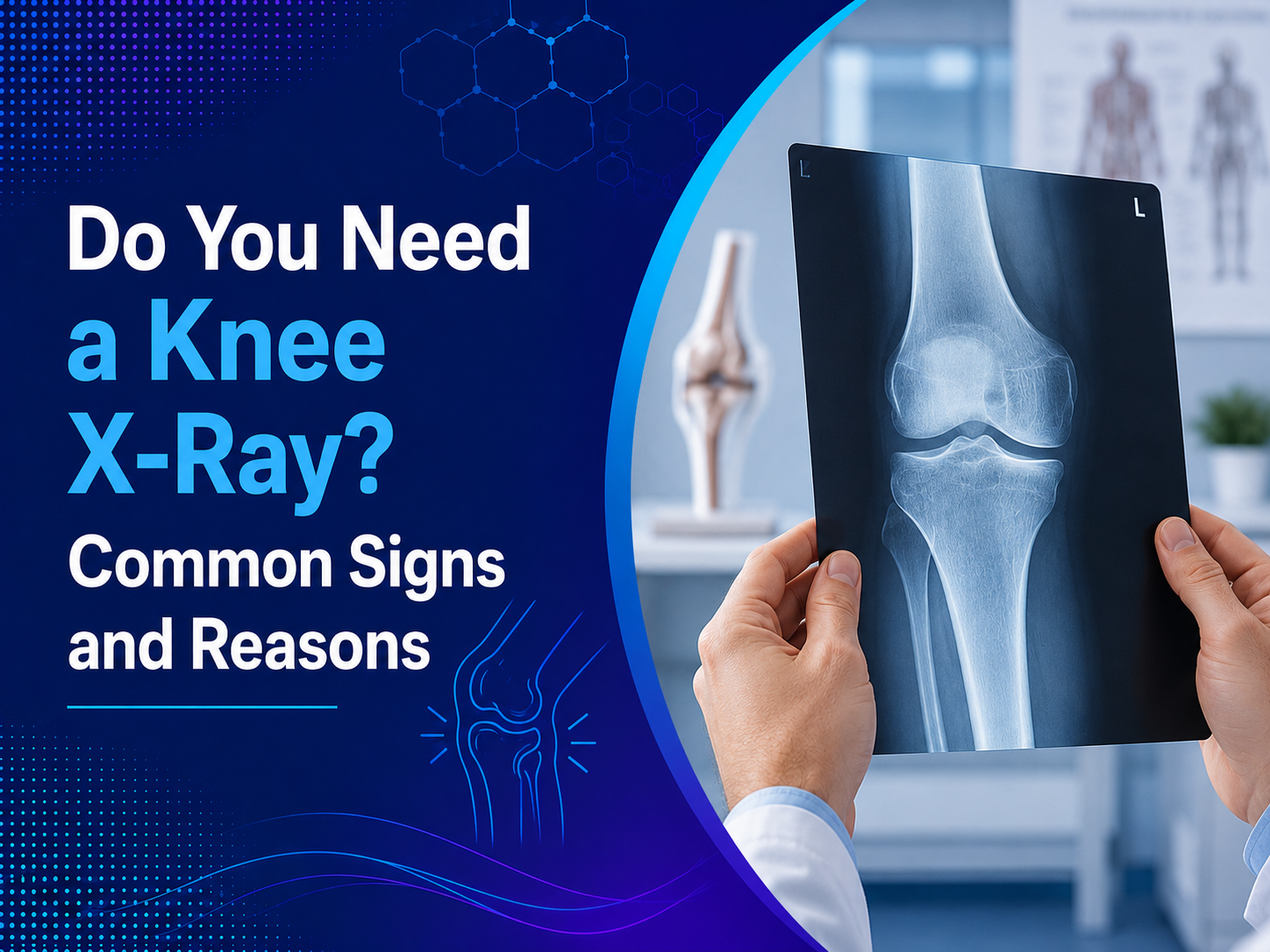
Persistent joint or tendon pain may signal early inflammation or injury. Research suggests musculoskeletal ultrasound can detect joint inflammation that an examination alone may miss. A Musculoskeletal Ultrasonography Centre in Indore should have sonographers trained specifically in joint imaging.
Which Tests Fit Your Age and Risk?
- 20s and 30s: blood pressure, blood count, sugar, and cervical screening for women
- 40s: add lipid profile, thyroid check, and breast and colorectal discussions
- 50s and above: add kidney, bone, and heart checks as advised
- Any age with risk factors: earlier and more frequent testing
How Often Should You Repeat These Tests?
Timing depends on your results and risk. As general guidance, blood pressure is checked at least yearly, cholesterol every few years if normal, diabetes screening every few years from age 35, and cervical screening every 3 to 5 years. People with risk factors or abnormal results are tested more often.
Signs You Should Not Wait for Routine Testing
Book a visit sooner if you notice any of these.
- Constant tiredness or unexplained weight change
- Excessive thirst or frequent urination
- Swelling in the legs, face, or around the eyes
- Persistent joint pain or stiffness
- Pain or swelling in one limb
- A new lump or unusual bleeding
Screening Is Not the Same as Diagnosis
A screening test finds possible risk. It can give false alarms and can miss some conditions. A positive result usually leads to follow-up tests, while a normal result is reassuring but not a lifetime guarantee. Your doctor reads every result with your symptoms and history.
Common Myths About Early Detection
- Myth: If I feel fine, I do not need tests. Fact: Many conditions are silent in the early stages.
- Myth: More tests always mean better protection. Fact: The right tests for your age and risk matter more.
- Myth: One normal result is enough. Fact: Health changes, so tests are repeated at suitable intervals.
Tips Before You Book
- Carry earlier reports and a list of your medicines
- Ask which tests need fasting
- Share your family history clearly
- Write down questions for your doctor
- Use one Diagnostic Centre in Indore so your results are easy to compare over time
Choosing Where to Get Tested
Look for trained staff, clear reports, and blood tests and imaging in one place. Many people searching for the best diagnostic centre in Indore value this convenience. Ultrascan Diagnostic Centre offers pathology and ultrasound services, so related tests can be planned together. Ask how soon reports are shared and who will explain the findings.
Frequently Asked Questions
1. Which health test is most important for early detection?
No single test fits everyone. Blood pressure, blood sugar, and cholesterol checks are common starting points.
2. Do I need kidney tests if I feel healthy?
Usually only if you have risk factors such as diabetes, high blood pressure, or heart disease. Ask your doctor.
3. At what age should I start health screening?
Basic checks can begin in your twenties, and India’s national programme promotes screening from age 30. Start earlier with risk factors.
4. Can ultrasound detect cancer early?
It can show suspicious lumps or masses, but diagnosis usually needs more tests such as a biopsy.
5. How often should I repeat these tests?
It depends on your results and risks. Many healthy adults test every one to two years, while risk groups may need yearly checks.
Conclusion
Early Disease Detection is about choosing the right tests at the right time, not testing everything. A few well-chosen checks can reveal silent conditions and give you time to act. If you are unsure where to begin, ask your doctor to build a simple plan for your age.
Book your health tests at Ultrascan Diagnostic Centre today. Call ahead or walk in to plan your visit. This article is for general information and does not replace advice from your doctor.