Your thirties are often the busiest years of life, with work, family, and everyone else’s needs coming first. Your own health can quietly slip down the list, even though this is the decade when preventive care pays off most. These Important Medical Tests for Women above 30 help catch silent problems early, long before symptoms appear. This guide explains the five tests doctors commonly recommend, how often to get them, and what to expect.
Why Health Screening Matters More After 30
After 30, your body changes quietly. Hormone levels shift, metabolism slows, and risks for diabetes, thyroid problems, and heart disease start to rise. Many of these conditions cause no symptoms at first, so only a test can reveal them.
Screening is not about expecting bad news. It is about knowing your baseline, so small changes can be spotted and treated early.
The 5 Important Medical Tests for Women Above 30 at a Glance
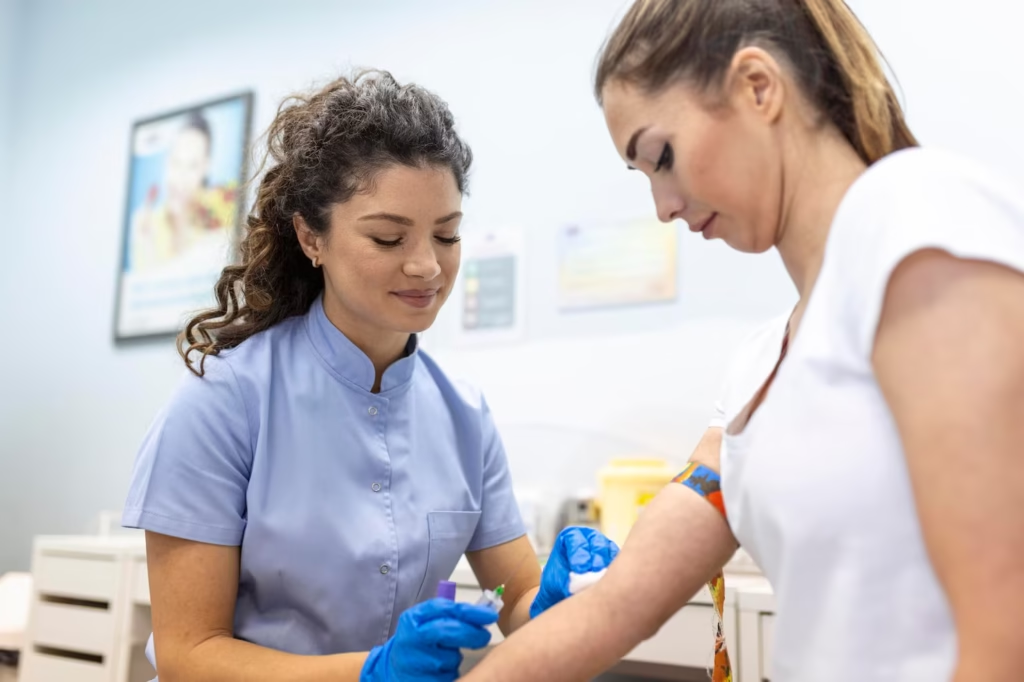
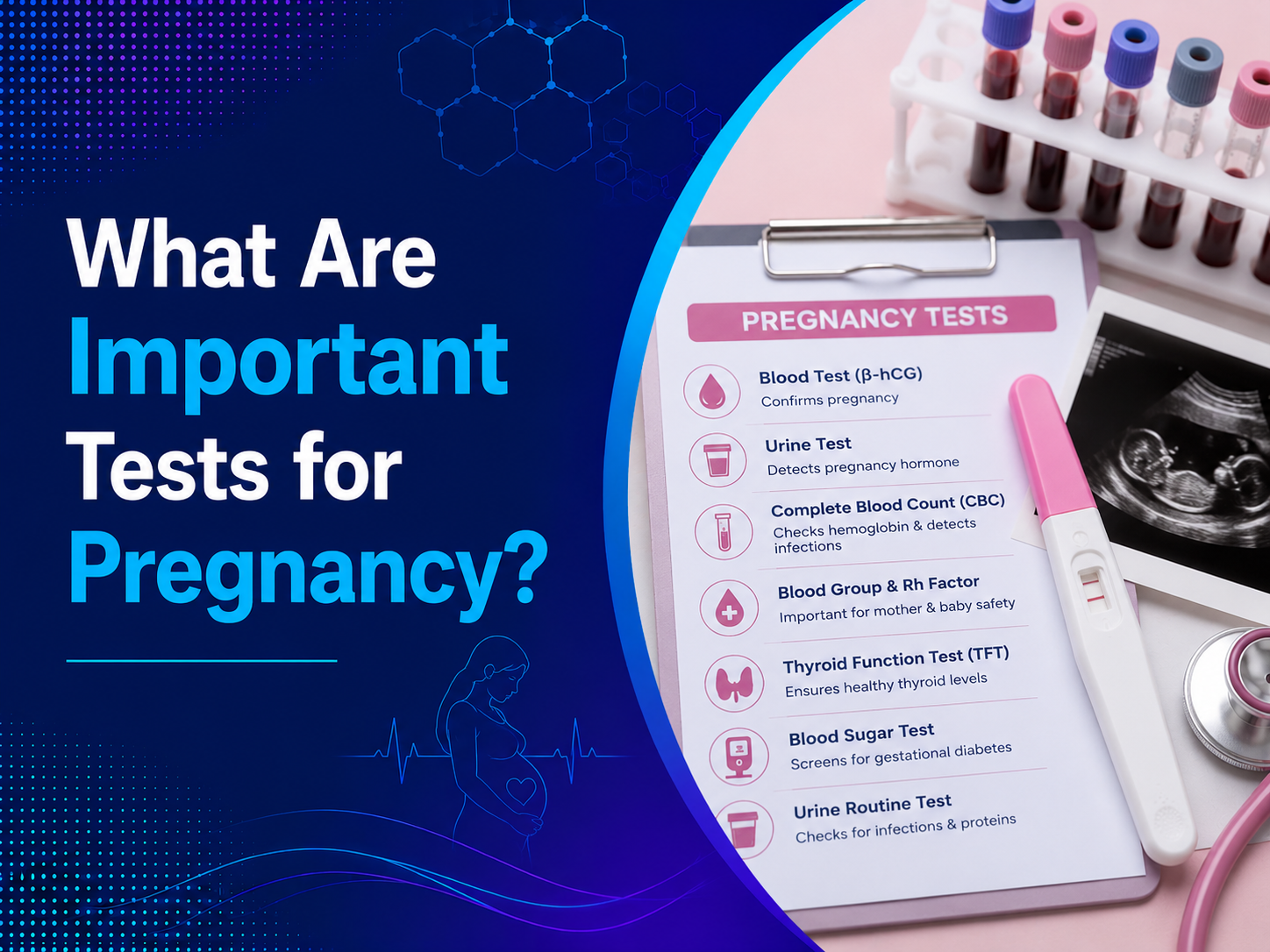
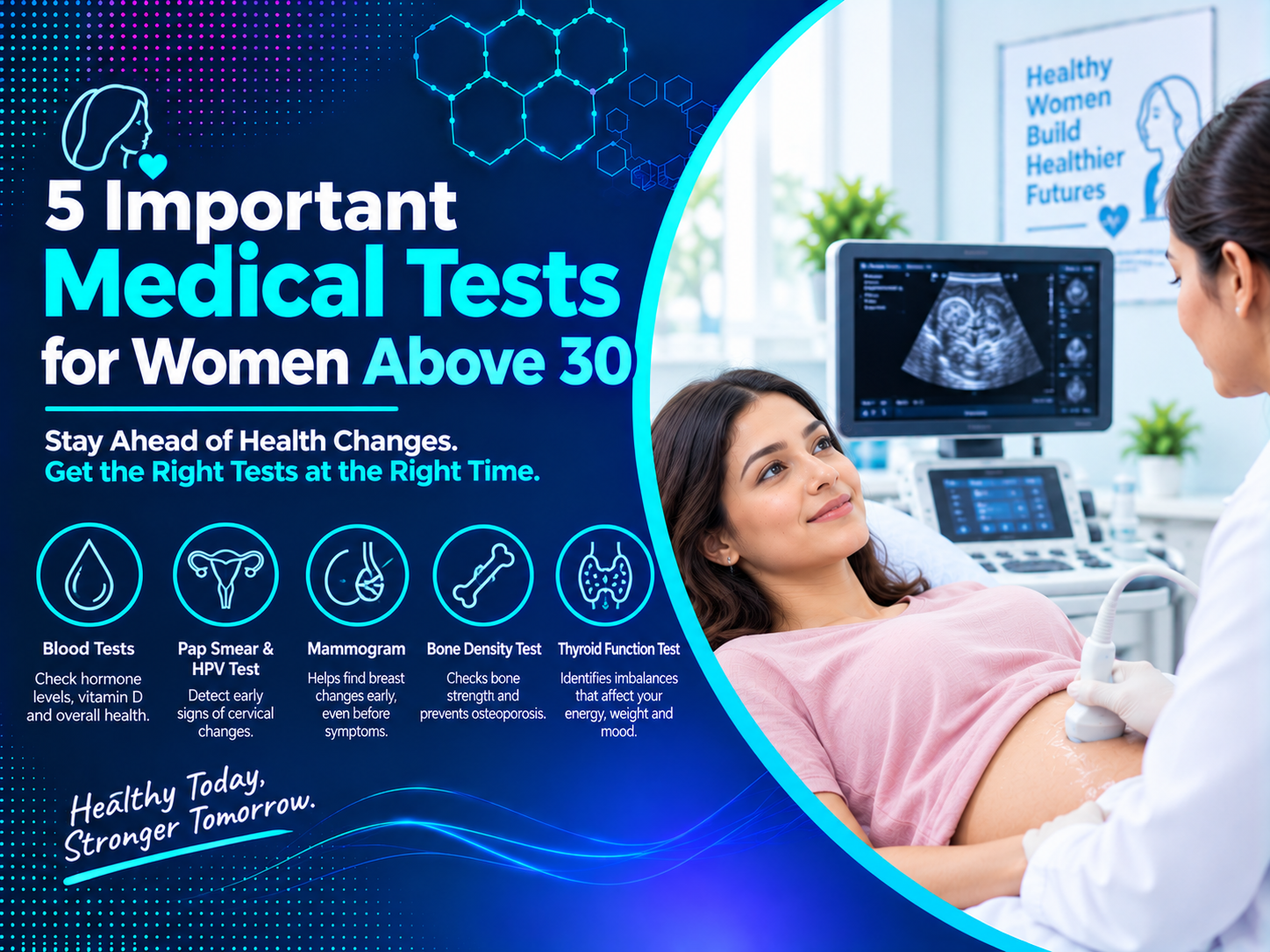
The five key tests are cervical cancer screening, a blood sugar test, a lipid profile with a blood pressure check, thyroid and hormone tests, and breast and pelvic health checks. The right timing depends on your age, family history, and symptoms.
| Test | Why It Matters | Typical Timing |
| Pap and HPV test | Finds cervical changes early | Every 3 to 5 years, ages 30 to 65 |
| Blood sugar test | Screens for diabetes | Every 3 years from 35, sooner with risk factors |
| Lipid profile and blood pressure | Checks heart health | Cholesterol every 4 to 6 years, blood pressure yearly |
| Thyroid and hormone tests | Explains fatigue, weight and cycle changes | When symptoms or risk factors exist |
| Breast and pelvic checks | Finds lumps, fibroids, and cysts | Yearly exam, scans when advised |
Test 1: Cervical Cancer Screening (Pap and HPV Test)
Cervical cancer usually develops slowly, and screening can find abnormal cells before they turn cancerous. The National Cancer Institute notes that women aged 30 to 65 can choose an HPV test every 5 years, an HPV and Pap co-test every 5 years, or a Pap test every 3 years. Your doctor collects a small sample from the cervix, which takes only a few minutes.
HPV, the virus behind most cervical cancers, often causes no symptoms. That is why screening matters even when you feel perfectly well.
Test 2: Blood Sugar Test for Diabetes
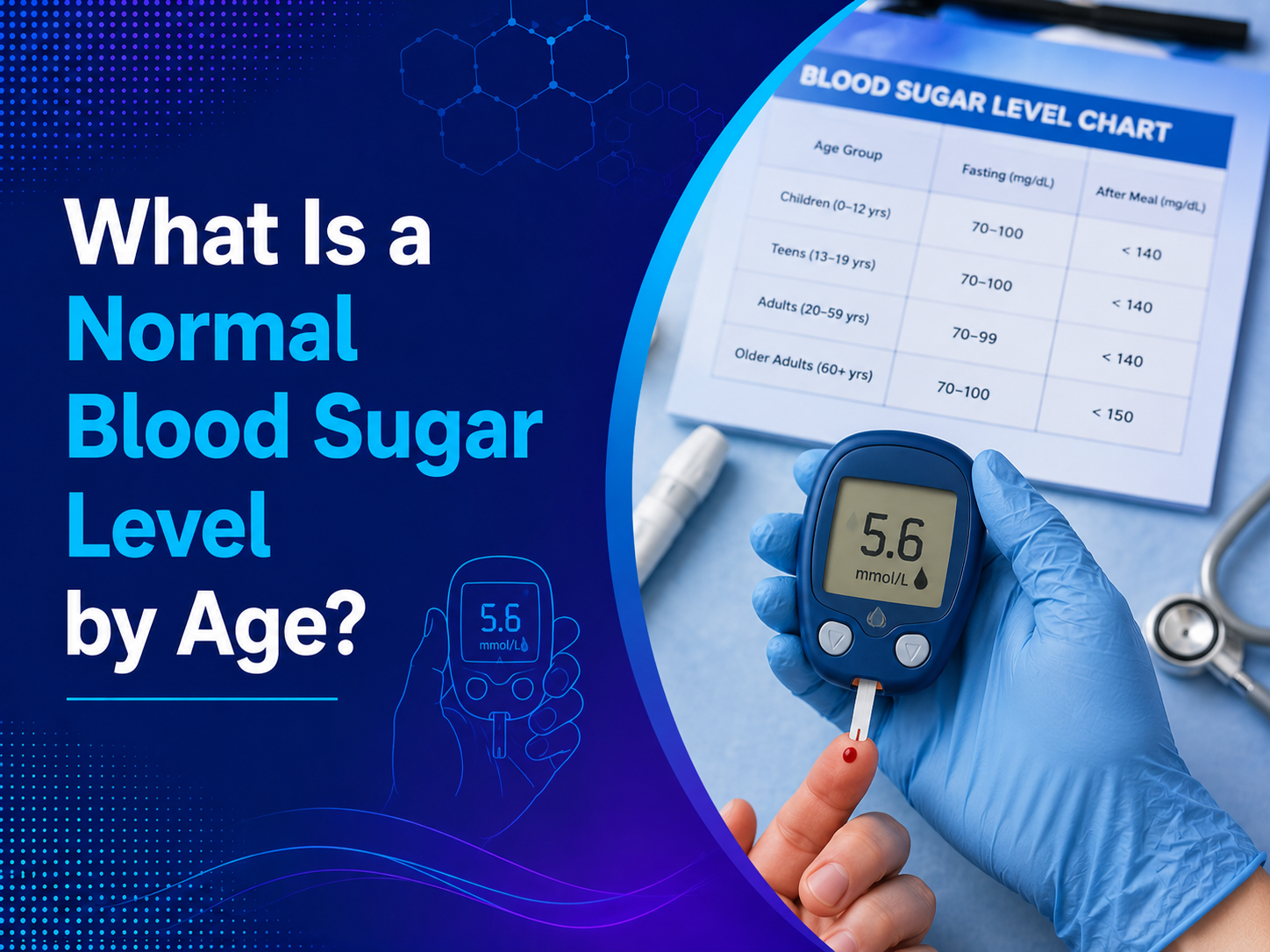
Type 2 diabetes can develop for years without clear symptoms. A fasting glucose or HbA1c test shows whether your sugar levels are normal, borderline, or high. Screening is commonly advised from age 35, and sooner if you are overweight, have a family history of diabetes, or had diabetes during pregnancy.
Accuracy depends on careful sample handling and calibrated equipment, so a dependable Pathology Lab in Indore is worth choosing. Fasting for 8 to 12 hours is usually needed for the fasting glucose test.
Test 3: Lipid Profile and Blood Pressure Check
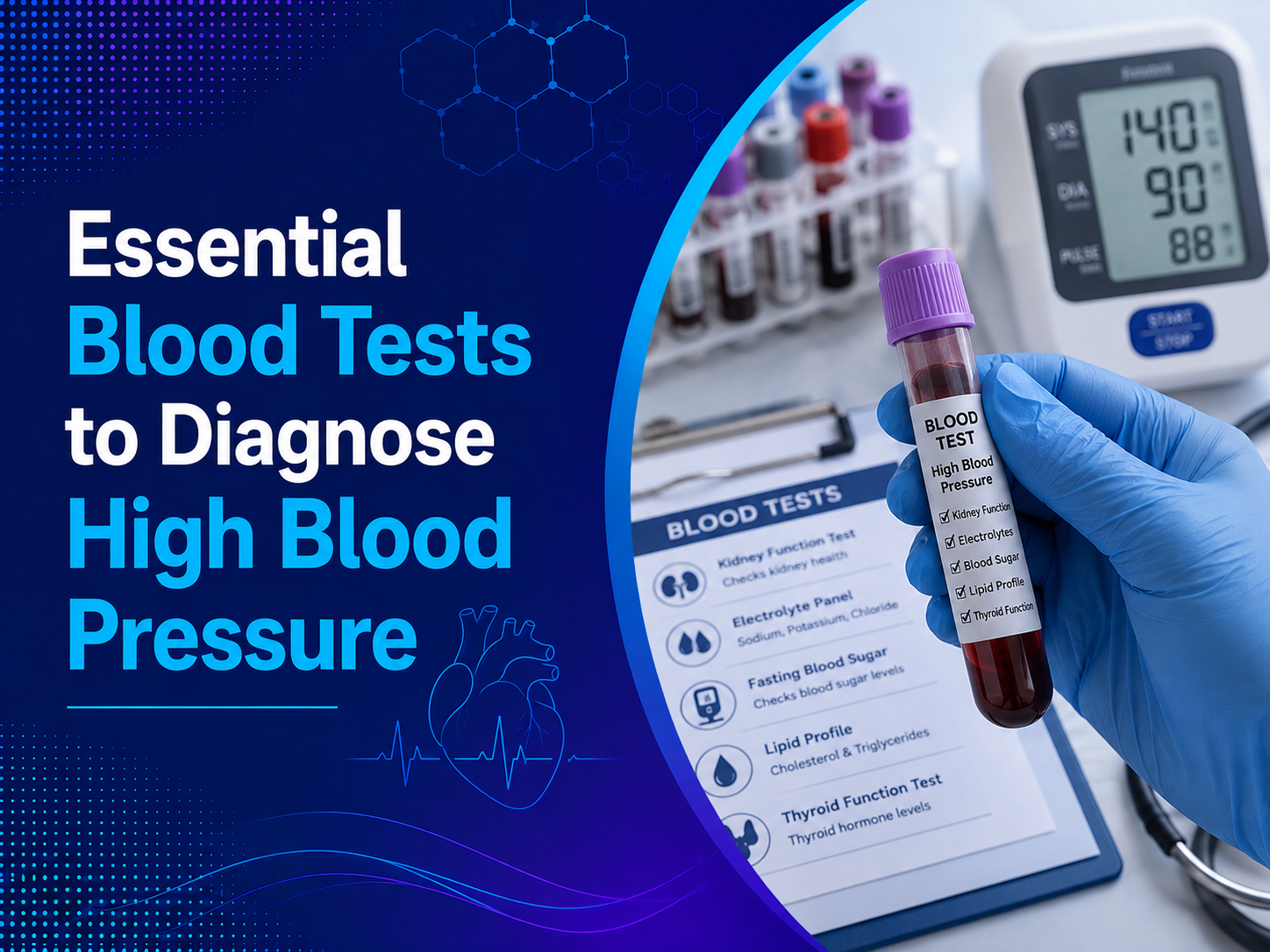
Heart disease often develops silently, and your thirties are a good time to learn your numbers. A lipid profile measures total cholesterol, LDL, HDL, and triglycerides. Many guidelines suggest repeating it every 4 to 6 years if results are normal, and sooner if you have risk factors.
Blood pressure is checked in minutes and needs no preparation. A yearly check is a simple habit, and anyone with high readings, diabetes, or kidney problems needs closer follow-up.
Test 4: Thyroid and Hormone Tests
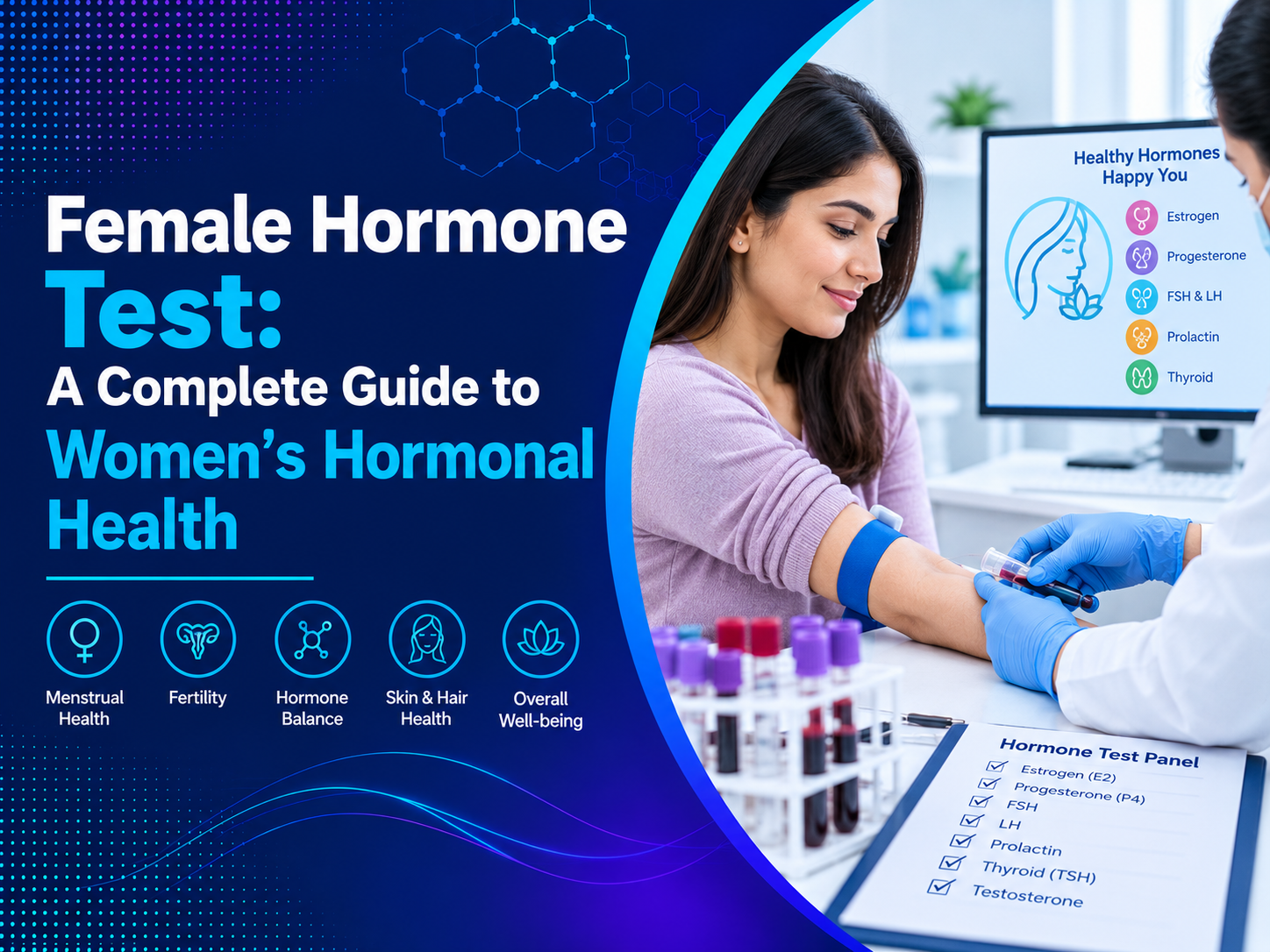
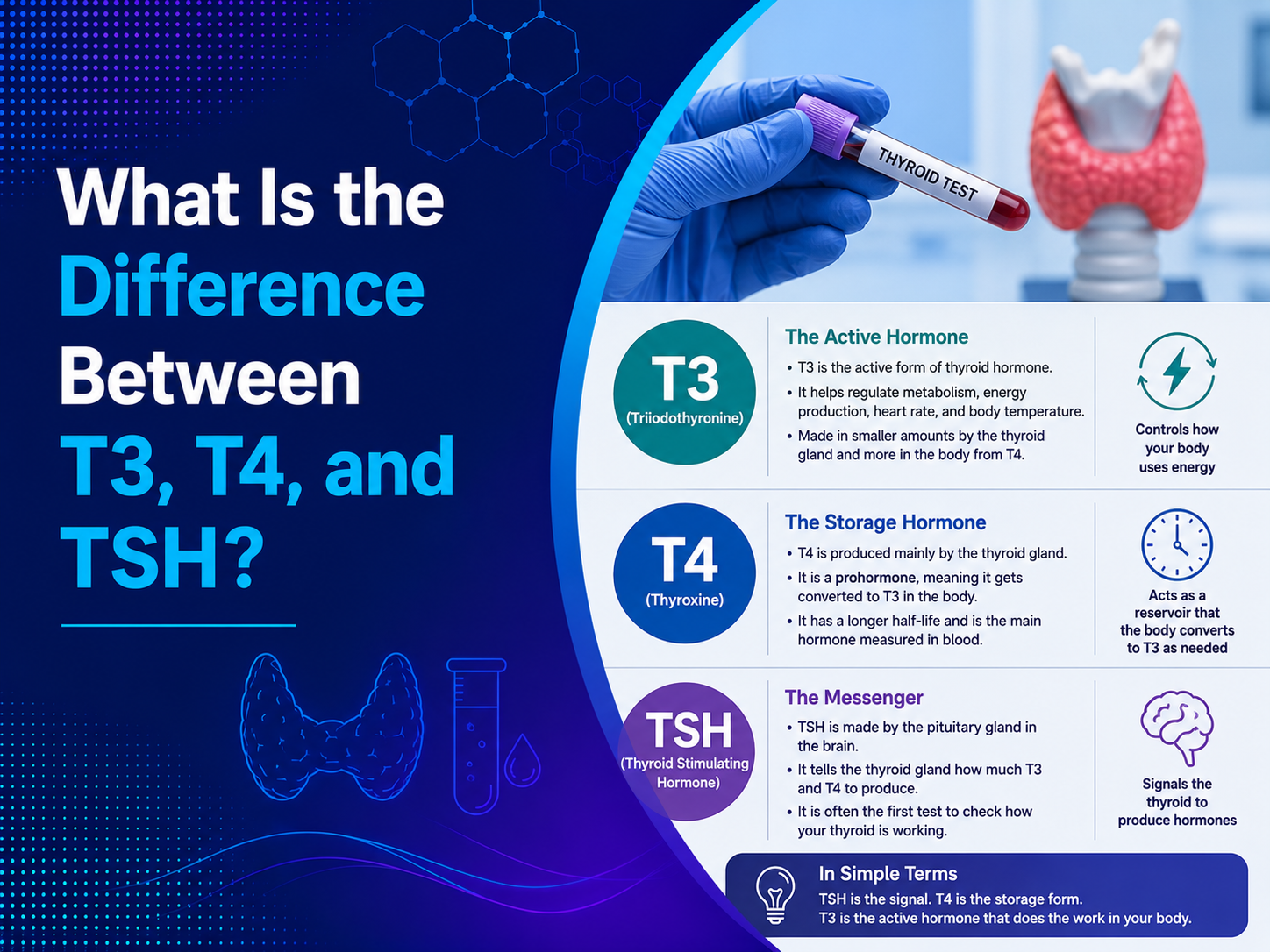
Thyroid problems are more common in women and can cause tiredness, weight changes, hair fall, or irregular periods. A TSH blood test shows how well your thyroid is working. Doctors usually advise it when you have symptoms or risk factors, such as a family history or an autoimmune condition.
If you have irregular cycles, trouble conceiving, or signs of PCOS, your doctor may add hormones such as FSH, LH, prolactin, AMH, or estradiol. A reliable Hormone Assay Test Centre in Indore can run these panels, and some of them must be timed to a specific day of your cycle.
Test 5: Breast and Pelvic Health Checks
Start with a clinical breast exam at your yearly checkup, and learn how your breasts normally look and feel. Routine mammography is usually advised from age 40, although women with a strong family history may need to start earlier.
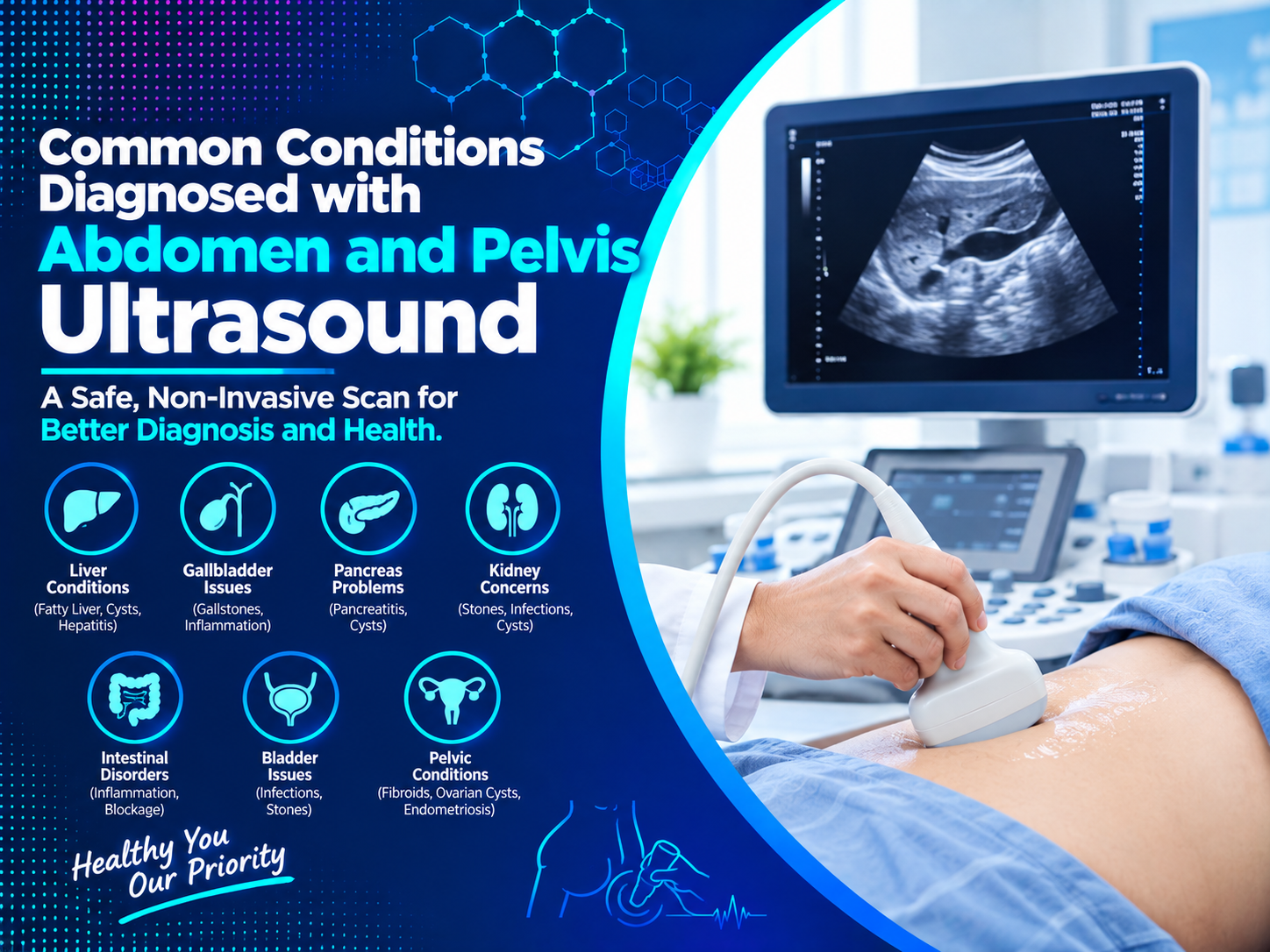
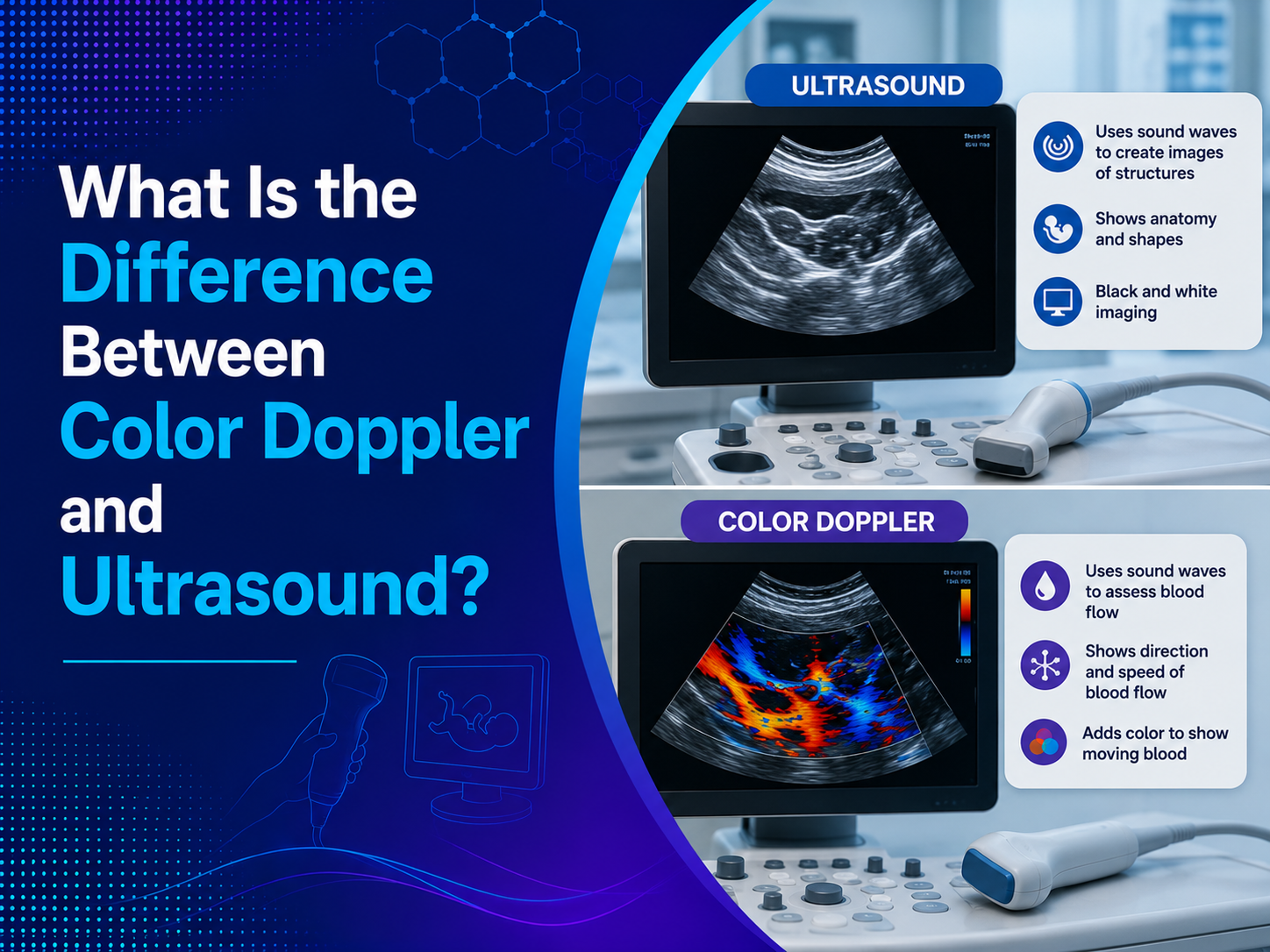
Pelvic ultrasound is not a routine screening test for everyone, but it is valuable for heavy or irregular periods, pelvic pain, or suspected fibroids and ovarian cysts. An Ultrasound Test in Indore is painless, uses no radiation, and shows the uterus and ovaries clearly.
Other Important Medical Tests for Women Your Doctor May Add
Depending on your history, your doctor may suggest extra checks.
- A complete blood count and iron studies to look for anemia
- Vitamin D and vitamin B12 levels
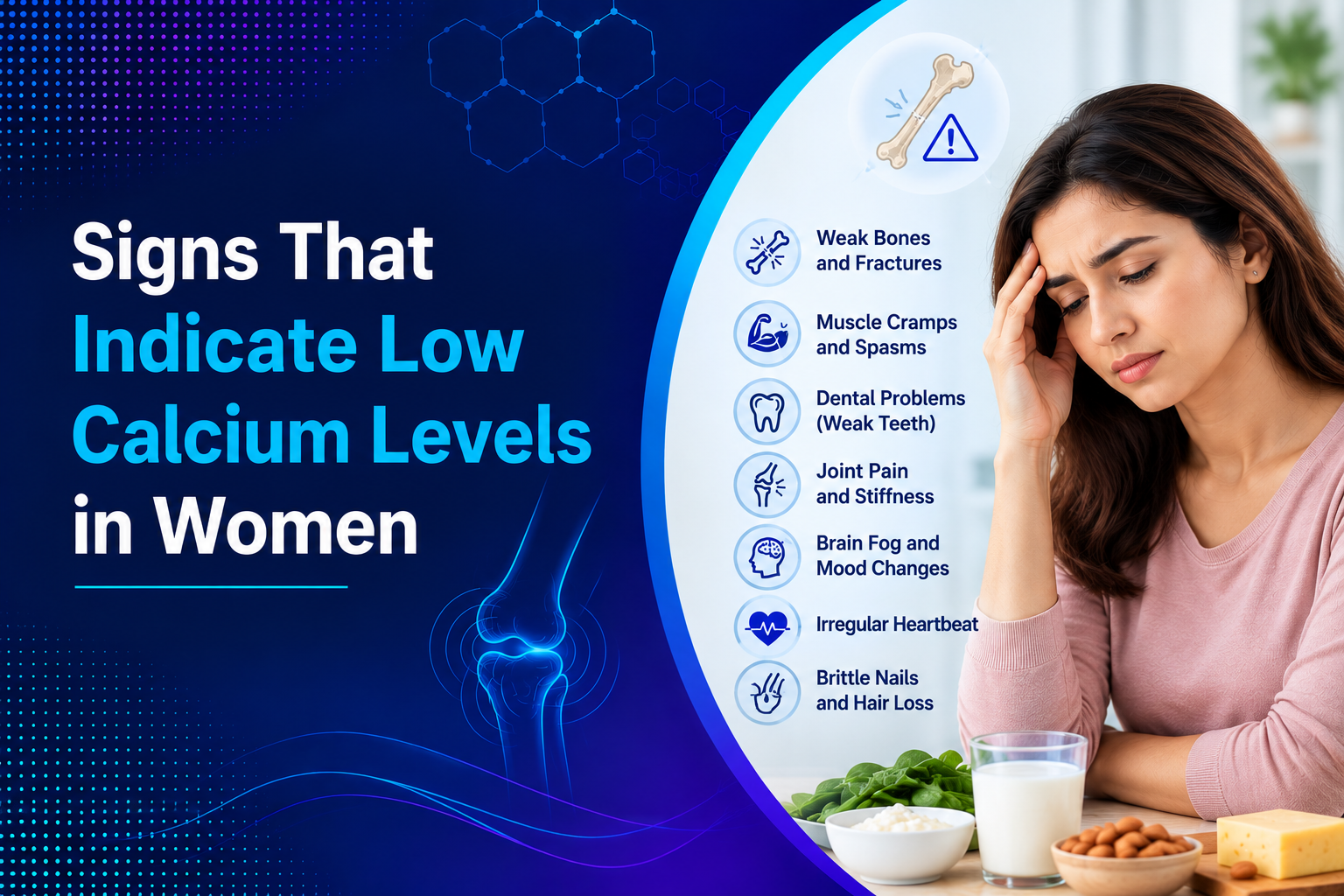
- A bone health evaluation when risk factors are present
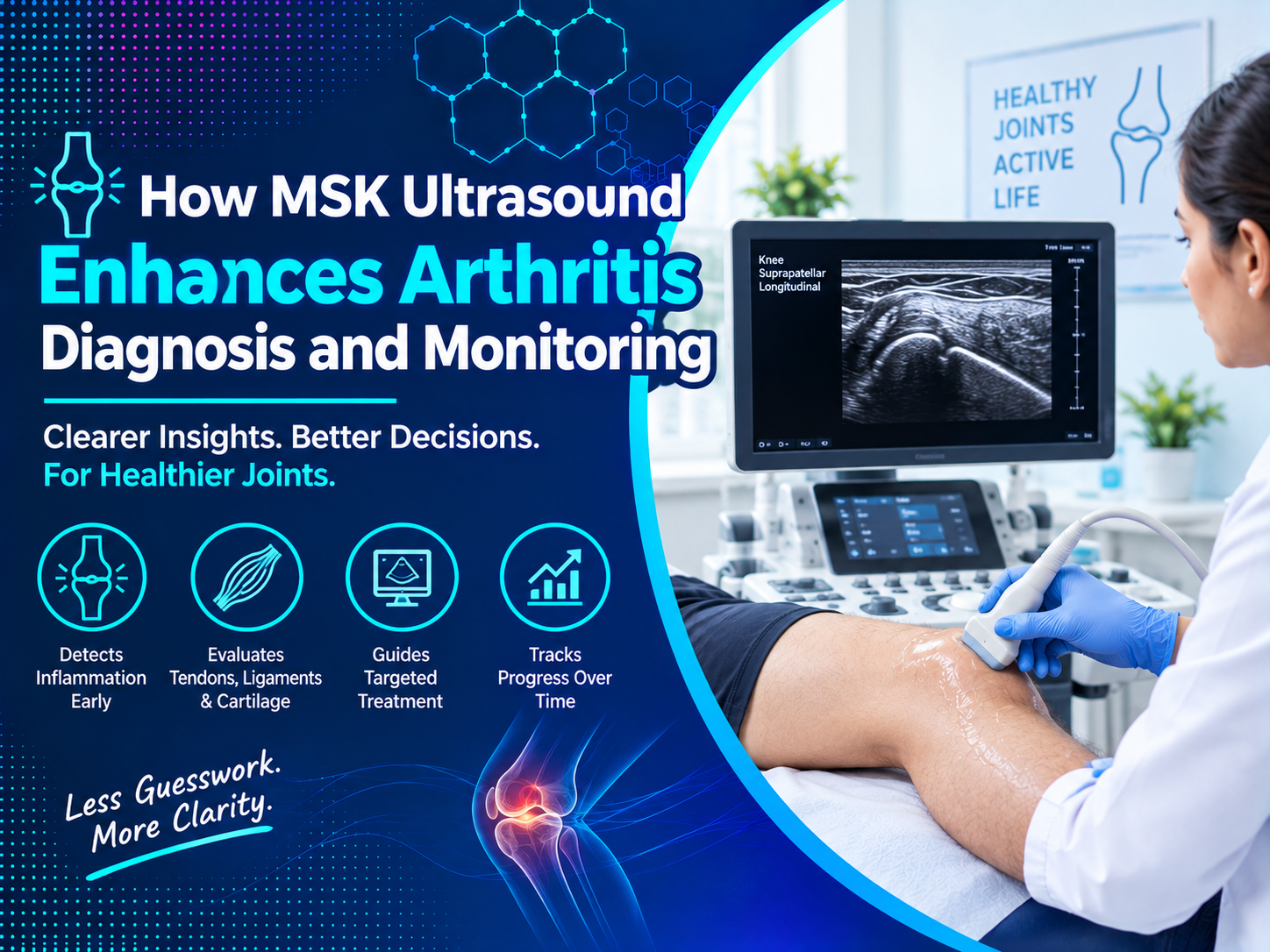
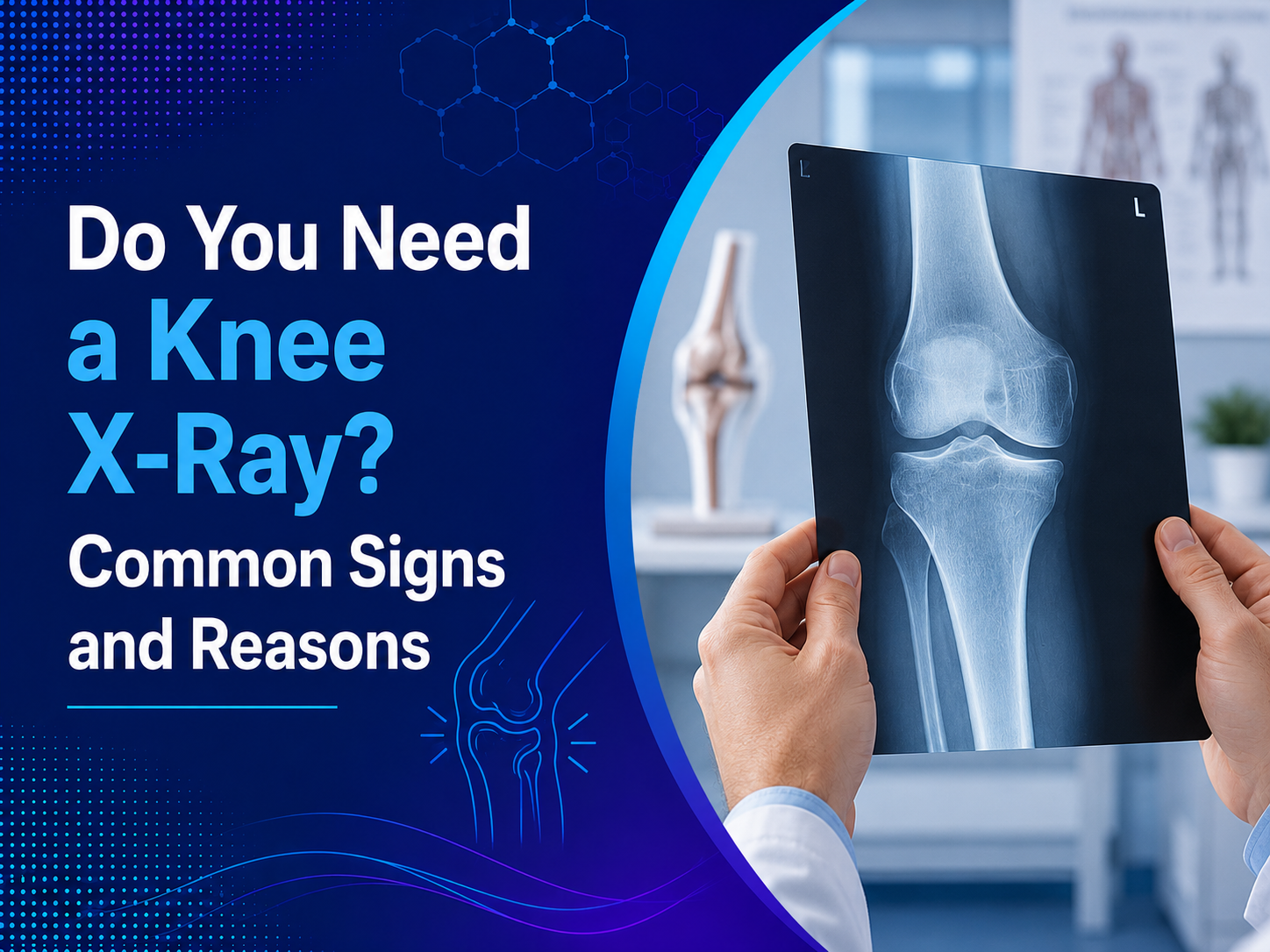
X-rays are not part of routine screening. If you have persistent bone, joint, or back pain, or after an injury, a Digital X-Ray in Indore gives fast, clear images that help your doctor decide the next step.
Common Myths About Women’s Health Tests
- Myth: No symptoms means no problem. Fact: Diabetes, high cholesterol, and early cervical changes are often silent.
- Myth: Tests are only for older women. Fact: Prevention works best when it starts early.
- Myth: One normal result lasts forever. Fact: Most tests need repeating at regular intervals.
Warning Signs You Should Not Ignore
Do not wait for your next scheduled test if you notice any of these.
- Irregular or very heavy periods
- A new breast lump or nipple discharge
- Bleeding between periods or after intercourse
- Constant fatigue, sudden weight change, or hair loss
- Excessive thirst or frequent urination
- Persistent bone or joint pain
How to Combine These Tests in One Visit
Visiting several places for blood tests, scans, and reports is hard to manage, so many women prefer a bundled plan. A well-designed full body checkup Indore package can cover blood sugar, lipid profile, thyroid, blood count, and relevant imaging together, often at a lower cost than separate tests. Check that the package matches your age and risk factors.
Simple Tips to Prepare for Your Tests
- Carry your previous reports and your doctor’s prescription.
- Ask whether you need to fast for your blood tests.
- Plan Pap and hormone tests with your menstrual cycle in mind.
- Tell the team about any medicines you take.
- Use one Diagnostic Centre in Indore each year so your reports stay together for comparison.
Choosing Where to Get Tested
Reliable results depend on trained staff, well-maintained equipment, and clear reporting. Women searching for the best diagnostic centre in Indore often value having blood tests and imaging in one place. Ultrascan Diagnostic Centre offers pathology, ultrasound, and digital X-ray services, so many of these tests can be planned in a single visit.
Frequently Asked Questions
1. At what age should women start these tests?
Cervical screening starts at 21, and many other checks begin in your thirties. Your doctor may advise earlier testing if you have risk factors.
2. Do I need a Pap smear every year?
No. Between ages 30 and 65, screening is usually every 3 to 5 years depending on the test used.
3. Should every woman get a thyroid test after 30?
Not always. Doctors usually test when you have symptoms or risk factors, so discuss your situation with them.
4. When should I start mammograms?
Usually from age 40, or earlier if you have a strong family history of breast cancer.
5. Can I do all these tests in one visit?
Many can be bundled into one package. Pap and hormone tests may need cycle timing, so confirm the plan when you book.
Conclusion
The Important Medical Tests for Women above 30 are simple, quick, and powerful. They turn vague worries into clear numbers, and they give your doctor the chance to act early when treatment is easiest.
Book your women’s health checkup at Ultrascan Diagnostic Centre today and take the first step toward a healthier decade. Call ahead or walk in to plan your tests. This article is for general information and does not replace advice from your doctor.