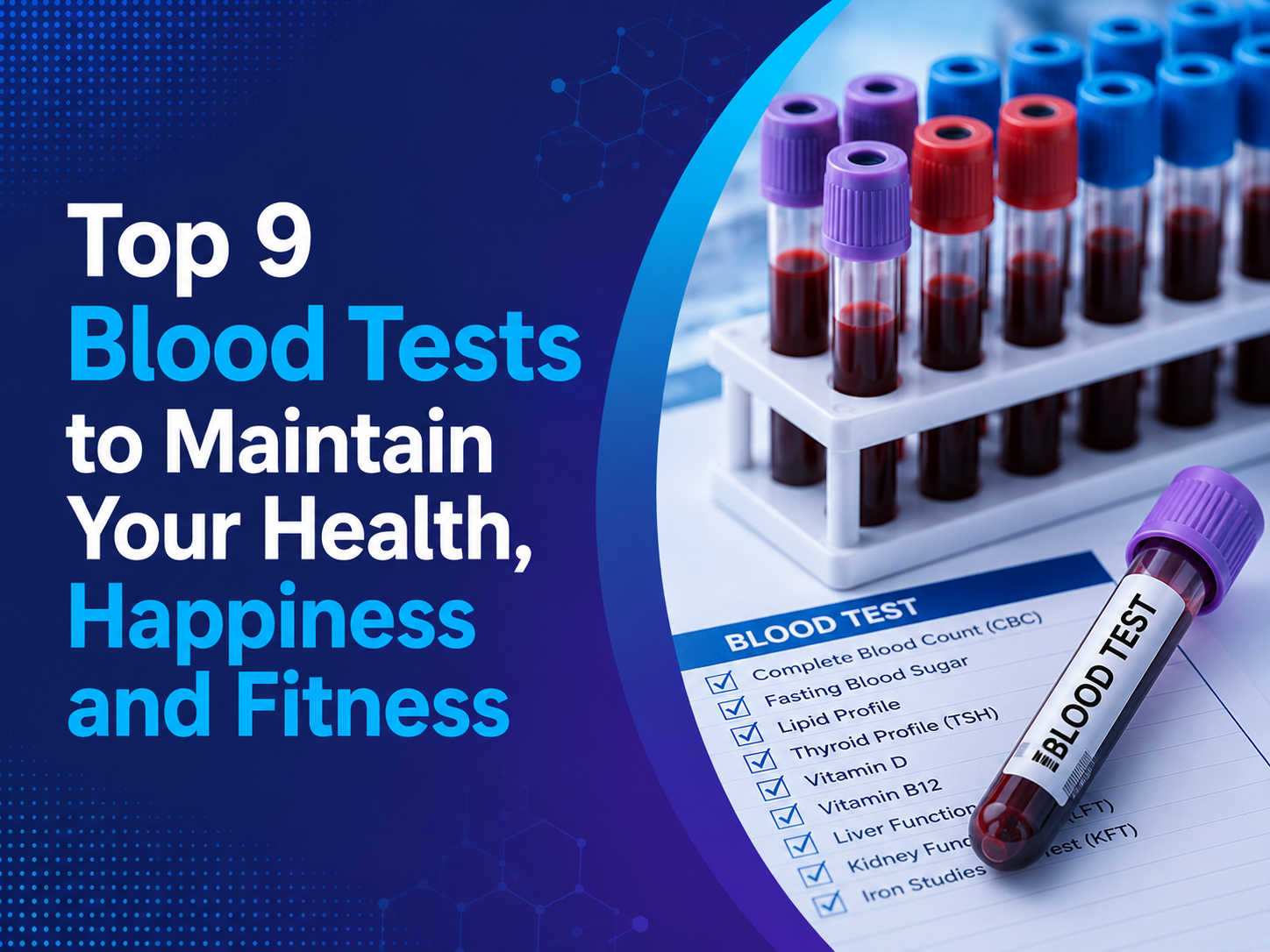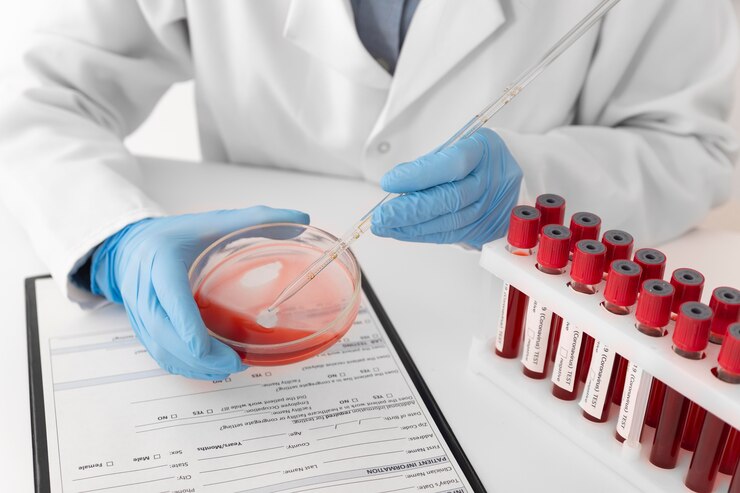
Almost every doctor’s visit for unexplained fatigue, fever, or bruising starts with the same request, a complete blood count. A CBC Test is one of the most commonly ordered lab tests in medicine because it gives a broad snapshot of your overall health in a single blood draw. This guide explains why doctors rely on it so heavily, what each part of the report means, and where to get accurate results in Indore.
What Is a CBC Test?
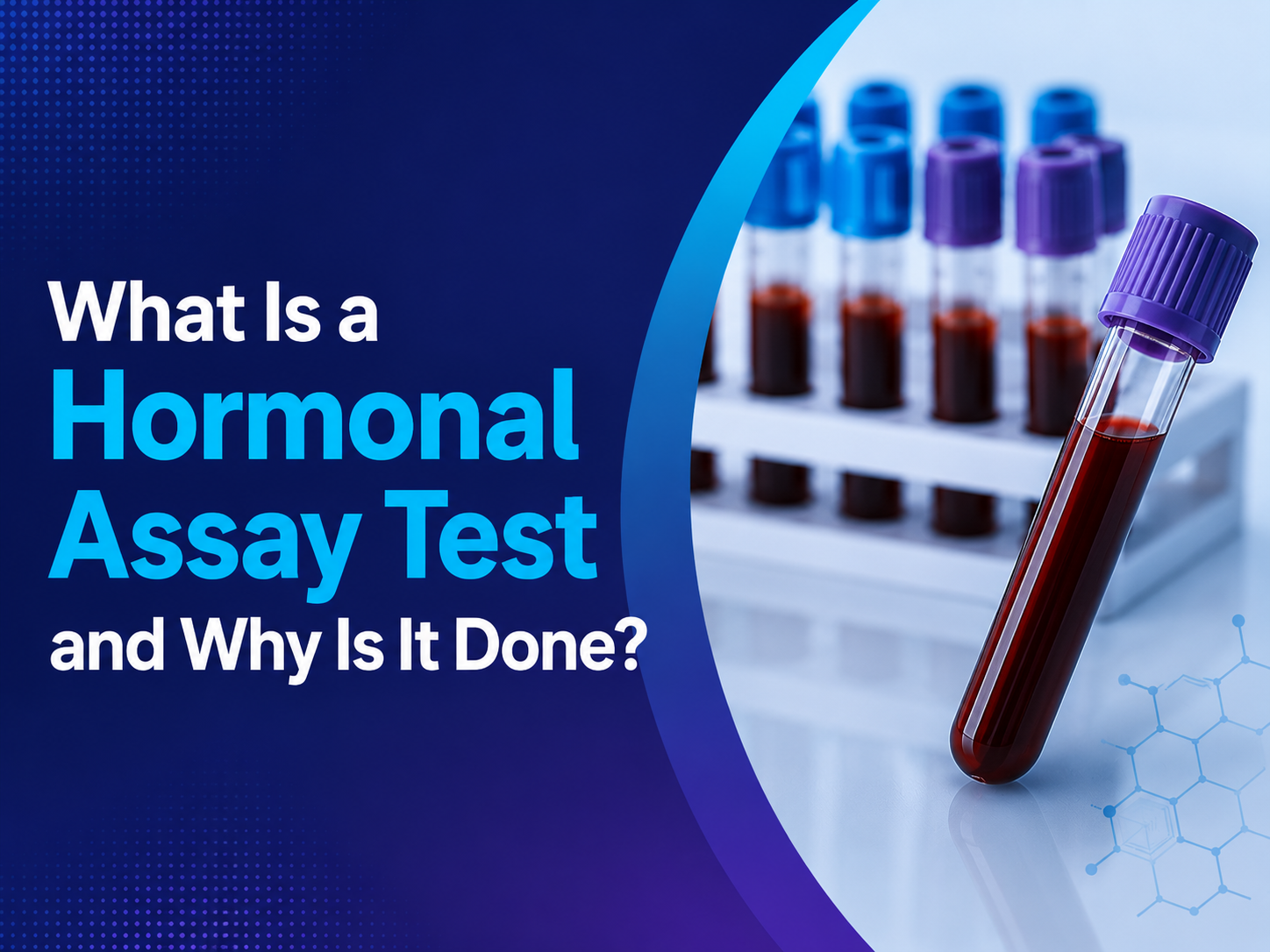
A CBC, or complete blood count, is a blood test that measures the number and quality of your red blood cells, white blood cells, and platelets. Along with these counts, it measures hemoglobin and hematocrit, two values that reflect how well your blood carries oxygen throughout your body.
A CBC Test is often described as a general health screening tool, since it can point toward dozens of different conditions ranging from mild anemia to serious blood disorders. Because it is fast, affordable, and non-invasive, it is usually one of the first tests a doctor orders when trying to understand what is happening inside your body.
Why Is the CBC Test Needed So Often?
Doctors order a CBC Test far more often than most other blood tests, and there are clear reasons why it has become such a routine part of medical care.
- Routine health screening, to check overall wellness during annual checkups
- Diagnosing unexplained symptoms, such as fatigue, weakness, fever, or dizziness
- Monitoring existing conditions, including anemia, infections, or blood disorders
- Tracking treatment progress, especially during chemotherapy or long-term medication use
- Pre-surgery evaluation, to confirm it is safe to proceed with a procedure
- Investigating bruising or bleeding, which can indicate a platelet-related issue
Because a single CBC panel covers so much ground, it often gives doctors enough information to either confirm a diagnosis or decide which additional tests are needed next.
What Does a CBC Test Measure?
A complete blood count includes several distinct components, each offering a different piece of the overall picture.
Red Blood Cells (RBC) and Hemoglobin
Red blood cells carry oxygen from your lungs to the rest of your body, and hemoglobin is the protein inside them that makes this possible. Low levels often point to anemia, while unusually high levels can suggest dehydration or a bone marrow disorder.
White Blood Cells (WBC)
White blood cells are part of your immune system and help fight infection. An elevated WBC count often signals an infection or inflammation, while a low count may indicate a weakened immune system or certain medication side effects.
Platelets
Platelets help your blood clot properly after an injury. A low platelet count can increase the risk of excessive bleeding, while a high count may raise the risk of unwanted blood clots.
Hematocrit
Hematocrit measures the percentage of red blood cells in your total blood volume. It works alongside hemoglobin to give a fuller picture of your red blood cell health and oxygen-carrying capacity.
CBC Test Components at a Glance
| Component | What It Measures | Possible Concern If Abnormal |
| Red Blood Cells (RBC) | Oxygen-carrying cells | Anemia or dehydration |
| Hemoglobin | Oxygen-carrying protein | Anemia or blood disorders |
| White Blood Cells (WBC) | Immune system activity | Infection or immune issues |
| Platelets | Blood clotting ability | Bleeding or clotting risk |
| Hematocrit | Red cell percentage in blood | Anemia or polycythemia |
What Can a CBC Test Detect?
A CBC Test can reveal signs of a wide range of conditions, which is exactly why it is used so broadly across different medical specialties.
- Anemia, including iron deficiency and other types of low red blood cell count
- Infections, both bacterial and viral, based on white blood cell patterns
- Blood cancers, such as leukemia, which often show unusual cell counts
- Bleeding or clotting disorders, based on platelet levels
- Bone marrow problems, which affect the production of blood cells
- Dehydration, which can elevate red blood cell concentration
- Nutritional deficiencies, particularly those affecting iron, vitamin B12, or folate levels
It is worth noting that a CBC is usually a starting point rather than a final answer. Abnormal results often lead to further, more specific testing to confirm an exact diagnosis.
Understanding Your CBC Test Results
Normal ranges can vary slightly between labs, but general reference ranges help you understand what your report is showing.
- Hemoglobin: roughly 13 to 17 g/dL for men, and 12 to 15 g/dL for women
- White blood cells: roughly 4,000 to 11,000 cells per microliter
- Platelets: roughly 150,000 to 450,000 per microliter
- Hematocrit: roughly 38 to 50 percent for men, and 34 to 44 percent for women
It is important to remember that results outside the normal range do not automatically confirm a diagnosis. Your doctor will interpret your CBC alongside your symptoms, medical history, and any additional tests before reaching a conclusion.
How to Prepare for a CBC Test
Good news for anyone dreading a complicated prep routine, a CBC requires very little preparation.
- No fasting is required in most cases, though your doctor may ask you to fast if other tests are being done at the same time.
- Stay well hydrated before your test, since this makes it easier to draw blood.
- Wear a short-sleeved or loose-fitting top for easy access to your arm.
- Inform the technician of any medications you are currently taking.
- The blood draw itself takes only a few minutes and involves minimal discomfort.
Why Choose Ultrascan Diagnostic Centre for Your CBC Test
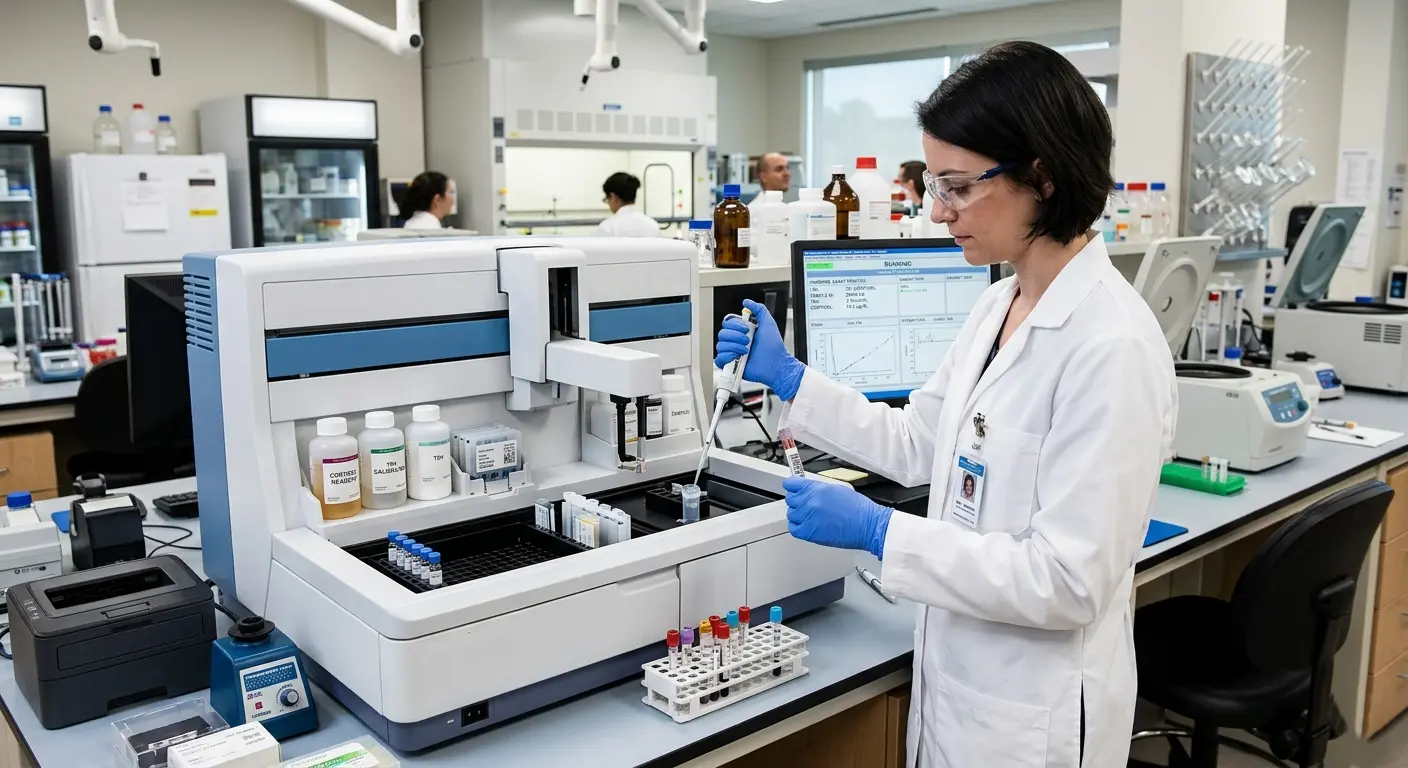
Accurate results depend on precise lab equipment and experienced staff, which is why choosing the right facility matters as much as getting the test itself. Ultrascan Diagnostic Centre is recognized as one of the best diagnostic centre in Indore for routine and specialized blood testing.
- Advanced, well-calibrated hematology analyzers for precise cell counts
- Experienced pathologists reviewing every report before it is finalized
- Affordable Health Packages that bundle CBC with other essential tests
- Comfortable environment with minimal wait times for blood collection
- Same-day digital reports shared directly with your doctor
As a trusted Pathology Lab in Indore, Ultrascan Diagnostic Centre makes it easy to get accurate, dependable CBC results without long delays or repeat visits. Patients across the city continue to choose this Indore pathology lab for its consistency and fast turnaround time.
When Should You Get a CBC Test?
You do not need to wait for a doctor’s referral in every case, though it is always a good idea to discuss your results with a healthcare provider.
- As part of your annual Health Packages and routine wellness checkup
- If you experience persistent fatigue, weakness, or unexplained bruising
- Before undergoing surgery or a major medical procedure
- While managing a chronic condition that affects blood cell counts
- If you have a family history of blood disorders or anemia
Frequently Asked Questions
1. Do I need to fast before a CBC test?
No, fasting is generally not required for a standalone CBC test. However, if it is combined with other tests like blood sugar or lipid profile, your doctor may ask you to fast beforehand.
2. How long does it take to get CBC test results?
Most diagnostic centres, including modern Indore pathology lab facilities, provide CBC results within a few hours on the same day. This quick turnaround makes it useful for urgent evaluations as well as routine screening.
3. Can a CBC test diagnose cancer?
A CBC alone cannot confirm a cancer diagnosis, but unusual cell counts can raise suspicion of conditions like leukemia. If results are abnormal, your doctor will likely recommend further specialized testing to confirm the cause.
4. How often should I get a CBC test done?
Healthy adults typically include a CBC as part of their annual checkup, while people managing chronic conditions may need it more frequently. Your doctor will recommend the right frequency based on your health history and any ongoing treatment.
5. Is a CBC test painful?
A CBC test involves a standard blood draw, which may cause brief, mild discomfort at the needle site. The process itself takes only a few minutes and carries minimal risk for most people.
Conclusion
A CBC Test may be a simple blood draw, but the information it provides is anything but basic. From detecting anemia and infections to flagging early signs of more serious conditions, this single test remains one of the most valuable tools in modern diagnostics.
Book your CBC Test today at Ultrascan Diagnostic Centre, a trusted Diagnostic Centre in Indore for fast, accurate blood testing. Walk in or call ahead to schedule your appointment and get the clarity you need about your health.