Understanding what’s happening inside your body can feel like a mystery. But with a simple blood test, you can unlock vital information about your health. The Complete Blood Count (CBC) test offers detailed insights into your immune function, anemia, infection, and overall well-being. This post breaks down the CBC test, helping you make sense of each part of the test and understand what it means for your health.
If you’re considering a CBC test in Indore, we’ll cover everything from its purpose to what it reveals, making it easy to know what to expect and why it’s essential for preventative care. Whether you’re looking for clarity on what the test reveals or are just curious about how it can guide better health decisions, this article will answer your questions.
What is a CBC Test, and Why is It Important?
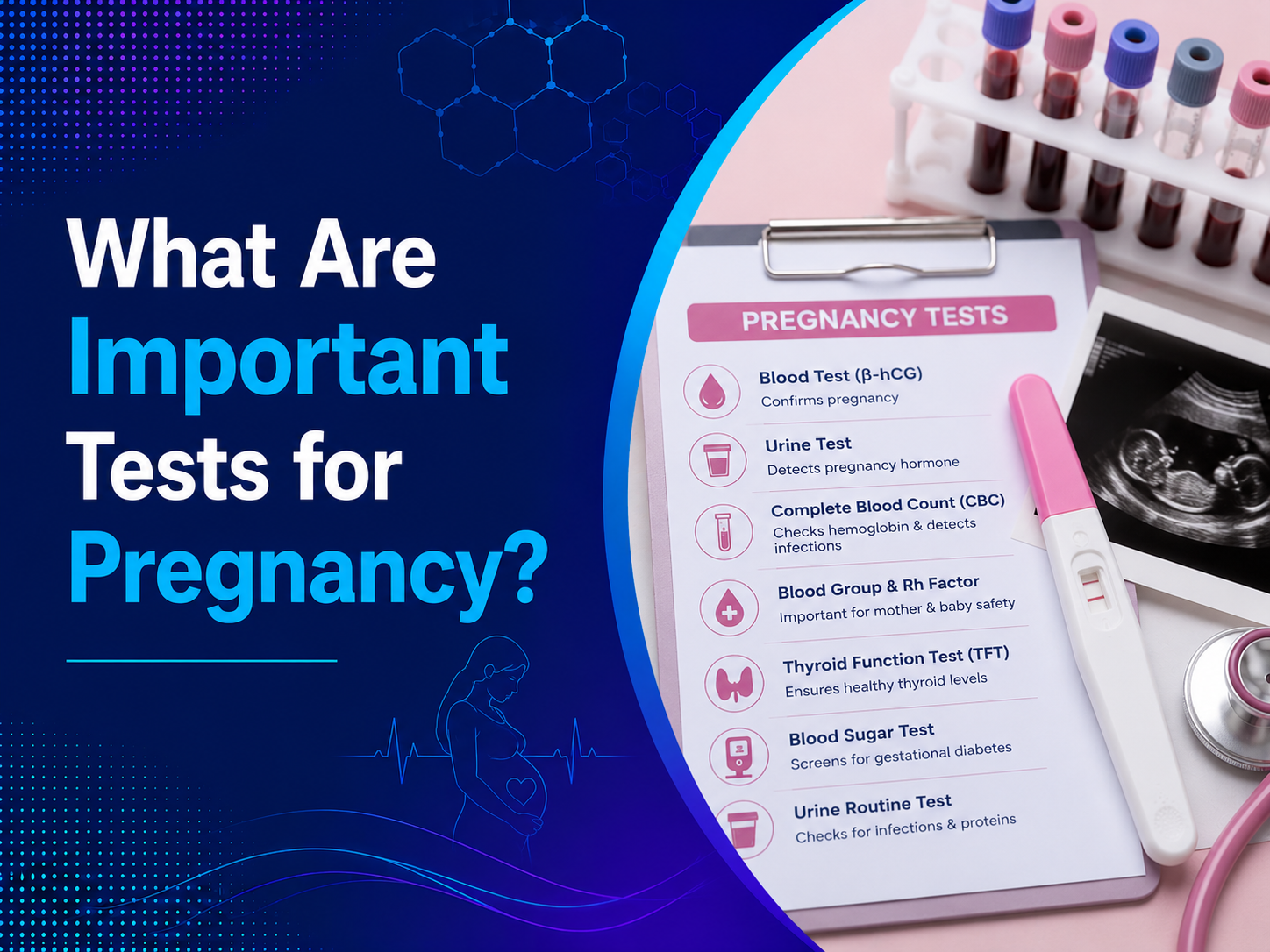
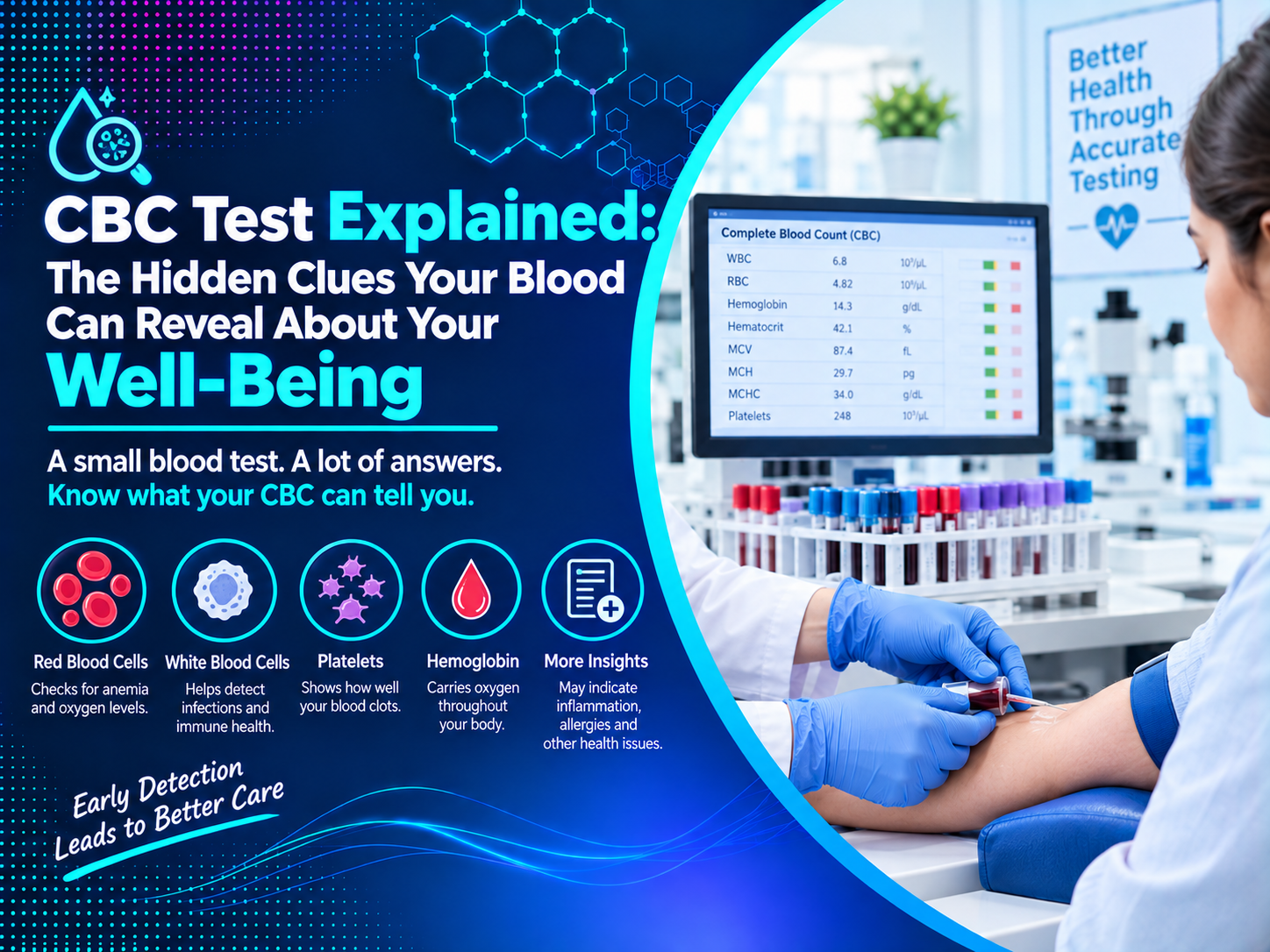
A Complete Blood Count (CBC) test is a routine blood test that evaluates different cells circulating in your blood. It measures components like red blood cells (RBCs), white blood cells (WBCs), hemoglobin, hematocrit, and platelets. Each of these metrics can tell a unique story about your health:
- Red Blood Cells (RBCs): These cells carry oxygen throughout your body. A low RBC count may signal anemia, while a high count can indicate dehydration or other conditions.
- White Blood Cells (WBCs): These are crucial for fighting infections. Elevated levels can indicate an active infection, while low levels might suggest immune system issues.
- Platelets: These cells help your blood clot. Abnormal levels could signal a blood disorder or increased bleeding risk.
By analyzing these metrics, a CBC test can help detect potential health issues early on, allowing for prompt intervention. At Ultrascan Diagnostic in Indore, experienced technicians conduct CBC tests accurately, offering reliable options for those seeking to understand their health better.
Why Should You Consider a CBC Test?
A CBC test is often the first step toward understanding your overall health. Here are some reasons why a CBC test might be recommended:
- Routine Health Check: Regular blood tests can catch potential issues early before symptoms appear.
- Symptom Investigation: If you experience fatigue, weakness, fever, inflammation, or other symptoms, a CBC test can help pinpoint the cause.
- Monitoring Chronic Conditions: For individuals with ongoing health conditions like anemia or autoimmune disorders, a CBC test is essential for managing and adjusting treatments.
- Pre-Surgery Screening: A CBC test is frequently required before surgeries to ensure there are no blood or clotting abnormalities that could affect the procedure.
Breaking Down the CBC Test Components and What They Mean
Understanding the specific components of your CBC results can help you interpret your overall health status:
- Red Blood Cell (RBC) Count
- What it Reveals: RBC count indicates the number of red blood cells in your blood. Low levels might suggest anemia, which can cause fatigue and weakness.
- Healthy Range: Generally, the normal range for men is 4.7 to 6.1 million cells per microliter and for women, 4.2 to 5.4 million cells per microliter.
- White Blood Cell (WBC) Count
- What it Reveals: WBCs are your body’s defense mechanism against infections. Elevated WBCs may indicate infection, inflammation, or even stress.
- Healthy Range: The normal range is approximately 4,000 to 11,000 cells per microliter.
- Hemoglobin Levels
- What it Reveals: Hemoglobin in RBCs carries oxygen. Low hemoglobin often indicates anemia, while high hemoglobin can signal other health conditions.
- Healthy Range: Typically, 13.8 to 17.2 grams per deciliter for men and 12.1 to 15.1 grams per deciliter for women.
- Hematocrit Levels
- What it Reveals: This measures the volume of RBCs in your blood. Lower levels may also point to anemia, while high levels could indicate dehydration.
- Healthy Range: The normal range for men is 40.7% to 50.3%, and for women, it is 36.1% to 44.3%.
- Platelet Count
- What it Reveals: Platelets are responsible for clotting. Low platelet count can cause excessive bleeding, while high counts may signal blood disorders.
- Healthy Range: Normal platelet count is between 150,000 and 450,000 per microliter.
How to Prepare for a CBC Test
Preparing for a CBC test is simple, as it usually requires no special preparations. However, here are a few tips to keep in mind:
- Hydration: Drink plenty of water to help make the blood draw smoother.
- Fasting (If Required): Although not typically required for a CBC test, if other tests are being done simultaneously, fasting may be necessary.
- Medications: Inform your healthcare provider if you’re on any medications, as some might affect the results.
Where to Get a CBC Test in Indore: Why Choose Ultrascan Diagnostic
Choosing a reputable diagnostic center in Indore for your CBC test is essential for accuracy and convenience. Ultrascan Diagnostic in Indore is known for its reliable testing services, skilled technicians, and quick turnaround time, making it a top choice for residents. They provide results with accuracy, ensuring you can trust the information for managing your health.
What to Do After Receiving Your CBC Results
Once you receive your CBC results, review them with a healthcare provider. They can explain any abnormalities and suggest necessary steps for further testing or treatments.
- Normal Results: Even if your results fall within the normal range, regular testing can help monitor any changes over time.
- Abnormal Results: If you have abnormal levels, your healthcare provider may order additional tests to investigate further and recommend treatment options.
Frequently Asked Questions (FAQs)
1. What is a Complete Blood Count (CBC) test used for?
A CBC test measures red blood cells, white blood cells, hemoglobin, hematocrit, and platelets. It helps healthcare providers identify signs of anemia, infections, and certain blood disorders.
2. Do I need to fast before a CBC test in Indore?
No, fasting is generally not required for a CBC test. However, if you are undergoing additional blood tests at the same time, your healthcare provider may recommend fasting.
3. How long does it take to get CBC test results?
CBC test results are often available within 24 hours, although the turnaround time can vary depending on the diagnostic laboratory and the tests performed.
4. Can a CBC test detect anemia and infections?
Yes, a CBC test can help identify signs of anemia by measuring red blood cells and hemoglobin. Abnormal white blood cell counts may indicate an infection or inflammation, but additional tests may be needed to confirm the underlying cause.
5. Where can I get a CBC test in Indore?
You can visit Ultrascan Diagnostic in Indore for CBC testing and other diagnostic services. A healthcare provider can help you understand your results and determine whether further testing is necessary.
Conclusion
A Complete Blood Count (CBC) test is an important diagnostic tool that provides valuable information about your overall health. It helps assess blood cell levels, identify possible signs of anemia or infection, and support routine health monitoring.
If you are looking for a CBC test in Indore, Ultrascan Diagnostic offers diagnostic testing services to help you stay informed about your health. Consult your healthcare provider to understand which tests are appropriate for your needs.
Contact Us: Get in touch with Ultrascan Diagnostic to learn more about CBC testing, available diagnostic services, and appointment details. Take a proactive step toward understanding your health with the right diagnostic support.