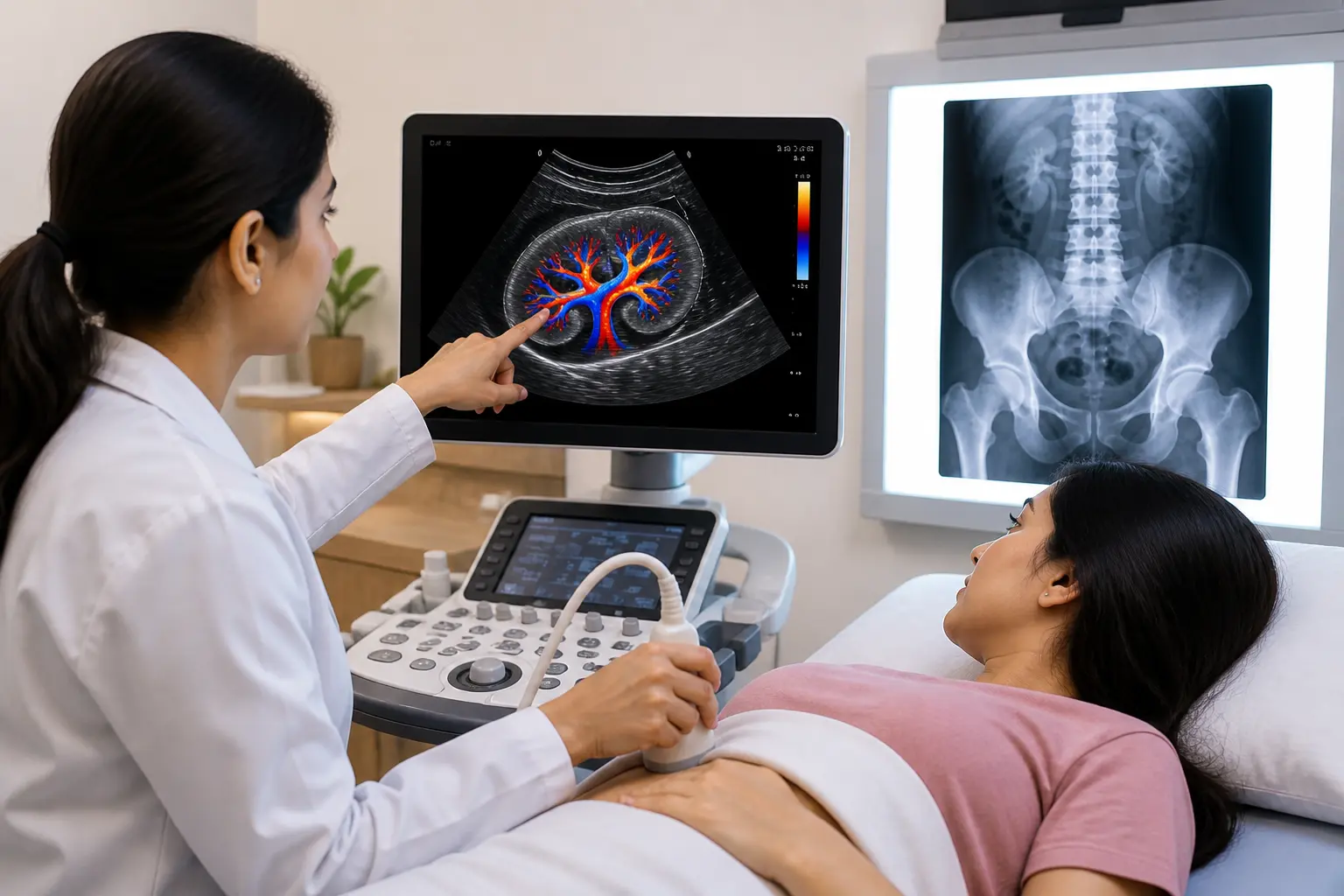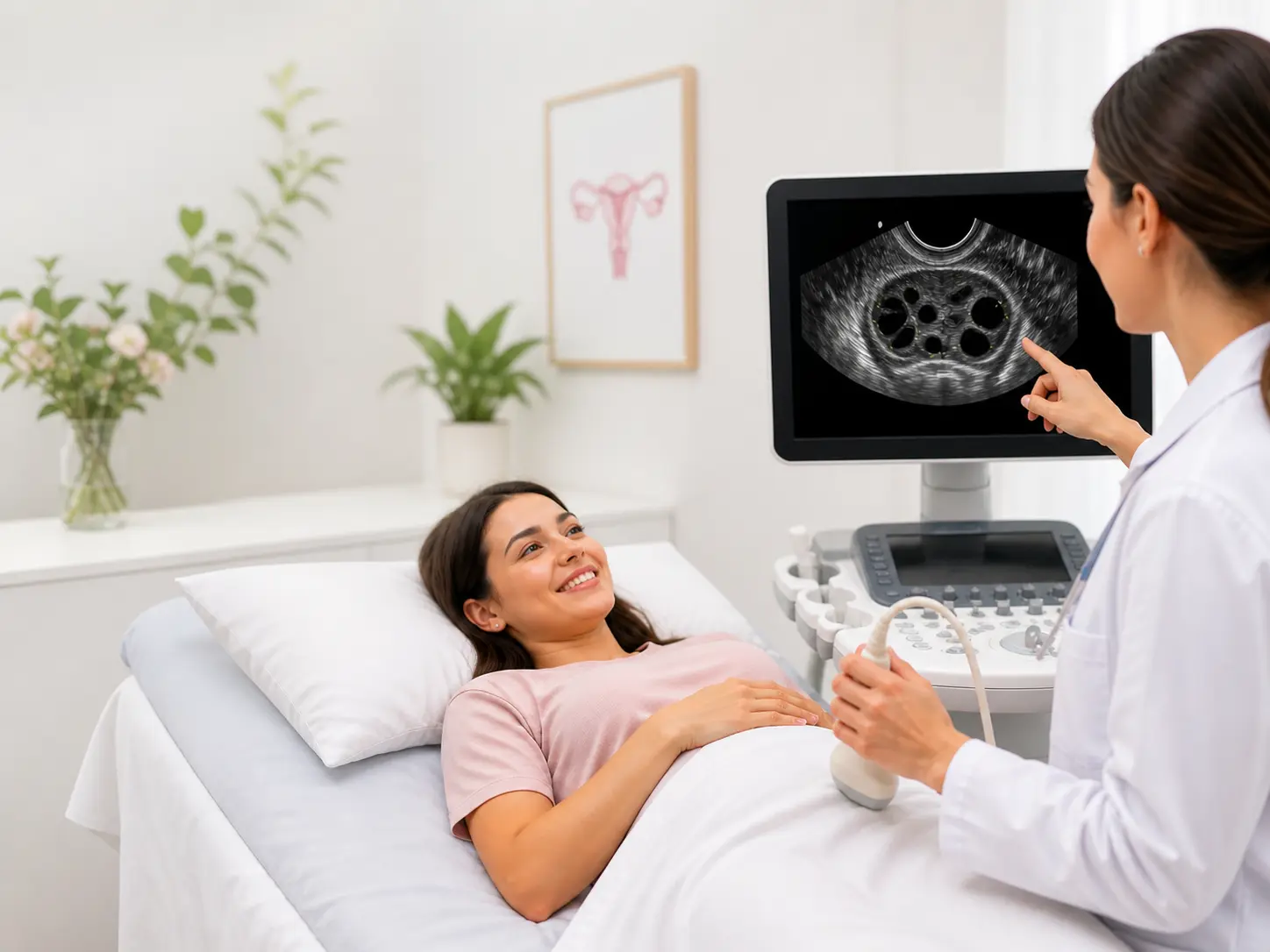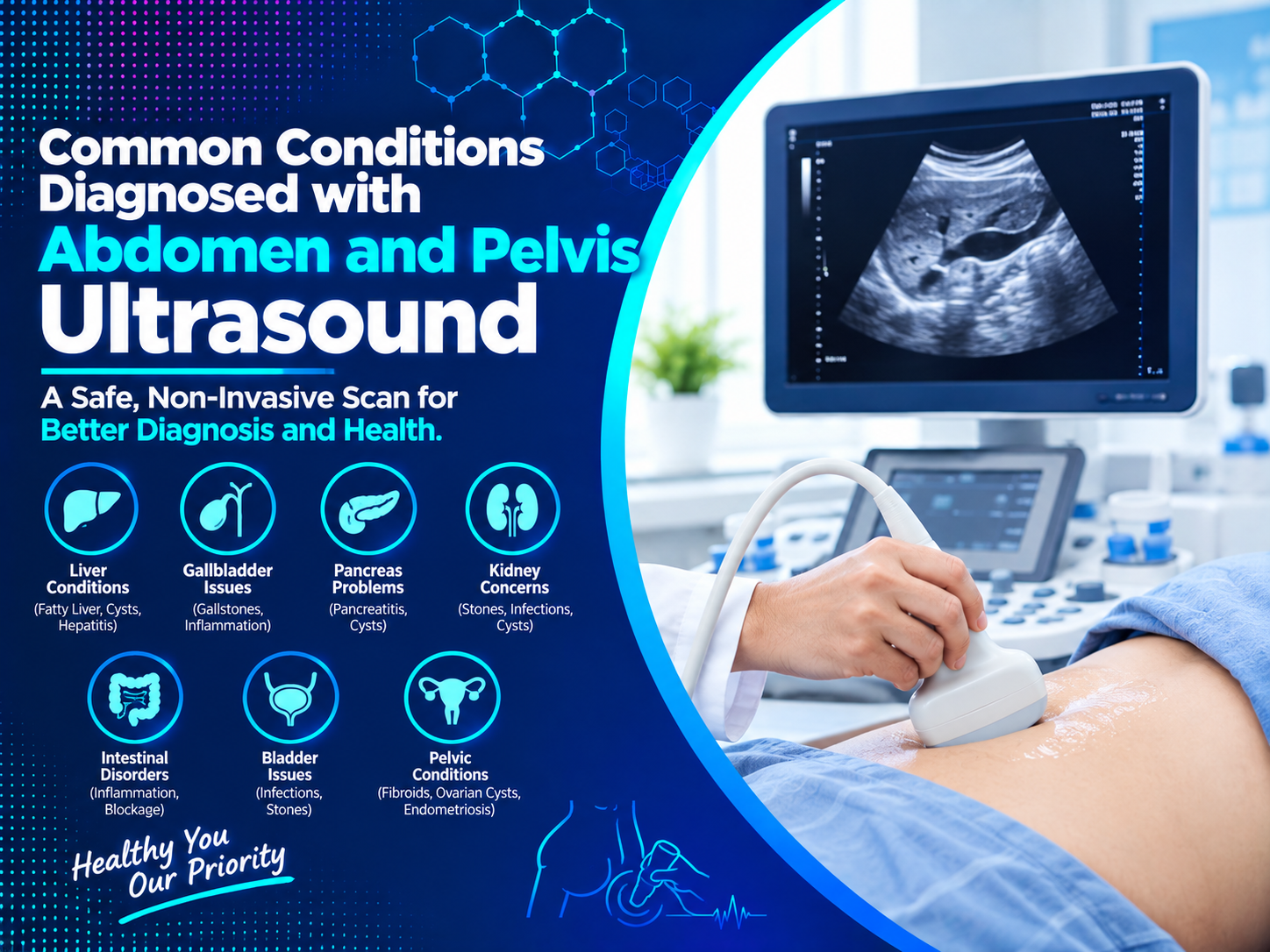
Unexplained abdominal pain, bloating, or pelvic discomfort can stem from dozens of different causes, which is exactly why imaging plays such an important role in reaching a clear diagnosis. An Abdomen and Pelvis Ultrasound gives doctors a detailed, real-time view of the organs in this region, helping identify everything from gallstones to ovarian cysts without any radiation exposure. This guide explains which conditions this scan commonly detects, what organs it examines, and when your doctor might recommend one.
What Does an Abdomen and Pelvis Ultrasound Examine?
This combined scan covers a wide range of organs within the abdominal and pelvic cavity, offering a broad diagnostic view in a single appointment. The abdominal portion typically examines the liver, gallbladder, pancreas, spleen, and kidneys, while the pelvic portion focuses on the bladder and reproductive organs.
An Abdomen and Pelvis Ultrasound is often ordered together precisely because symptoms like pain or bloating can originate from either region, and examining both areas in one session gives doctors a more complete picture. This approach also saves patients from scheduling separate appointments for what might turn out to be a single, related issue.
Gallbladder and Liver Conditions Detected by Ultrasound
The gallbladder and liver are among the most commonly evaluated organs during this scan, largely because ultrasound is particularly effective at visualizing their structure.
- Gallstones, hard deposits that can cause blockages and severe pain in the gallbladder
- Cholecystitis, inflammation of the gallbladder, often resulting from gallstones blocking the bile duct
- Fatty liver disease, identified through changes in liver texture and appearance
- Liver cirrhosis, detected through structural changes reflecting long-term liver damage
- Liver cysts or masses, which may require further evaluation depending on their characteristics
Since gallstones are one of the most frequent findings on this type of scan, doctors often recommend it as a first step when a patient reports pain in the upper right abdomen.
Kidney and Urinary Tract Conditions
The kidneys and urinary system are another major focus of abdominal ultrasound, since this imaging method is particularly effective at identifying structural changes in this area.
- Kidney stones, visible as dense deposits within the kidney or ureter
- Hydronephrosis, swelling of the kidney caused by urine buildup, often from a blockage
- Kidney cysts, generally harmless fluid-filled sacs that ultrasound can distinguish from more concerning masses
- Kidney infections, which can cause visible swelling or structural changes
- Bladder abnormalities, including stones, thickened walls, or suspicious growths
Doctors frequently recommend this scan for patients experiencing flank pain, blood in the urine, or recurrent urinary tract infections, since these symptoms often point toward an underlying structural cause.
Pancreatic and Spleen Conditions
While less commonly discussed than gallbladder or kidney issues, the pancreas and spleen are also carefully examined during this scan.
- Pancreatitis, inflammation of the pancreas often linked to gallstones or other underlying causes
- Pancreatic cysts, fluid-filled sacs that may require monitoring depending on their size and features
- Splenic enlargement, which can indicate a range of underlying conditions affecting blood or immune function
- Splenic injury, particularly relevant following trauma or significant abdominal impact
Reproductive Health Conditions Diagnosed by Pelvic Ultrasound
For women, the pelvic portion of this scan plays a particularly important role in evaluating reproductive health concerns.
| Condition | What the Scan Reveals |
| Ovarian cysts | Fluid-filled sacs on the ovaries, including their size and characteristics |
| Uterine fibroids | Non-cancerous growths within or around the uterus |
| Endometriosis | Signs of tissue growth outside the uterus, in certain cases |
| Pelvic inflammatory disease | Inflammation or fluid collection in the pelvic region |
| Ectopic pregnancy | A pregnancy developing outside the uterus, requiring urgent evaluation |
For men, this same scan can assess the prostate and seminal vesicles, helping identify enlargement or other abnormalities that may be contributing to urinary symptoms.
Common Symptoms That Lead to This Scan
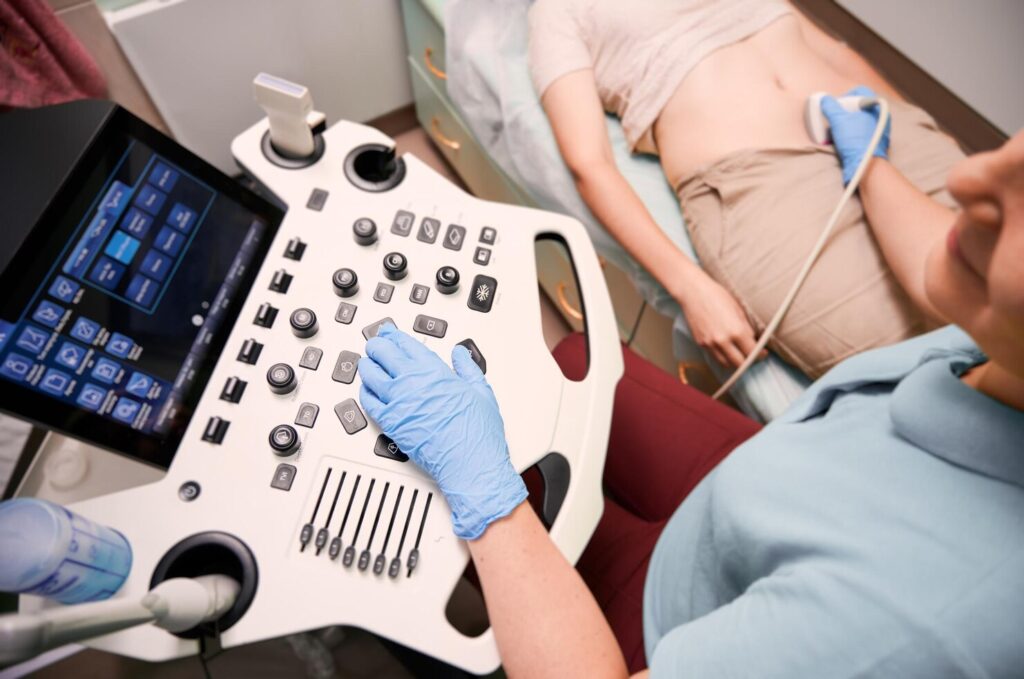
Doctors typically recommend an Abdomen and Pelvis Ultrasound when a patient presents with specific symptoms that suggest an underlying structural issue.
- Persistent abdominal pain or unexplained bloating
- Pain specifically in the upper right abdomen, often linked to gallbladder issues
- Flank pain, which may suggest a kidney-related concern
- Irregular menstruation or ongoing pelvic pain
- Frequent or painful urination
- A noticeable lump or swelling in the abdominal area
If any of these symptoms persist for more than a week or two without improvement, early evaluation through imaging often helps detect conditions before they progress further.
What to Expect During the Procedure
Understanding the process can help ease any uncertainty before your appointment.
- For the abdominal portion, fasting for 6 to 8 hours beforehand is often recommended for clearer gallbladder visualization.
- For the pelvic portion, a full bladder is typically required, since this helps sound waves travel more clearly to create a sharper image.
- A gel is applied to the skin, and a sonographer moves the transducer gently over the area being examined.
- The scan is painless and generally takes between 20 and 45 minutes, depending on how many organs are being evaluated.
- A radiologist reviews the images and prepares a detailed report for your doctor.
Advanced Imaging for More Detailed Pelvic Evaluation
In certain cases, a standard pelvic scan may not provide enough detail to fully clarify a finding, particularly when assessing complex uterine or ovarian structures. 3D USG Pelvic Scans in Indore can offer enhanced clarity in these situations, giving doctors a more detailed view when further evaluation is needed.
Specialized Pelvic Imaging Options
For patients requiring closer monitoring of a known condition, such as fibroids or ovarian cysts, dedicated Pelvic Scans in Indore performed at regular intervals can help track changes over time and guide treatment decisions more effectively.
Combining Ultrasound With a Broader Health Assessment
Patients who undergo this scan as part of a general health concern may also benefit from exploring comprehensive Health Packages in Indore, which often bundle abdominal imaging with relevant blood work for a more complete evaluation.
Choosing the Right Facility for Your Scan
Since accuracy depends heavily on both equipment quality and sonographer experience, choosing a well-established facility genuinely matters for this type of detailed imaging.
Why Choose Ultrascan Diagnostic Centre
Ultrascan Diagnostic Centre is recognized as one of the best diagnostic centre in Indore for abdominal and pelvic imaging, combining modern ultrasound equipment with experienced radiologists who review every scan carefully.
Frequently Asked Questions
1. Do I need to fast before an abdomen and pelvis ultrasound?
Fasting for 6 to 8 hours is typically recommended for the abdominal portion, particularly to get a clear view of the gallbladder. Your diagnostic centre will provide specific instructions based on which organs are being examined.
2. Why do I need a full bladder for the pelvic part of the scan?
A full bladder helps sound waves travel more clearly, creating a sharper image of the pelvic organs, including the uterus, ovaries, or prostate. Your doctor or sonographer will advise you on how much water to drink before your appointment.
3. Can this scan detect cancer?
This scan can identify suspicious masses or cysts that may require further evaluation, but it cannot provide a definitive cancer diagnosis on its own. Additional tests, such as a biopsy, are usually needed to confirm or rule out cancer when a concerning finding is identified.
4. Is an abdomen and pelvis ultrasound painful?
No, this scan is completely painless and non-invasive, involving only a gel and a handheld transducer moved gently over the skin. Some mild discomfort may occur if a full bladder is required, but this resolves quickly once the scan is complete.
5. How soon will I get my results after the scan?
Most diagnostic centres share results within the same day or within 24 hours, depending on how complex the findings are. Your doctor will review the report alongside your symptoms before recommending any next steps.
Conclusion
An Abdomen and Pelvis Ultrasound remains one of the most versatile diagnostic tools available, capable of identifying everything from gallstones to reproductive health concerns in a single, painless appointment. Understanding what this scan can reveal helps take some of the uncertainty out of unexplained abdominal or pelvic symptoms.
Book your abdomen and pelvis ultrasound today at Ultrascan Diagnostic Centre and get clear, accurate answers about what’s behind your symptoms. Walk in or call ahead to schedule your appointment and take a confident step toward better health.