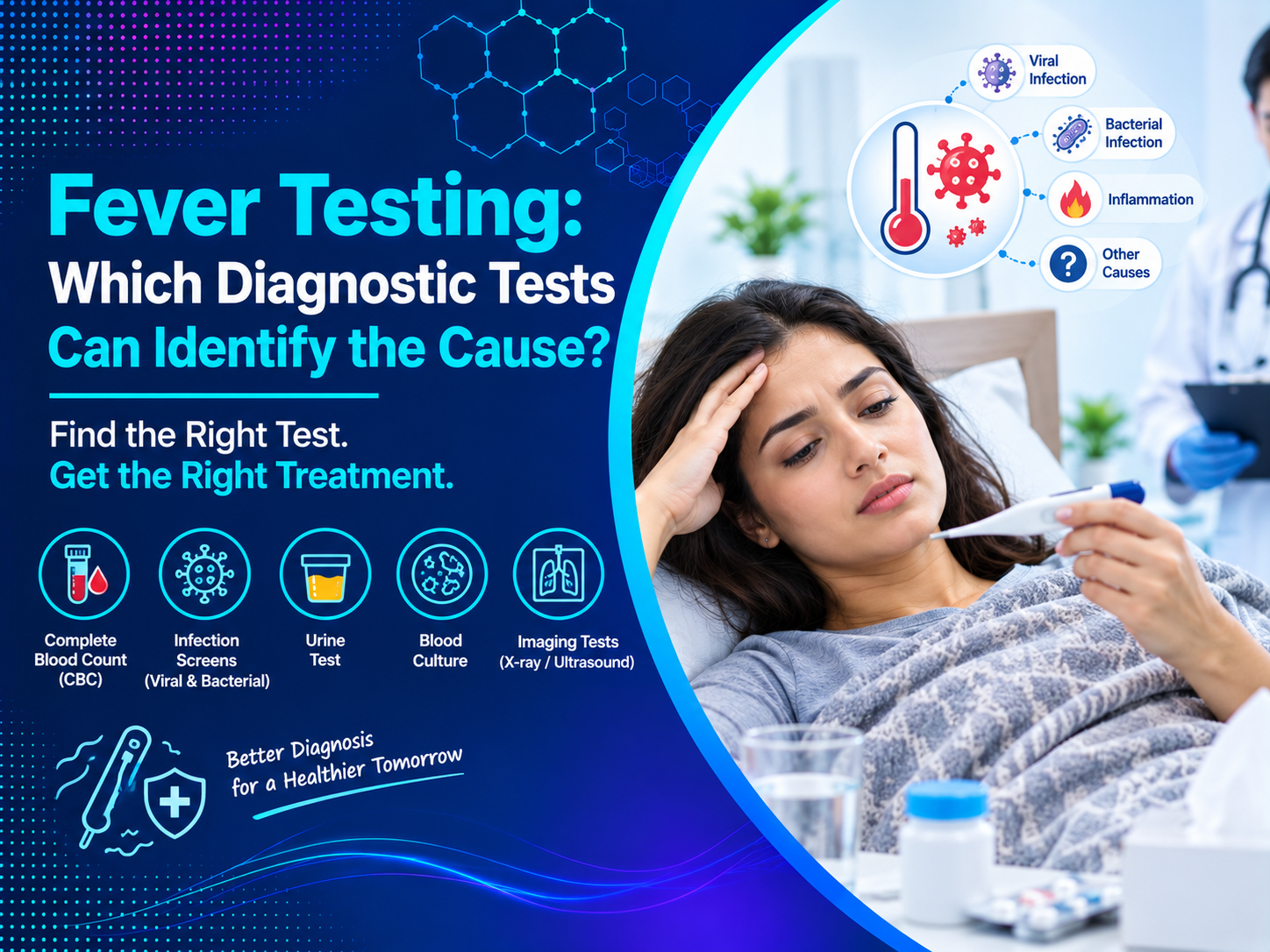
A fever is your body’s natural response to infection, but it rarely tells you exactly what is causing it on its own. Fever Testing helps doctors move beyond guesswork, using specific blood tests to identify whether a viral, bacterial, or parasitic infection is behind your symptoms. This guide explains which tests are commonly used, what each one reveals, and when it is time to get tested rather than wait it out.
Why a Fever Alone Doesn’t Tell the Full Story
Fever is a symptom, not a diagnosis, since the same elevated temperature can result from dozens of different underlying causes. A mild viral infection, a bacterial illness, or a vector-borne disease like dengue can all present with nearly identical symptoms in the first day or two.
This overlap is exactly why Fever Testing becomes so valuable once a fever persists beyond a couple of days or comes with additional warning signs. Rather than guessing based on symptoms alone, targeted blood tests give doctors the specific information needed to confirm a diagnosis and choose the right treatment.
When Should You Get Fever Testing Done?
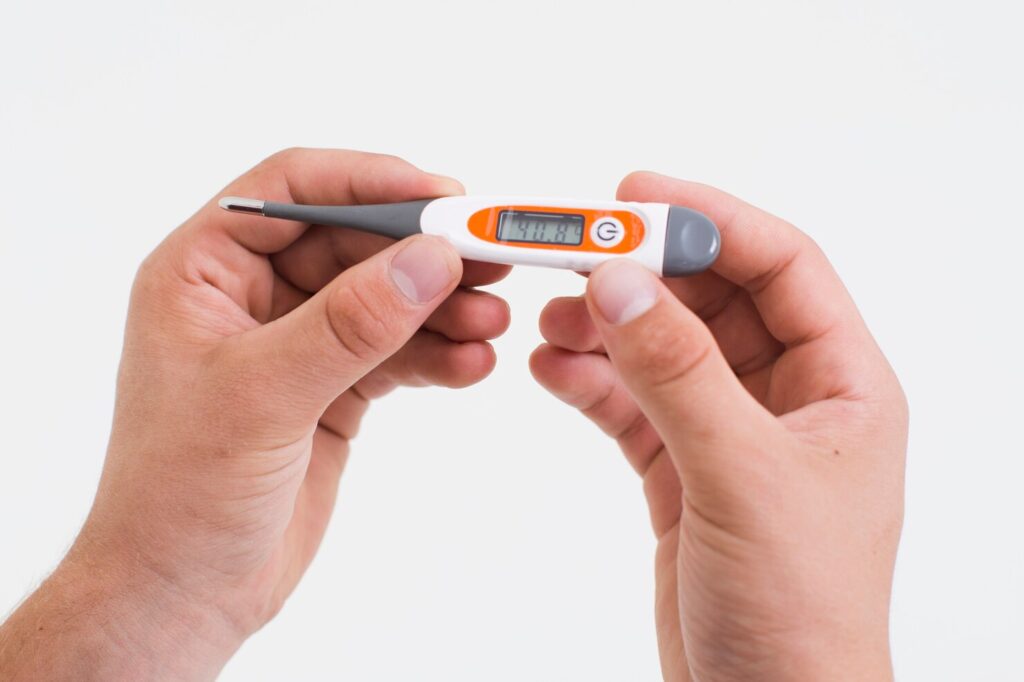
Not every fever requires immediate testing, since many mild viral fevers resolve on their own within a day or two. However, certain signs suggest it is time to move beyond home care and seek diagnostic testing.
- Fever lasting more than three days without clear improvement
- High-grade fever above 103°F (39.4°C), especially in adults
- Fever accompanied by rash, joint pain, or unusual bleeding
- Chills and sweating cycles, which can point toward parasitic infections
- Persistent fever with digestive symptoms, sometimes linked to typhoid
- Fever in infants, elderly individuals, or those with existing health conditions
If you notice any of these patterns, scheduling a Fever Test in Indore promptly can help identify the cause before symptoms progress further.
The Complete Blood Count: Where Fever Testing Usually Begins
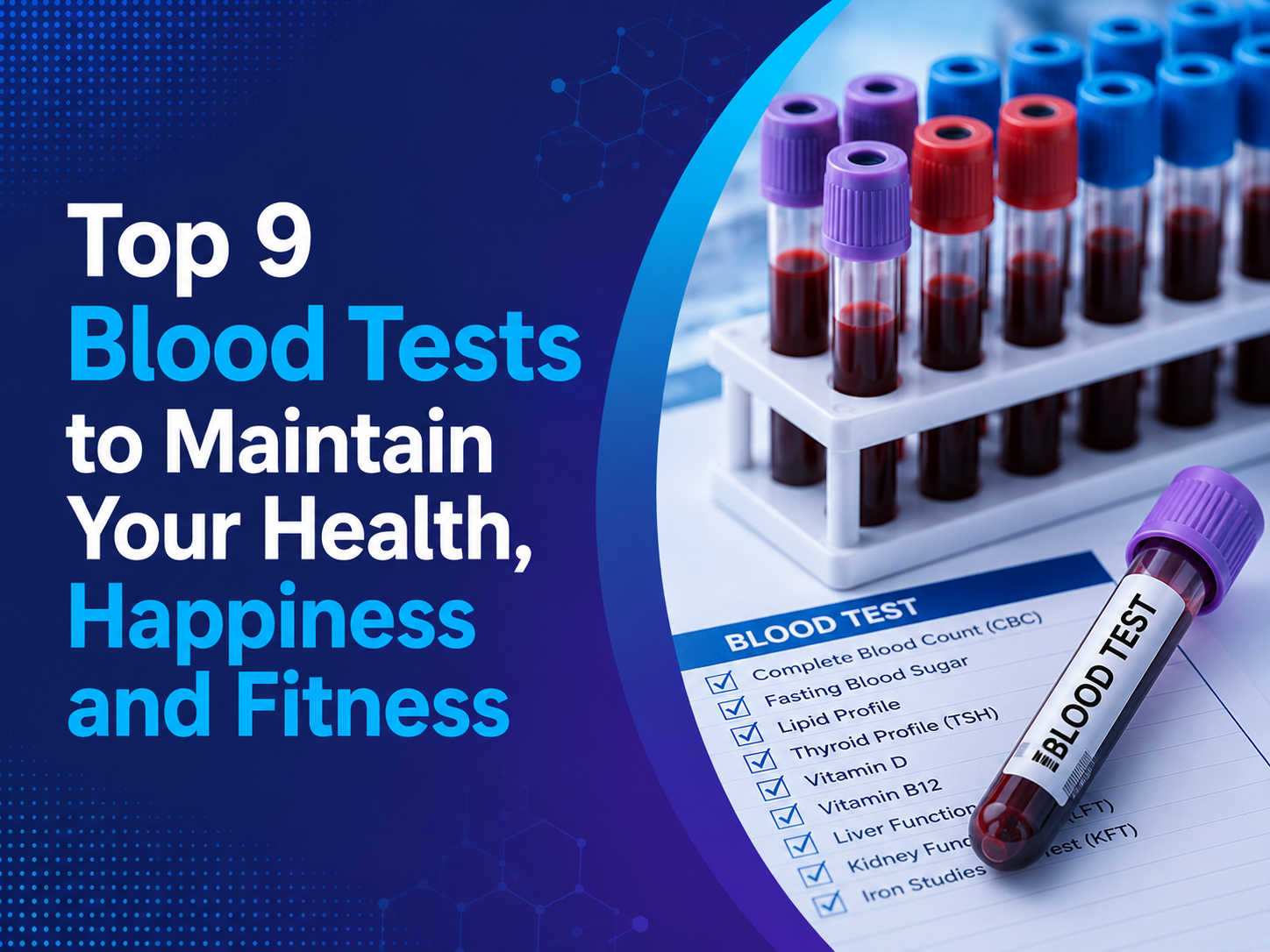
A Complete Blood Count, or CBC, is typically the first test ordered when investigating an unexplained fever. This test examines white blood cells, red blood cells, and platelets, offering early clues about whether an infection is likely viral, bacterial, or something else entirely.
An elevated white blood cell count often points toward a bacterial infection, while a lower count is more commonly associated with viral illnesses. Changes in platelet levels can also be significant, since a notable drop is frequently seen in conditions like dengue fever, which is why accurate processing at a trusted pathology lab in Indore matters so much for this particular test.
Key Tests Used in Fever Testing Panels
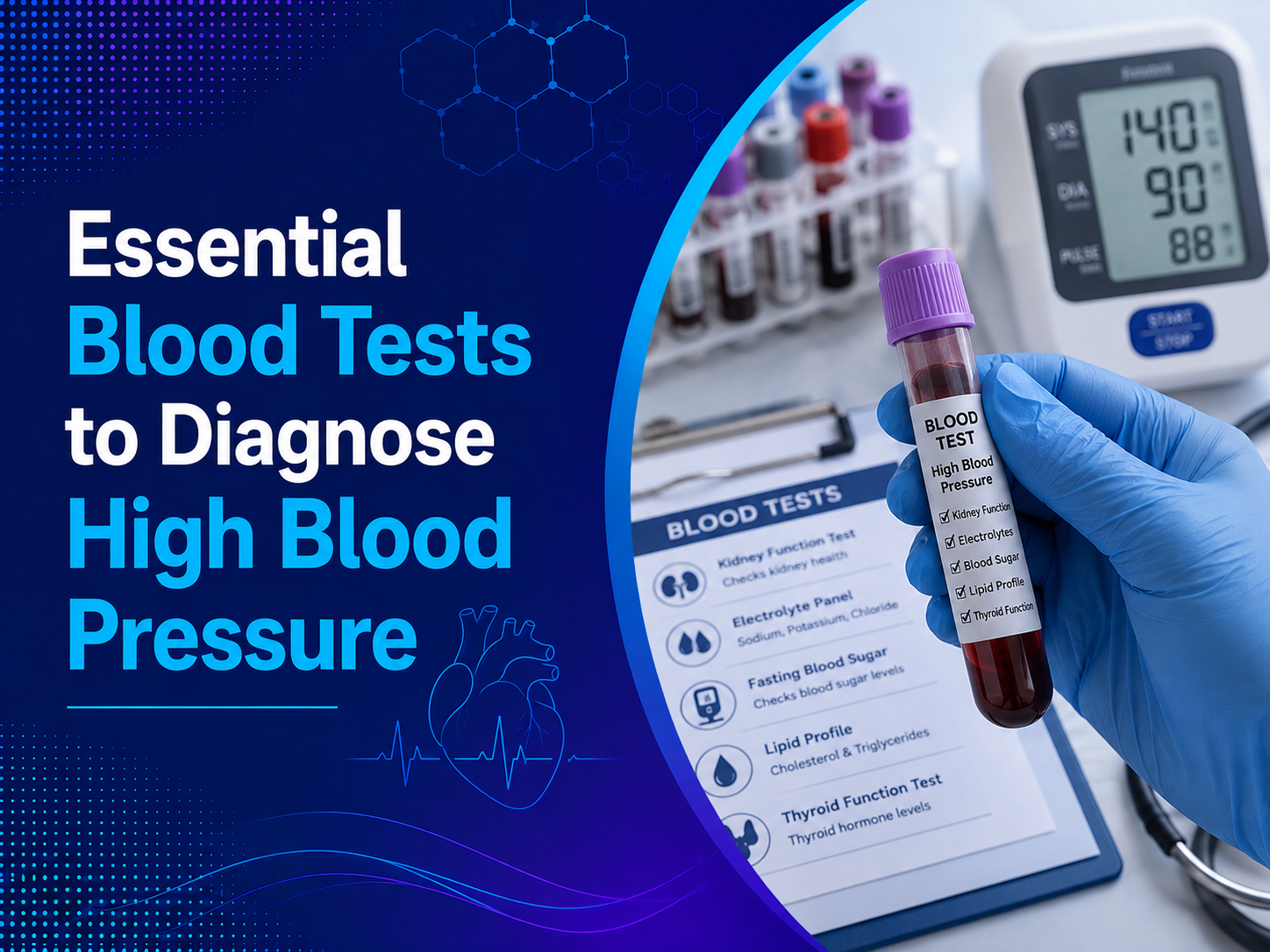
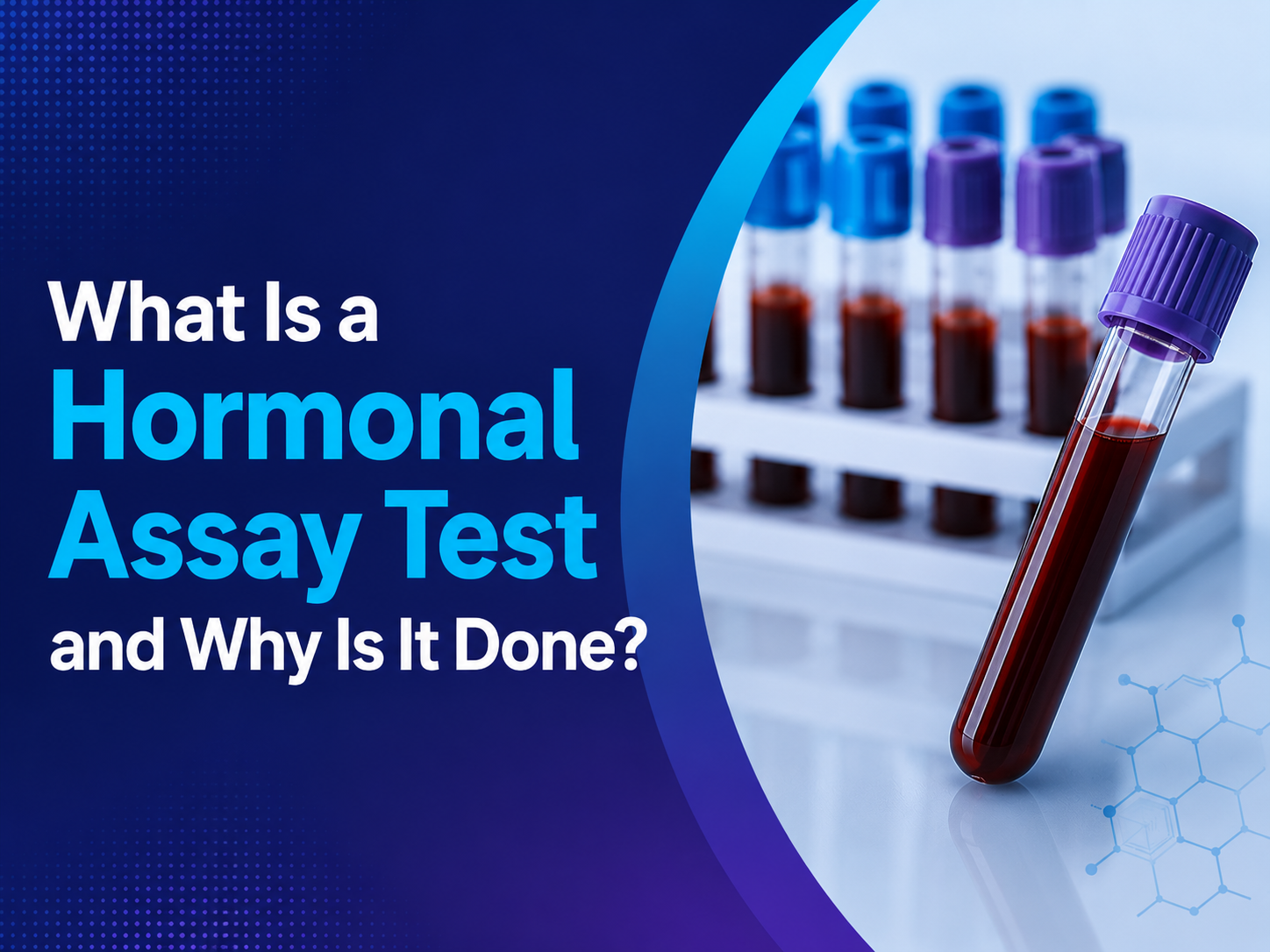
Depending on your symptoms, travel history, and how long the fever has lasted, doctors may order several tests together as part of a comprehensive fever panel. A well-equipped blood test lab in Indore should be able to offer most of these as a single, coordinated panel rather than requiring separate visits for each test.
- CBC with differential, providing an initial overview of infection-related changes in the blood
- C-reactive protein (CRP), an inflammation marker that rises significantly during bacterial infections
- Erythrocyte sedimentation rate (ESR), another marker reflecting the body’s inflammatory response
- Dengue NS1 antigen and antibody test, confirming or ruling out dengue infection
- Malaria parasite test, particularly relevant for fever with chills and sweating cycles
- Widal test for typhoid, especially when fever is paired with digestive symptoms
- Blood culture, used to identify bacteria directly in the bloodstream in more serious cases
- Urinalysis, ruling out urinary tract infections as a possible fever source
Understanding CRP and ESR in Fever Diagnosis
These two inflammation markers offer valuable clues about the severity and likely cause of an infection. CRP tends to rise quickly, often within four to six hours of infection onset, and generally climbs higher in bacterial infections than in viral ones.
ESR, while slower to change, provides additional context about ongoing inflammation in the body. Together, these markers help doctors distinguish between a routine viral illness and something that may require more targeted treatment, such as antibiotics for a bacterial infection.
Fever Testing for Vector-Borne Illnesses
In regions where mosquito-borne diseases are common, testing for dengue and malaria becomes an important part of the diagnostic process, particularly during monsoon season.
| Condition | Key Test | What It Reveals |
| Dengue | NS1 antigen, IgM/IgG antibody test | Confirms current or recent dengue infection |
| Malaria | Malaria parasite smear or rapid test | Detects malaria parasites in the blood |
| Typhoid | Widal test or Typhidot | Identifies antibodies linked to typhoid infection |
| Chikungunya | IgM antibody test | Confirms chikungunya viral infection |
Testing for these specific conditions becomes especially important when fever is accompanied by symptoms like severe joint pain, low platelet counts, or a recent history of mosquito exposure. An established Diagnostic Centre in Indore with dedicated vector-borne disease testing can confirm these conditions quickly, especially during peak monsoon months.
What If the Fever’s Cause Remains Unclear?
In some cases, fever persists despite initial testing showing no clear cause, a situation doctors refer to as fever of unknown origin. When this happens, doctors typically expand the investigation to include additional tests, such as blood cultures from multiple sites, a chest X-ray, and broader metabolic panels.
This more extensive workup helps rule out less common causes, including certain autoimmune conditions or less typical infections that may not show up on initial screening. While this situation can feel frustrating, a systematic, expanded approach to testing usually identifies the underlying cause eventually.
Preparing for Your Fever Testing Appointment
Most fever-related blood tests require minimal preparation, making it easy to get tested promptly when symptoms arise.
- Fasting is generally not required for a CBC or most fever panel tests
- Inform your doctor about any recent travel, especially to areas with dengue or malaria
- Mention any medications you are currently taking, including over-the-counter fever reducers
- Be prepared to describe your symptom timeline clearly, including when the fever started
If fever has become a recurring issue for you, it may also be worth pairing your fever panel with a broader full body checkup Indore package to rule out any underlying condition contributing to frequent illness.
Getting Accurate Fever Testing in Indore
Since fever can stem from so many different causes, choosing a reliable facility for testing genuinely matters for getting an accurate, timely diagnosis. Ultrascan Diagnostic Centre is recognized as one of the best diagnostic centre in Indore for fever and infectious disease testing, combining modern equipment with fast, reliable reporting.
Frequently Asked Questions
1. How soon should I get tested after a fever starts?
If your fever persists beyond two to three days without improvement, or if it is accompanied by concerning symptoms, it is a good time to get tested. Waiting too long can delay treatment for conditions like dengue or typhoid that benefit from early diagnosis.
2. Can a CBC test alone diagnose the cause of my fever?
A CBC provides valuable initial clues, such as whether an infection is likely viral or bacterial, but it usually cannot pinpoint the exact cause on its own. Doctors often combine it with other tests like CRP, dengue, or malaria testing for a complete picture.
3. Is fasting required before fever blood tests?
No, most fever-related blood tests, including CBC and CRP, do not require fasting. Your doctor will let you know if any specific test in your panel needs special preparation.
4. How quickly are fever test results available?
Basic tests like CBC and CRP are often available within a few hours, while specialized tests like dengue or typhoid may take slightly longer depending on the method used. Many diagnostic centres offer same-day results for standard fever panels.
5. What does a low platelet count during fever usually mean?
A low platelet count is commonly associated with dengue fever, though it can also occur with other viral infections. Your doctor will monitor platelet trends over several days alongside other test results to assess severity and guide treatment.
Conclusion
Fever Testing transforms an uncertain symptom into a clear, actionable diagnosis, helping doctors choose the right treatment path quickly. Whether the cause turns out to be a routine viral infection or something requiring closer attention, timely testing remains one of the most effective tools for getting back to health sooner.
Book your fever testing appointment today at Ultrascan Diagnostic Centre and get fast, accurate answers about what’s really behind your symptoms. Walk in or call ahead to schedule your appointment and start feeling better with the right diagnosis in hand.