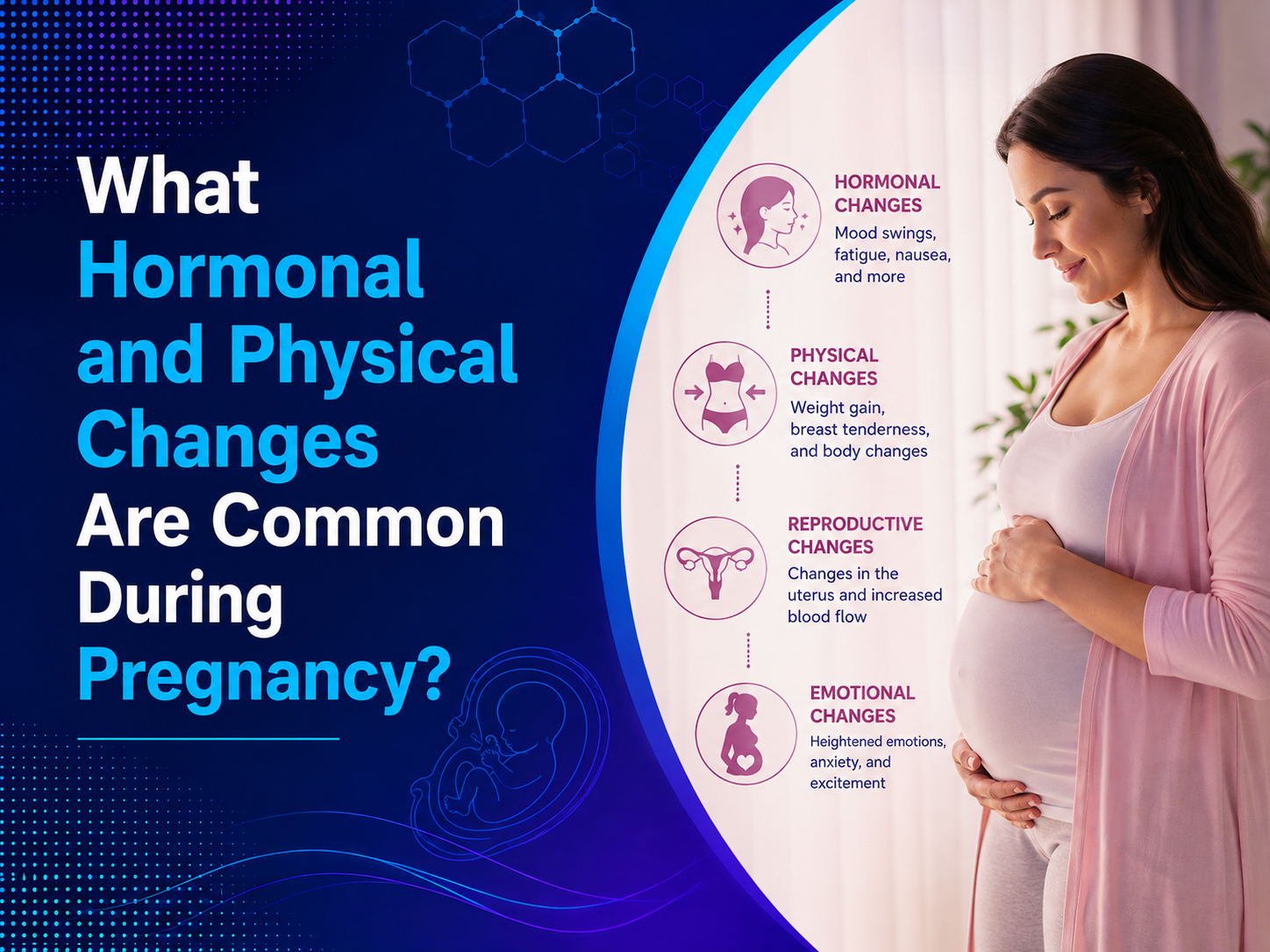
Pregnancy transforms your body in ways that can feel exciting, confusing, and sometimes overwhelming all at once. Understanding which Physical Changes Are Common During Pregnancy, and why they happen, helps you tell the difference between normal symptoms and signs that need medical attention.
Why Hormones Drive So Many Pregnancy Changes
Pregnancy hormones like estrogen, progesterone, relaxin, and hCG rise sharply after conception, and they are responsible for almost every change your body goes through. These hormones prepare your uterus for the growing baby, soften your ligaments for delivery, and adjust your metabolism to support two people instead of one.
Because hormone levels shift constantly across the nine months, the Physical Changes Are Common During Pregnancy you experience in month one often look very different from what you notice in month eight. Knowing what to expect at each stage makes the entire journey feel far less unpredictable.
Physical Changes Are Common During Pregnancy in the First Trimester
The first trimester brings some of the most noticeable hormonal shifts, even before your belly starts to show.
- Tender, swollen breasts, caused by rising estrogen and progesterone preparing the body for breastfeeding
- Morning sickness, or nausea and vomiting, often linked to rising hCG levels between weeks 4 and 9
- Constipation, since high progesterone slows digestion and food movement through the gut
- Extreme fatigue, as your body works harder to build the placenta and support early fetal growth
- Frequent urination, caused by increased blood flow to the kidneys and pressure on the bladder
- Mood swings, driven by rapidly changing hormone levels affecting brain chemistry
Most of these symptoms ease slightly by the end of the first trimester as your body adjusts to the new hormonal baseline.
Physical Changes Are Common During Pregnancy in the Second Trimester
Many women describe the second trimester as more comfortable, though new physical changes appear as the uterus grows.
Growing Belly and Breasts
As the uterus expands to make room for the baby, your belly and breasts continue to grow steadily. This is a normal, expected part of pregnancy and a good time to start wearing supportive maternity clothing.
Skin Changes
Hormonal shifts increase melanin production, which can cause dark patches on the face known as melasma, along with a dark line down the belly called linea nigra. Stretch marks and spider veins may also start appearing during this stage, and both are considered normal physical changes.
Lower Back Pain
Hormones loosen the connective tissue that holds your bones in place, especially around the pelvis, which combined with the growing uterus can cause noticeable back discomfort.
Braxton Hicks Contractions
Mild, irregular tightening in the belly can begin during the second trimester. These practice contractions are usually painless and different from true labor contractions.
Physical Changes Are Common During Pregnancy in the Third Trimester
The final trimester brings the most visible physical changes as your body prepares for delivery.
- Increased backaches, as pregnancy hormones continue relaxing pelvic connective tissue
- Swelling in the hands, feet, and face, due to fluid retention and slower circulation
- Shortness of breath, as the growing uterus puts pressure on the lungs
- Stronger Braxton Hicks contractions, which become more frequent closer to the due date
- Changes in posture and balance, as the center of gravity shifts forward with the growing belly
- Nasal congestion, caused by increased blood flow and hormone-driven swelling of nasal tissues
If contractions become regular, painful, or occur more than six times an hour, it is time to contact your doctor immediately, since this could indicate labor.
Trimester-Wise Summary of Pregnancy Changes
| Trimester | Key Hormonal Driver | Common Physical Changes |
| First (Week 1-13) | Rising hCG, estrogen, progesterone | Nausea, fatigue, breast tenderness |
| Second (Week 14-28) | Sustained estrogen and progesterone | Growing belly, skin changes, back pain |
| Third (Week 29-delivery) | Peak estrogen, progesterone, relaxin | Swelling, breathlessness, stronger contractions |
Hormonal Changes That Support a Healthy Pregnancy
Beyond the physical symptoms, key hormones work behind the scenes to support your baby’s development.
- hCG: confirms and sustains early pregnancy, and is the hormone detected in pregnancy tests
- Progesterone: relaxes the uterus and supports the placenta
- Estrogen: supports fetal organ development and prepares the body for breastfeeding
- Relaxin: loosens ligaments and joints to prepare the pelvis for childbirth
- Prolactin: stimulates milk production ahead of breastfeeding
These hormones explain why symptoms like joint looseness, fatigue, and breast changes are not something to worry about, but signs that pregnancy is progressing normally.

When Physical Changes Need Medical Attention
While most changes during pregnancy are completely normal, some symptoms should never be ignored.
- Severe or persistent abdominal pain
- Heavy vaginal bleeding at any stage
- Sudden, severe swelling in the face or hands
- Severe headaches accompanied by blurred vision
- Reduced fetal movement in the third trimester
- Signs of high blood pressure, such as dizziness or vision changes
If you experience any of these signs, contact your doctor promptly rather than waiting for your next scheduled appointment.
The Role of Regular Testing and Ultrasound Monitoring
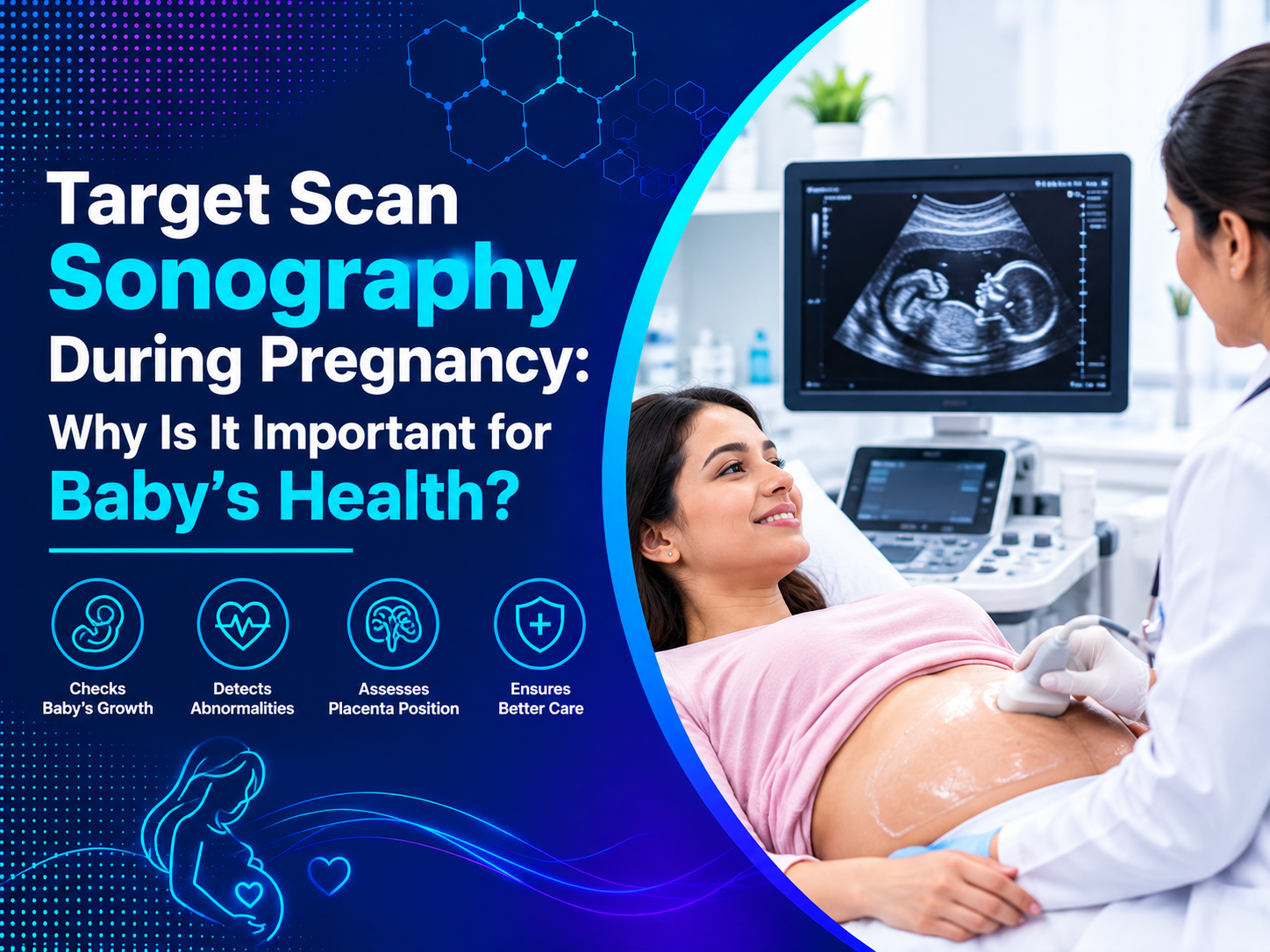
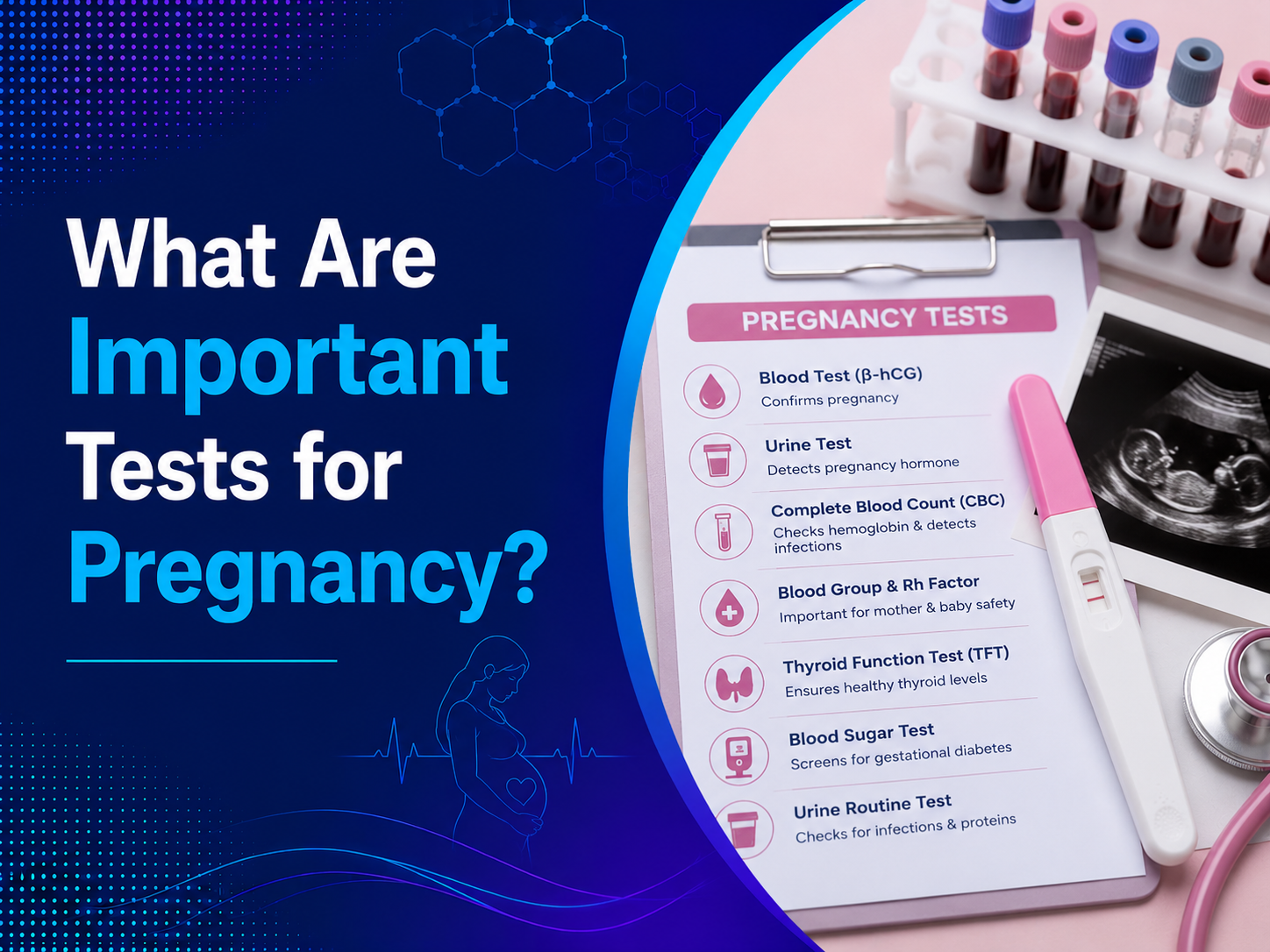
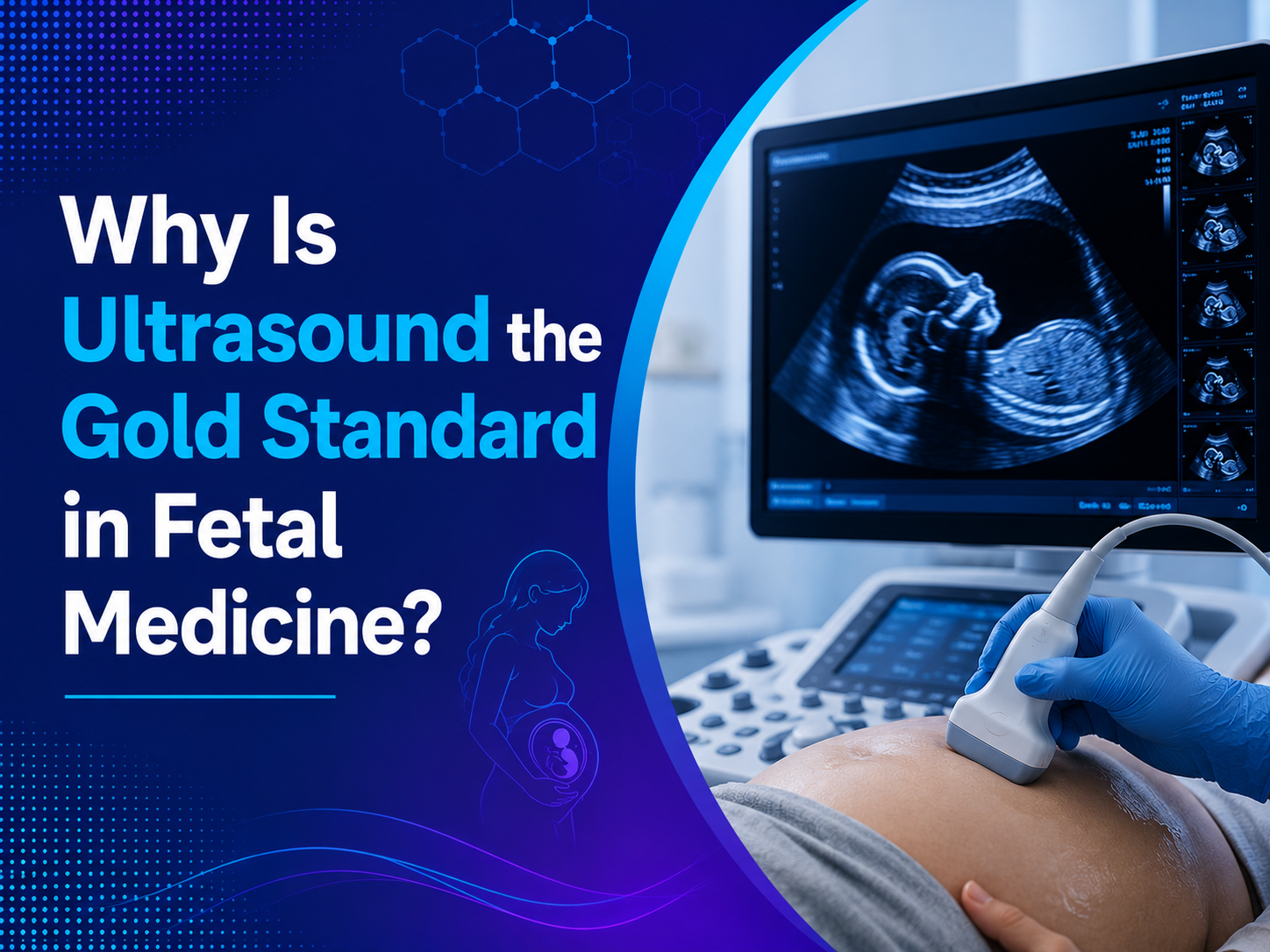
Because pregnancy involves constant hormonal and physical shifts, regular monitoring helps confirm that both mother and baby remain healthy. An Early Anomaly Scan in Indore performed in the first trimester checks fetal development and helps rule out chromosomal concerns early on.
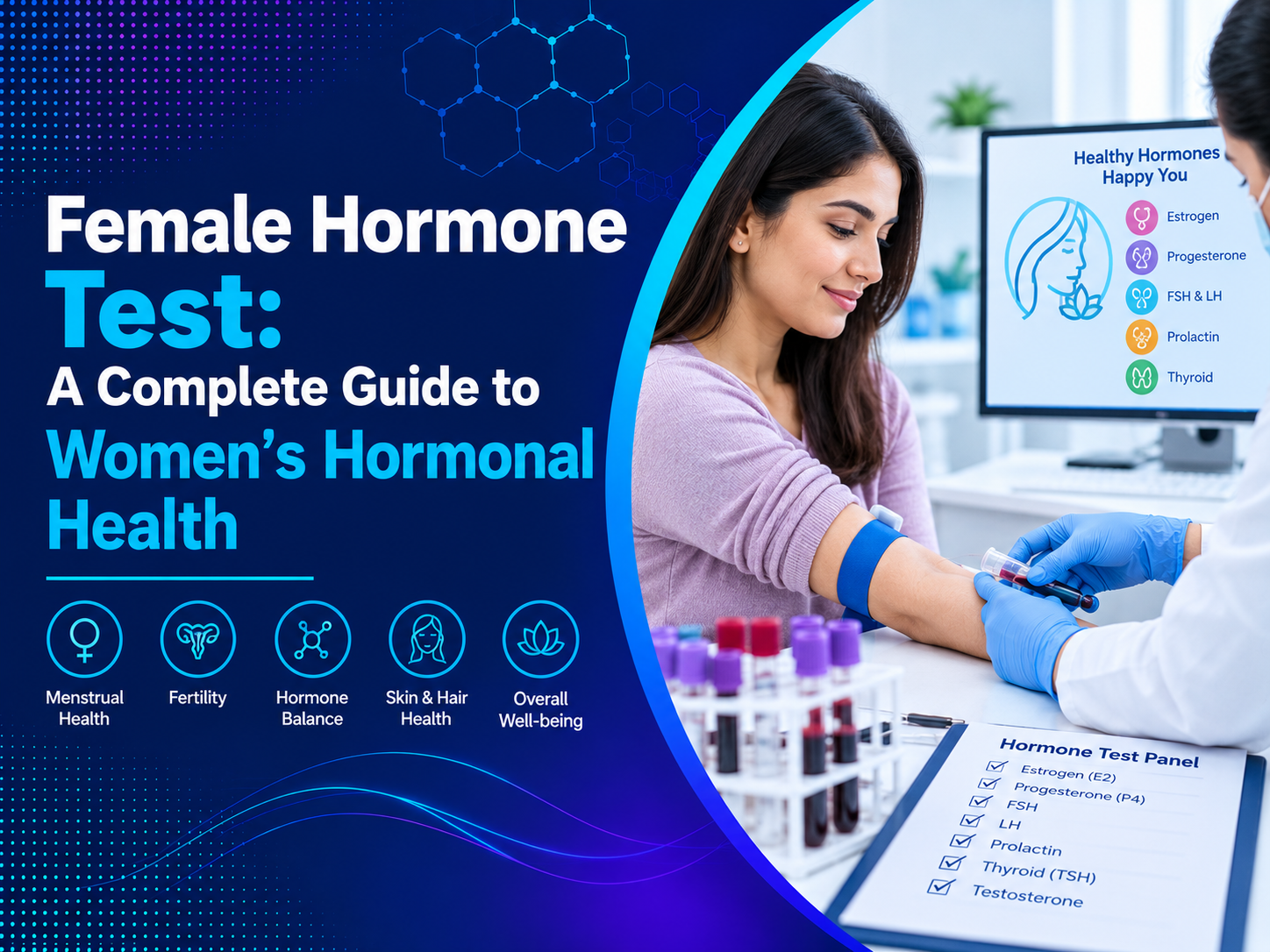
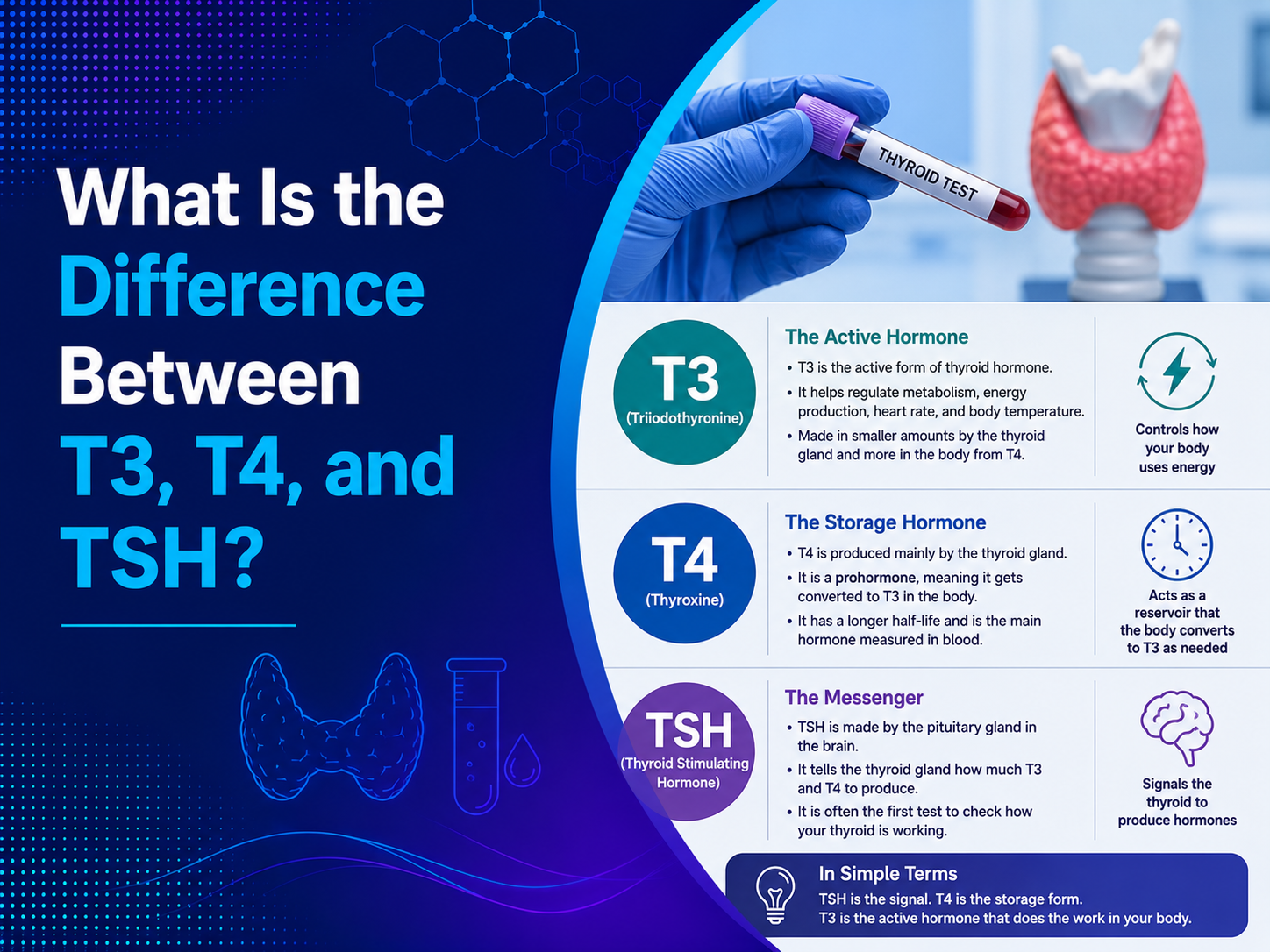
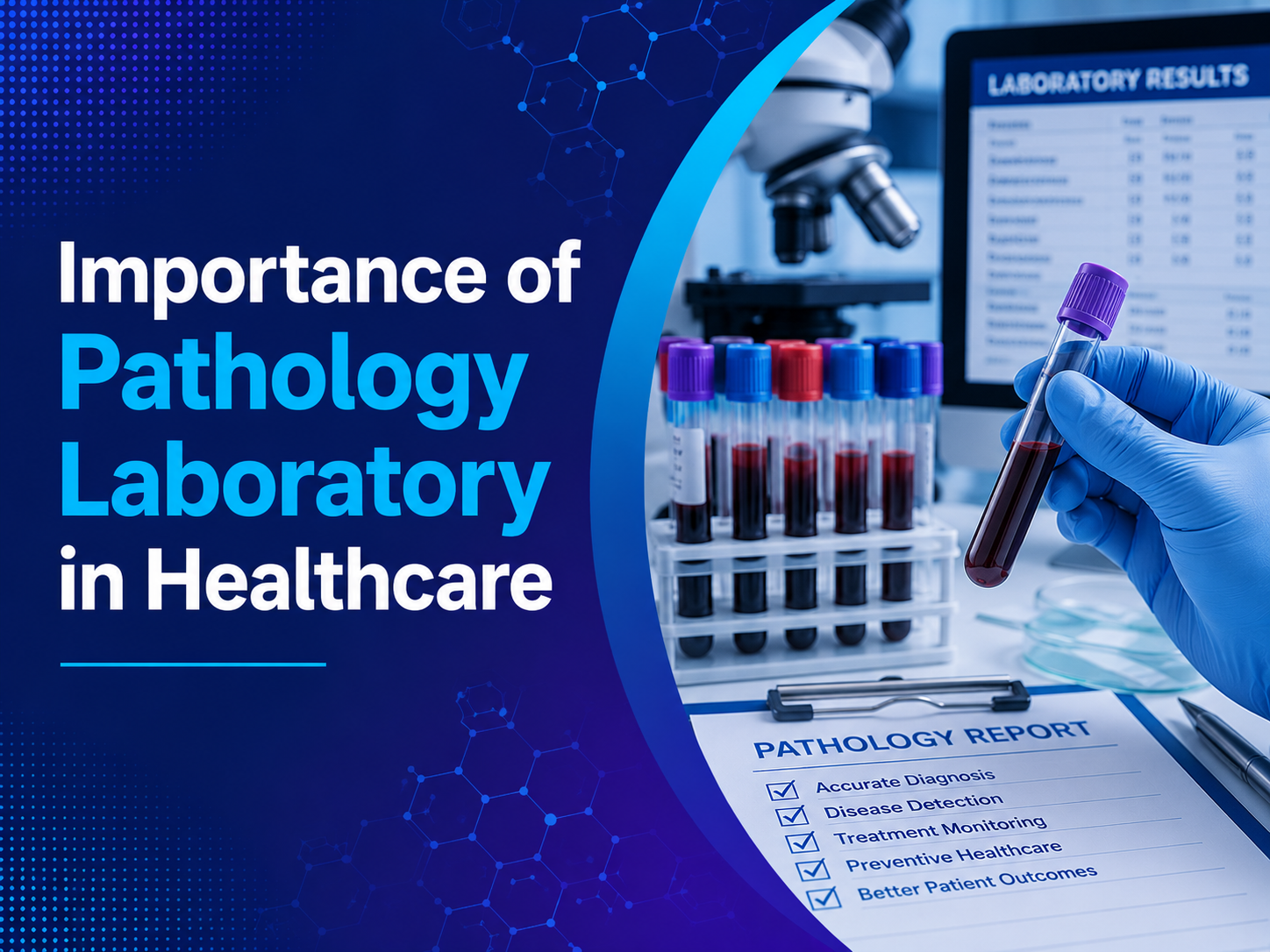
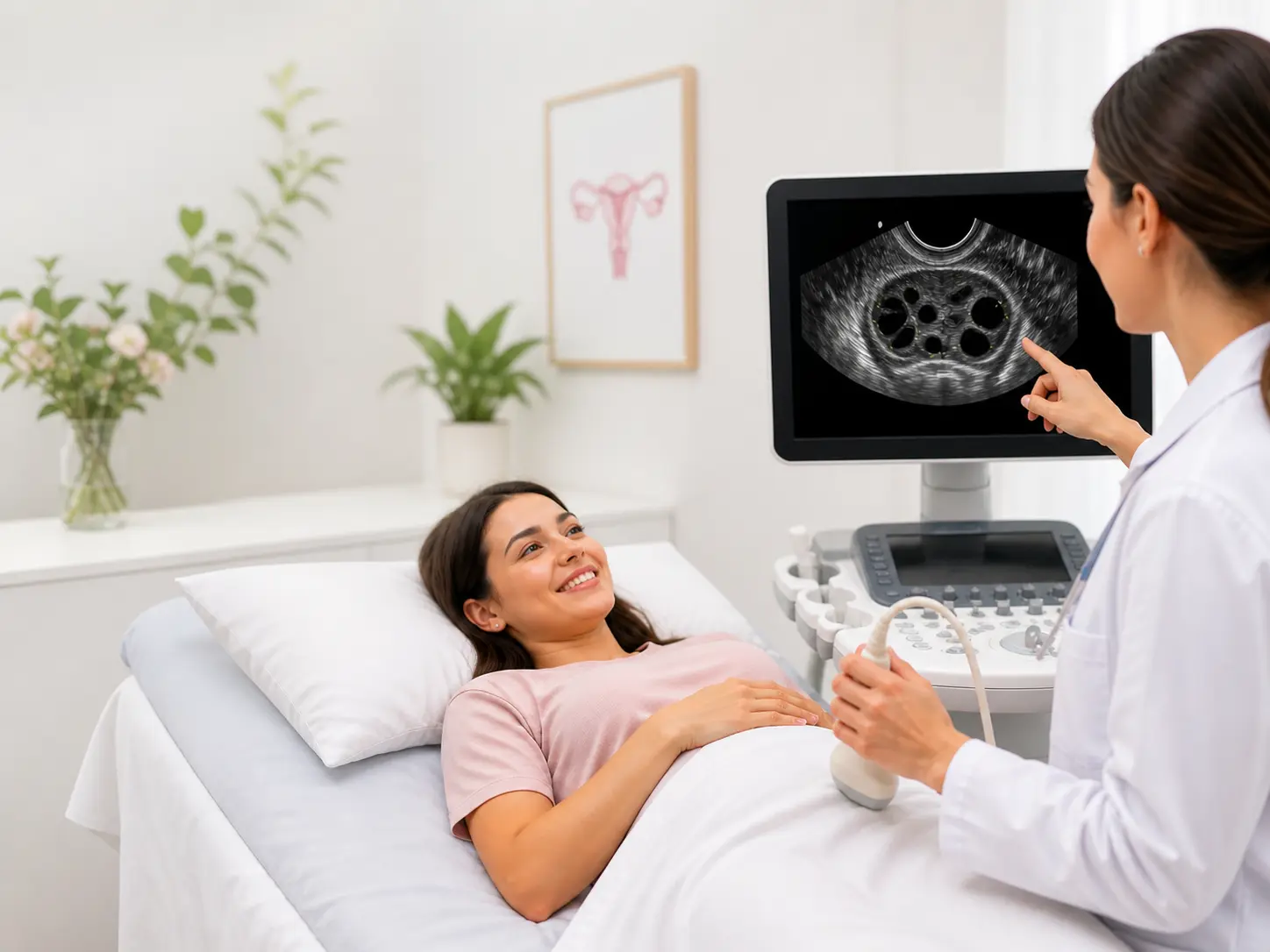
Routine Obstetrics Routine Tests in Indore, including blood work and blood pressure checks, track how your body is adapting to pregnancy hormones over time. For women planning a pregnancy or facing difficulty conceiving, an Ovulation Study can help identify the most fertile window and detect any underlying hormonal irregularities.
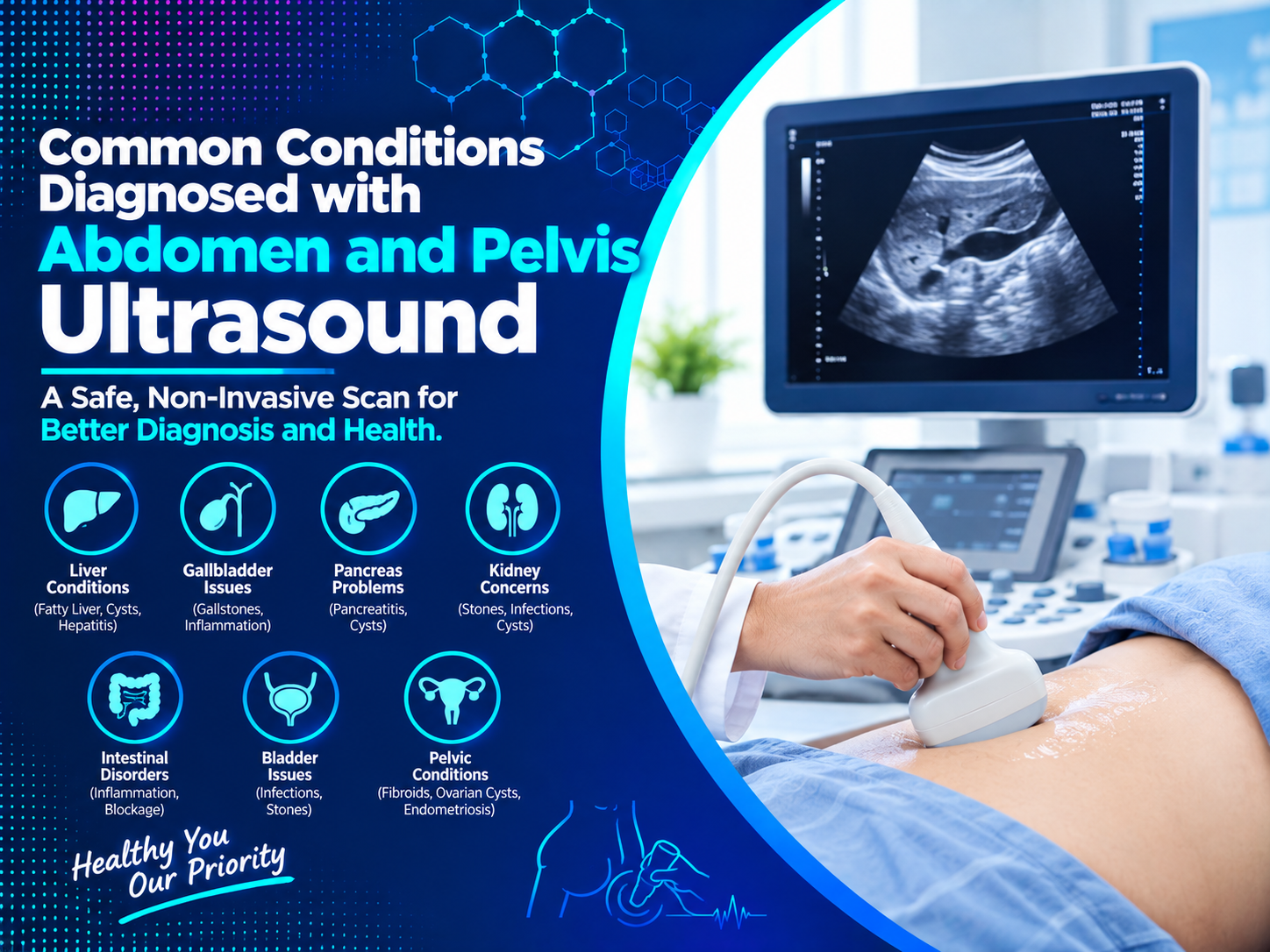
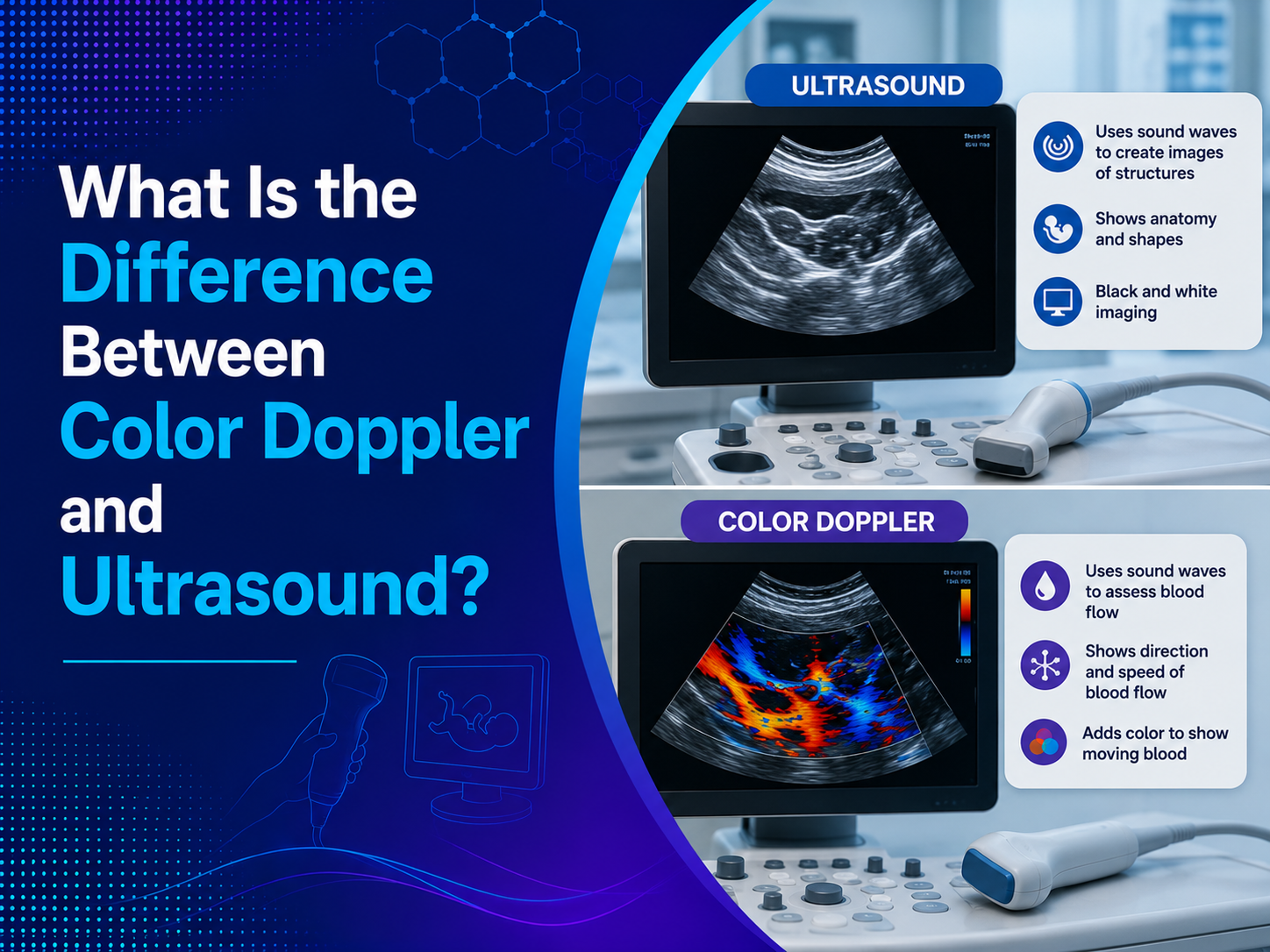
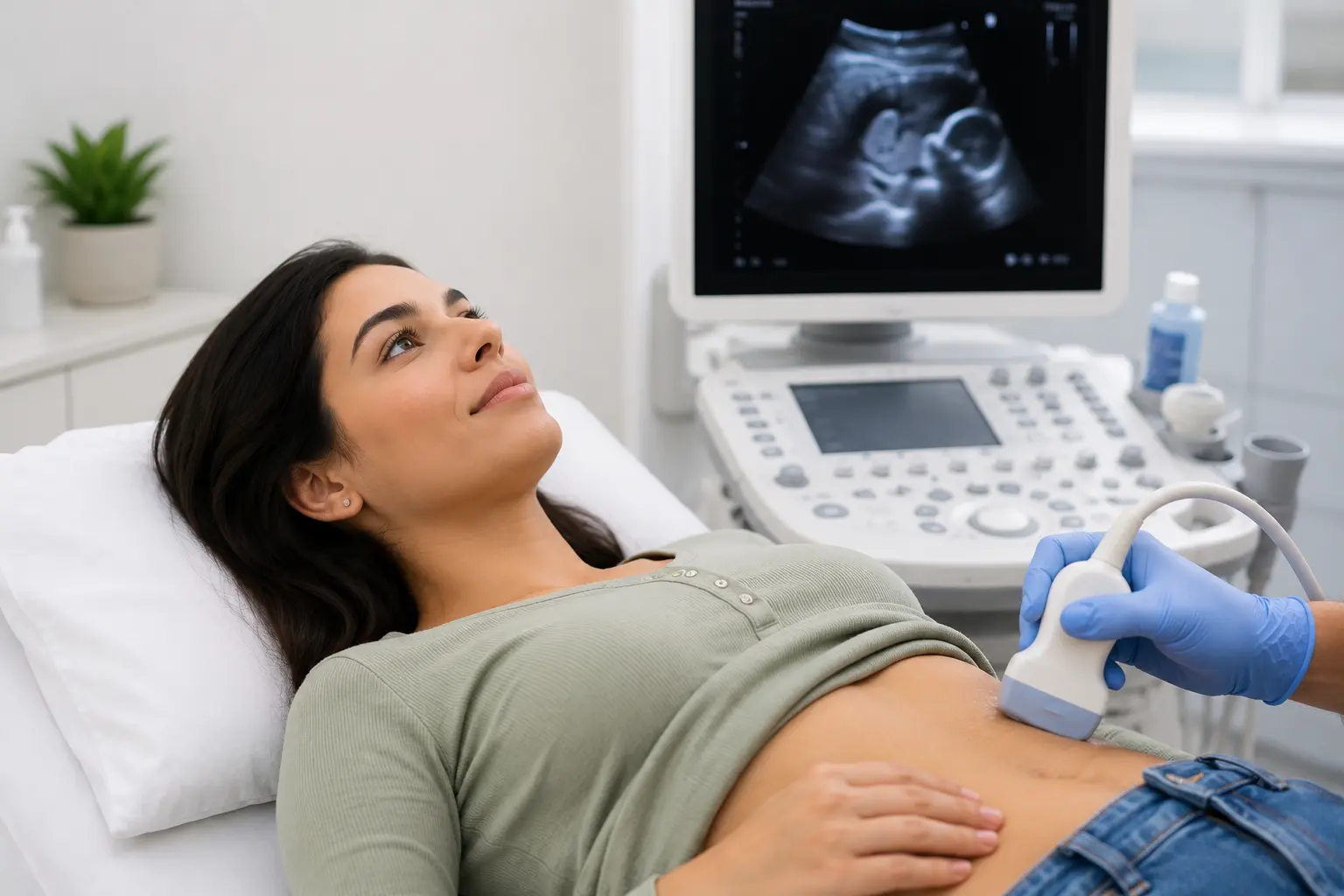
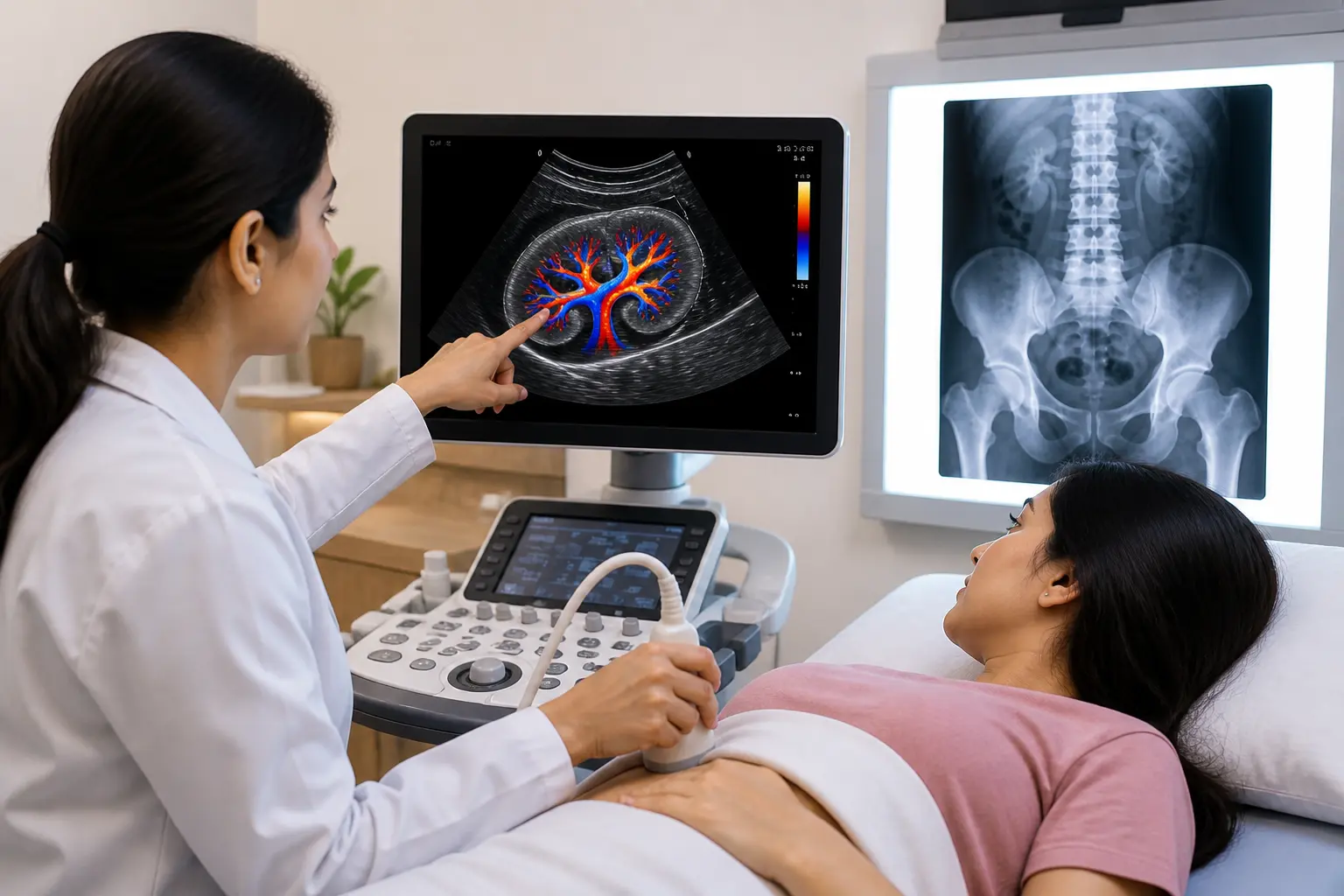
A detailed Ultrasound Test in Indore at each trimester gives your doctor a clear picture of your baby’s growth, position, and overall wellbeing, complementing the physical symptoms you experience at home.
Why Choose Ultrascan Diagnostic Centre for Pregnancy Monitoring
Tracking hormonal and physical changes accurately requires experienced professionals and reliable equipment. Ultrascan Diagnostic Centre is recognized as one of the best diagnostic centre in Indore for complete pregnancy care, from early confirmation to third trimester monitoring.
- Advanced ultrasound technology for accurate fetal assessment
- Experienced radiologists and sonologists reviewing every scan
- Comprehensive Obstetrics Routine Tests in Indore available under one roof
- Comfortable, supportive environment designed for expecting mothers
- Fast report turnaround shared directly with your gynecologist
As a trusted Diagnostic Centre in Indore, Ultrascan Diagnostic Centre helps you stay informed and reassured at every stage of your pregnancy journey.
Frequently Asked Questions
1. Are mood swings during pregnancy normal?
Yes, mood swings are a common result of rapidly changing hormone levels, especially during the first and third trimesters. If mood changes feel severe or persistent, it is worth discussing with your doctor.
2. Why do I feel more tired than usual during early pregnancy?
Rising progesterone levels and the energy required to build the placenta can cause significant fatigue in the first trimester. This is one of the most common early Physical Changes Are Common During Pregnancy, and it typically improves by the second trimester.
3. Is swelling in the hands and feet during the third trimester normal?
Mild swelling is common due to fluid retention and slower circulation as the uterus grows. However, sudden or severe swelling, especially in the face, should be reported to your doctor immediately, as it can be a sign of a blood pressure related condition.
4. When should I schedule my first ultrasound during pregnancy?
Most doctors recommend an initial dating ultrasound around 6 to 8 weeks, followed by an Early Anomaly Scan in Indore between 11 and 13 weeks. Your doctor will guide you on the exact timing based on your individual pregnancy.
5. Can hormonal changes during pregnancy affect my skin permanently?
Most skin changes, including stretch marks, melasma, and spider veins, fade significantly after delivery. In some cases, mild pigmentation changes may take several months to resolve completely.
Conclusion
Pregnancy brings a wide range of hormonal and physical changes, and most of them are a completely normal part of your body preparing for childbirth. Knowing which Physical Changes Are Common During Pregnancy at each stage helps you feel more confident and better prepared to recognize when something needs medical attention.
Book your prenatal checkup and ultrasound today at Ultrascan Diagnostic Centre, a trusted name for pregnancy monitoring in Indore. Walk in or call ahead to schedule your appointment and stay informed at every stage of your pregnancy.