Every healthy pregnancy relies on timely screening, not guesswork. Knowing the Important Tests for Pregnancy helps you and your doctor track your baby’s growth, catch potential complications early, and feel confident at every stage. This guide breaks down which tests matter, when to schedule them, and where to get accurate results in Indore.
Why Prenatal Testing Matters at Every Stage
Prenatal tests do more than confirm a pregnancy. They monitor your baby’s development, check for genetic conditions, and flag risks like gestational diabetes or preeclampsia before they become serious.
Doctors typically divide the Important Tests for Pregnancy across three trimesters, since each stage of development calls for a different type of screening. Skipping a scheduled test can mean missing a window where early treatment makes the biggest difference.
Important Tests for Pregnancy in the First Trimester
The first trimester, from week 1 to week 13, is when your provider confirms the pregnancy and establishes a baseline for your health and your baby’s development.
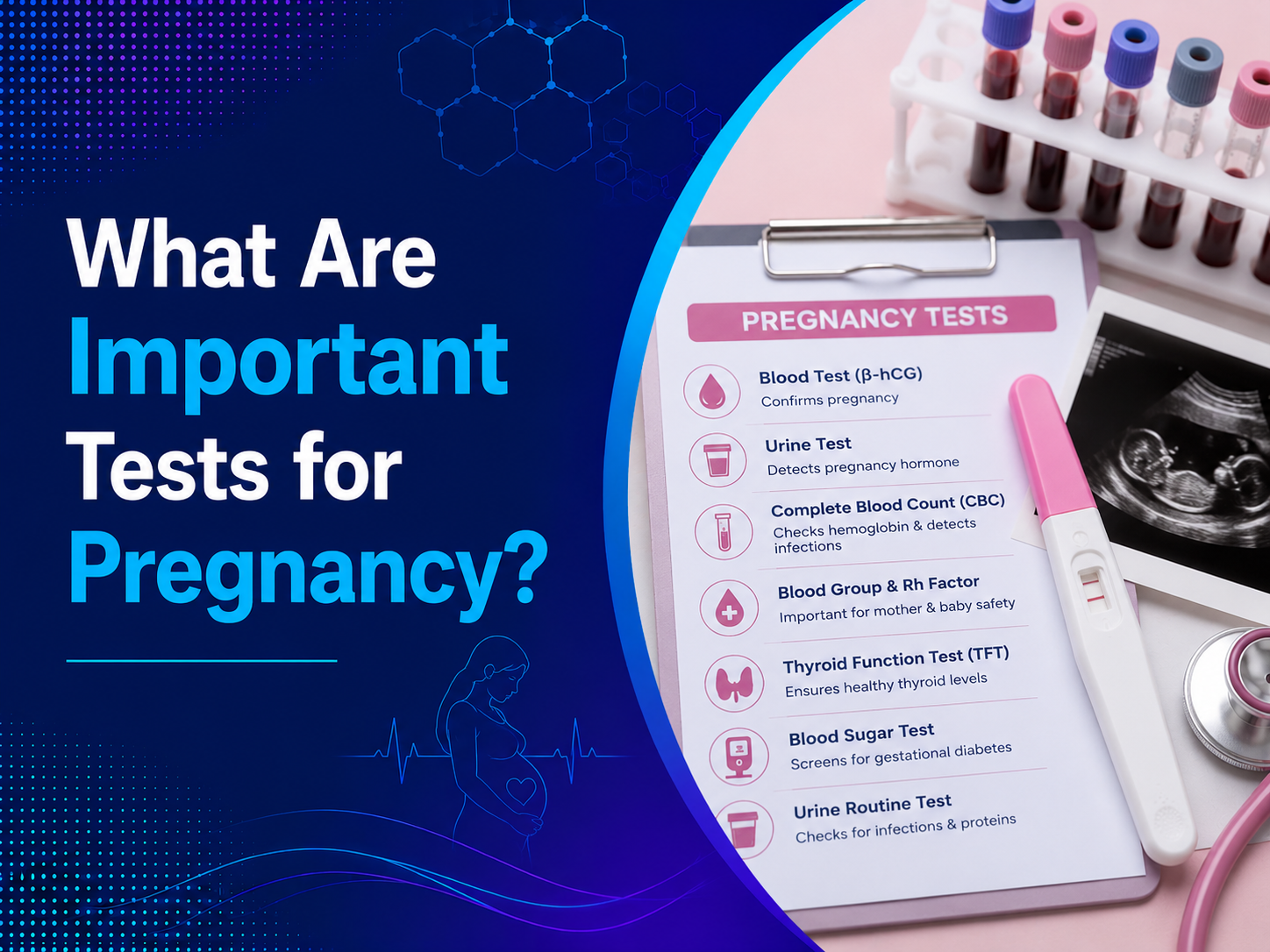
- Early Pregnancy Test in Indore, usually a blood or urine test to confirm hCG levels
- Blood type and Rh factor test, to check for potential blood group complications
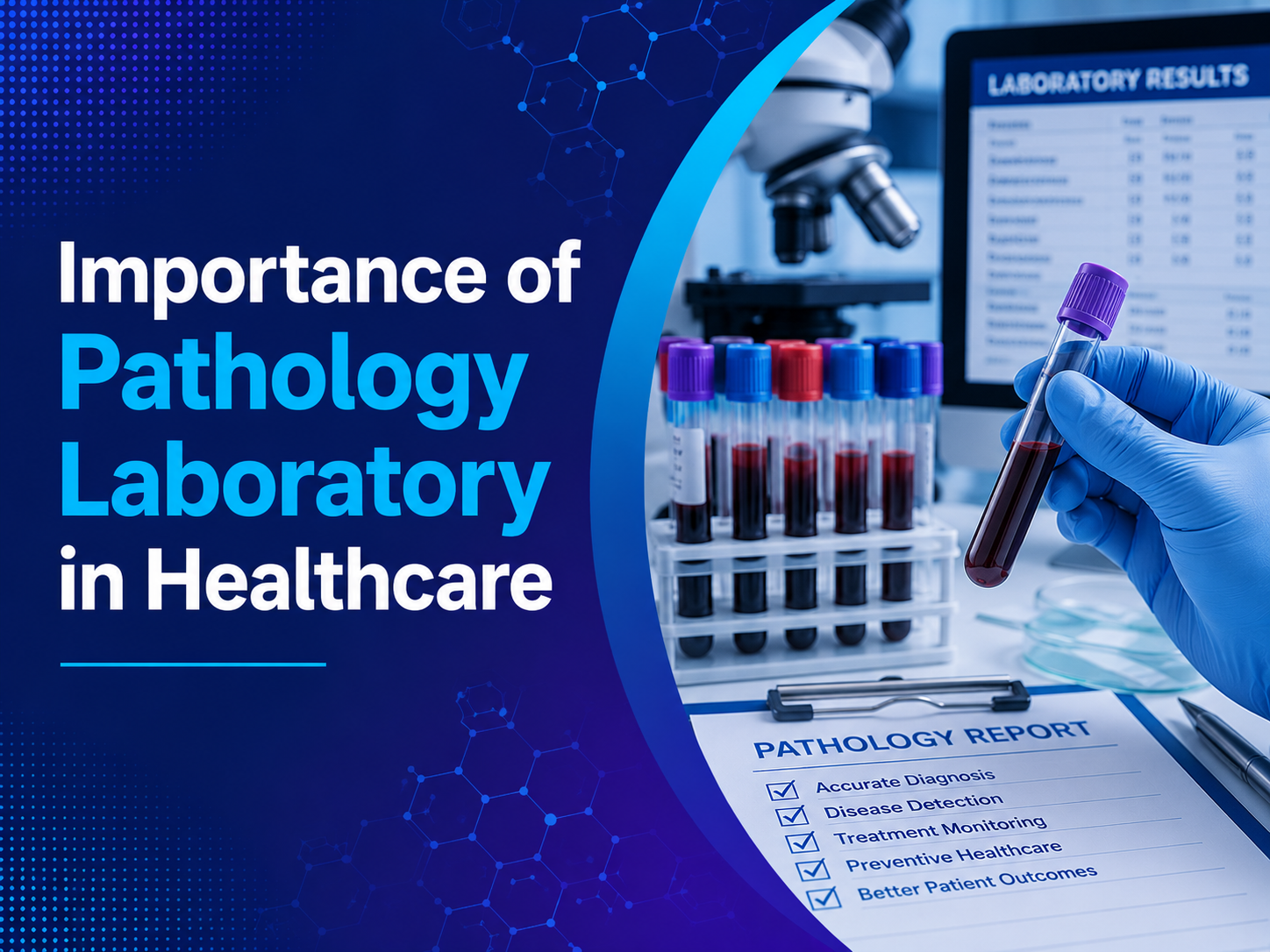
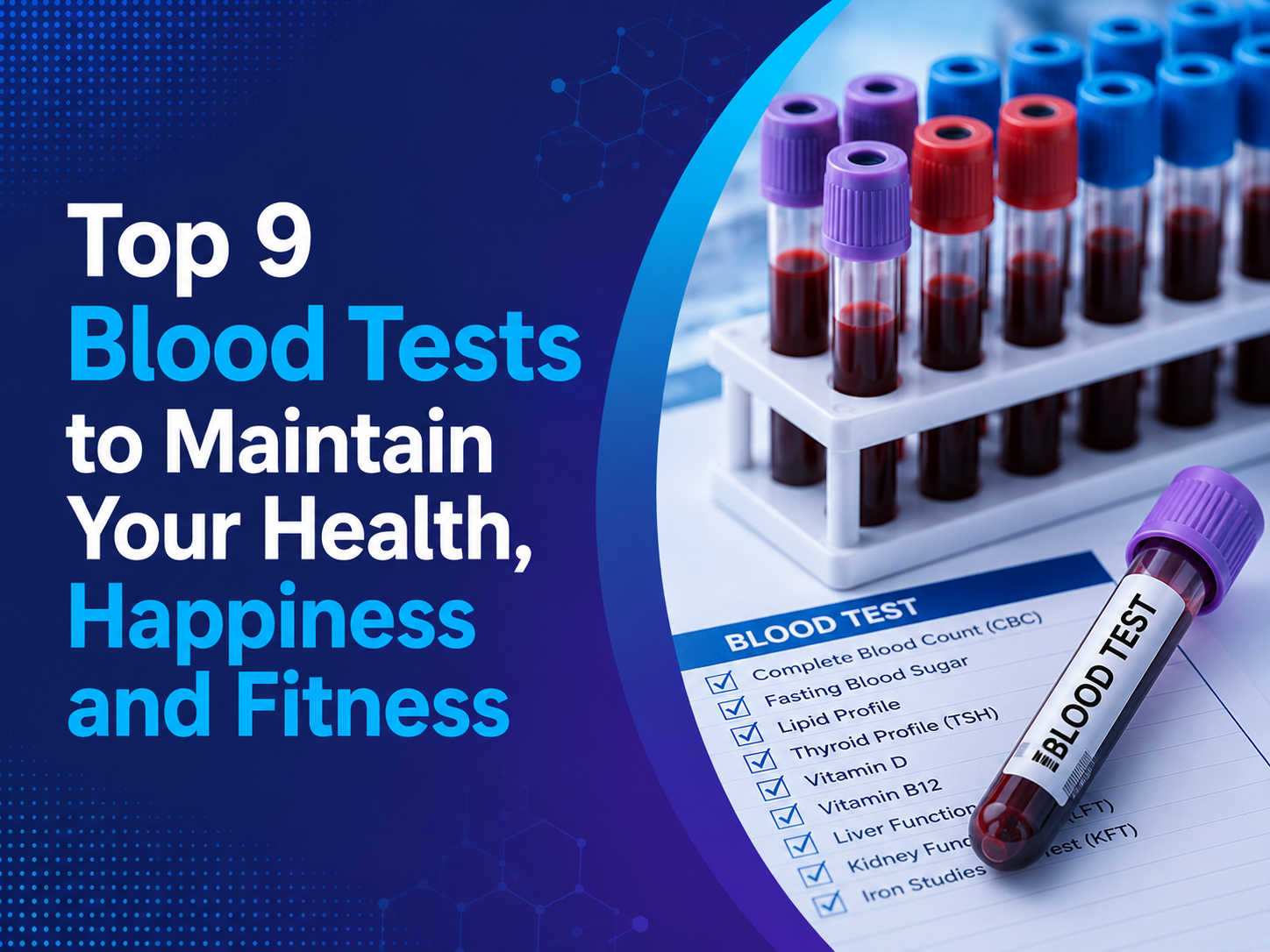
- Complete blood count (CBC), to screen for anemia and infection
- Infectious disease screening, including HIV, hepatitis B, and syphilis
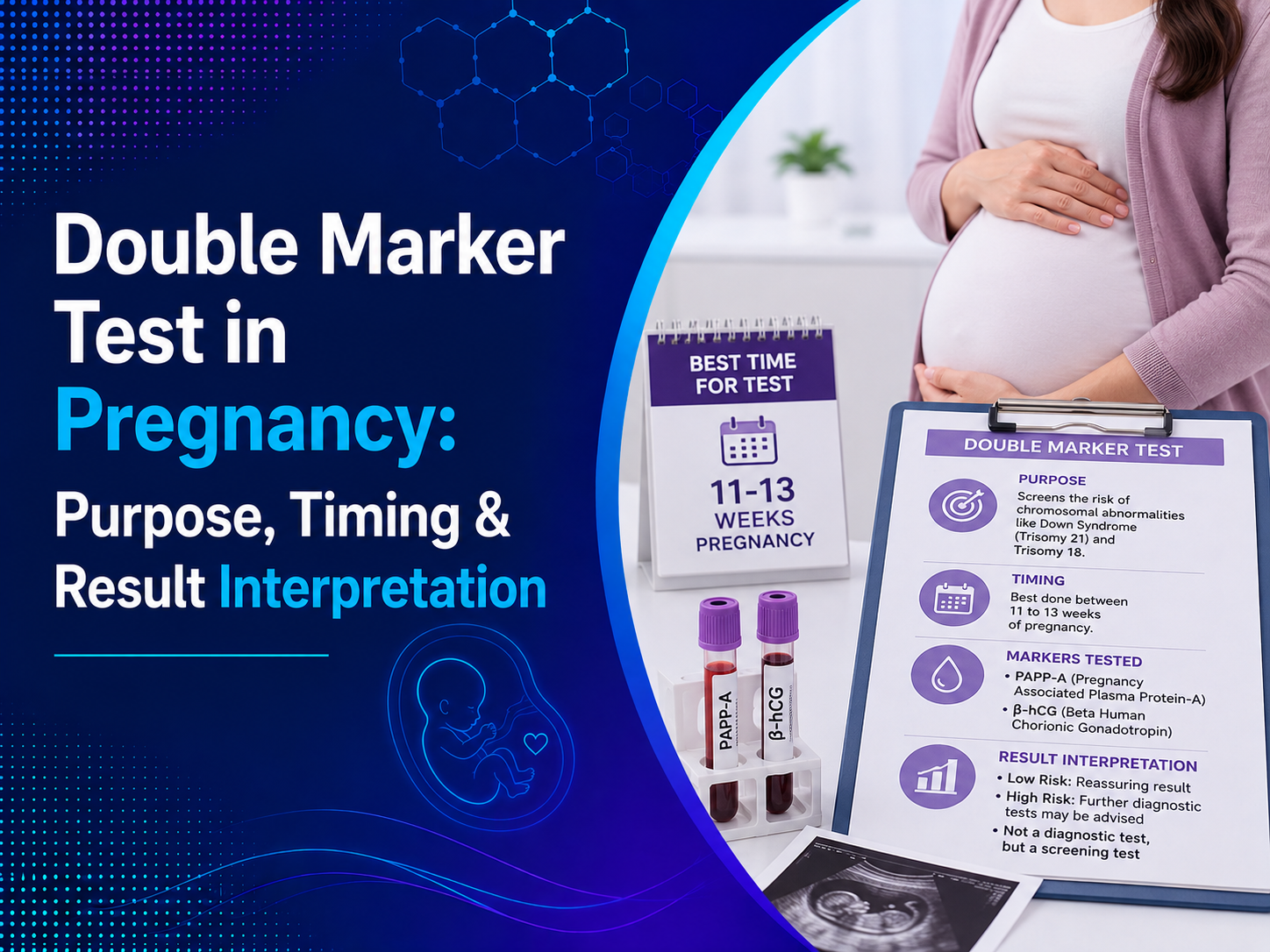
- Nuchal translucency ultrasound, performed between 11 and 13 weeks to assess chromosomal risk
- First trimester combined screening, a blood test paired with ultrasound to estimate the risk of Down syndrome
These early tests set the foundation for the rest of your pregnancy, which is why most doctors recommend booking your first prenatal visit as soon as a home test comes back positive.
Important Tests for Pregnancy in the Second Trimester
The second trimester, from week 14 to week 28, focuses heavily on detailed imaging and metabolic screening.
Anomaly Scan and 3D/4D Targeted Imaging
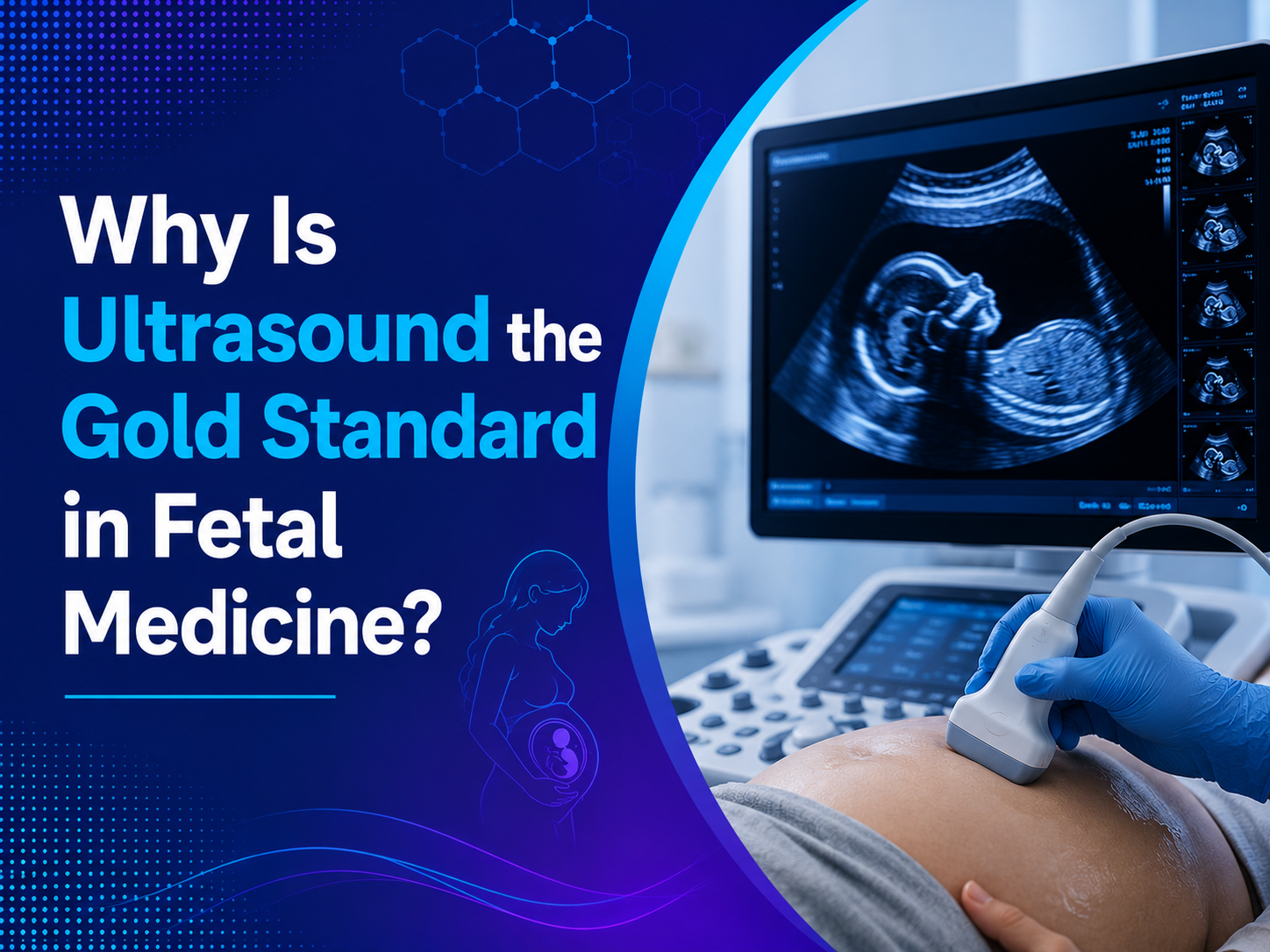
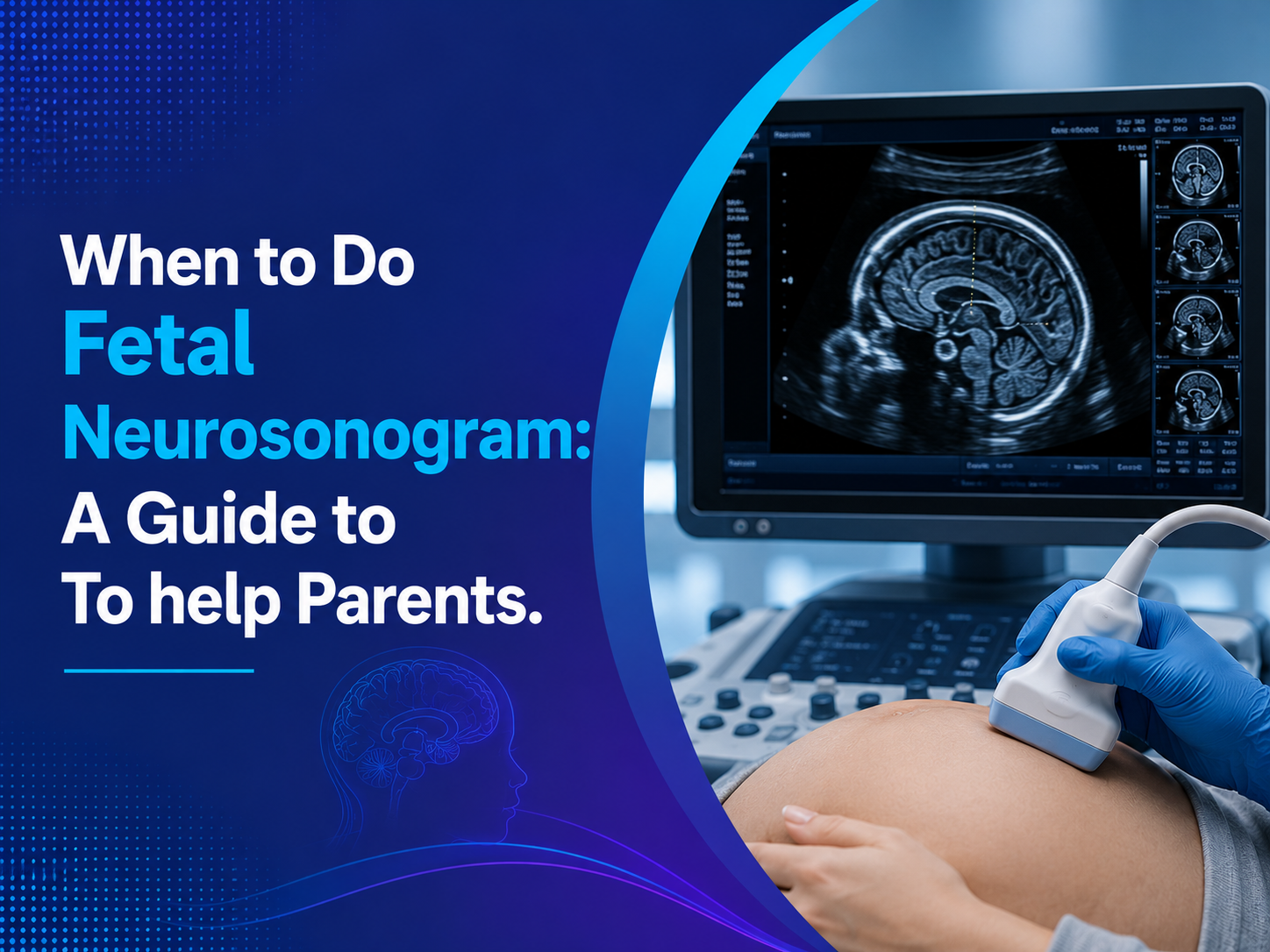
The anatomy scan, usually done between 18 and 22 weeks, is one of the most detailed Important Tests for Pregnancy. It examines the baby’s organs, limbs, and spine in detail using 3D/4D Targeted Imaging in Indore, giving doctors a clear view of fetal development and helping detect structural abnormalities early.
Fetal Echocardiography
If there is a family history of heart defects or the anomaly scan shows a concern, doctors may recommend Fetal Echocardiography in Indore to examine the baby’s heart structure and function in detail.
Gestational Diabetes Screening
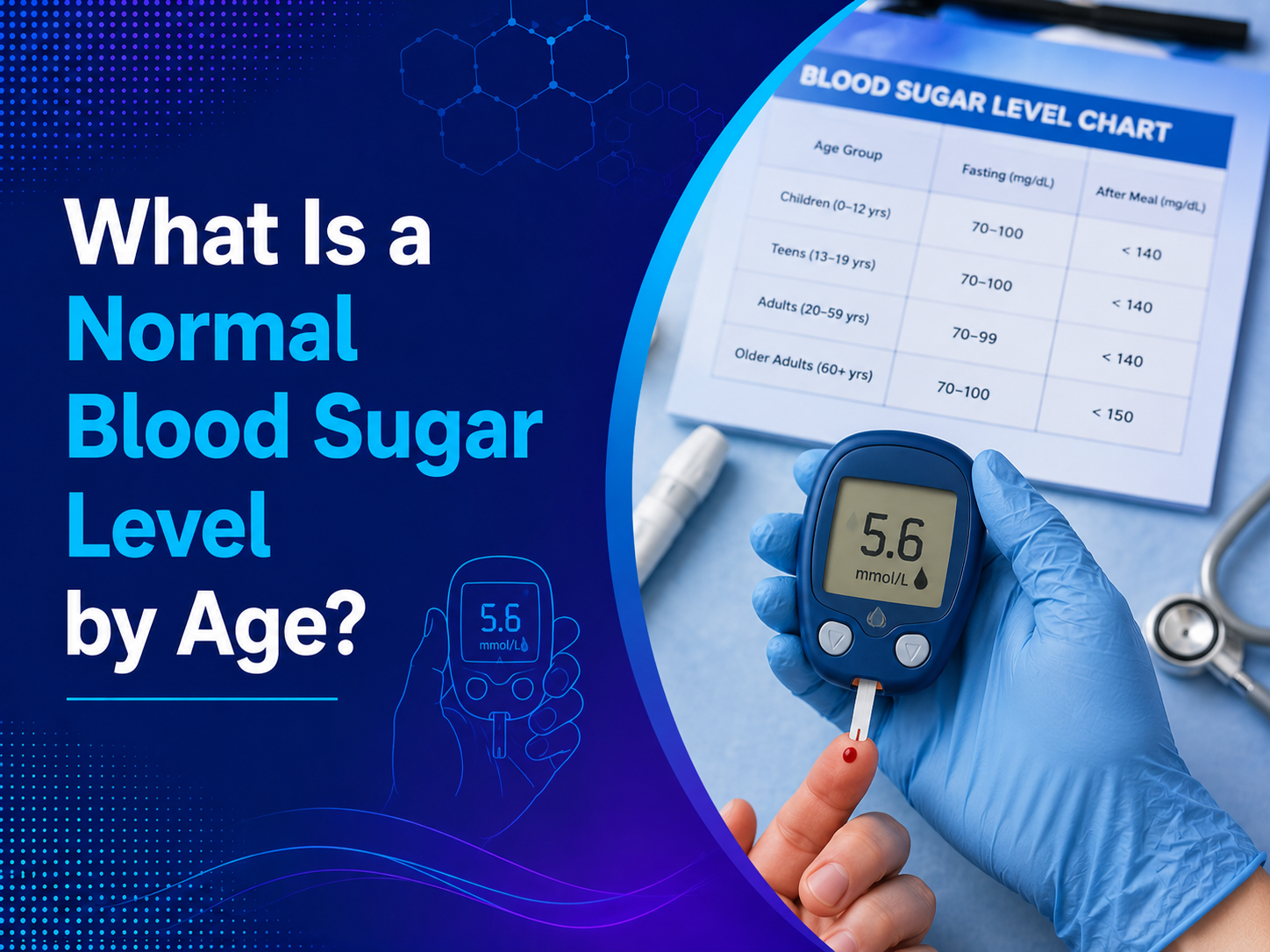
Between 24 and 28 weeks, an oral glucose tolerance test checks for gestational diabetes, a condition that can affect both maternal and fetal health if left untreated.
Quad Screen or Cell-Free DNA Test
Depending on your first trimester results, your doctor may recommend a quad screen or a non-invasive cell-free DNA test for further genetic risk assessment.

Important Tests for Pregnancy in the Third Trimester
The third trimester, from week 29 until delivery, shifts focus toward monitoring growth and preparing for a safe delivery.
- Growth Scan in Indore, to track the baby’s weight, position, and amniotic fluid levels
- Group B Streptococcus (GBS) test, typically done between 36 and 37 weeks
- Repeat infectious disease screening, including a follow-up syphilis test as recommended by health authorities
- Non-stress test (NST), to monitor the baby’s heart rate and movement patterns
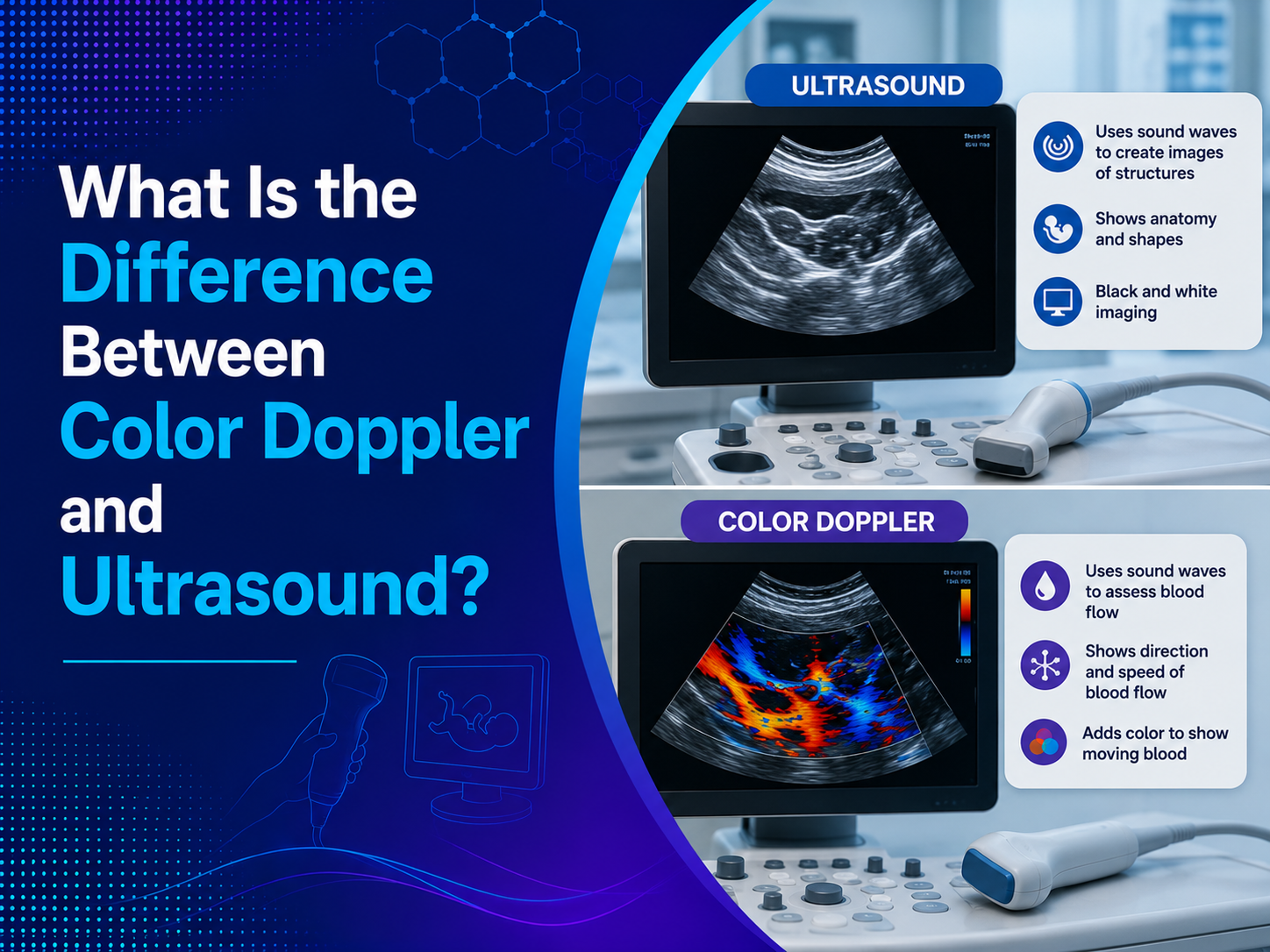
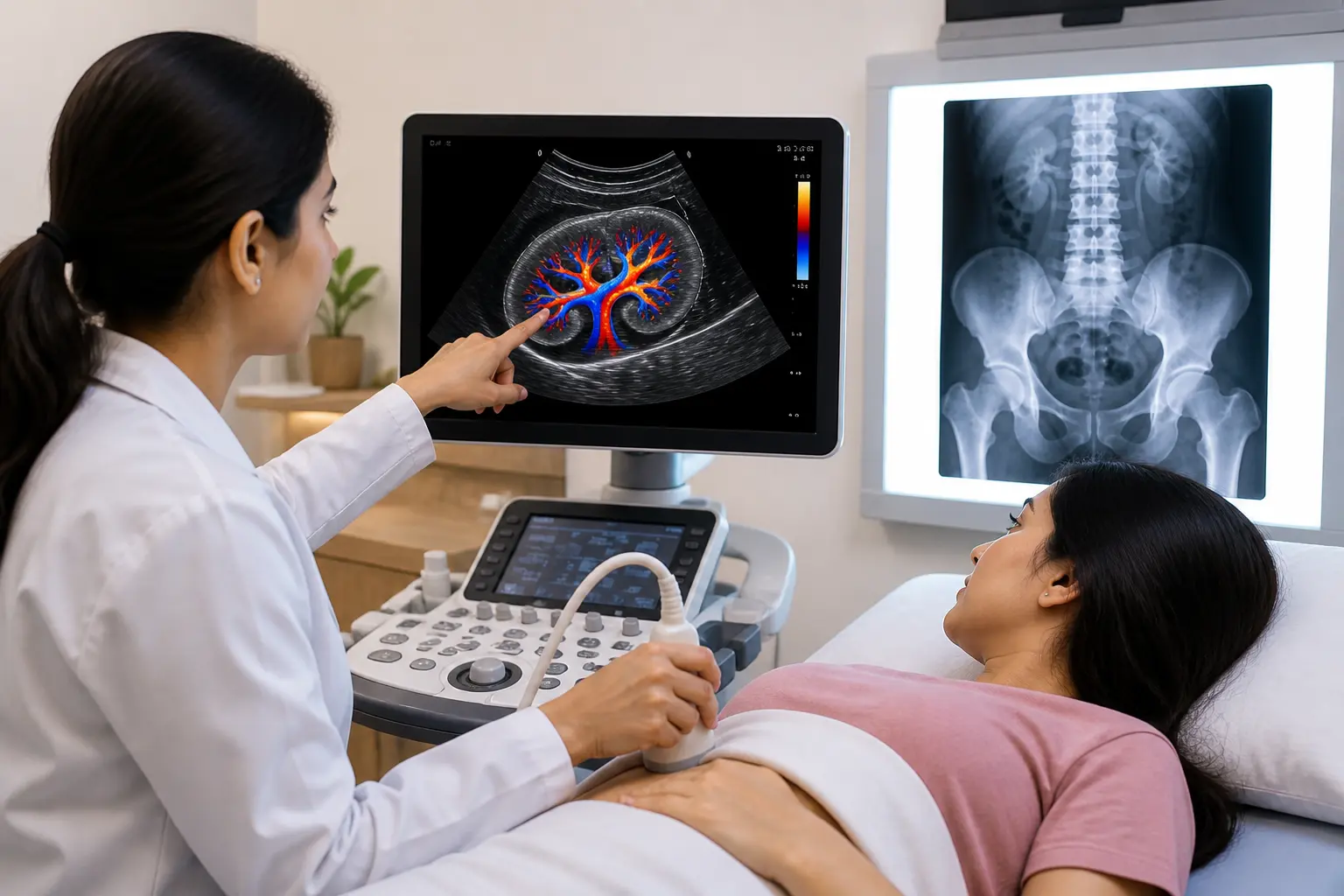
- Doppler ultrasound, to assess blood flow through the umbilical cord and placenta in higher-risk pregnancies
Regular growth scans in the final weeks help doctors confirm the baby is positioned correctly and growing on track, which plays a major role in delivery planning.
Trimester-Wise Pregnancy Testing Chart
| Trimester | Key Tests | Purpose |
| First (Week 1-13) | Early pregnancy test, CBC, nuchal translucency scan | Confirm pregnancy, assess early risk |
| Second (Week 14-28) | Anomaly scan, fetal echocardiography, glucose test | Detect structural or metabolic issues |
| Third (Week 29-delivery) | Growth scan, GBS test, non-stress test | Monitor growth, prepare for delivery |
Who Needs More Frequent Pregnancy Testing?
While most pregnancies follow the standard testing schedule, some situations call for closer monitoring and additional scans. Knowing whether you fall into a higher-risk category helps you and your doctor plan the right testing frequency from the start.
- Age above 35 at the time of conception
- A history of miscarriage, preterm birth, or pregnancy complications
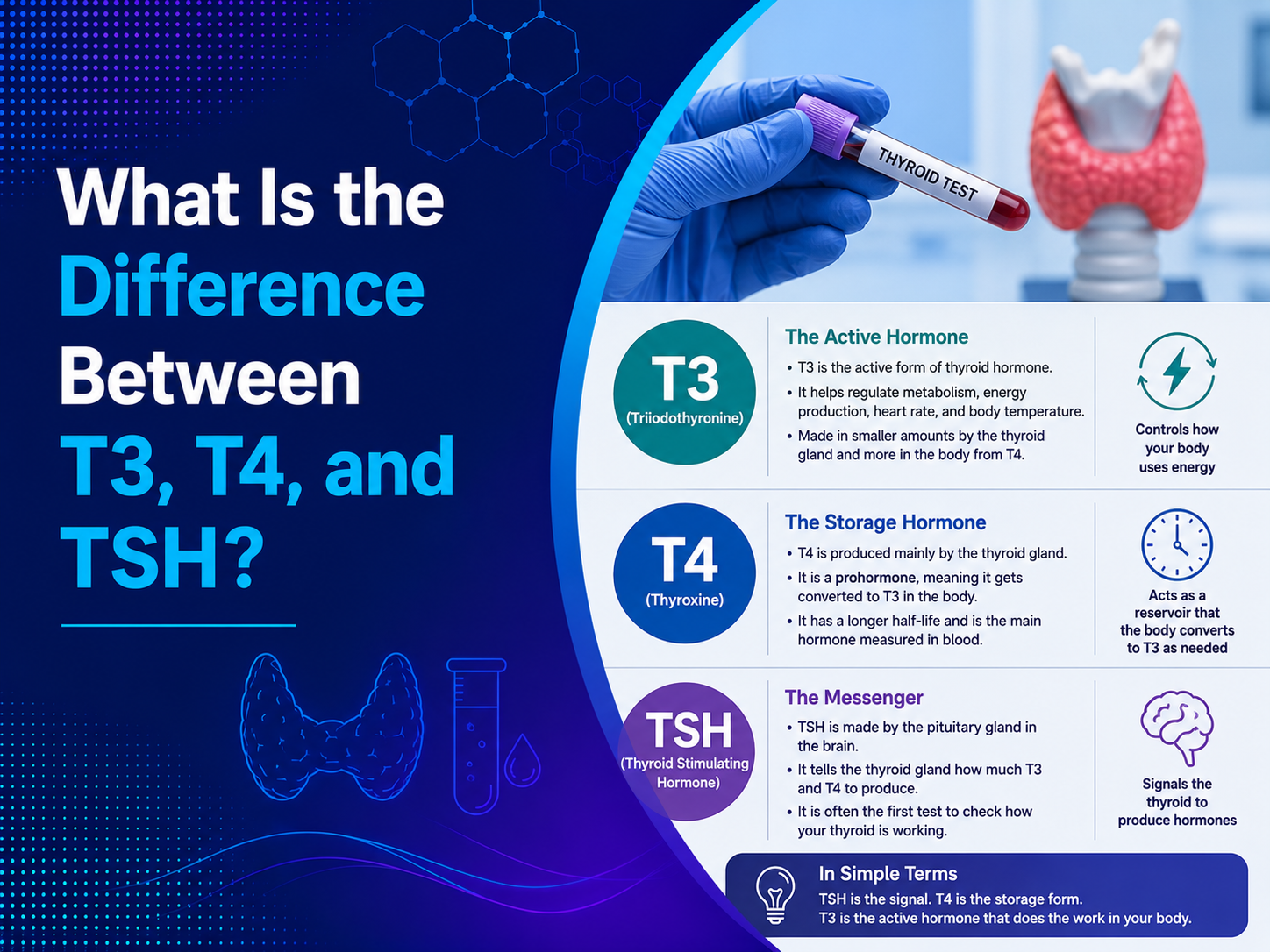
- Pre-existing conditions like diabetes, hypertension, or thyroid disorders
- A multiple pregnancy, such as twins or triplets
- Family history of genetic disorders
- Signs of slow fetal growth or reduced movement noticed during routine visits
If any of these apply to you, your doctor may recommend more frequent Growth Scan in Indore appointments or additional Doppler studies to keep a closer watch on your baby’s wellbeing throughout the pregnancy.
The Role of 3D USG Pelvic Scans in Pregnancy Monitoring
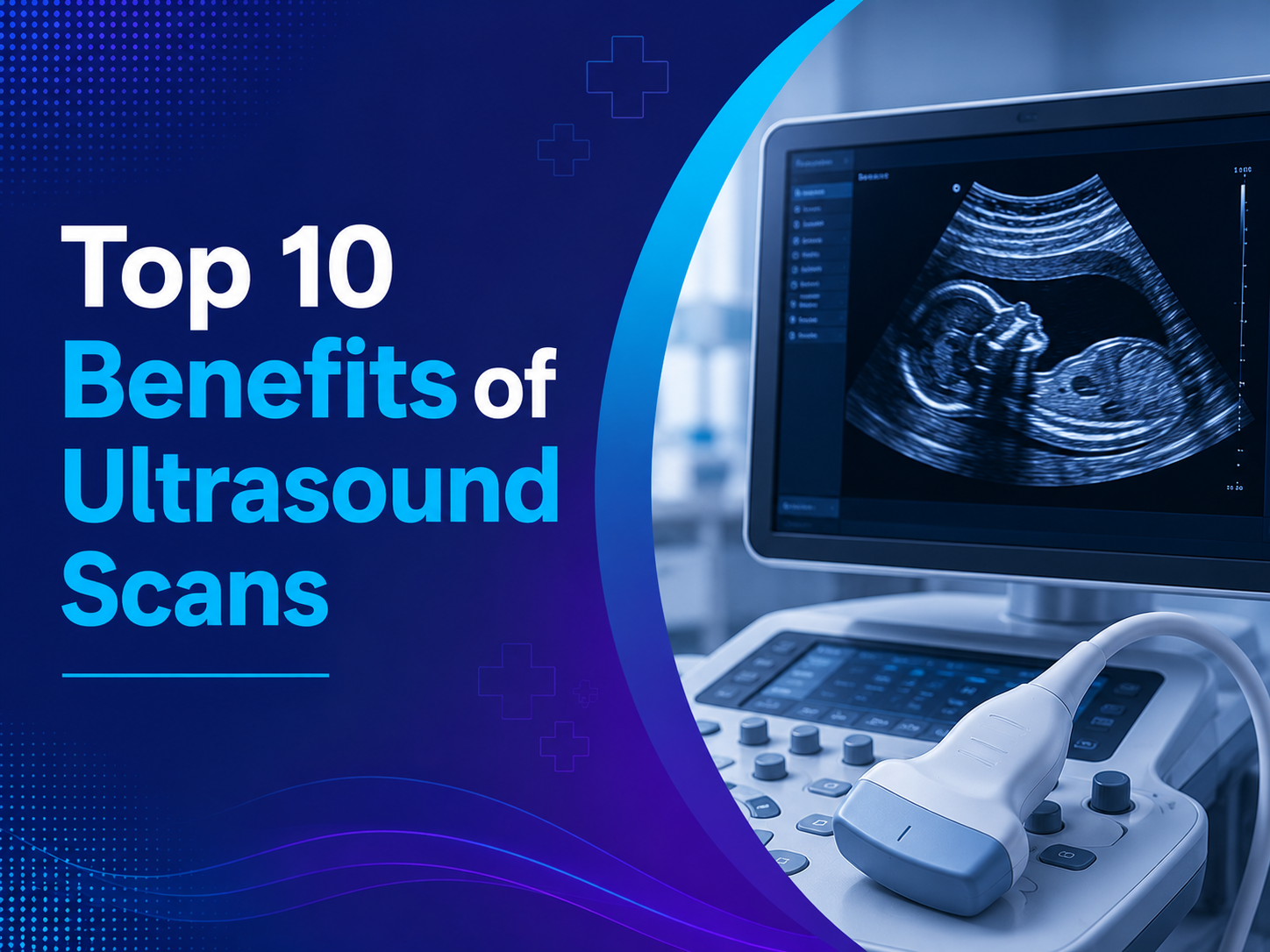
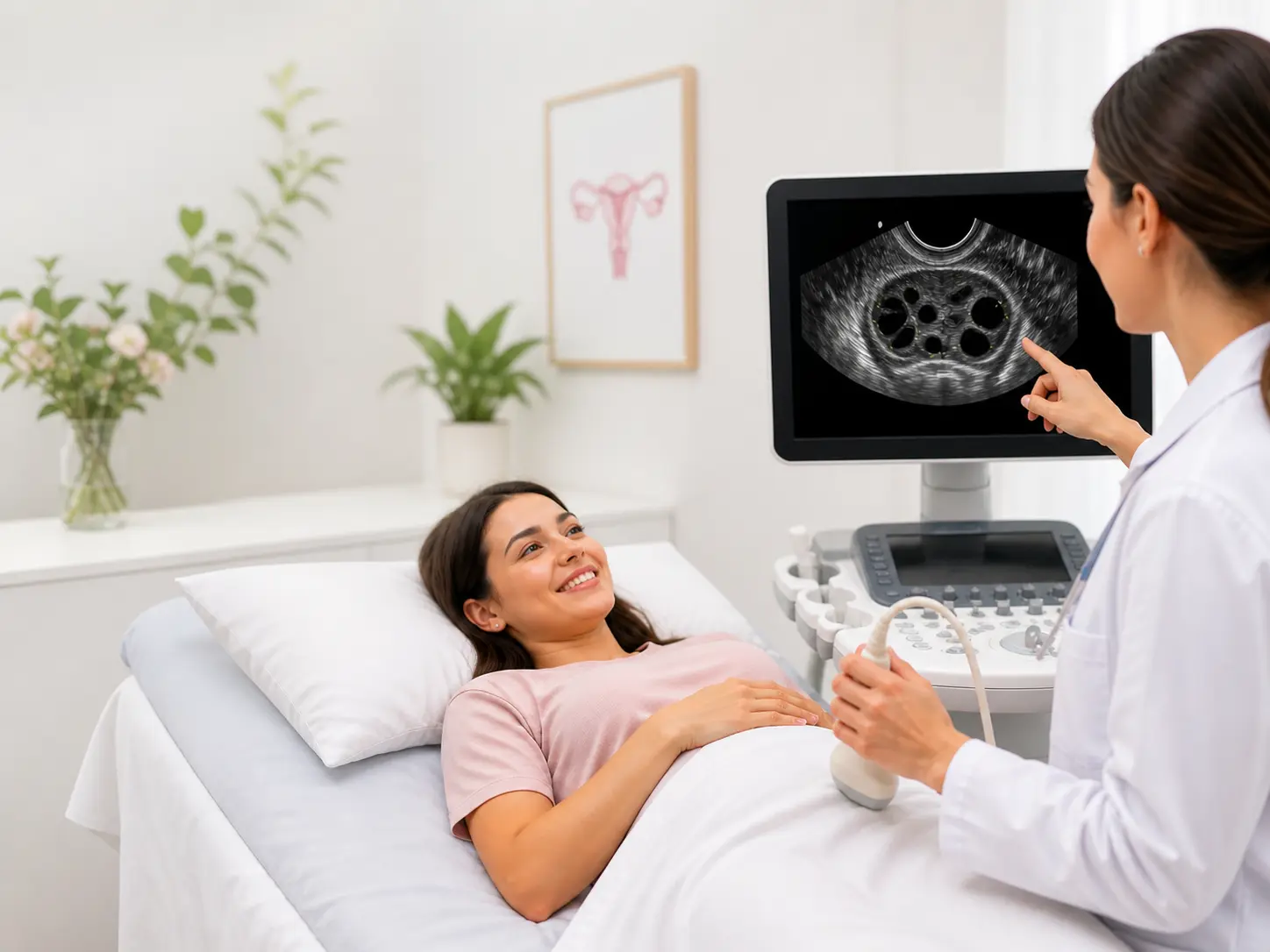
Ultrasound technology has advanced well beyond basic imaging. 3D USG Pelvic Scans in Indore allow doctors to examine the uterus, placenta, and fetal position with much greater clarity than standard 2D scans.
These scans are particularly useful for detecting placental abnormalities, confirming fetal position before delivery, and giving parents a clearer, more detailed view of their baby during routine checkups.
What to Expect During a Pregnancy Ultrasound
Understanding what happens during a scan can ease first-time nerves considerably.
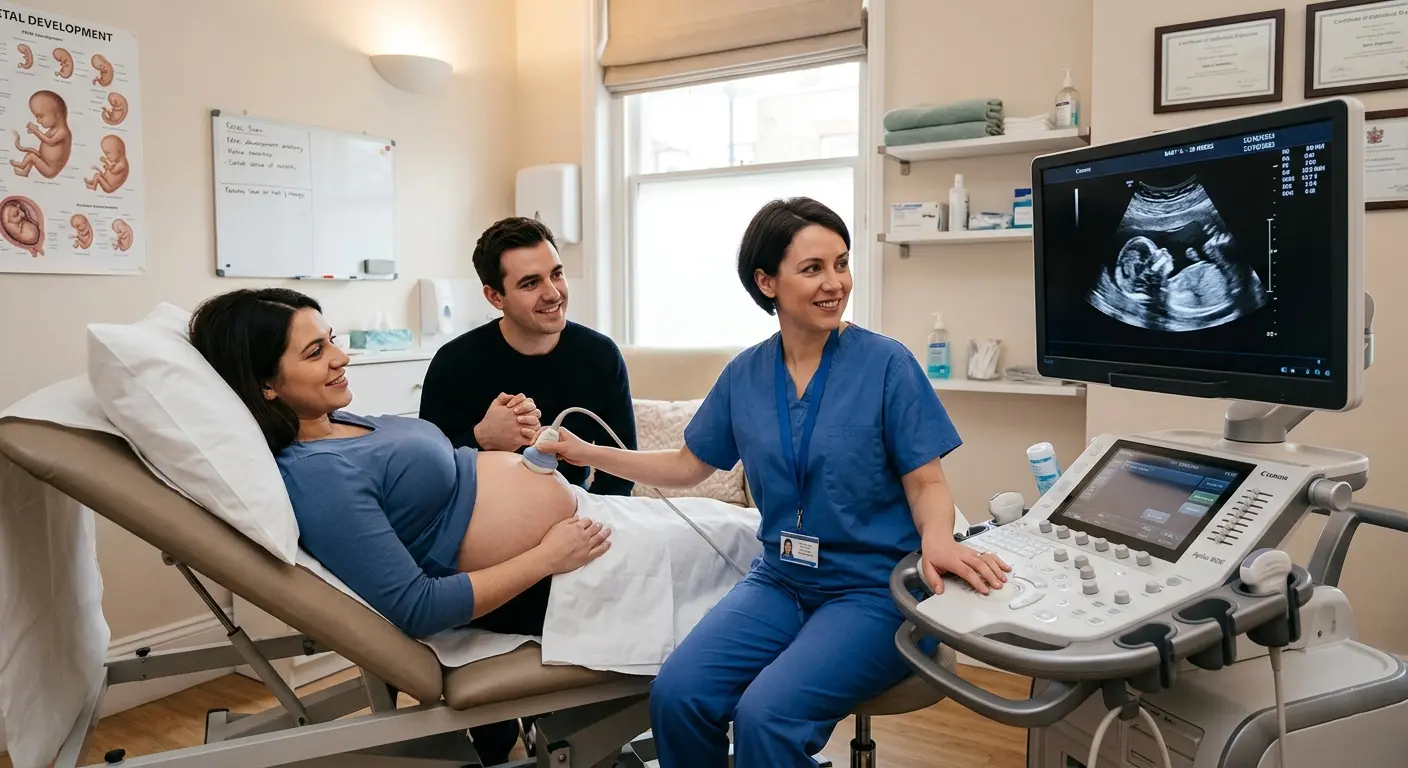
- You will lie down comfortably while a gel is applied to your abdomen.
- A technician moves a handheld probe gently over the area being examined.
- Images appear in real time on a monitor, which the sonographer reviews carefully.
- The scan typically takes 20 to 40 minutes, depending on the type of imaging.
- A radiologist reviews the images and shares a detailed report with your doctor.
Most pregnancy scans are painless and require no special preparation, though some early scans may require a full bladder for clearer imaging.
Why Choose Ultrascan Diagnostic Centre for Your Pregnancy Tests
Choosing an experienced facility for prenatal testing genuinely matters, since accuracy at every stage directly affects the decisions your doctor makes. Ultrascan Diagnostic Centre is a trusted GYNAE Pregnancy Sonography Centre in Indore, offering complete prenatal testing under one roof.
- Advanced imaging equipment for accurate 3D/4D Targeted Imaging in Indore
- Experienced sonologists and radiologists reviewing every scan
- Complete panel of tests from early pregnancy confirmation to third trimester growth scans
- Comfortable, patient-friendly environment designed for expecting mothers
- Reports shared promptly with your gynecologist for faster decision-making
As one of the best diagnostic centre in Indore for maternal and fetal health, Ultrascan Diagnostic Centre combines modern technology with an experienced team, so every stage of your pregnancy is monitored with care and precision.
Frequently Asked Questions
1. When should I get my first pregnancy test done?
You can take an Early Pregnancy Test in Indore as soon as you miss your period, typically using a urine or blood test to confirm hCG levels. A confirmatory ultrasound is usually scheduled a few weeks later.
2. Is the anomaly scan the same as a 3D or 4D ultrasound?
Not exactly. The anomaly scan is a detailed structural examination usually done between 18 and 22 weeks, and it is often performed using 3D/4D Targeted Imaging in Indore for a clearer, more detailed view of the baby’s anatomy.
3. How many ultrasounds are needed during a normal pregnancy?
Most healthy pregnancies involve three to four ultrasounds, including an early dating scan, a nuchal translucency scan, a detailed anomaly scan, and a growth scan in the third trimester. Higher-risk pregnancies may need more frequent monitoring.
4. What is a growth scan and why is it important later in pregnancy?
A Growth Scan in Indore measures the baby’s weight, amniotic fluid levels, and position in the final weeks of pregnancy. This helps doctors confirm healthy development and plan for a safe delivery.
5. Are pregnancy blood tests and ultrasounds safe for the baby?
Yes, routine blood tests and ultrasounds used during pregnancy are considered safe and do not use ionizing radiation. They are standard parts of prenatal care recommended by obstetric health authorities worldwide.
Conclusion
A healthy pregnancy depends on consistent, well-timed screening from the very first confirmation test to the final growth scan before delivery. Understanding the Important Tests for Pregnancy at each stage helps you stay informed and gives your doctor everything needed to keep both you and your baby safe.
Book your prenatal tests today at Ultrascan Diagnostic Centre, a trusted Diagnostic Centre in Indore for complete pregnancy care. Walk in or call ahead to schedule your appointment and take the next confident step in your pregnancy journey.