High blood pressure often has no obvious symptoms, which is why regular screening matters so much. The right Blood Tests to Diagnose High Blood Pressure can reveal not just whether your BP is elevated, but also what is causing it and how it may already be affecting your heart, kidneys, and overall health. This guide explains which tests doctors recommend, why each one matters, and where to get accurate results in Indore.
Why Blood Tests Matter for High Blood Pressure Diagnosis
A blood pressure cuff reading tells you the number, but it does not tell you the reason behind it. That is where Blood Tests to Diagnose High Blood Pressure come in, since they help doctors understand whether your kidneys, hormones, cholesterol, or blood sugar are contributing to the problem.
Hypertension rarely happens in isolation. It is often linked to conditions like diabetes, kidney disease, or high cholesterol, so a proper diagnostic workup looks at the full picture rather than the blood pressure number alone.
Common Signs That You May Need Blood Pressure Testing
Because hypertension is often silent, many people only find out during a routine check or when symptoms become noticeable. Watch for the following signs.
- Frequent headaches, especially in the morning
- Dizziness or blurred vision
- Shortness of breath during normal activity
- Chest discomfort or a pounding heartbeat
- Unexplained fatigue or nosebleeds
- A family history of hypertension or heart disease
If you notice any of these signs, or if your BP reading at home or at a clinic is consistently above 130/80 mmHg, it is time to schedule the essential Blood Tests to Diagnose High Blood Pressure.
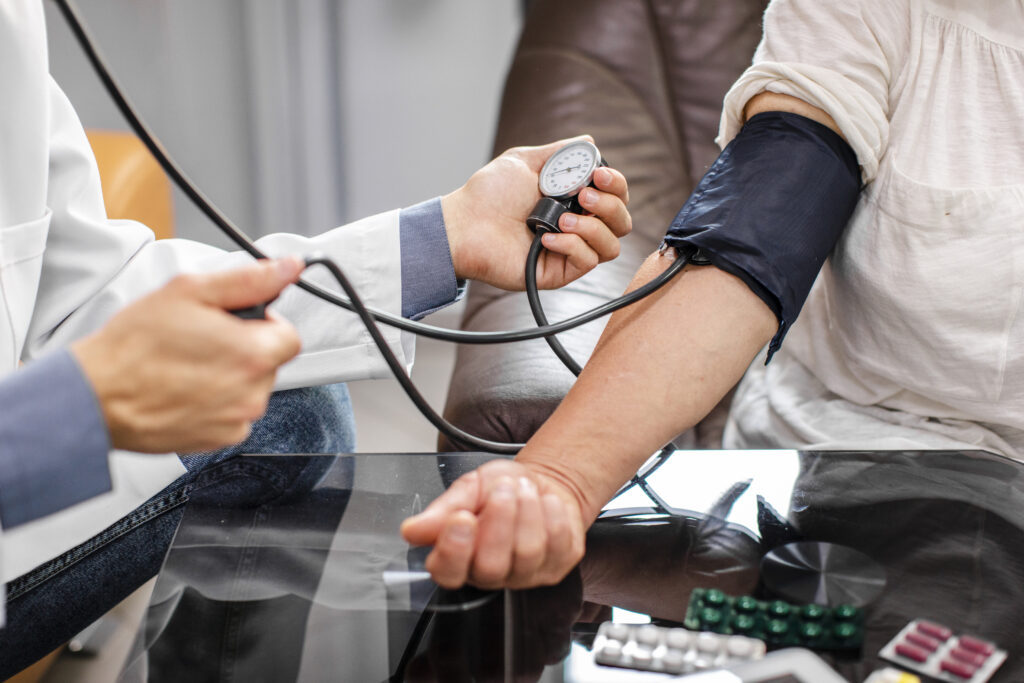
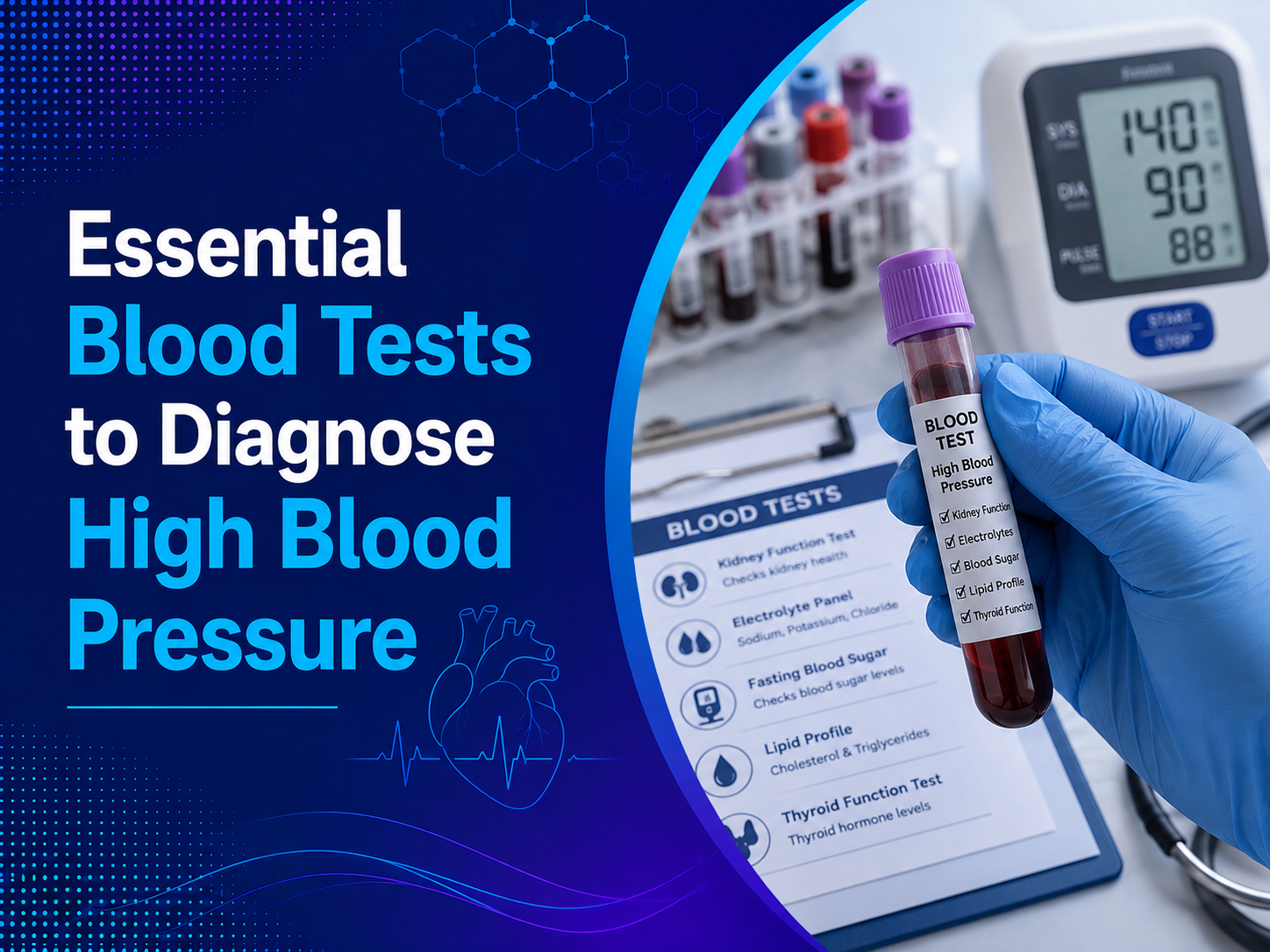
Essential Blood Tests to Diagnose High Blood Pressure
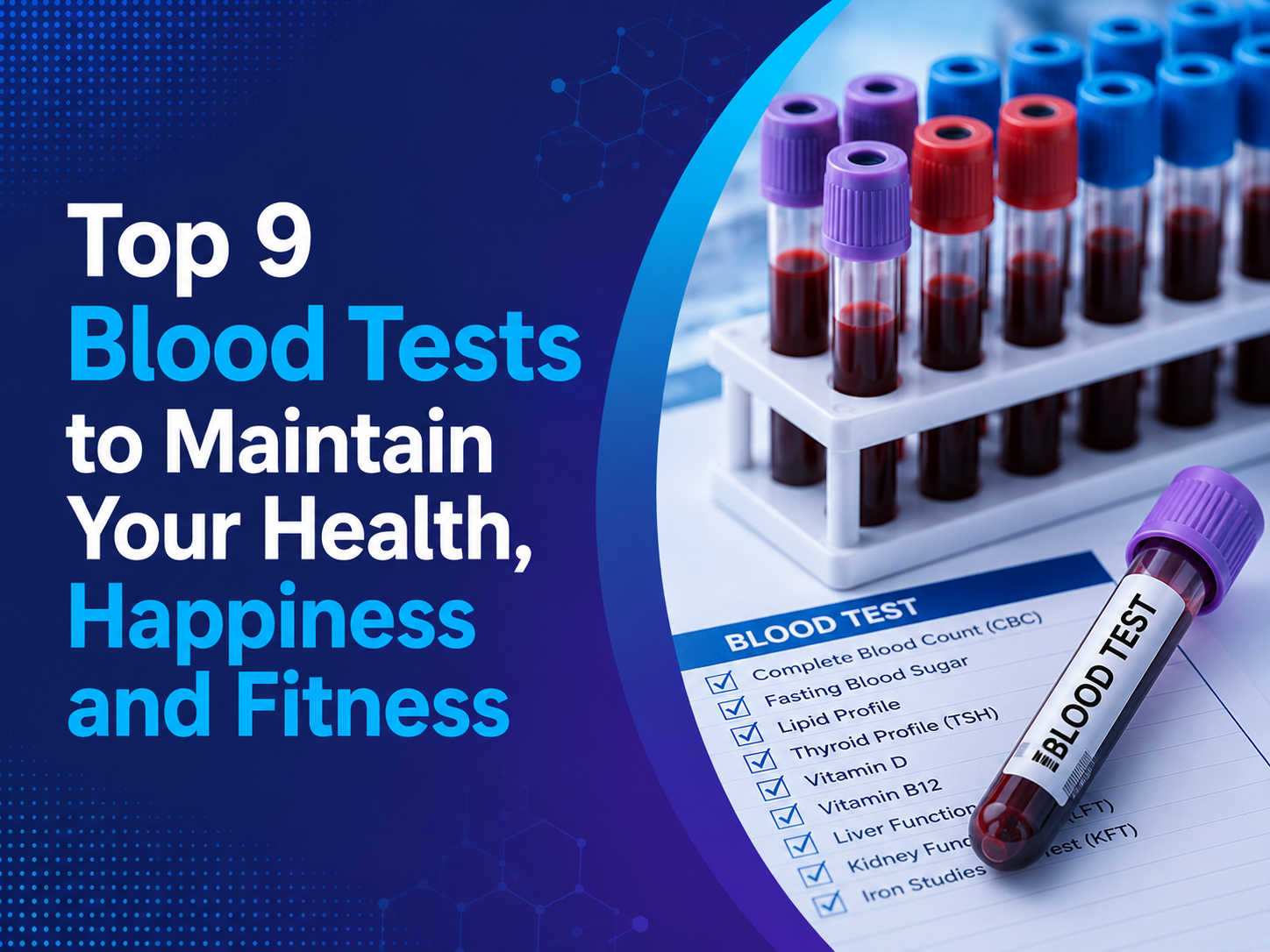
Doctors typically order a combination of tests rather than a single one, since each test reveals a different piece of the puzzle. Below are the tests most commonly included in a hypertension workup.
1. Complete Blood Count (CBC)
A Complete Blood Count checks red blood cells, white blood cells, and platelets. While it does not directly diagnose high BP, it helps detect anemia or infection, which can indirectly influence blood pressure levels.
2. Kidney Function Test (Serum Creatinine and BUN)
Your kidneys play a major role in regulating blood pressure, and hypertension can damage them over time. A kidney function test measures serum creatinine and blood urea nitrogen (BUN) to check how well your kidneys are filtering waste.
3. Lipid Profile
A lipid profile measures total cholesterol, LDL, HDL, and triglycerides. High blood pressure and high cholesterol often occur together, and elevated lipid levels significantly increase the risk of heart attack and stroke in hypertensive patients.
4. Fasting Blood Glucose (Blood Sugar Test)
Diabetes and hypertension frequently go hand in hand, so a fasting blood glucose test is a standard part of any BP evaluation. Uncontrolled blood sugar can accelerate damage to blood vessels already under strain from high pressure.
5. Electrolyte Panel (Sodium and Potassium)
Sodium and potassium levels directly affect fluid balance and blood pressure regulation. An electrolyte imbalance can either cause hypertension or result from certain blood pressure medications, so monitoring these levels is essential.
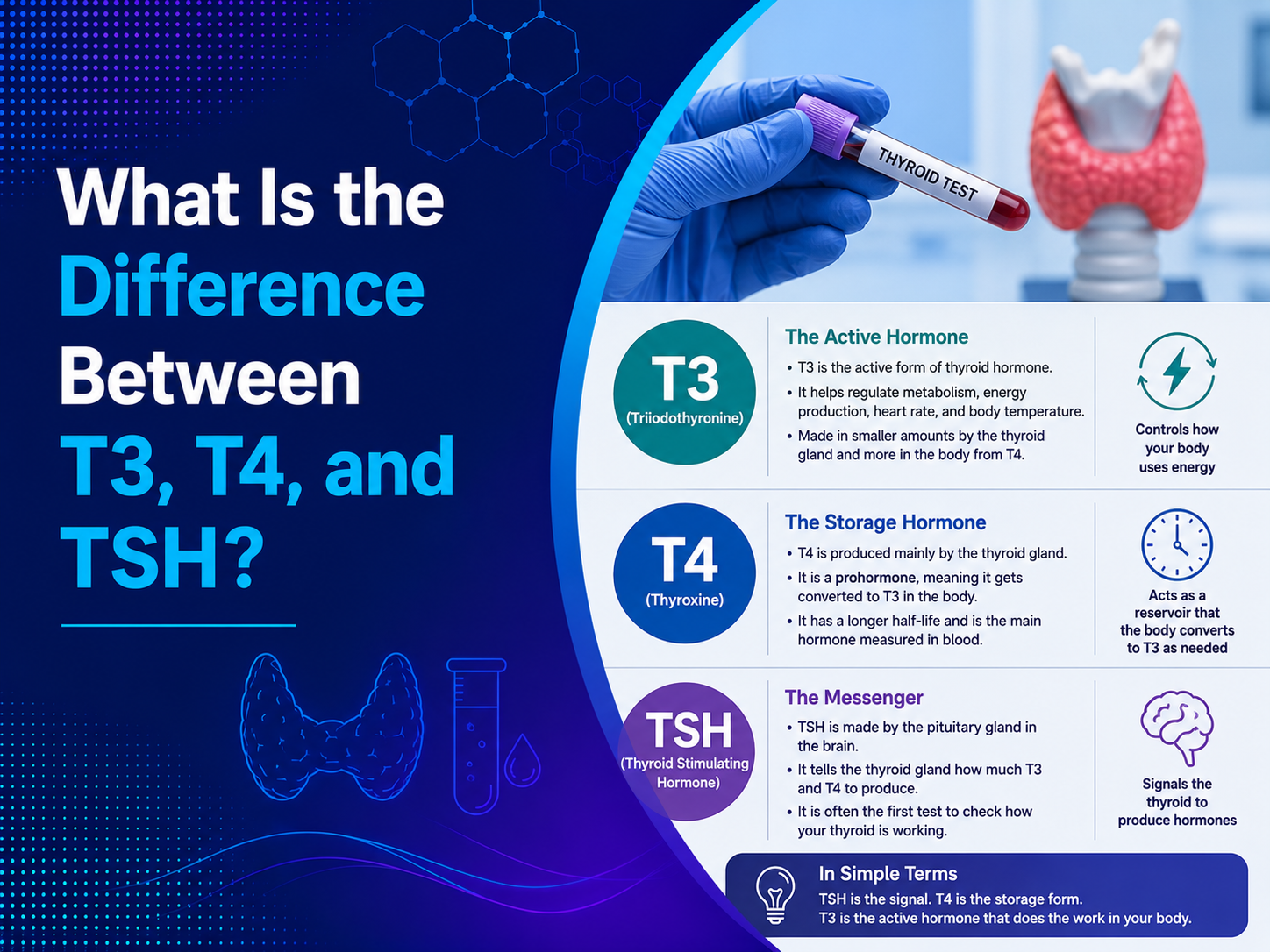
6. Thyroid Function Test (TSH)
An overactive or underactive thyroid can raise blood pressure or make it harder to control. A thyroid-stimulating hormone (TSH) test helps rule out thyroid problems as an underlying cause.
7. C-Reactive Protein (CRP)
CRP is a marker of inflammation in the body and is linked to atherosclerosis, a key contributor to hypertension. Monitoring CRP levels gives doctors additional insight into cardiovascular risk beyond the blood pressure reading itself.
8. Urinalysis
Along with blood tests, a urine test is usually recommended to check for protein or blood, which can be early indicators of kidney damage caused by prolonged high blood pressure.
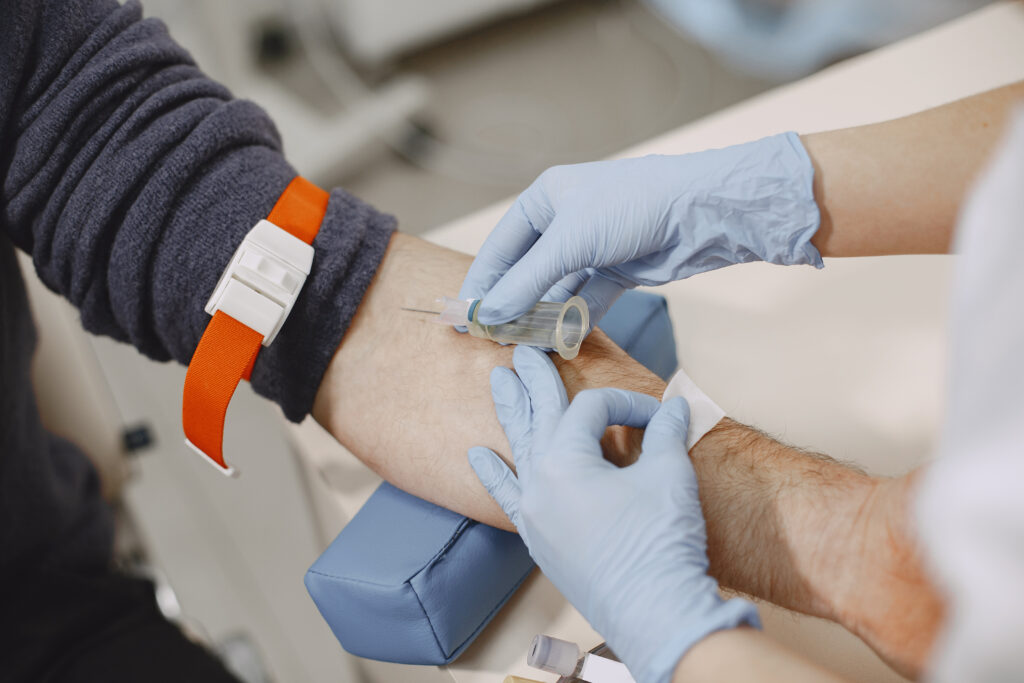
Blood Tests to Diagnose High Blood Pressure: Quick Reference Table
| Test | What It Checks | Why It Matters |
| Complete Blood Count | Red cells, white cells, platelets | Detects anemia or infection |
| Kidney Function Test | Creatinine, BUN | Checks kidney damage from hypertension |
| Lipid Profile | Cholesterol, LDL, HDL, triglycerides | Assesses heart disease risk |
| Fasting Blood Glucose | Blood sugar levels | Screens for diabetes |
| Electrolyte Panel | Sodium, potassium | Checks fluid and BP regulation |
| Thyroid Function Test | TSH levels | Rules out thyroid-related hypertension |
| CRP Test | Inflammation markers | Indicates cardiovascular risk |
| Urinalysis | Protein, blood in urine | Detects kidney damage |
How to Prepare for Your Blood Pressure Blood Tests
Most tests in this panel require minimal preparation, but a few simple steps help ensure accurate results.
- Fast for 8 to 12 hours before a fasting blood glucose or lipid profile test.
- Stay hydrated with water, since dehydration can affect certain readings.
- Avoid intense exercise or heavy meals the night before your test.
- Inform the technician about any current medications, especially blood pressure or thyroid medicines.
- Try to schedule your test in the morning for the most consistent results.
Where to Get Accurate Blood Pressure Testing in Indore
Choosing the right lab matters just as much as choosing the right tests. Ultrascan Diagnostic Centre is known as one of the best diagnostic centre in Indore for cardiovascular and general health screening, offering accurate, same-day results for the full hypertension panel.
- Modern, well-calibrated equipment for precise results
- Experienced pathologists reviewing every report
- Convenient Health Packages in Indore that bundle BP-related tests together at a lower cost
- Comfortable facility with minimal waiting time
- Reports shared digitally for quick access by you and your doctor
As a reliable Pathology Lab in Indore, Ultrascan Diagnostic Centre makes it simple to get every essential blood test done in one visit, so you are not running between multiple labs for a complete picture of your health.
Why Regular Screening Matters, Even Without Symptoms
High blood pressure is often called a silent condition because it can quietly damage your heart, kidneys, and blood vessels for years before symptoms appear. Regular screening through a trusted Diagnostic Centre in Indore allows you to catch problems early, when they are easiest to manage.
Annual health checkups that include the essential Blood Tests to Diagnose High Blood Pressure are especially important if you are over 40, overweight, or have a family history of heart disease. Early detection genuinely changes outcomes, since managing hypertension early significantly lowers the risk of stroke and heart failure later in life.
Frequently Asked Questions
1. Can a single blood test confirm high blood pressure?
No single blood test confirms hypertension on its own. Diagnosis is based primarily on repeated blood pressure readings, while blood tests help identify the underlying cause and related health risks.
2. How often should I get these blood tests done?
If you already have hypertension, doctors typically recommend these tests once a year, or more often if your medication needs adjusting. Healthy adults without symptoms can usually test every one to two years as part of a routine health package.
3. Do I need to fast before a blood pressure blood test panel?
Yes, tests like fasting blood glucose and lipid profile require 8 to 12 hours of fasting. Your diagnostic centre will guide you on which specific tests in your panel need fasting.
4. Can high blood pressure damage my kidneys before I notice symptoms?
Yes, kidney damage from hypertension often develops silently over years. This is exactly why a kidney function test is included in most blood pressure diagnostic panels, even if you feel completely fine.
5. Are these blood tests covered under standard health packages?
Most comprehensive Health Packages in Indore include CBC, kidney function, lipid profile, and blood sugar tests together. It is worth checking with your diagnostic centre for a bundled hypertension screening package to save on individual test costs.
Conclusion
High blood pressure can be managed effectively, but only when it is properly understood. The right combination of Blood Tests to Diagnose High Blood Pressure gives your doctor the complete picture needed to protect your heart, kidneys, and long-term health.
Book your complete hypertension blood test panel today at Ultrascan Diagnostic Centre, your trusted Pathology Lab in Indore for accurate, same-day results. Walk in or call ahead to schedule your appointment and take the first step toward better blood pressure management.