Hormones control almost every major function in your body, from metabolism and mood to growth and reproduction. When even one hormone falls out of balance, the effects can show up as fatigue, weight changes, irregular periods, mood swings, or fertility problems.
A hormonal assay test is the medical tool doctors use to find out exactly what is happening inside your body at a chemical level. If you have searched for a hormone assay test centre or a reliable diagnostic centre in Indore, this guide will help you understand what the test involves, why your doctor may have recommended it, and what your results actually mean.
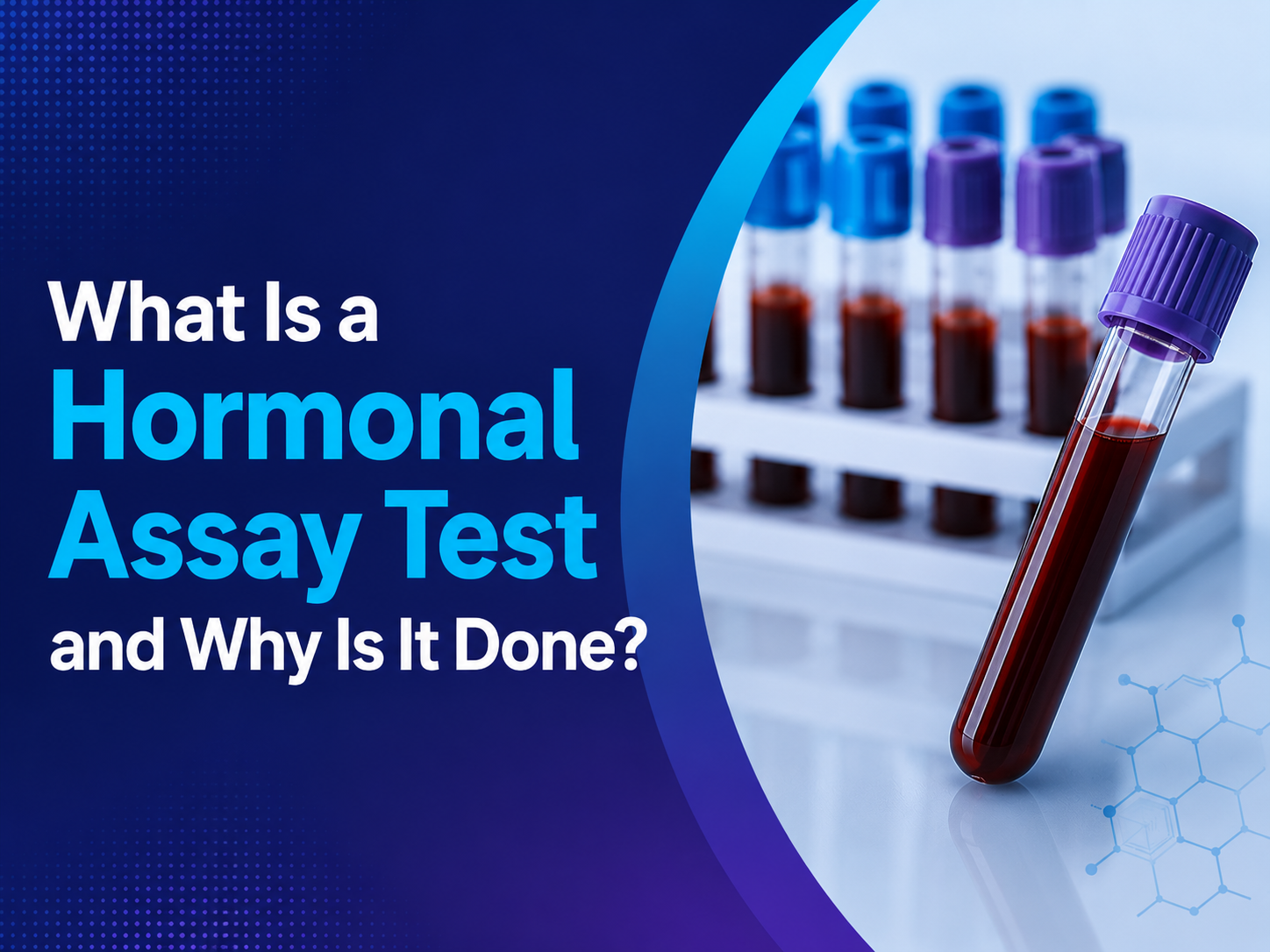
A hormone assay test is a blood, urine, or saliva test that measures the level of one or more hormones in your body. Doctors order it to diagnose thyroid disorders, PCOS, infertility, diabetes, growth issues, and other hormone-related conditions.
What Is a Hormone Assay Test?
A hormone assay is a laboratory test that measures the concentration of specific hormones circulating in your blood, urine, or saliva. Hormones are chemical messengers produced by glands such as the thyroid, pituitary, adrenal glands, ovaries, and testes.
Each hormone has a normal reference range. When your hormonal assay test results fall outside this range, it tells your doctor that a gland may be producing too much or too little of a particular hormone.
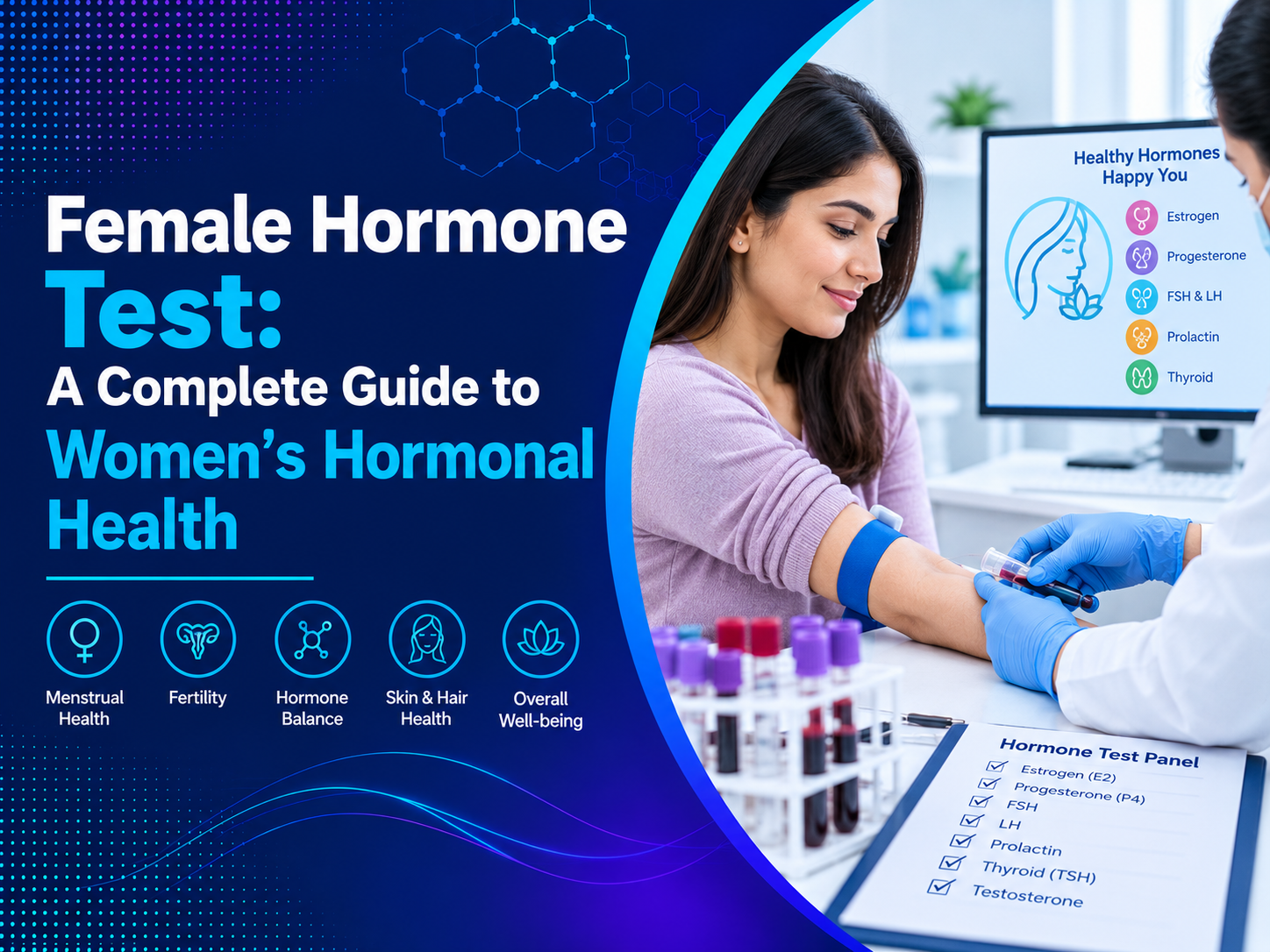
This single test category covers many specific tests, including:
- Thyroid Stimulating Hormone (TSH)
- Follicle Stimulating Hormone (FSH)
- Luteinizing Hormone (LH)
- Prolactin
- Testosterone
- Estrogen and Progesterone
- Cortisol
- Insulin
Because hormones interact with each other in complex ways, doctors often order a panel of related hormone tests rather than just one, so the bigger picture becomes clear.
How Does a Hormonal Assay Test Work?
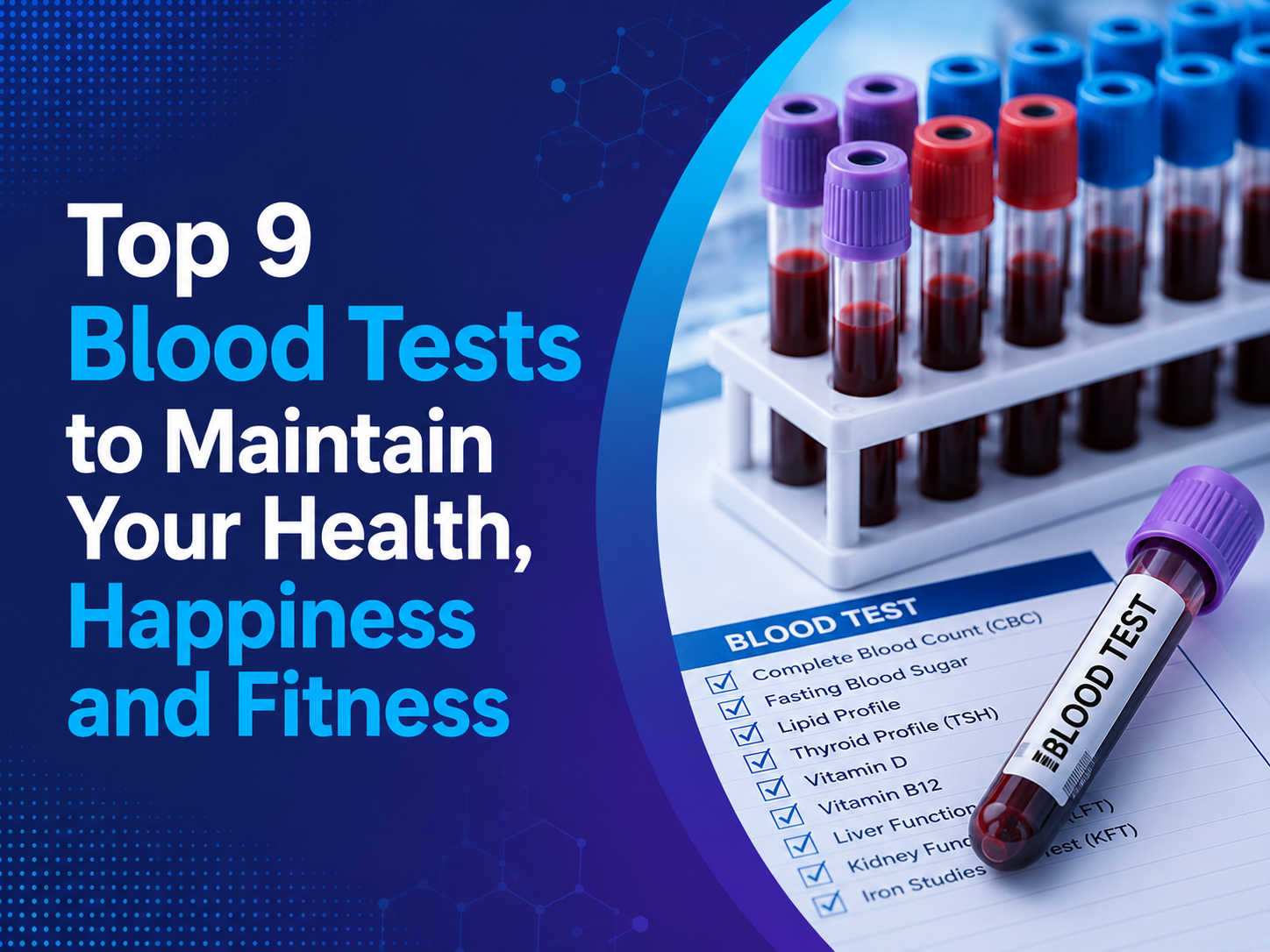
Most hormone assay test procedures are simple and use one of three sample types: blood, urine, or saliva. Blood tests are the most common because they give the most accurate snapshot of hormone levels at a given moment.
The sample collected at the lab is processed using specialised techniques such as immunoassay or chemiluminescence, which detect even tiny amounts of a hormone. The lab then compares your result to standard reference ranges based on your age, gender, and sometimes the time of your menstrual cycle.
Timing matters a lot. For example, FSH and LH levels are usually checked on specific days of the menstrual cycle, while cortisol is often tested in the morning when it is naturally highest. A good diagnostic centre in Indore will always guide you on the correct timing before your test.
Why Is a Hormone Assay Test Done?
Doctors recommend a hormonal assay test whenever symptoms suggest that hormone levels might be abnormal. Some of the most common reasons include:
- Unexplained fatigue or weight changes: Often linked to thyroid hormone imbalance.
- Irregular or missed periods: Usually checked with FSH, LH, prolactin, and thyroid panels.
- Difficulty conceiving: Fertility evaluations rely heavily on hormone assay results for both men and women.
- Excess hair growth, acne, or irregular cycles: Common signs of PCOS, confirmed through hormone testing.
- Low energy, low libido, or muscle loss in men: Often points to low testosterone.
- Unexplained mood changes or sleep issues: Cortisol and thyroid imbalances are frequent causes.
- Monitoring pregnancy or menopause: Hormone levels naturally shift, and testing helps track these changes safely.
- Growth concerns in children: Growth hormone assays help identify delayed or excessive growth.
In short, if your symptoms cannot be explained by a simple physical exam alone, your doctor will likely recommend a hormone assay test to look deeper.
Common Types of Hormone Assay Tests
Different symptoms call for different hormone panels. Here are some of the most frequently ordered tests at a hormone assay test centre:
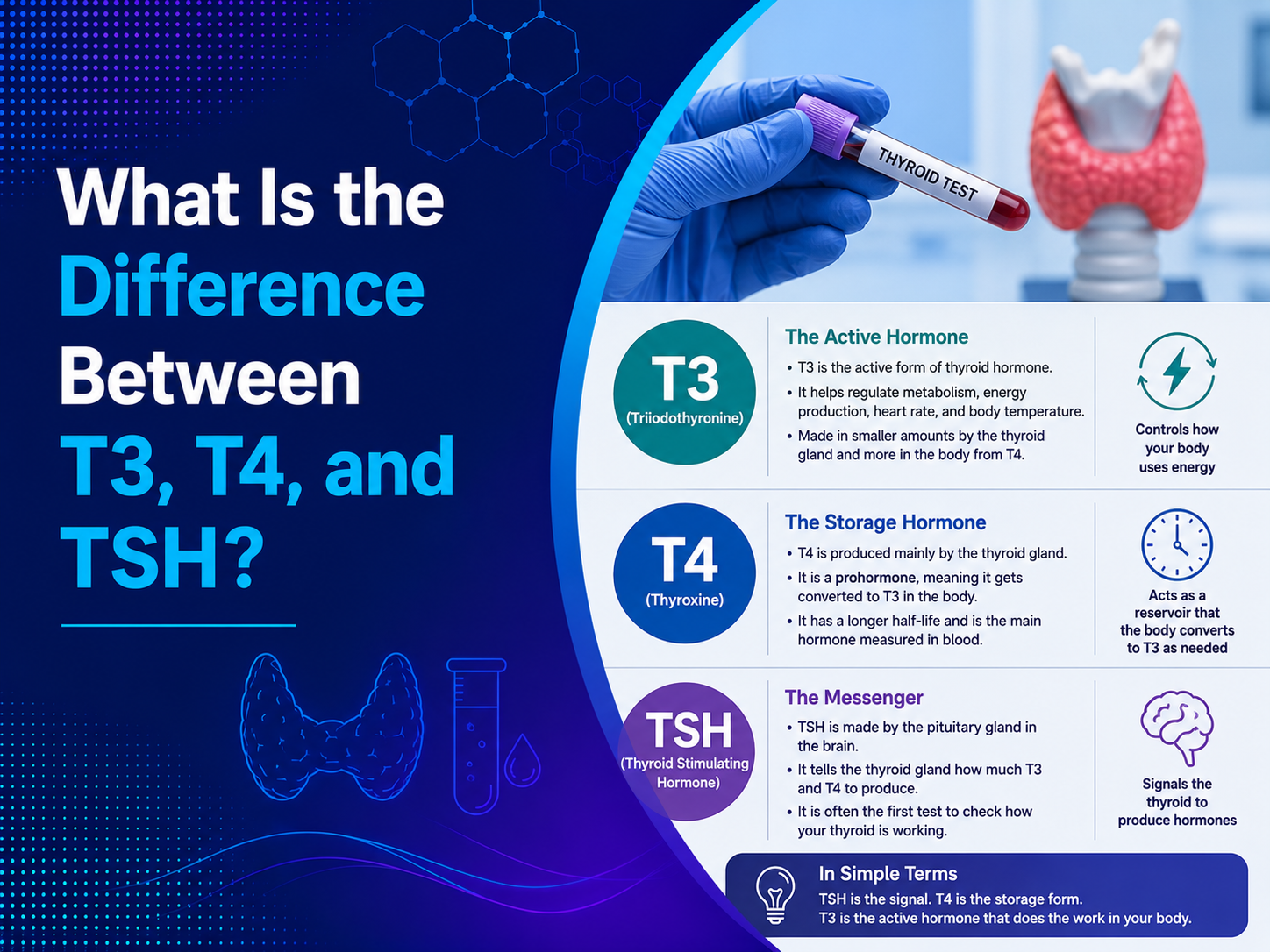
- Thyroid Profile (T3, T4, TSH): Detects hypothyroidism or hyperthyroidism.
- Reproductive Hormone Panel (FSH, LH, Prolactin, Estrogen, Progesterone, Testosterone): Used for fertility and menstrual disorders.
- Adrenal Hormone Test (Cortisol, ACTH): Checks for adrenal gland disorders like Cushing’s syndrome or Addison’s disease.
- Insulin and Blood Glucose Hormone Panel: Evaluates diabetes risk and insulin resistance.
- Growth Hormone Test: Assesses pituitary gland function, especially in children with growth concerns.
Your doctor will decide which specific panel suits your symptoms, so it is always best to get tested based on a proper consultation rather than guessing which test to take.
Who Should Consider a Hormonal Assay Test?
You do not need to wait for severe symptoms to get checked. Consider booking a hormone assay test if you experience any of the following:
- Persistent tiredness with no clear cause
- Sudden weight gain or weight loss
- Irregular menstrual cycles or painful periods
- Trouble getting pregnant after trying for several months
- Unusual hair loss or excessive facial or body hair
- Mood swings, anxiety, or depression without an obvious trigger
- Family history of thyroid disease, diabetes, or PCOS
Routine hormone testing is also common during pregnancy, before fertility treatment, and as part of annual health checkups for people over 40.
What to Expect Before, During, and After the Test
Preparation depends on which hormone is being measured, but here is a general idea of the process.
Before the test: Your doctor may ask you to fast for a few hours, avoid strenuous exercise, or schedule the test on a particular day of your menstrual cycle. Always mention any medication or supplements you are taking, since some can affect hormone levels.
During the test: A small blood sample is usually drawn from a vein in your arm. The process takes only a few minutes and is no different from a routine blood test.
After the test: You can typically resume normal activities right away. Results are usually ready within 24 to 48 hours, depending on which hormones were tested and the lab’s processing time.
It is important to discuss your report with your doctor rather than interpreting it alone, since hormone levels must be read in context with your symptoms, age, and overall health.
Choosing a Reliable Hormone Assay Test Centre in Indore
Accuracy matters enormously with hormone testing, since even small errors in sample handling can affect results. When searching for a diagnostic centre in Indore near me, look for these factors:
- NABL-accredited laboratory for verified accuracy
- Modern, calibrated equipment for sensitive hormone detection
- Experienced lab technicians and pathologists
- Quick and clearly explained reporting
- Comfortable, hygienic sample collection environment
An Indore diagnostic centre that meets these standards gives you confidence that your results truly reflect what is happening in your body, helping your doctor make the right treatment decisions.
Why Choose Ultrascan Diagnostic Centre
At Ultrascan Diagnostic Centre, we understand how stressful it can be to deal with unexplained symptoms while waiting for clear answers. As a trusted hormone assay test centre in Indore, we combine accredited lab standards with a patient-first approach.
Our team uses advanced diagnostic technology to ensure precise hormone measurement, fast turnaround times, and reports that your doctor can rely on. Whether you need a single thyroid check or a complete reproductive hormone panel, our experienced pathologists and technicians are here to guide you through every step.
We have built our reputation as a dependable diagnostic centre in Indore by focusing on accuracy, comfort, and clear communication, so you always know what your results mean and what to do next.
Frequently Asked Questions
1. Is a hormonal assay test painful? No. Most hormone assay tests only require a small blood sample drawn from your arm, similar to a routine blood test. Mild discomfort at the needle site is normal and resolves quickly.
2. Do I need to fast before a hormone assay test? It depends on which hormone is being tested. Some tests, like insulin or cortisol, may require fasting or a specific time of day, while others do not. Your doctor or the diagnostic centre will give you exact instructions.
3. How long does it take to get hormone assay test results? Most results are available within 24 to 48 hours. Some specialised hormone panels may take slightly longer, depending on the lab’s processing requirements.
4. Can I get a hormone assay test done without a doctor’s prescription? Many diagnostic centres allow self-requested tests for general wellness checks, but it is best to consult a doctor first. A doctor can recommend the exact hormone panel relevant to your symptoms, saving you time and cost.
5. Are hormone assay test results affected by stress or illness? Yes. Stress, recent illness, certain medications, and even the time of day can temporarily affect hormone levels. Always inform your doctor about your current health status before the test so results can be interpreted correctly.
Book Your Hormone Assay Test Today
Do not let unexplained fatigue, irregular cycles, or unanswered symptoms continue without clarity. Visit Ultrascan Diagnostic Centre, your trusted hormone assay test centre in Indore, and get accurate, doctor-trusted results backed by accredited lab standards.
Call us today or walk in to book your hormonal assay test and take the first confident step toward understanding your health.