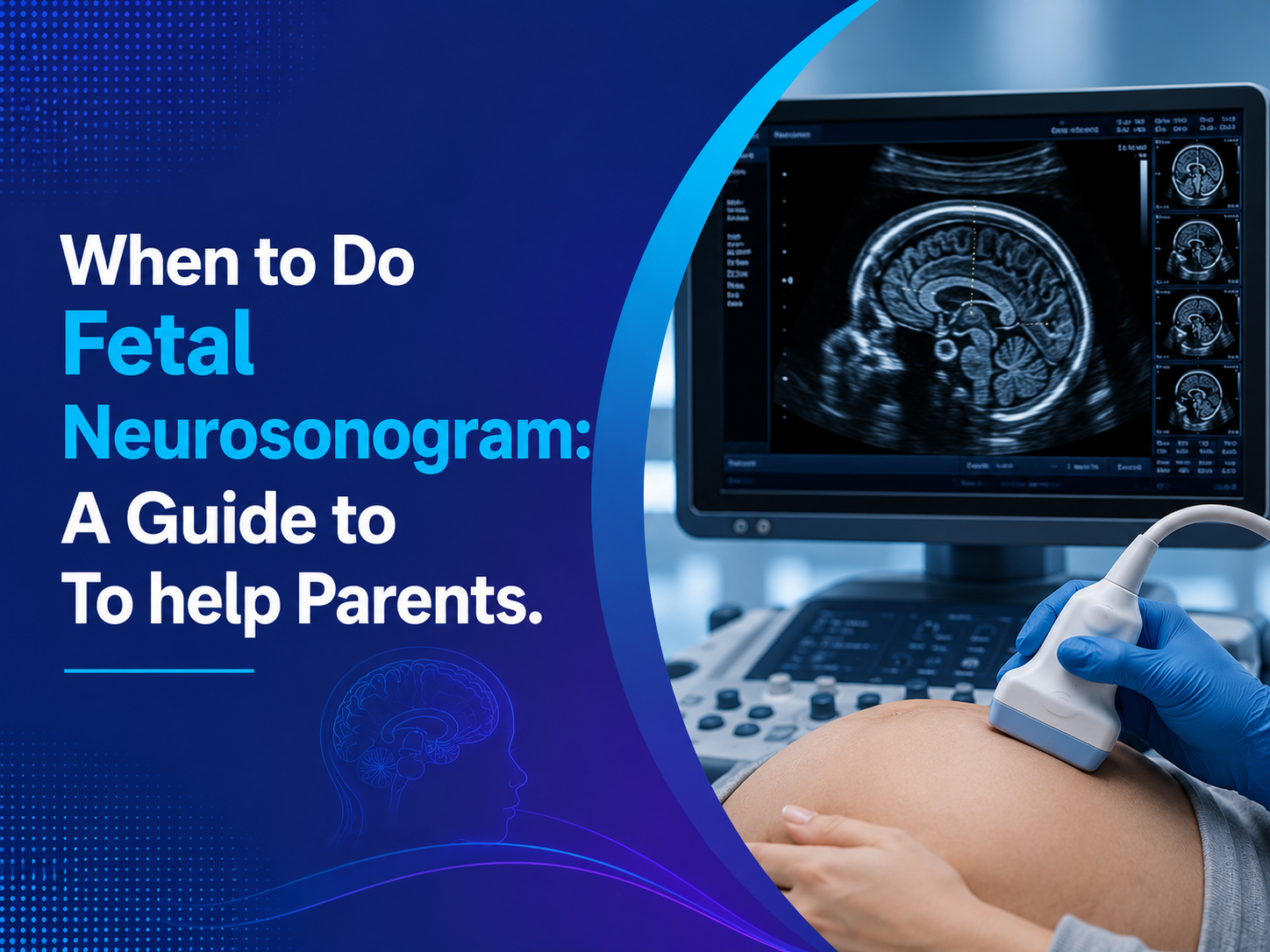
Seeing your baby on a screen is exciting, but a pregnancy scan does far more than produce a picture. An Obstetric Ultrasound helps doctors confirm the pregnancy, measure growth, check development, and spot problems early enough to act. This guide explains the purpose of each scan, trimester by trimester, and what to expect.
What Is an Obstetric Ultrasound?
An obstetric ultrasound, also called a pregnancy scan or prenatal ultrasound, uses sound waves to create live images of the uterus, placenta, and baby. It does not use radiation, and it can be repeated when needed. Doctors use it to confirm pregnancy, date it accurately, check development, and monitor growth.
The Purpose of an Obstetric Ultrasound by Trimester
| Trimester | Typical Timing | Main Purpose |
| First | 6 to 14 weeks | Confirm pregnancy, heartbeat, dating, and number of babies |
| Second | 18 to 22 weeks | Check the baby’s anatomy, placenta, and fluid |
| Third | 28 weeks onward | Monitor growth, position, and well-being |
First Trimester Obstetric Ultrasound: Purpose and Timing
The first scan answers the most basic questions. It confirms that the pregnancy is inside the uterus, checks for a heartbeat, and shows how many babies are present. Doctors also use it to investigate early pain or bleeding.
- Location: rules out a pregnancy outside the uterus
- Viability: confirms cardiac activity, usually visible from about 6 weeks
- Dating: measures the baby from head to bottom to estimate gestational age
- Number of babies: identifies twins or more
- Screening: at 11 to 14 weeks, the nuchal translucency scan assesses chromosomal risk
Women looking for an Obstetric Ultrasound in Indore for early dating can book this scan once a pregnancy is confirmed.
Why Accurate Dating Matters So Much
Dating is one of the most important jobs of an early scan. Ultrasound dating is most accurate in the first trimester, and it affects almost everything that follows. It guides the timing of visits, the reading of screening tests, the assessment of growth, and the planning of delivery.
Second Trimester Obstetric Ultrasound: The Anatomy Scan
Usually done at 18 to 22 weeks, the anatomy scan is a detailed head-to-toe check of your baby. The sonographer examines the brain, spine, heart, face, abdomen, kidneys, and limbs. The scan also checks the placenta, amniotic fluid, and cervix. If the baby’s position blocks a view, the sonographer may ask you to move around or return later for a repeat look.
Placenta position matters at this stage. If the placenta covers the cervix, a condition called placenta previa, your doctor will plan follow-up scans and delivery with care.
Third Trimester Obstetric Ultrasound: Growth and Well-Being
Late scans focus on how the baby is growing and coping. They measure size, position, and amniotic fluid, and they are especially useful in pregnancies with diabetes or high blood pressure. They can also confirm the baby’s position before delivery, which helps your doctor plan the safest birth.
- Growth: checks that the baby is on track
- Position: shows whether the baby is head down
- Fluid and placenta: assesses the baby’s environment
- Doppler: measures blood flow in the baby’s and placenta’s vessels when needed
- Biophysical profile: combines ultrasound with heart rate monitoring to assess well-being
When Is an Extra Scan Needed Beyond the Routine Ones?
Some situations call for additional scans, and this is not a reason to panic. Doctors may advise an extra scan for:
- Pain or bleeding in early pregnancy
- Reduced baby movements
- A baby measuring smaller or larger than expected
- Diabetes, high blood pressure, or a twin pregnancy
- A past pregnancy complication
Types of Pregnancy Scans
- Abdominal scan: the common method, with a probe over the belly
- Vaginal scan: used in early pregnancy for sharper views
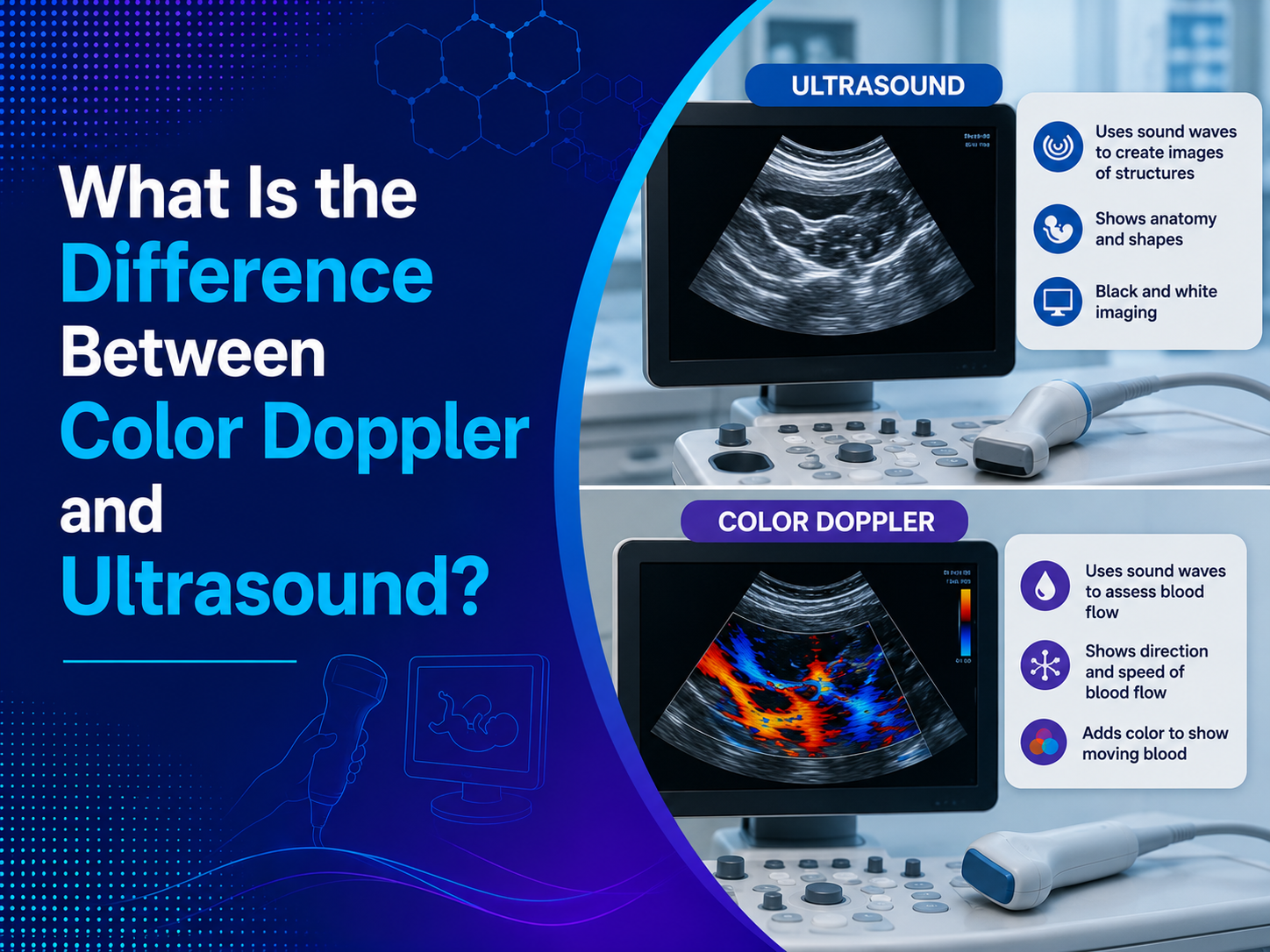
- Doppler ultrasound: studies blood flow
- 3D and 4D ultrasound: adds lifelike views and extra detail when needed
Your doctor chooses the type based on your stage of pregnancy and the question being asked.
Is an Obstetric Ultrasound Safe?
Ultrasound uses sound waves rather than ionizing radiation, and it has been used in pregnancy care for decades. Doctors follow the principle of keeping exposure as low as reasonably achievable, so scans should be done for a good reason by trained professionals. Choosing an experienced team for your ultrasound in Indore helps ensure the scan is performed carefully and read accurately.
How Obstetric Scans Help Parents
Beyond the medical purpose, scans bring reassurance. Seeing the heartbeat and movement makes the pregnancy feel real, and many couples say it deepens their bond with the baby. A good sonographer explains what is on the screen, which turns a clinical test into a calmer experience.
How Ultrasound Fits With Routine Prenatal Tests
Scans work best alongside blood and urine tests. Together they show how you and your baby are doing from different angles. Many women plan their scans and Obstetrics Routine Tests in Indore together, since blood group, blood count, infection screening, and glucose tests all complement what the scans show.
Common Myths About Pregnancy Ultrasound
- Myth: More scans always mean better care. Fact: Scans are timed for a purpose, and extra ones are added only when needed.
- Myth: A 3D or 4D scan replaces the routine anatomy scan. Fact: It adds detail but does not replace standard scans.
- Myth: A normal scan guarantees a healthy baby. Fact: Scans are very useful, but they cannot detect every condition.
What to Expect During Your Pregnancy Scan
- You lie comfortably, and gel is applied to your abdomen.
- The sonographer moves a probe over the area and takes measurements.
- In early pregnancy, a vaginal probe may be used for clearer images.
- You can usually see the screen and hear the heartbeat.
- A doctor reviews the images and shares a report with your gynecologist.
Some early scans ask you to have a full bladder, so confirm the instructions when you book.
What a Pregnancy Scan Cannot Do
- It cannot detect every condition or birth difference
- Image quality can depend on the baby’s position
- It estimates chromosomal risk but cannot confirm a diagnosis
If something unclear appears, your doctor may suggest a repeat scan or further tests.
Tips to Prepare for Your Scan
- Carry your earlier scan reports and prescriptions
- Wear loose, comfortable clothing
- Ask about bladder preparation
- Write down your questions
- Use one Diagnostic Centre in Indore for all your scans so your records stay together
Choosing Where to Get Scanned
Look for trained sonographers, clear reports, and scans and blood tests in one place. Many expecting mothers searching for the best diagnostic centre in Indore value this convenience. Ultrascan Diagnostic Centre offers pregnancy imaging and pathology services, so related checks can be planned together. Ask how reports are shared and whether the sonographer will explain the findings.
Frequently Asked Questions
1. What is the main purpose of an obstetric ultrasound?
It confirms pregnancy, estimates the due date, checks the baby’s development, and monitors growth and well-being.
2. How many ultrasounds will I need?
Most healthy pregnancies have three to four scans, while high-risk pregnancies may need more.
3. Is an obstetric ultrasound safe for the baby?
Yes. It uses sound waves rather than radiation, and it is done only when there is a good reason.
4. When can the heartbeat be seen?
Often from about 6 weeks, depending on the scan type and dating.
5. Can an ultrasound tell the baby’s sex?
Technically the baby’s sex can sometimes be seen, but sex determination before birth is prohibited under Indian law (the PCPNDT Act), so doctors and centres do not reveal it.
Conclusion
The purpose of an Obstetric Ultrasound goes well beyond a first glimpse of your baby. Each scan answers a different question, from confirming the pregnancy to checking growth and well-being. Knowing why each one matters helps you feel informed and calm.
Book your pregnancy scan at Ultrascan Diagnostic Centre today. Call ahead or walk in to plan your schedule. This article is for general information and does not replace advice from your gynecologist.