A few decades ago, doctors often had to wait for symptoms to become obvious before they could act. Today, Diagnostic Tools can show what is happening inside the body long before you feel unwell. This guide explains how imaging, lab tests, and smart software are changing healthcare, and what it means for your next checkup.
What Are Diagnostic Tools and Why Do They Matter?
Diagnostic tools are the tests and technologies doctors use to find, confirm, or monitor a health condition. They turn hidden changes in the body into clear images and numbers that guide treatment.
- Laboratory tests that measure blood, urine, and tissue samples
- Imaging such as X-ray and ultrasound
- Hormone assays that track tiny chemical changes
Which Diagnostic Tool Answers Which Question?
Each tool is best at a different kind of question.
| Your Question | Tool Doctors Often Use |
| Is a bone broken? | Digital X-ray |
| Is my gallbladder or kidney healthy? | Ultrasound |
| Is my baby growing well? | Pregnancy sonography |
| Is a joint inflamed? | Musculoskeletal ultrasound |
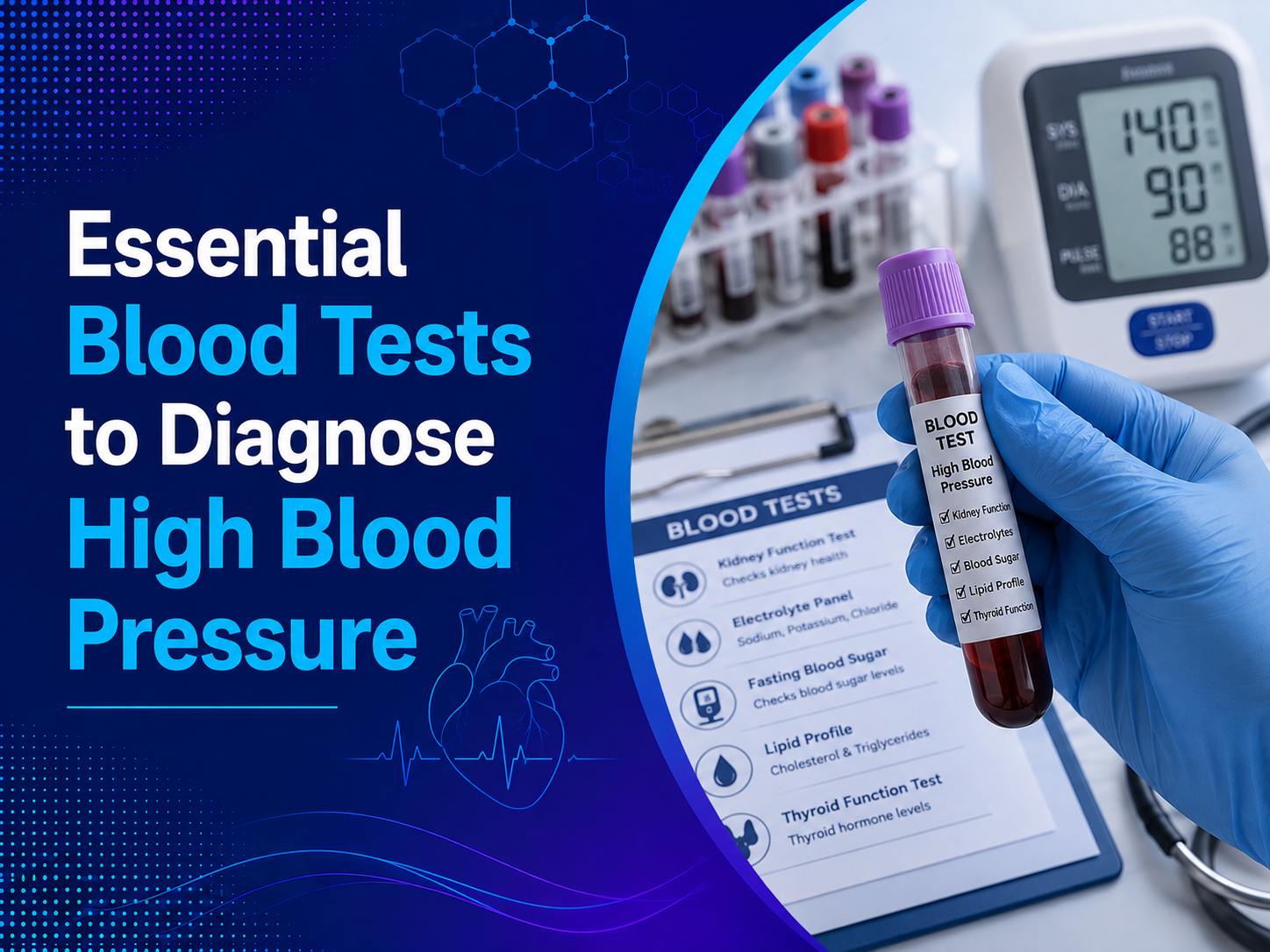
| Are my sugar, blood count, or thyroid normal? | Lab tests and hormone assays |
Digital X-Ray: Faster, Clearer Images
Digital X-rays replace film with digital sensors, so images appear on screen within moments and can be adjusted for clarity. They generally use a lower radiation dose than older film systems. Patients looking for a Digital X-Ray in Indore get quicker answers for fractures, joint pain, and chest concerns. Because the image is digital, it can be saved, compared with earlier images, and shared with your doctor easily.
Ultrasound: Seeing Inside the Body in Real Time
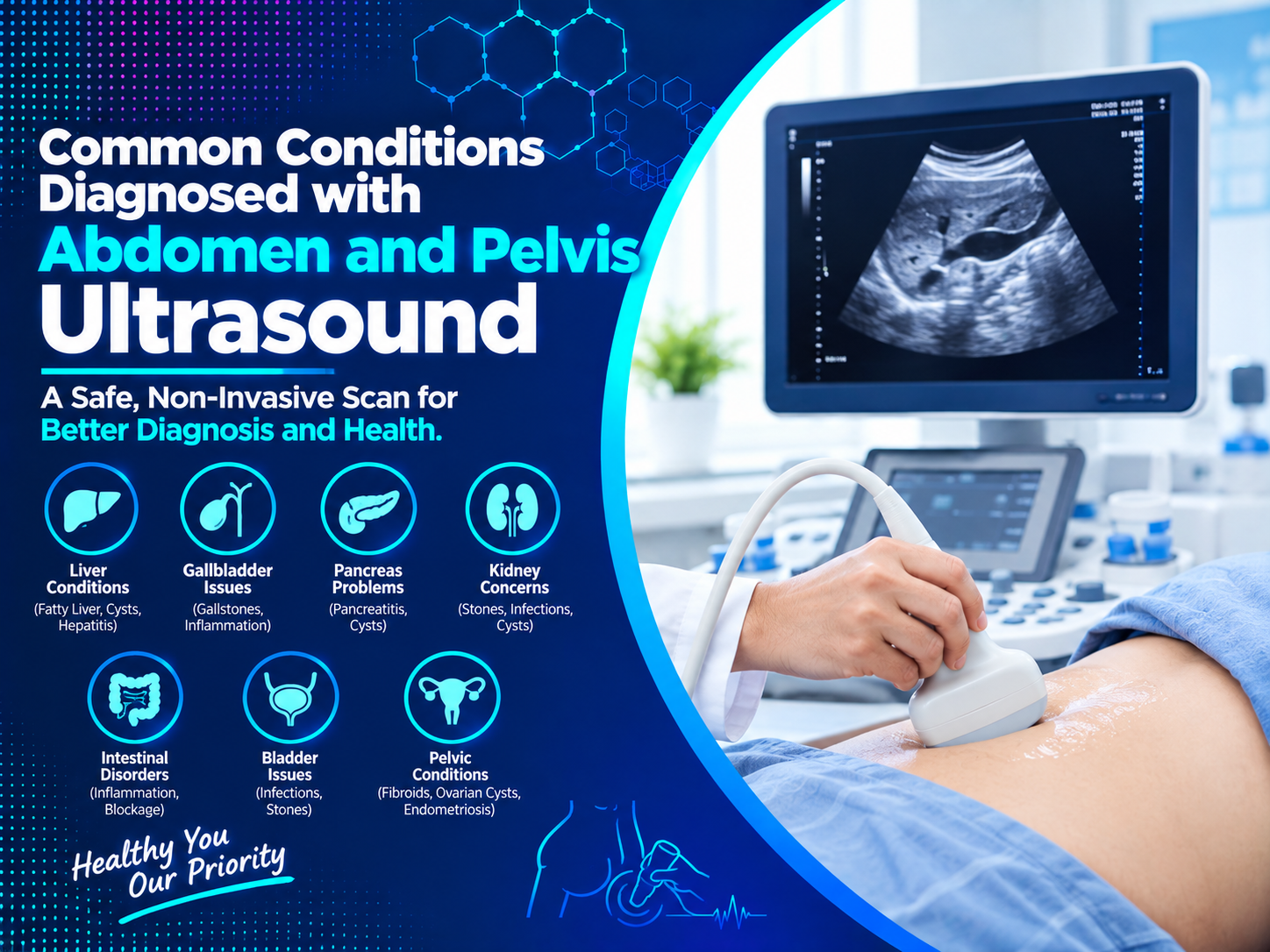
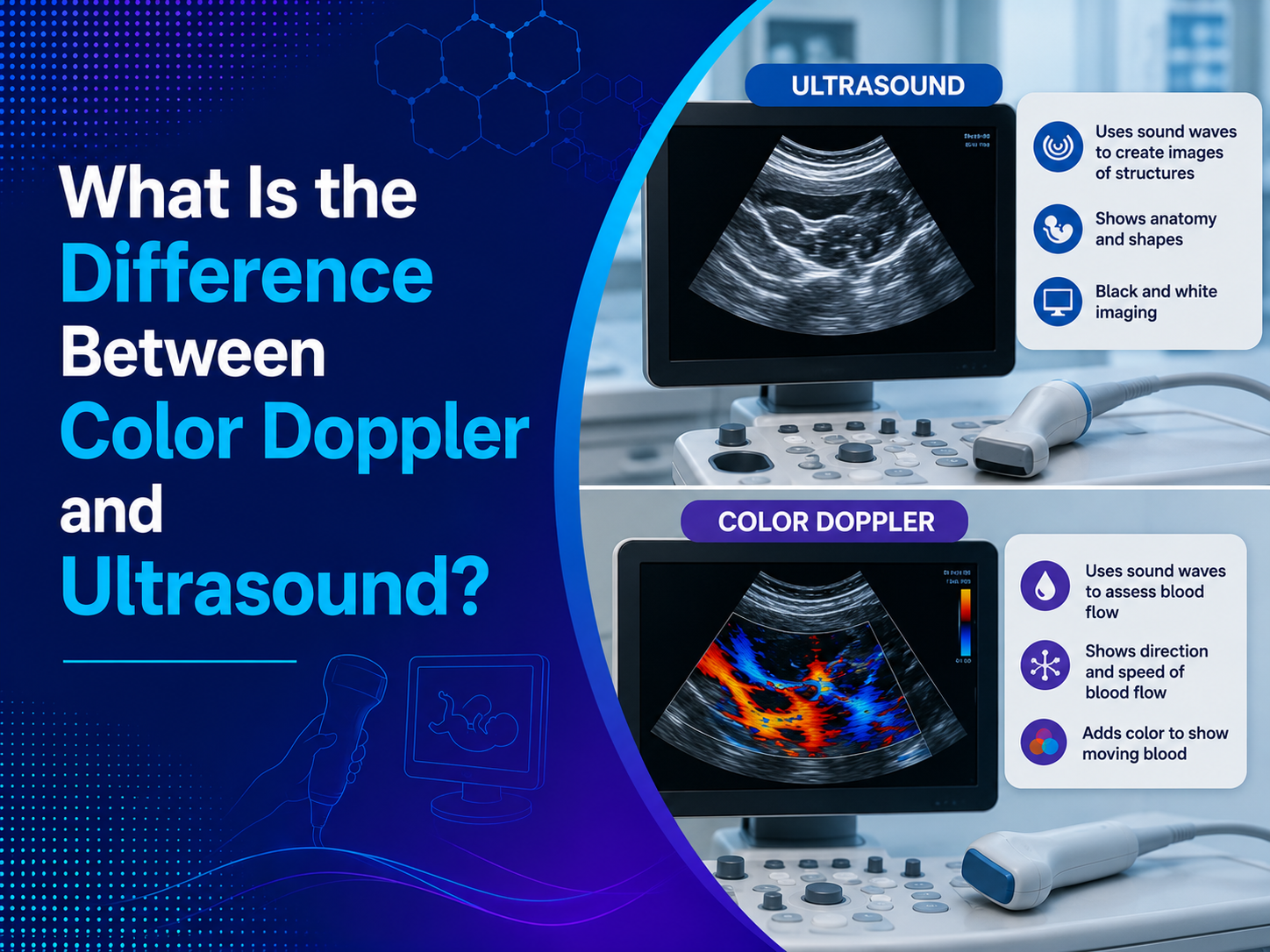
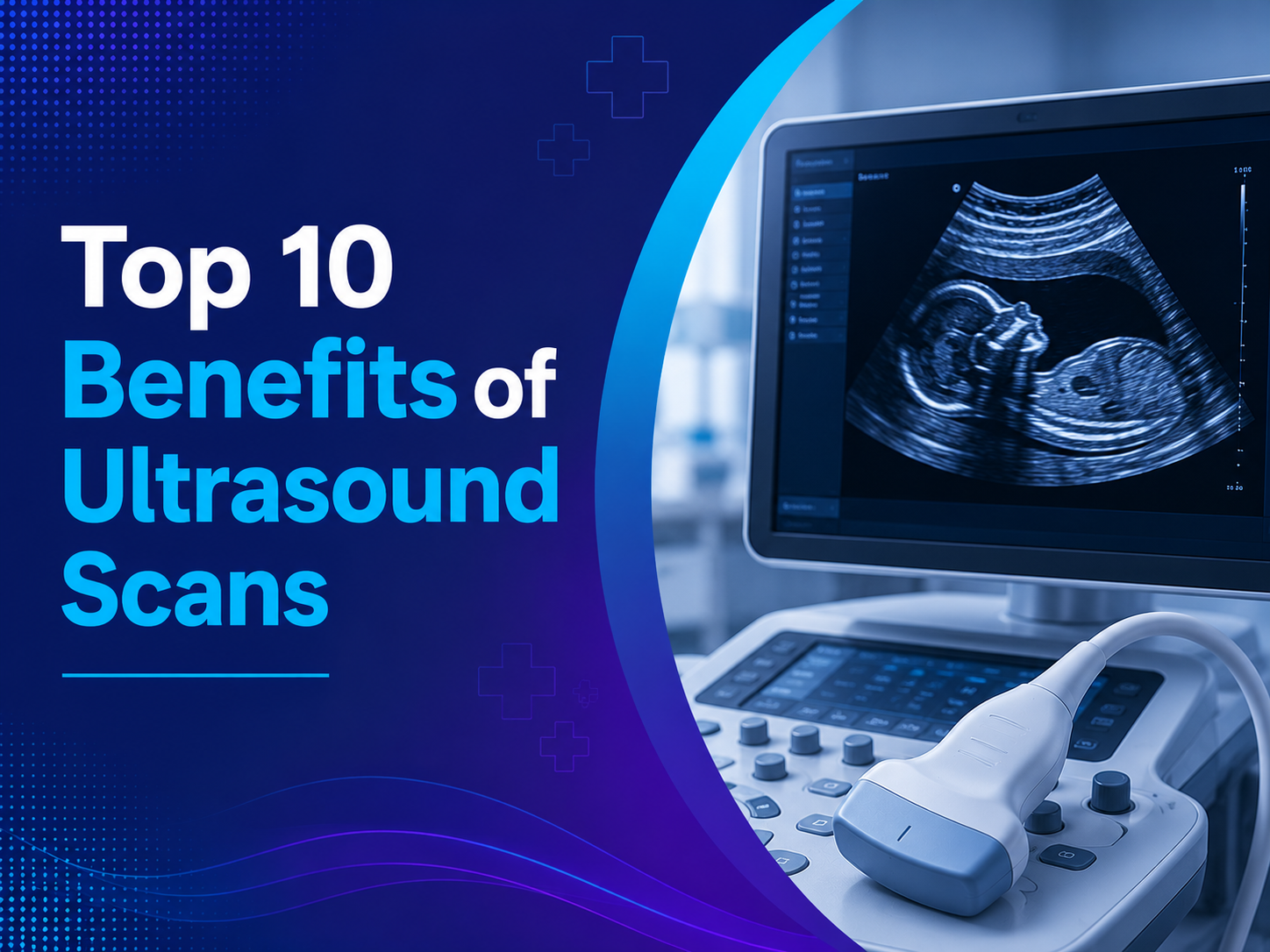
Ultrasound uses sound waves, not radiation, to show organs, tissues, and blood flow as they move. Doctors use it to examine the abdomen, pelvis, thyroid, and more. A routine Ultrasound Test in Indore is painless and can often be repeated safely when monitoring is needed. It is especially useful for soft tissues that X-rays cannot show well, such as the liver, kidneys, and uterus.
Sonography Is Reshaping Pregnancy Care
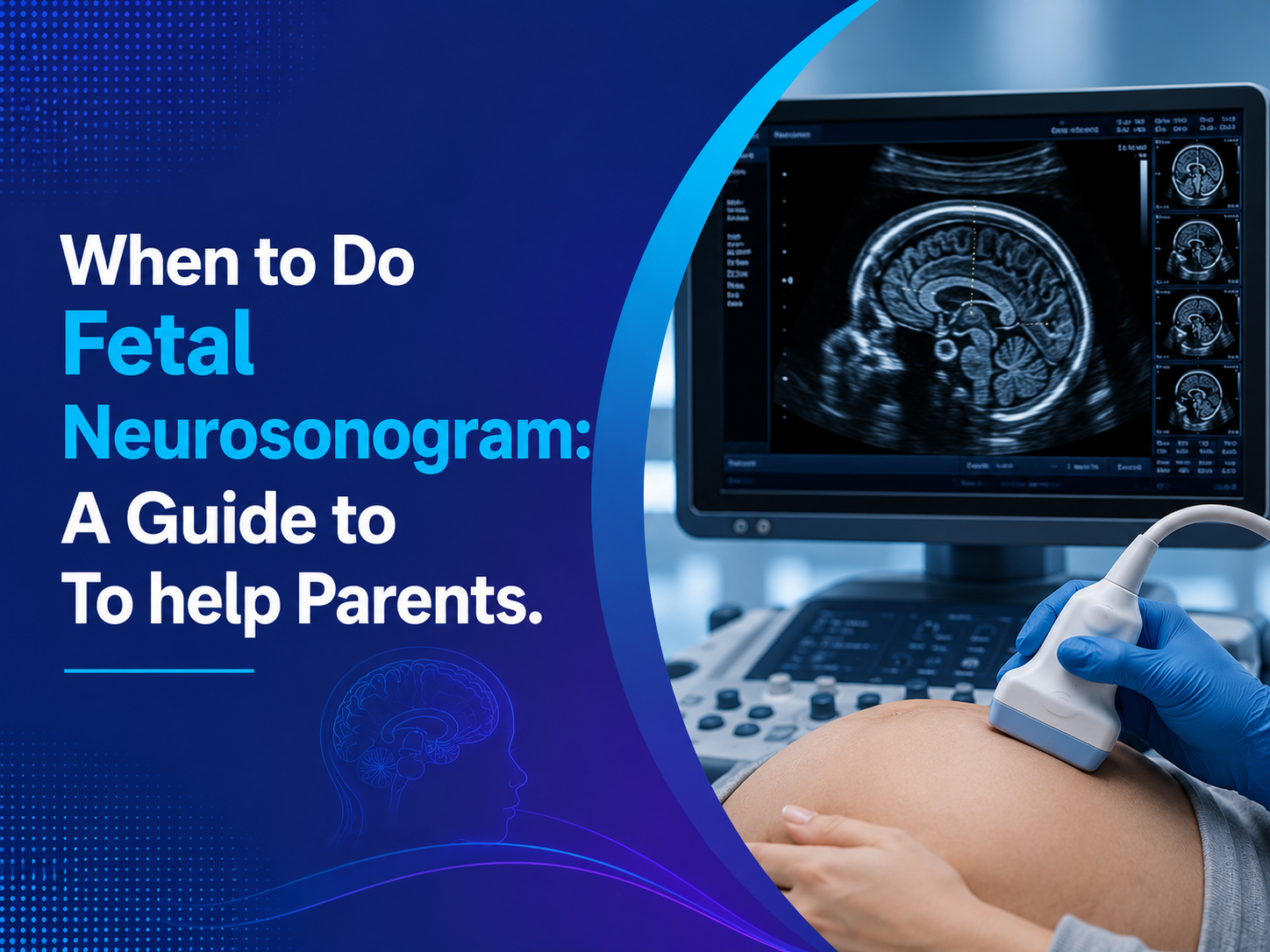
In pregnancy, sonography tracks growth, checks anatomy, and uses Doppler to show blood flow. 3D and 4D imaging adds lifelike views that many parents treasure. Families searching for Sonography in Indore can follow early scans, anomaly scans, and growth scans in one place. Spotting a concern early lets doctors plan care sooner, and normal scans bring welcome reassurance.
Joint and Muscle Imaging With Ultrasound
Musculoskeletal ultrasound shows tendons, muscles, and joints moving live. Research suggests it can detect joint inflammation that a physical exam alone may miss, which helps with arthritis and sports injuries. A Musculoskeletal Ultrasonography Centre in Indore should have sonographers trained specifically in joint imaging. Repeat scans can also show how a joint responds to treatment over time, without radiation.
Smarter Labs: Automation and Digital Reporting
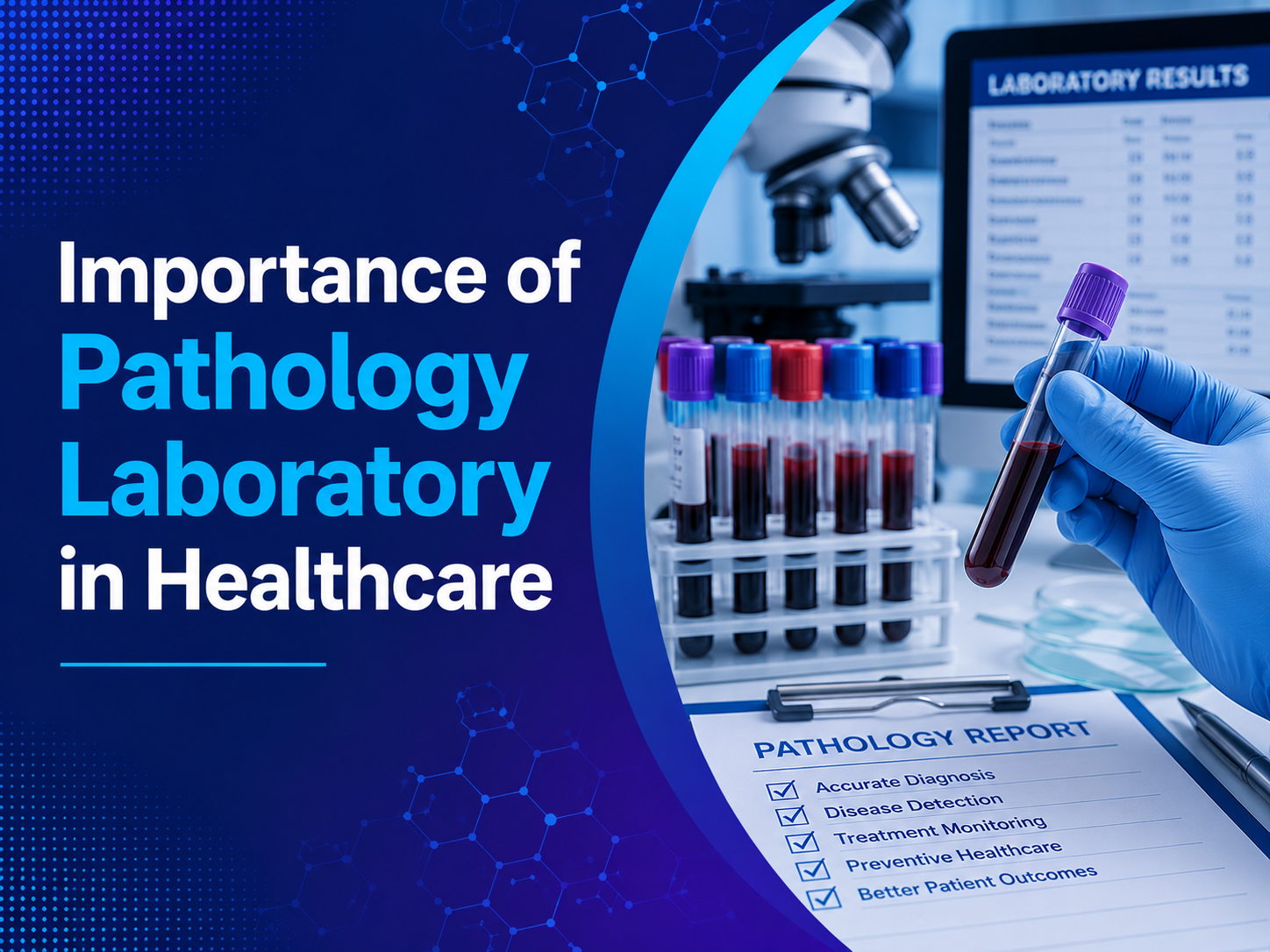
Automated analyzers measure many substances from a tiny sample, run control checks, and flag unusual values for a second review. Digital reports arrive quickly and keep your history in one place. A well-run Pathology Lab in Indore pairs this technology with pathologist review. Automation reduces handling errors, although careful sample collection still matters.
Hormone Assays: Measuring Tiny Changes
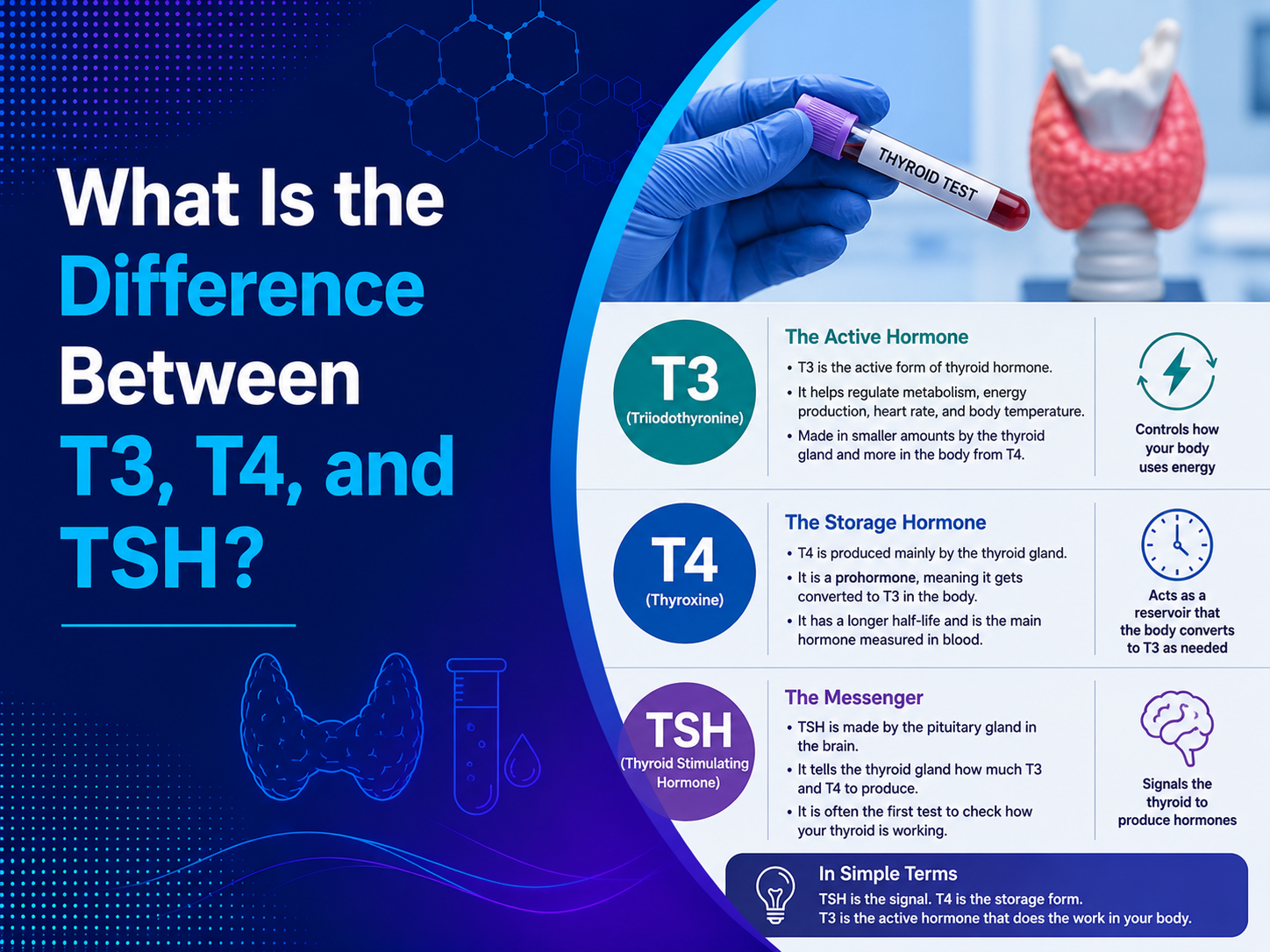
Hormone assays detect very small amounts of substances such as thyroid hormones, FSH, LH, and prolactin. They help explain irregular periods, fertility concerns, fatigue, and weight changes. A Hormone Assay Test Centre in Indore should advise on timing, since some hormones vary across the cycle or the day. Results are read alongside your symptoms and other tests, because hormone levels naturally fluctuate.
How Diagnostic Tools Work Together: A Simple Example
Imagine someone with months of tiredness and irregular periods. A blood count checks for anemia, a thyroid and hormone panel looks for hormonal causes, and a pelvic ultrasound checks the uterus and ovaries. Each tool answers a different question, and together they point to the cause faster than any single test could.
This is only an illustration, and every person’s testing plan is different.
From Treating Illness to Preventing It
Better tools make screening far more practical. A full body checkup Indore package can bundle blood tests and basic imaging, so silent problems such as high blood sugar or high cholesterol are found early.
This shift matters because early findings are usually easier to manage. Regular testing also builds a personal baseline, so small changes stand out over time. Packages are usually built around age and risk factors, so choose one that matches your needs rather than the longest list.
Why Human Expertise Still Matters
Even the best machine needs a skilled person behind it.
- Screening tests show risk, not a final diagnosis
- Results need context from your symptoms and history
- Any test can miss a condition or raise a false alarm
Choosing a trusted Diagnostic Centre in Indore means trained sonographers, technologists, and doctors stand behind every result. Bring your earlier reports, because context helps specialists read new results more accurately.
Questions to Ask Before Any Test
A few simple questions make every test more useful.
- Why is this test needed, and what will it tell us?
- How should I prepare, and do I need to fast?
- When and how will I receive my results?
Choosing a Centre That Uses Diagnostic Tools Well
Technology is only useful when it is well maintained and well used. Look for these signs:
- Modern, calibrated equipment
- Trained specialists who explain results
- Clear written reports with reference ranges
- Imaging and lab tests available together
Many people searching for the best diagnostic centre in Indore value this combination. Ultrascan Diagnostic Centre offers pathology, digital X-ray, ultrasound, and pregnancy imaging services, so related tests can be planned together.
Frequently Asked Questions
1. What are diagnostic tools in healthcare?
They are the tests and technologies doctors use to detect, confirm, or monitor a condition, including lab tests, imaging, and hormone assays.
2. Are modern diagnostic tools safe?
Ultrasound uses sound waves, digital X-rays use low doses and are used only when needed, and blood tests carry very little risk.
3. Can AI replace doctors in diagnosis?
No. AI helps highlight findings and improve consistency, but trained doctors make the final interpretation and decisions.
4. How often should I get diagnostic tests?
It depends on your age, symptoms, and risk factors. Many adults benefit from periodic checkups, so ask your doctor for a plan.
5. Do better tools mean I need more tests?
Not necessarily. The goal is the right test at the right time, so ask your doctor why each test is advised.
Conclusion
Modern Diagnostic Tools are helping doctors see earlier, measure more precisely, and personalize care. Understanding how they work helps you ask better questions and make confident decisions about your health.
Book your tests or scan at Ultrascan Diagnostic Centre today and see your health more clearly. Call ahead or walk in to plan your visit. This article is for general information and does not replace advice from your doctor.