Few things feel as confusing as holding a lab report full of numbers, letters, and ranges. Pathology Labs do far more than draw blood, since they turn a small sample into information your doctor can act on. This guide walks you through each step, from preparing for a test to reading your results with confidence.
What Are Pathology Labs and What Do They Do?
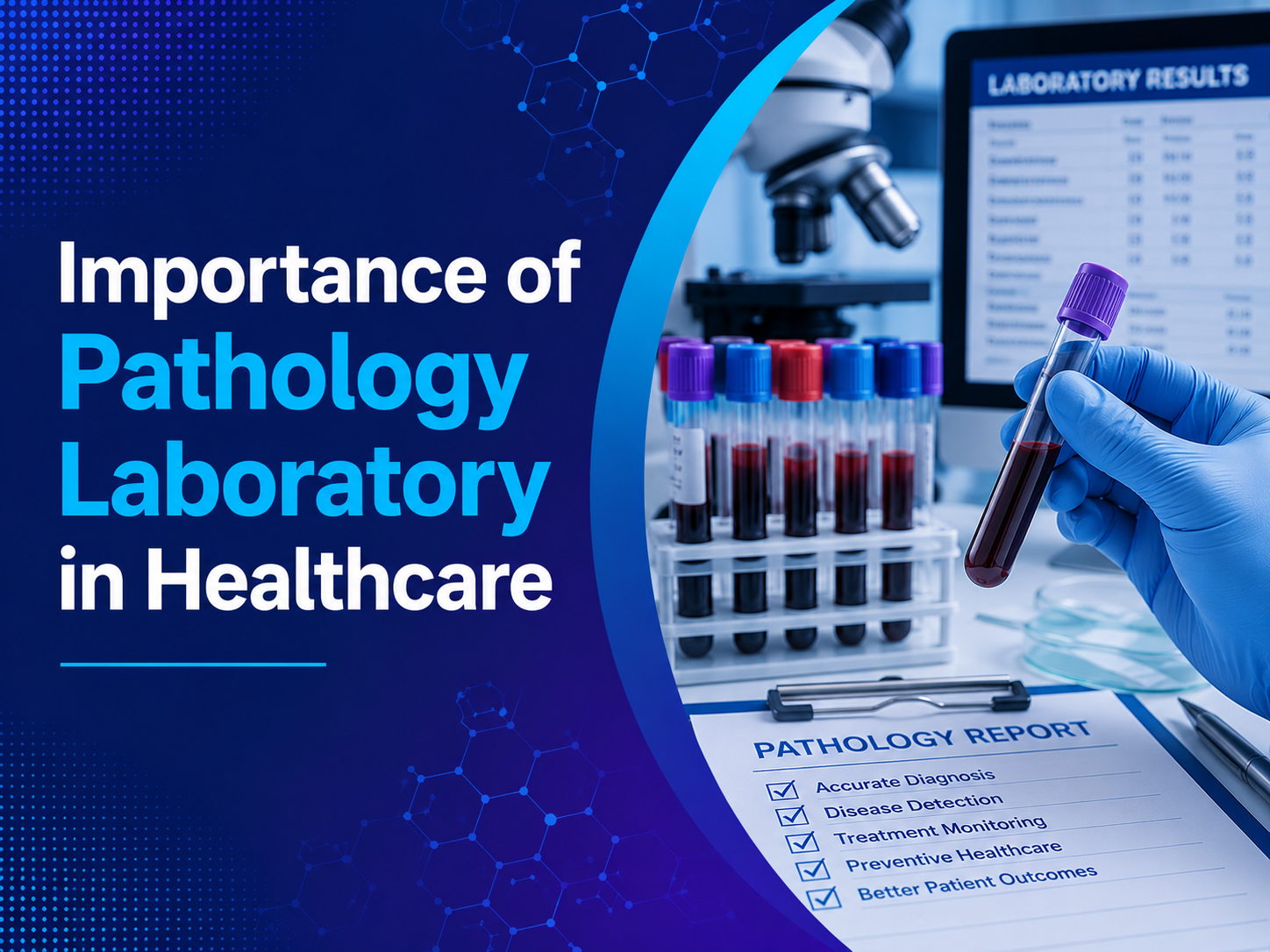
Pathology labs test samples such as blood, urine, other body fluids, or tissue to help doctors understand your health. According to MedlinePlus, results help your provider see whether a condition is getting better, getting worse, or staying the same.
- Detect early signs of disease before symptoms appear
- Confirm a diagnosis
- Monitor a condition and its treatment
- Support routine health checkups
Who Works Behind the Scenes in Pathology Labs?
A team works together on every sample, and each role matters.
- Phlebotomists and nurses collect your samples safely
- Laboratory technologists run the tests and check the machines
- Pathologists, who are doctors, review and interpret the findings
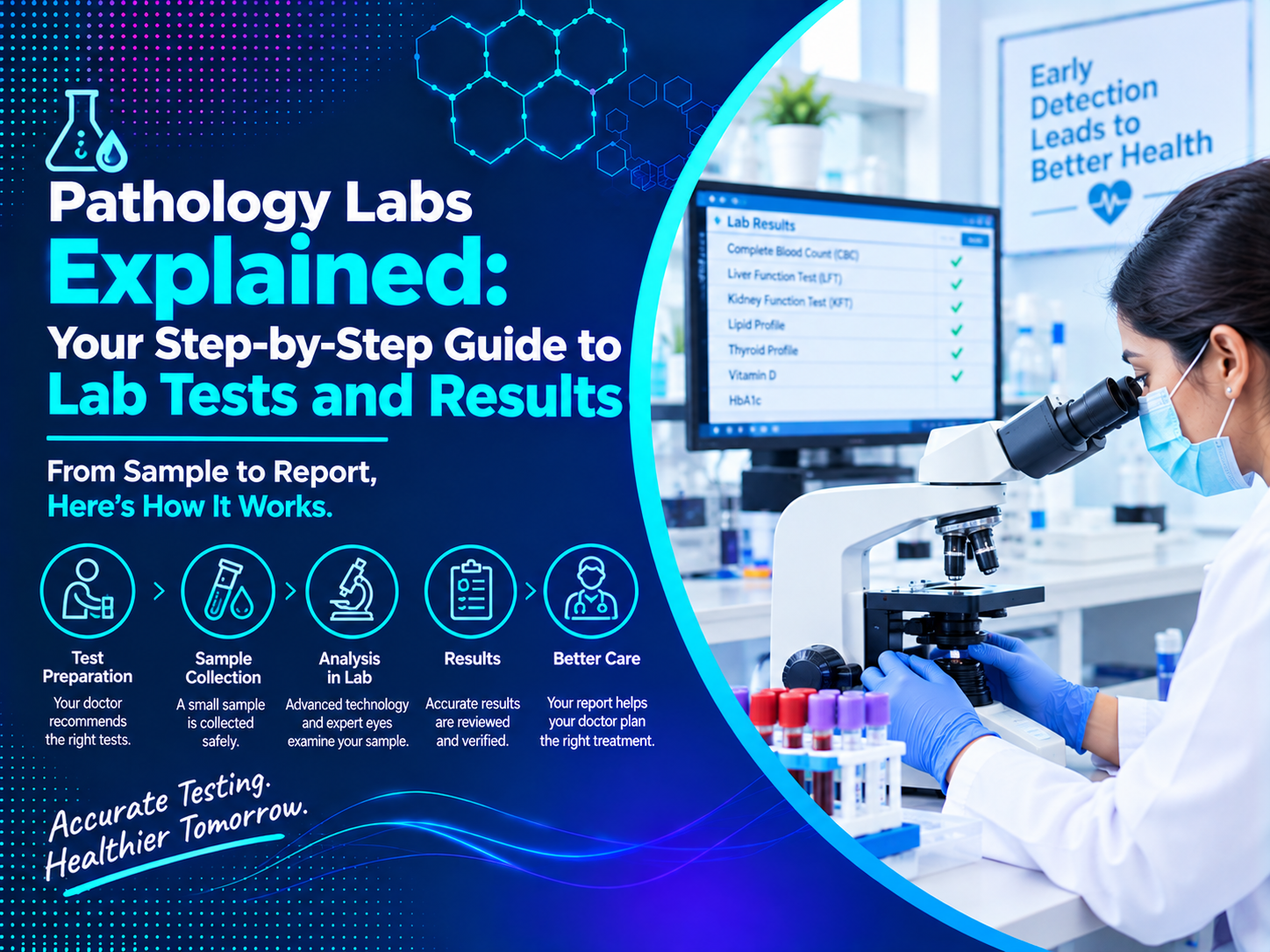
How Pathology Labs Process Your Sample: Step by Step
Every report follows the same basic journey, from your doctor’s order to your final result.
Step 1: The Doctor’s Order and Your Preparation
Your doctor orders the tests, and you receive simple preparation instructions. Fasting is one of the most common, because food can change some results. Tell the team about any medicines you take, and avoid hard exercise before the test, since it can also affect certain results.
Step 2: Sample Collection and Labeling
A trained professional collects the sample, such as blood from a vein in your arm. The sample goes into tubes chosen for the tests ordered, and each tube is labeled with your details. Correct labeling prevents mix-ups.
Step 3: Testing and Quality Checks
In the lab, automated analyzers measure the substances your doctor asked about. Control samples with known values are run regularly to confirm the machines are working correctly, and unusual results are flagged for a second look. A trusted Pathology Lab in Indore also has a pathologist review results before the report is released.
Step 4: Report Preparation and Delivery
Your results are compared with reference ranges, and any value outside the range is flagged. The report is then shared with you and your doctor, often digitally. Even if you can view results online, talk with your doctor to learn what they mean for you.
Step 5: Reading Your Results
A typical report has five parts.
| Part of the Report | What It Shows |
| Test name | What was measured |
| Result | Your measured value |
| Units | The unit of measurement |
| Reference range | Values expected in healthy people |
| Flag | An H or L when a value is outside the range |
Each lab sets and validates its own reference ranges, so always use the range printed on your own report. Ranges usually cover about 95 percent of healthy people, which means a result slightly outside the range is not automatically a problem.
Step 6: Follow-Up With Your Doctor
Your doctor reads results together with your symptoms, history, and other tests. Next steps may include a repeat test, extra tests, a change in treatment, or simply routine follow-up. A repeat test is common when a result is borderline.
What Can Change Your Lab Results?
Your results reflect your body on the day of the test, so several everyday factors can matter.
- Eating or drinking before a fasting test
- Medicines and supplements
- Hard exercise just before sampling
- Dehydration, which can make blood harder to draw
- The time of day, for some hormones
Common Tests Done in Pathology Labs
- Hematology: a complete blood count for anemia and infection
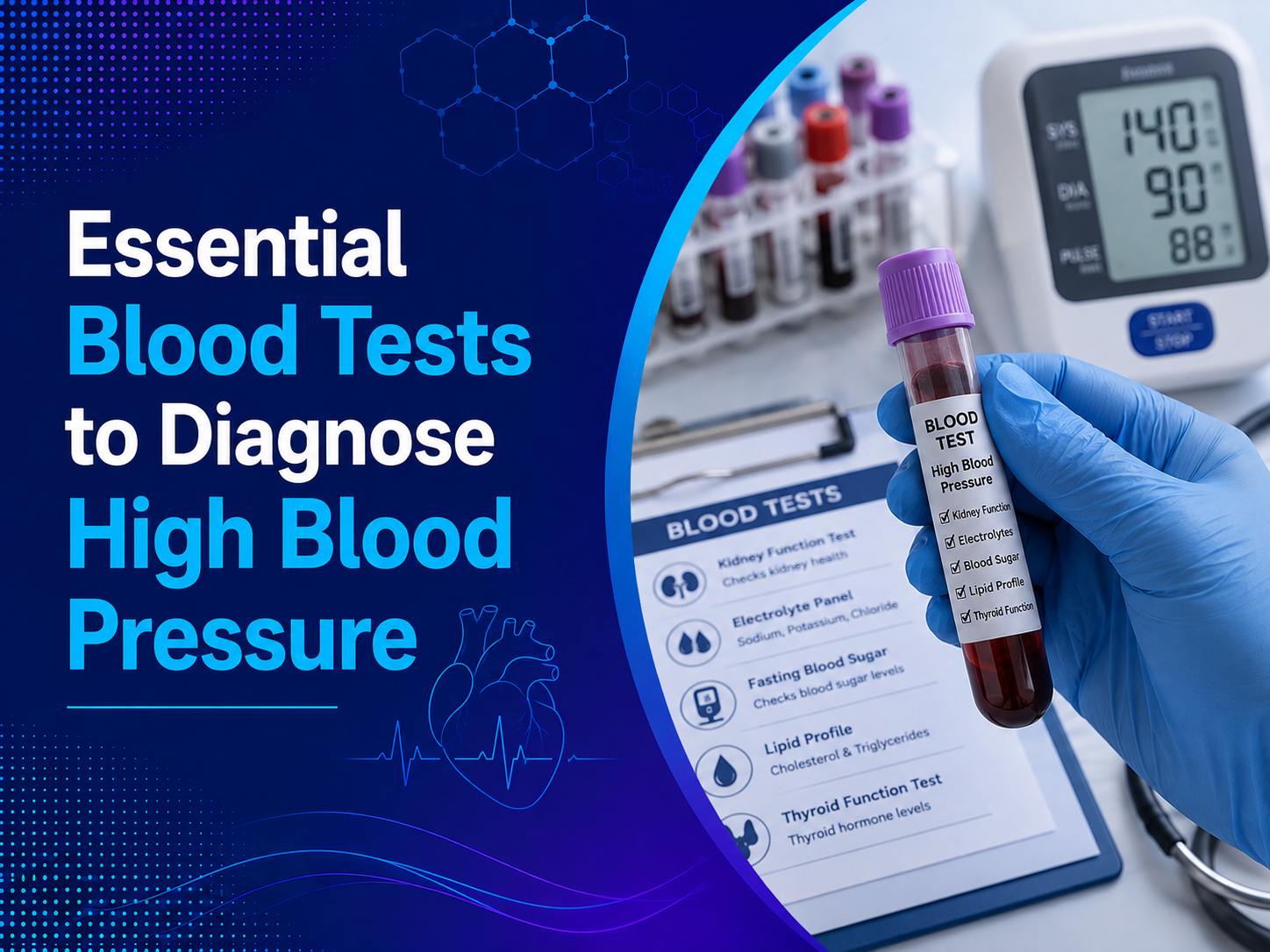
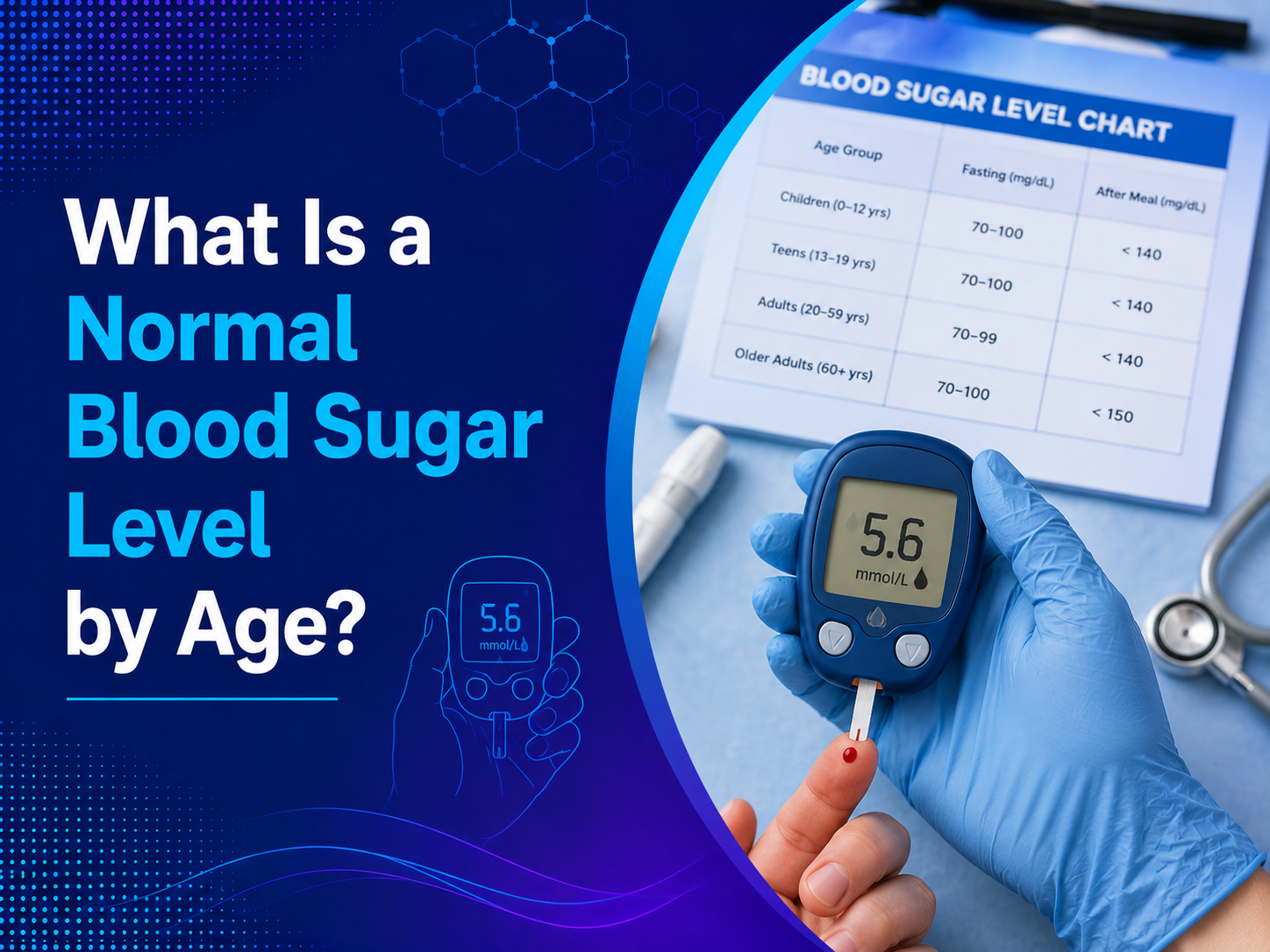
- Biochemistry: blood sugar, cholesterol, liver and kidney function
- Microbiology: urine and other cultures to find infections
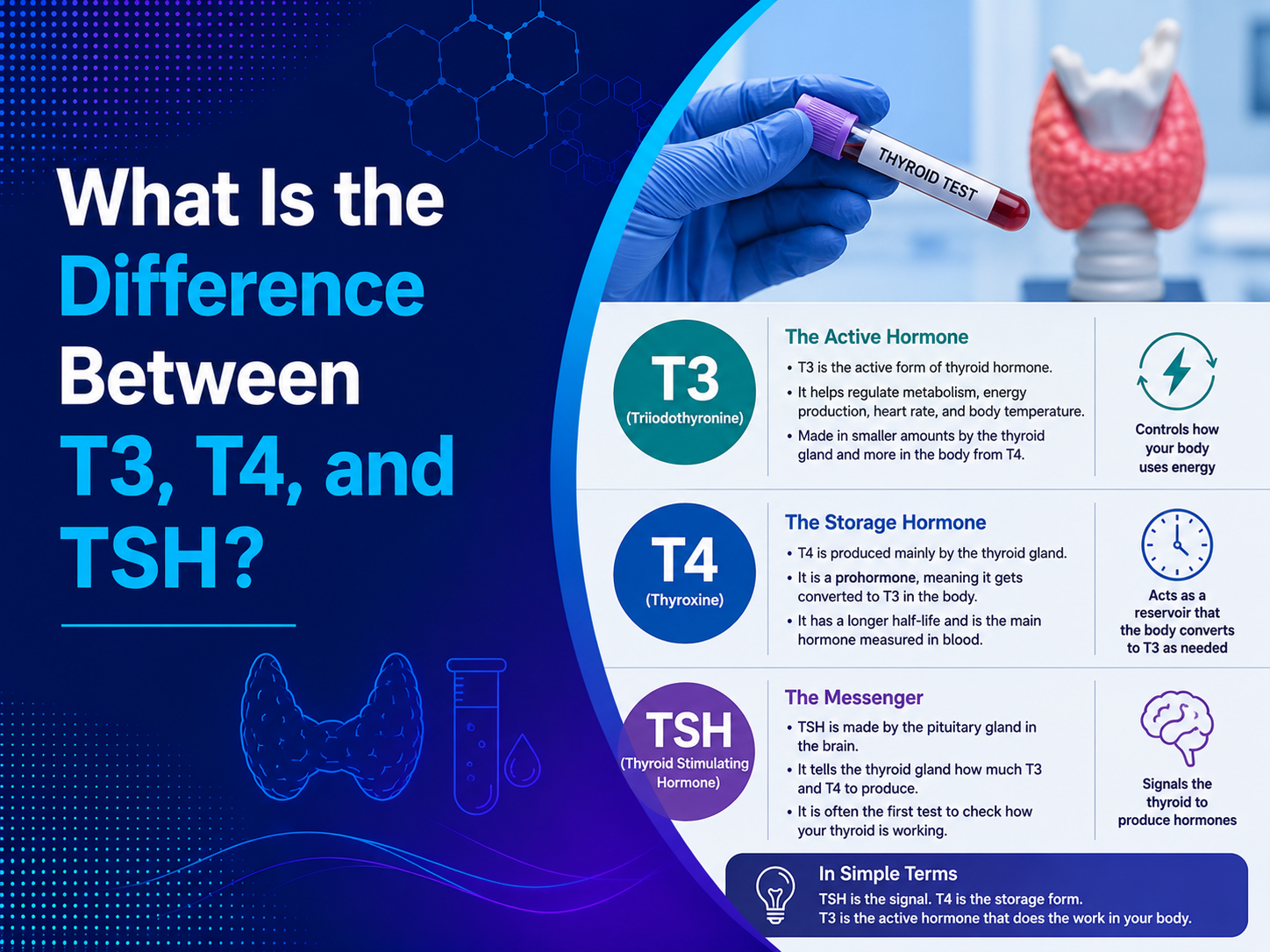
- Hormone tests: thyroid, fertility, and cycle-related hormones
- Cytology and histopathology: examining cells and tissue samples
Hormone tests often need careful timing, so choose a Hormone Assay Test Centre in Indore that can advise on the right day of your cycle or time of day for sampling.
Pairing Lab Results With Ultrasound
Blood tests show chemical changes, while imaging shows structure. For example, abnormal liver or thyroid blood results may be followed by a scan. A simple, radiation-free Ultrasound Test in Indore can then show the size and shape of the organ.
Pairing Lab Results With X-Ray
In some cases, such as a long-lasting cough with raised infection markers, doctors add a chest X-ray. A Digital X-Ray in Indore produces images quickly, so your doctor can review them alongside your blood results.
Preventive Testing and Health Packages
Routine lab tests can catch silent conditions such as high blood sugar and high cholesterol before symptoms appear. Many people choose a full body checkup Indore package that bundles common blood tests and basic imaging into one visit, which is often easier than booking each test separately.
Common Myths About Lab Tests
- Myth: Any result outside the range means disease. Fact: Some healthy people fall slightly outside the range on any single test.
- Myth: A normal result means nothing is wrong. Fact: Some conditions only show up later or need other tests.
- Myth: All labs use the same ranges. Fact: Each lab sets its own, so compare trends from the same lab when possible.
What to Do If a Result Is Abnormal
An out-of-range value can feel alarming, but a calm plan helps.
- Check the reference range and flag on your report.
- Note any symptoms you have had recently.
- Share the report with your doctor instead of searching online.
- Follow the advice on repeat or extra tests.
How to Choose a Reliable Lab
Look for these signs of a dependable lab:
- Accreditation and documented quality control
- Calibrated equipment and trained technicians
- Pathologist review of reports
- Clear reports that print reference ranges
- Reasonable turnaround time and helpful staff
Many people searching for the best diagnostic centre in Indore also want blood tests and imaging in one place. Ultrascan Diagnostic Centre offers pathology, ultrasound, and digital X-ray services, which helps keep your records together.
Tips to Get the Most From Your Lab Tests
- Follow the fasting and preparation instructions exactly.
- Tell the team about medicines and supplements you take.
- Ask when and how you will receive your results.
- Write down questions for your doctor.
- Use one Diagnostic Centre in Indore regularly so your reports are easy to compare over time.
Frequently Asked Questions
1. Do I always need to fast before a lab test?
No. Some tests, such as blood sugar and cholesterol, need fasting, while others do not. Follow the instructions given for your specific tests.
2. What does an H or L next to my result mean?
It means your value is higher or lower than the lab’s reference range. It does not automatically mean disease, so your doctor will interpret it.
3. Why do reference ranges differ between labs?
Each lab validates its own ranges based on its methods and equipment. That is why you should use the range printed on your own report.
4. How long do lab results take?
Many routine blood tests are ready within a day, while specialized tests can take longer. Ask the lab for an expected time when you book.
5. Can I compare reports from different labs?
It is best to compare trends from the same lab. If you switch labs, check each report’s range and share both reports with your doctor.
Conclusion
Understanding Pathology Labs makes every step easier, from preparing for a test to reading the report. Knowing what each part means helps you ask better questions and work with your doctor.
Book your lab tests at Ultrascan Diagnostic Centre today for clear, carefully reviewed reports. Call ahead or walk in to plan your visit. This article is for general information and does not replace advice from your doctor.