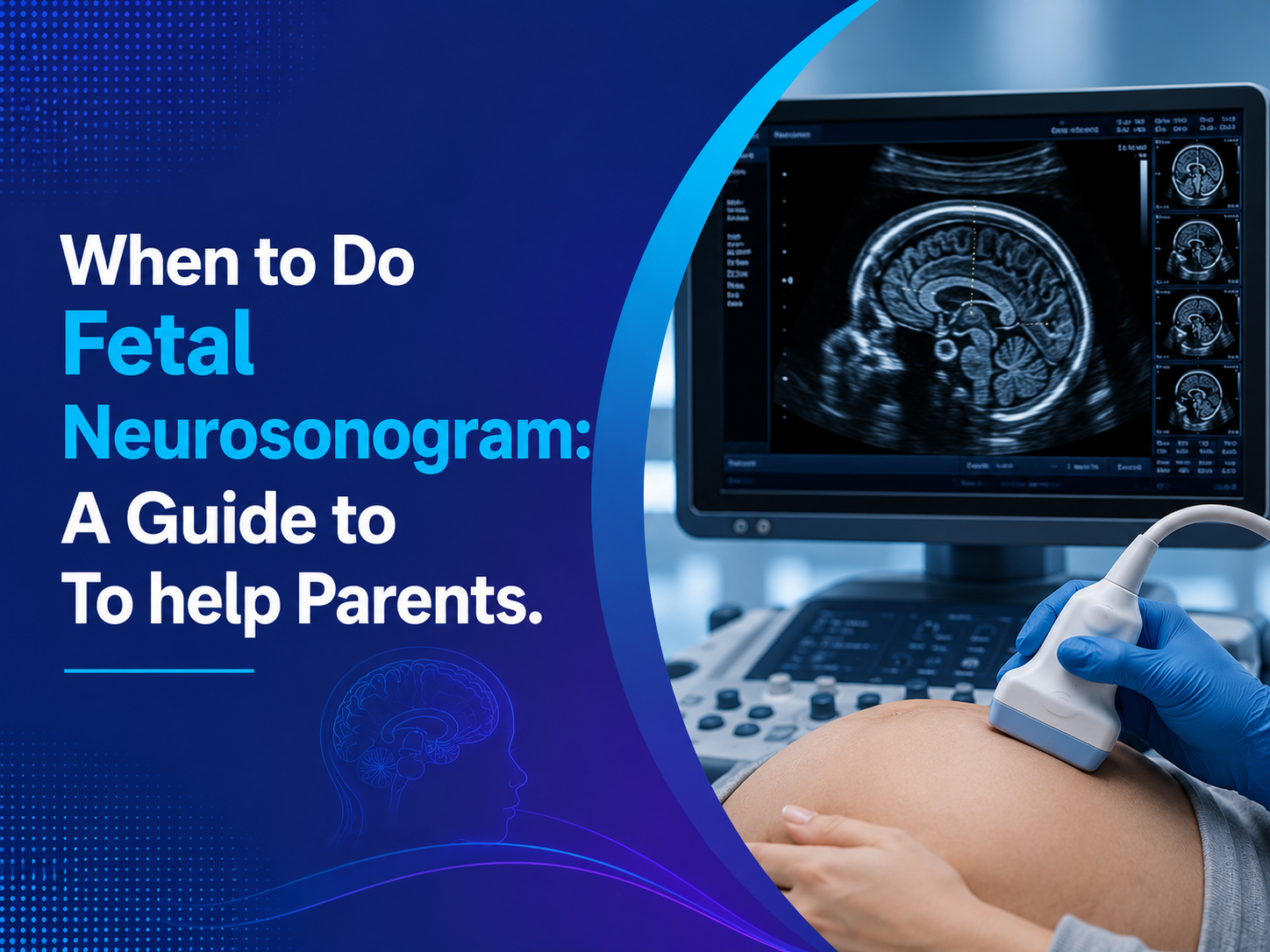
Not every pregnancy follows a straightforward path, and when complications arise, closer monitoring becomes essential for both mother and baby. Specialized sonography plays a central role in modern Maternal Care, giving doctors detailed, real-time information that guides critical decisions throughout a high-risk pregnancy. This guide explains what makes a pregnancy high-risk, which advanced imaging techniques doctors rely on, and how this closer monitoring genuinely improves outcomes.
What Makes a Pregnancy High-Risk?
A pregnancy is generally considered high-risk when certain factors increase the likelihood of complications for the mother, the baby, or both. Conditions like gestational diabetes, high blood pressure, obesity, advanced maternal age, and multiple pregnancies all fall into this category, requiring closer attention than a standard, low-risk pregnancy.
Understanding these risk factors matters because they directly influence how often and how thoroughly a pregnancy needs to be monitored. Maternal Care for high-risk pregnancies is built around this principle, using specialized imaging to catch potential problems early enough to act on them.
Why Specialized Sonography Matters for High-Risk Pregnancies
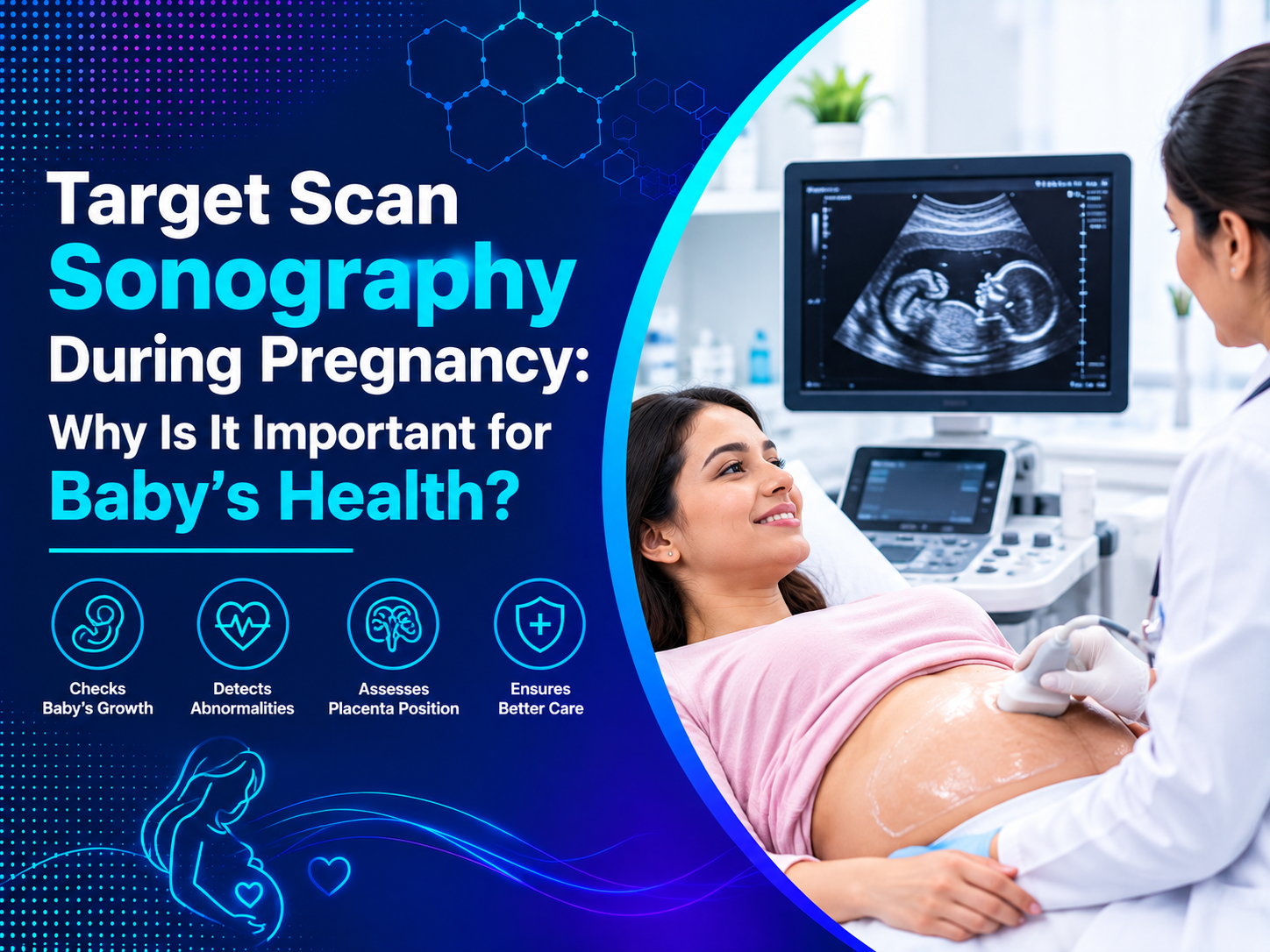
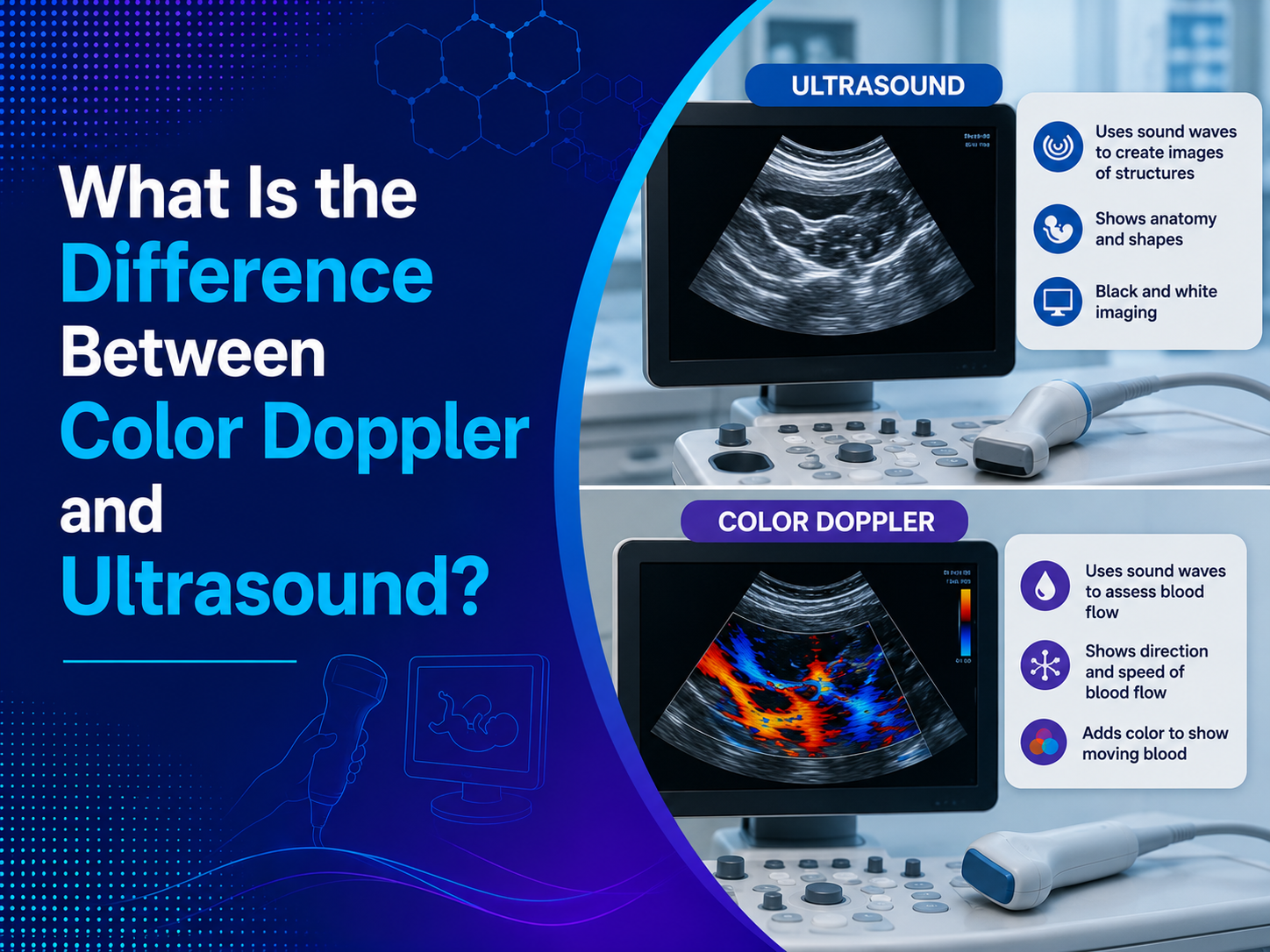
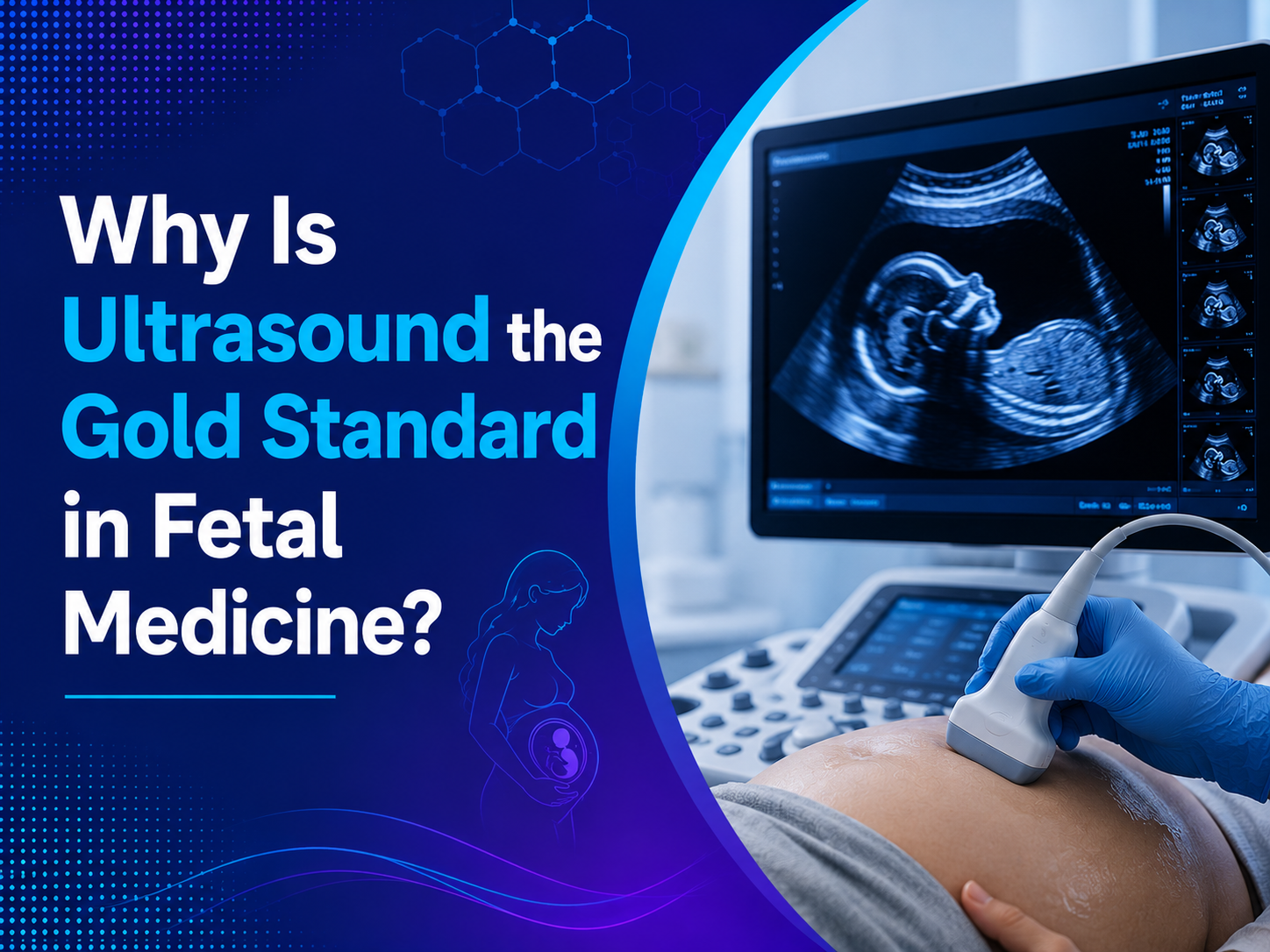
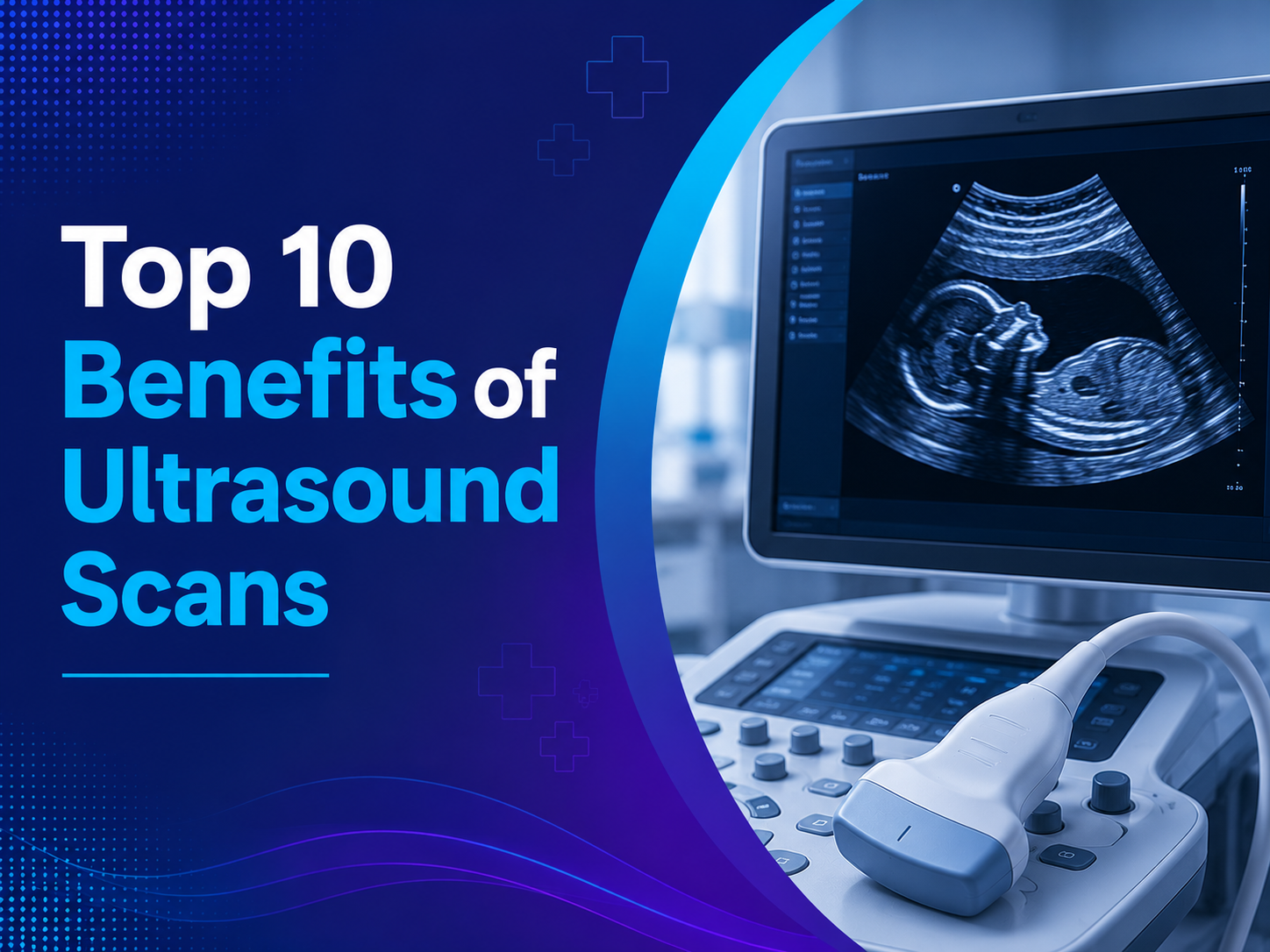
Standard prenatal ultrasounds provide valuable information, but high-risk pregnancies often require a more detailed, targeted approach. Specialized sonography techniques allow doctors to assess blood flow, fetal growth patterns, and organ function with a level of detail that routine scans simply cannot provide.
This deeper level of monitoring is central to effective Maternal Care, since it allows doctors to detect subtle warning signs, such as reduced blood flow to the placenta, well before they become visible through symptoms alone. Early detection through specialized imaging consistently supports better decision-making around timing of delivery and necessary interventions.
Doppler Ultrasound: A Cornerstone of High-Risk Monitoring
Doppler ultrasound has become one of the most valuable tools in managing complicated pregnancies, since it measures blood flow rather than simply capturing a static image.
- Umbilical artery Doppler, assessing blood flow between the placenta and baby, particularly important in suspected growth restriction
- Uterine artery Doppler, used earlier in pregnancy to help predict risks like preeclampsia
- Middle cerebral artery Doppler, evaluating blood flow to the fetal brain, especially relevant in cases of suspected anemia or growth concerns
- Ductus venosus Doppler, offering insight into fetal cardiac function during more advanced monitoring
Research has consistently shown that Doppler-based screening helps identify fetuses at genuine risk of complications like growth restriction, allowing for earlier, more targeted intervention rather than waiting for symptoms to appear.
Growth Scans and Fetal Growth Restriction Monitoring
One of the most common reasons for specialized monitoring in high-risk pregnancies is a concern about fetal growth. Intrauterine growth restriction, where a baby measures smaller than expected for its gestational age, is a leading cause of complications and requires careful, ongoing evaluation.
Serial growth scans, performed every few weeks rather than as a single measurement, allow doctors to track a baby’s growth trajectory over time rather than relying on one isolated data point. When growth restriction is suspected, combining serial scans with Doppler assessment gives a far clearer picture of whether the baby is truly at risk or simply following a smaller, but healthy, growth pattern.
Common High-Risk Pregnancy Conditions and Their Monitoring Needs
| Condition | Specialized Monitoring Used |
| Gestational diabetes | Growth scans, amniotic fluid assessment |
| High blood pressure or preeclampsia | Uterine artery Doppler, growth monitoring |
| Multiple pregnancy (twins or more) | Frequent growth scans, Doppler studies |
| Suspected fetal growth restriction | Serial growth scans, umbilical artery Doppler |
| Advanced maternal age | Detailed anomaly scan, growth monitoring |
| Placental abnormalities | Targeted placental imaging, Doppler assessment |
How Often Are High-Risk Pregnancies Monitored?
Monitoring frequency depends heavily on the specific condition and how the pregnancy is progressing, but high-risk pregnancies generally require significantly more frequent scans than low-risk ones.
- Every 2 to 4 weeks, for conditions like gestational diabetes or mild hypertension
- Weekly or biweekly, when growth restriction or significant Doppler abnormalities are identified
- Immediately upon new symptoms, such as reduced fetal movement or sudden swelling
- Regular non-stress tests, often paired with imaging in the third trimester for higher-risk cases
- Coordinated care between obstetrician and radiologist, ensuring findings are interpreted in the full clinical context
This increased frequency is not a sign that something is necessarily wrong, but rather a proactive approach designed to catch problems as early as possible.
The Role of Detailed Imaging in High-Risk Pregnancy Care
Beyond Doppler and growth scans, more advanced imaging techniques often play a role in evaluating specific concerns identified during routine monitoring. Detailed structural imaging becomes especially important when a previous scan has raised a question that needs further clarification before a management decision can be made.
For pregnancies requiring an especially close look at fetal anatomy, 3D/4D Targeted Imaging in Indore can provide additional clarity when standard imaging findings need more detailed visualization. This added layer of detail can be particularly valuable when structural concerns are identified early and require closer monitoring throughout the remaining weeks of pregnancy.
Building a Coordinated Approach to Maternal Care
Effective Maternal Care for high-risk pregnancies depends on close coordination between the obstetrician, radiologist, and often additional specialists involved in managing specific conditions. Sharing imaging findings promptly and clearly between these providers is essential, since delays in communication can meaningfully affect timing-sensitive decisions.
This coordinated approach also extends to the patient herself, who benefits from clear explanations of why closer monitoring is recommended and what each scan is specifically looking for. Feeling informed throughout this process often helps reduce the anxiety that can accompany a high-risk pregnancy diagnosis.
Choosing the Right Facility for High-Risk Pregnancy Monitoring
Since specialized sonography requires both advanced equipment and experienced interpretation, choosing the right facility becomes especially important for high-risk pregnancies.
Comprehensive Prenatal Imaging Under One Roof
Expecting mothers searching for a dedicated GYNAE Pregnancy Sonography Centre in Indore should look for a facility experienced in Doppler studies, growth monitoring, and other specialized techniques required for high-risk care.
Routine and Specialized Testing Combined
Access to comprehensive Obstetrics Routine Tests in Indore alongside specialized imaging allows for more coordinated, convenient care throughout a high-risk pregnancy journey.
Reliable Imaging Services Across the City
Patients researching Sonography in Indore for high-risk pregnancy monitoring should prioritize facilities with experienced sonologists familiar with Doppler and serial growth assessment techniques.
Dependable Scanning You Can Count On
For ongoing monitoring needs, choosing a consistent provider of ultrasound scan in Indore services helps maintain accuracy when comparing results across multiple visits over time.
Why Choose Ultrascan Diagnostic Centre
Ultrascan Diagnostic Centre is recognized as one of the best diagnostic centre in Indore for high-risk pregnancy imaging, combining advanced Doppler and growth monitoring technology with experienced radiologists who understand the sensitivity this care requires.
A Trusted Partner for Complex Pregnancy Care
As an established Diagnostic Centre in Indore, Ultrascan works closely alongside referring obstetricians to ensure every scan result is communicated clearly and promptly for timely decision-making.
Frequently Asked Questions
1. What makes a pregnancy officially classified as high-risk?
Factors like gestational diabetes, high blood pressure, advanced maternal age, multiple pregnancy, or a history of complications can all lead to a high-risk classification. Your doctor will assess your individual risk factors and recommend appropriate monitoring based on your specific situation.
2. Is Doppler ultrasound safe during pregnancy?
Yes, when used appropriately by trained professionals on properly configured obstetric equipment, Doppler ultrasound does not pose a risk to the pregnancy. It remains a widely used, non-invasive tool for assessing blood flow and fetal wellbeing.
3. How often will I need scans if my pregnancy is high-risk?
This depends entirely on your specific condition, but many high-risk pregnancies require scans every two to four weeks, with some needing weekly monitoring. Your doctor will set a personalized schedule based on your risk factors and how your pregnancy is progressing.
4. Can specialized sonography predict pregnancy complications before symptoms appear?
Yes, techniques like Doppler ultrasound can often detect early signs of reduced blood flow or growth restriction well before any symptoms become noticeable. This early detection allows doctors to intervene proactively rather than reactively.
5. Does a high-risk pregnancy always mean something is wrong with the baby?
No, a high-risk classification simply means closer monitoring is recommended due to certain risk factors, not that a problem has already been identified. Many high-risk pregnancies proceed with healthy outcomes when properly monitored and managed.
Conclusion
Specialized sonography has fundamentally changed how doctors approach Maternal Care for high-risk pregnancies, replacing uncertainty with detailed, actionable information. From Doppler studies to serial growth monitoring, these techniques give both parents and doctors the clarity needed to navigate a complicated pregnancy with greater confidence.
Book your high-risk pregnancy monitoring appointment today at Ultrascan Diagnostic Centre and get the specialized, experienced care your pregnancy deserves. Walk in or call ahead to schedule your appointment and take a confident step toward safer, well-monitored maternal care.