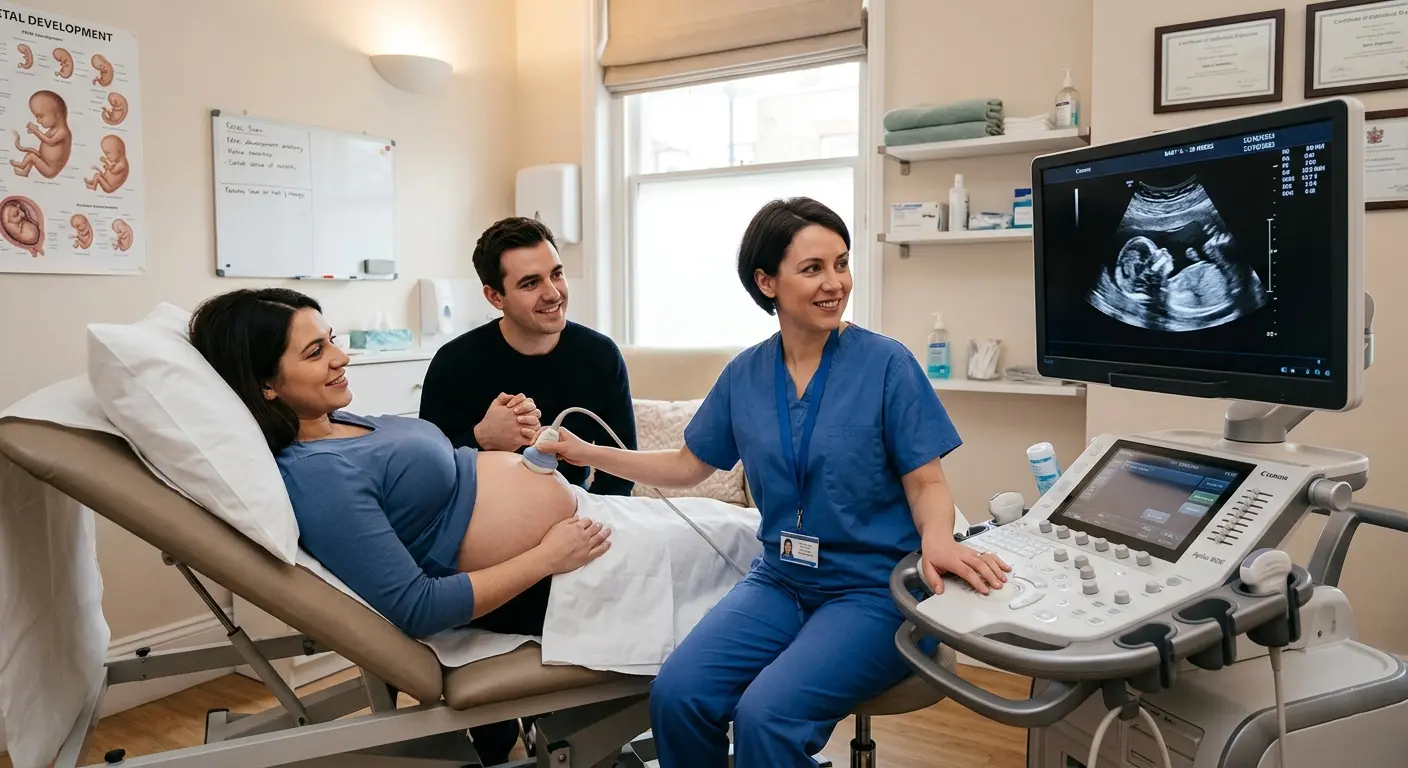
Some of the most important decisions in prenatal care depend on procedures that require extraordinary precision, since even a small margin of error can carry real consequences. Ultrasound Guided Procedures in Obstetrics have transformed how doctors perform these delicate interventions, replacing guesswork with real-time visual guidance at every step. This guide explains how ultrasound guidance works, which procedures rely on it most, and why this technology has become essential to modern prenatal care.
What Are Ultrasound Guided Procedures in Obstetrics?
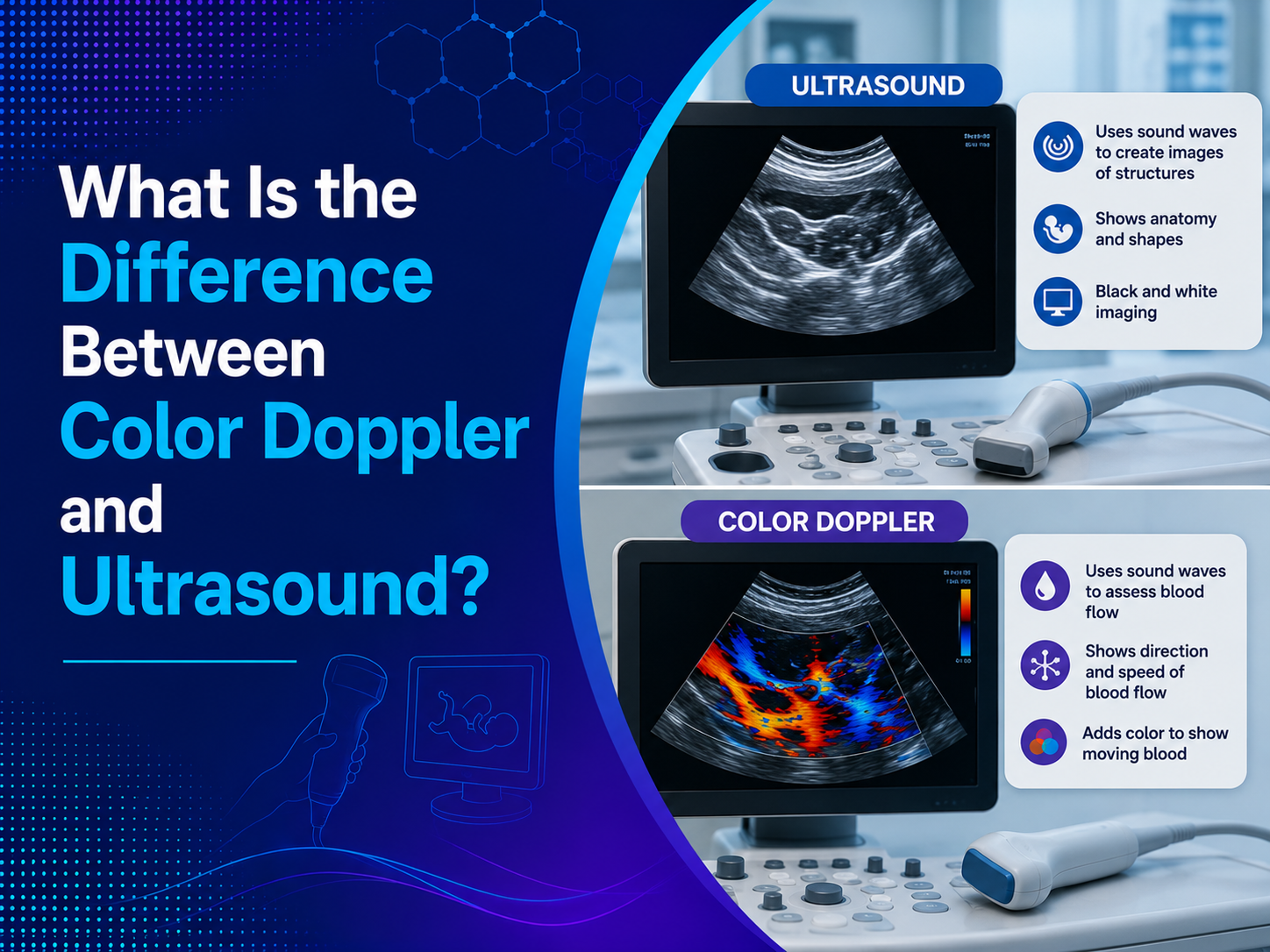
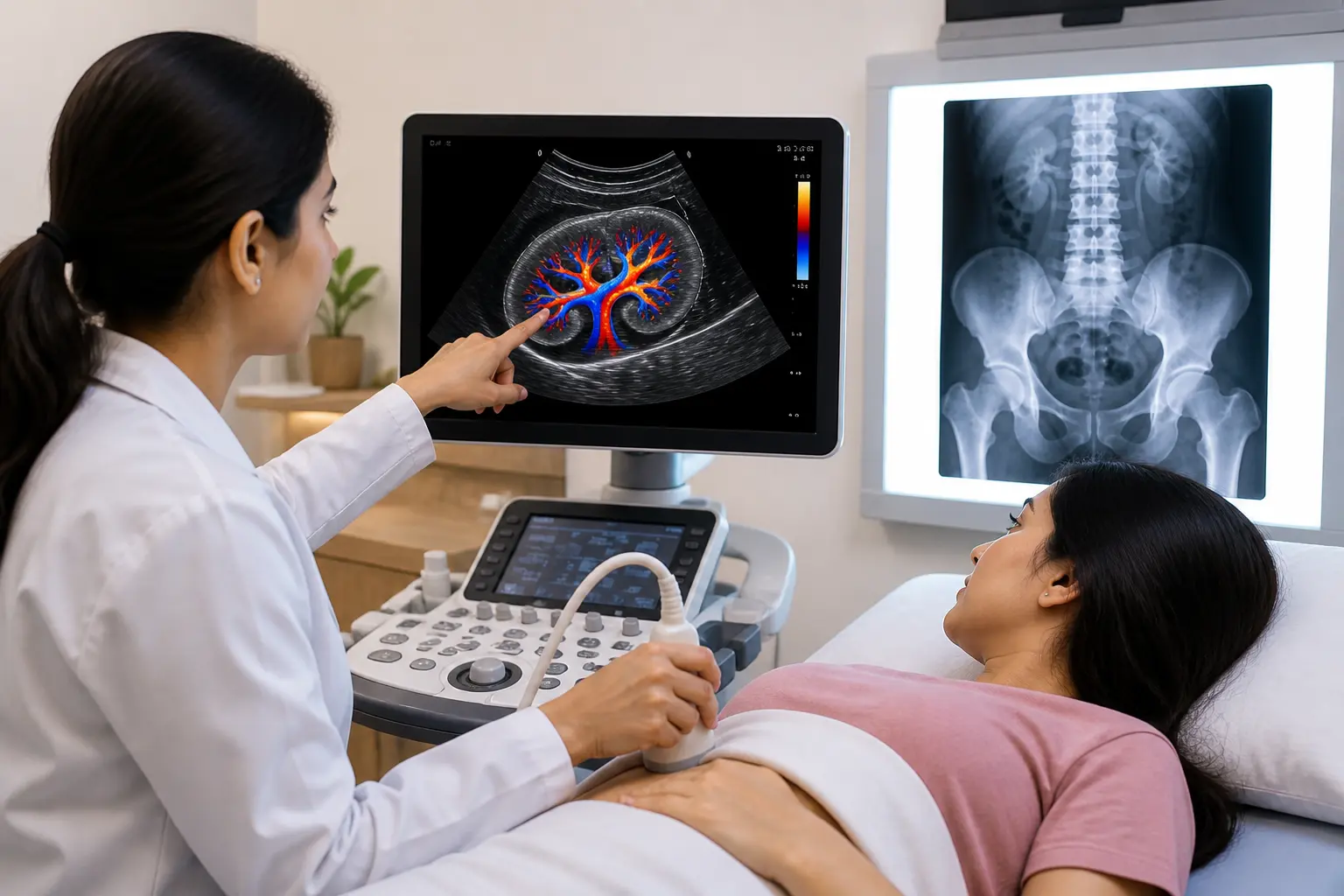
Ultrasound guided procedures use real-time sound wave imaging to help doctors see exactly where a needle, catheter, or instrument is positioned inside the body during a medical procedure. Rather than relying on anatomical landmarks or estimated positioning, the doctor watches a live image on screen throughout the entire process.
In obstetrics specifically, this technology allows doctors to safely access the amniotic fluid, placenta, or fetal blood vessels for diagnostic testing while minimizing the risk of injury to the baby. Ultrasound Guided Procedures in Obstetrics have become the standard approach precisely because they combine diagnostic accuracy with a strong safety profile.
Why Precision Matters So Much in Prenatal Procedures
Prenatal diagnostic procedures involve working in extremely close proximity to a developing baby, where even small positioning errors could potentially cause harm. Before ultrasound guidance became standard practice, these procedures relied far more heavily on the physician’s experience and anatomical estimation alone.
Real-time imaging changed this significantly, since doctors can now track the exact path of a needle from insertion to target with continuous visual feedback. This level of precision has meaningfully reduced complication rates across multiple types of prenatal procedures compared to earlier, less guided techniques.
Common Ultrasound Guided Procedures in Obstetrics
Several key prenatal diagnostic procedures rely specifically on ultrasound guidance to be performed safely and accurately.
Amniocentesis
Amniocentesis involves inserting a thin needle through the abdomen to collect a small sample of amniotic fluid for genetic testing. This procedure is typically performed after 16 weeks of pregnancy and uses continuous ultrasound guidance to avoid the placenta and ensure the needle reaches a safe pocket of fluid.
Chorionic Villus Sampling (CVS)
CVS collects a small sample of placental tissue, usually between 11 and 13 weeks of pregnancy, to test for chromosomal or genetic conditions. Depending on the placenta’s position, doctors use ultrasound guidance to perform this procedure either through the abdomen or through the cervix, selecting whichever approach offers the safest, most direct access.
Cordocentesis (Fetal Blood Sampling)
Also known as percutaneous umbilical blood sampling, this procedure involves collecting a small sample of blood directly from the umbilical cord. Because the umbilical cord is a narrow, moving target, ultrasound guidance is essential for accurately and safely accessing it.
Ultrasound Guided Amniotic Fluid Reduction
In certain high-risk pregnancies involving excess amniotic fluid, doctors may perform a guided procedure to safely remove excess fluid. Continuous imaging ensures the procedure is performed with minimal risk to both mother and baby throughout.
How Ultrasound Guidance Improves Safety
The safety benefits of real-time imaging during these procedures extend well beyond simply avoiding the baby itself.
- Avoiding the placenta, reducing the risk of bleeding or placental injury during needle insertion
- Confirming fetal position and movement, allowing doctors to time the procedure appropriately
- Selecting the safest fluid pocket, particularly important during amniocentesis
- Reducing the number of needle insertion attempts, since accurate first-pass placement is far more achievable with visual guidance
- Monitoring in real time, allowing immediate adjustments if the baby moves during the procedure
This combination of benefits is a major reason why ultrasound-guided approaches have significantly improved outcomes compared to earlier, less visually guided techniques.
When Are These Procedures Recommended?
Doctors typically recommend ultrasound guided diagnostic procedures in specific situations rather than as routine testing for every pregnancy.
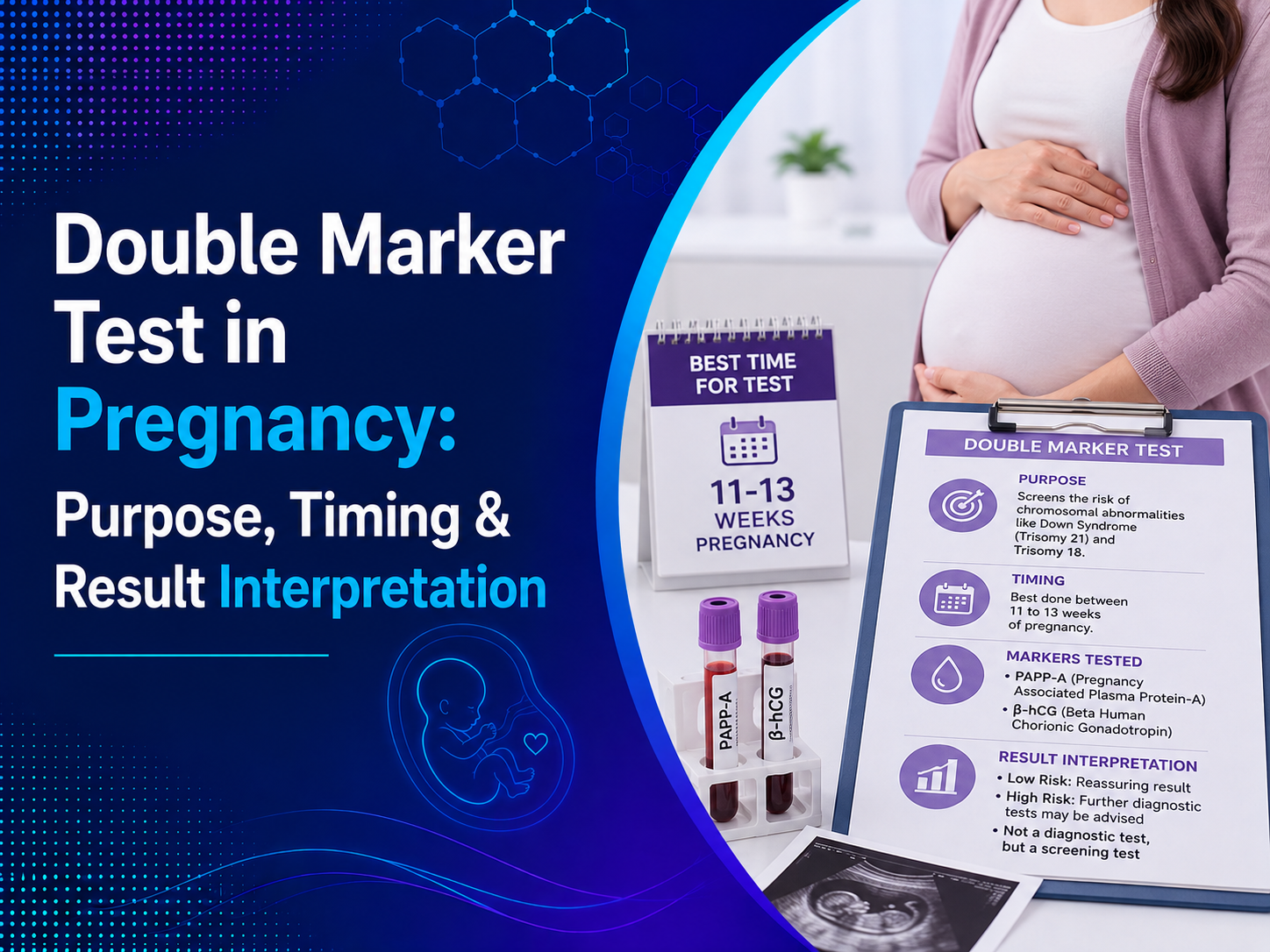
- Abnormal screening results, such as a high-risk double marker or NIPT result requiring confirmation
- Advanced maternal age, typically above 35, where chromosomal risk is statistically higher
- Family history of genetic conditions, warranting more definitive diagnostic testing
- Abnormal findings on a target scan, where structural concerns need further genetic clarification
- Suspected fetal anemia or blood disorders, where fetal blood sampling may be necessary
- Excess or insufficient amniotic fluid, requiring intervention or closer monitoring
What to Expect During an Ultrasound Guided Procedure
Understanding the process can help ease anxiety for expecting parents facing one of these procedures for the first time.
- An ultrasound scan is performed first to confirm the baby’s position and locate the target area precisely.
- The skin is cleaned, and in some cases, a local anesthetic is applied to minimize discomfort.
- The doctor inserts the needle or catheter while continuously watching the ultrasound screen for guidance.
- The required sample or fluid is collected, and the needle is withdrawn carefully.
- A follow-up ultrasound confirms the baby’s heartbeat and overall wellbeing immediately after the procedure.
Most of these procedures take only a few minutes to complete, though the preparation and monitoring around them may extend the overall appointment time.
Understanding the Risks and Reassurances
While ultrasound guided procedures carry some risk, this risk is notably lower than with earlier, less precise techniques. Amniocentesis and CVS both carry a small associated risk of miscarriage, though this risk is significantly reduced when procedures are performed by experienced specialists using proper ultrasound guidance.
Doctors carefully weigh these risks against the diagnostic value each procedure offers, discussing them thoroughly with parents before proceeding. Most patients experience only mild cramping or discomfort afterward, with serious complications remaining uncommon when procedures are performed correctly.
Choosing an Experienced Centre for Guided Procedures
Since these procedures demand a high level of skill and precise equipment, choosing an experienced facility genuinely affects both safety and diagnostic accuracy.
Reliable Imaging for Every Stage of Pregnancy
Patients searching for dependable ultrasound scan in Indore options for prenatal diagnostic procedures should look for a facility with experienced maternal-fetal specialists and modern imaging equipment.
Comprehensive Testing Under One Roof
For expecting parents seeking complete ultrasound Indore services, having access to routine scans alongside specialized guided procedures at the same facility simplifies coordinating care throughout pregnancy.
Accurate Results You Can Trust
An experienced provider offering a thorough Ultrasound Test in Indore ensures every guided procedure is performed with the precision needed to minimize risk while maximizing diagnostic accuracy.
Why Choose Ultrascan Diagnostic Centre
Ultrascan Diagnostic Centre is recognized as one of the best diagnostic centre in Indore for advanced prenatal imaging, combining modern ultrasound technology with experienced radiologists who understand the sensitivity these procedures require.
A Trusted Partner Throughout Your Pregnancy
As an established Diagnostic Centre in Indore, Ultrascan supports expecting parents with clear guidance, careful monitoring, and dependable imaging at every stage of prenatal care.
Frequently Asked Questions
1. Are ultrasound guided procedures safe during pregnancy?
Yes, when performed by experienced specialists, these procedures carry a relatively low risk and have become significantly safer with the use of real-time ultrasound guidance. Your doctor will discuss the specific risks and benefits based on your individual situation before proceeding.
2. What is the difference between amniocentesis and CVS?
Amniocentesis is performed after 16 weeks and tests amniotic fluid, while CVS is performed earlier, between 11 and 13 weeks, and tests placental tissue. Both procedures rely on ultrasound guidance and provide similar diagnostic information about chromosomal or genetic conditions.
3. Does an ultrasound guided procedure hurt?
Most patients describe the sensation as similar to a routine blood draw, with mild cramping sometimes felt afterward. A local anesthetic may be used to minimize discomfort during needle insertion.
4. How soon are results available after these procedures?
Preliminary results are sometimes available within a few days, while a complete genetic analysis can take one to two weeks depending on the specific tests ordered. Your doctor will explain the expected timeline based on which procedure and tests are involved.
5. Is ultrasound guidance used for every prenatal diagnostic procedure?
Yes, any invasive prenatal diagnostic procedure involving needle or catheter insertion near the baby is performed under continuous ultrasound guidance as standard medical practice. This ensures maximum precision and significantly reduces the risk of complications.
Conclusion
Ultrasound Guided Procedures in Obstetrics represent one of the most important advances in prenatal diagnostic care, replacing estimation with real-time precision at every step. While these procedures require careful consideration and a thorough discussion with your doctor, the accuracy and safety they offer have made a meaningful difference for countless families seeking clarity about their pregnancy.
Book your prenatal imaging consultation today at Ultrascan Diagnostic Centre and get the precise, experienced care your pregnancy deserves. Walk in or call ahead to schedule your appointment and take a confident step toward informed, safer prenatal care.