Most people only think about diagnostic testing after symptoms appear, but by then, a condition may have already progressed further than expected. The Benefits of the Diagnostic Process go far beyond simply naming a disease, since accurate testing shapes every decision that follows, from treatment choice to long-term outcomes. This guide explains why early diagnosis matters so much, what the diagnostic process actually involves, and how timely testing can genuinely change the course of your health.
What Is the Diagnostic Process?
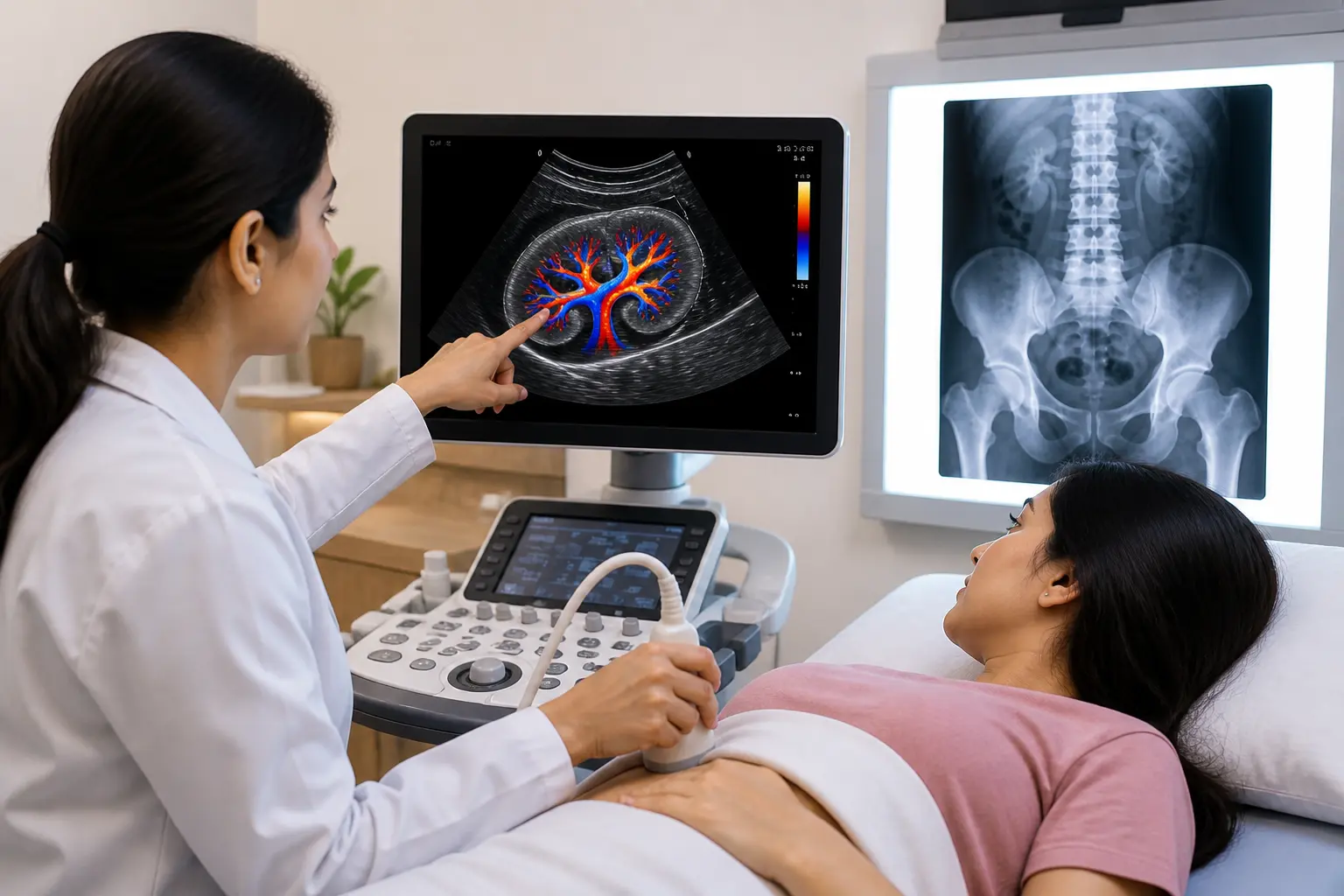
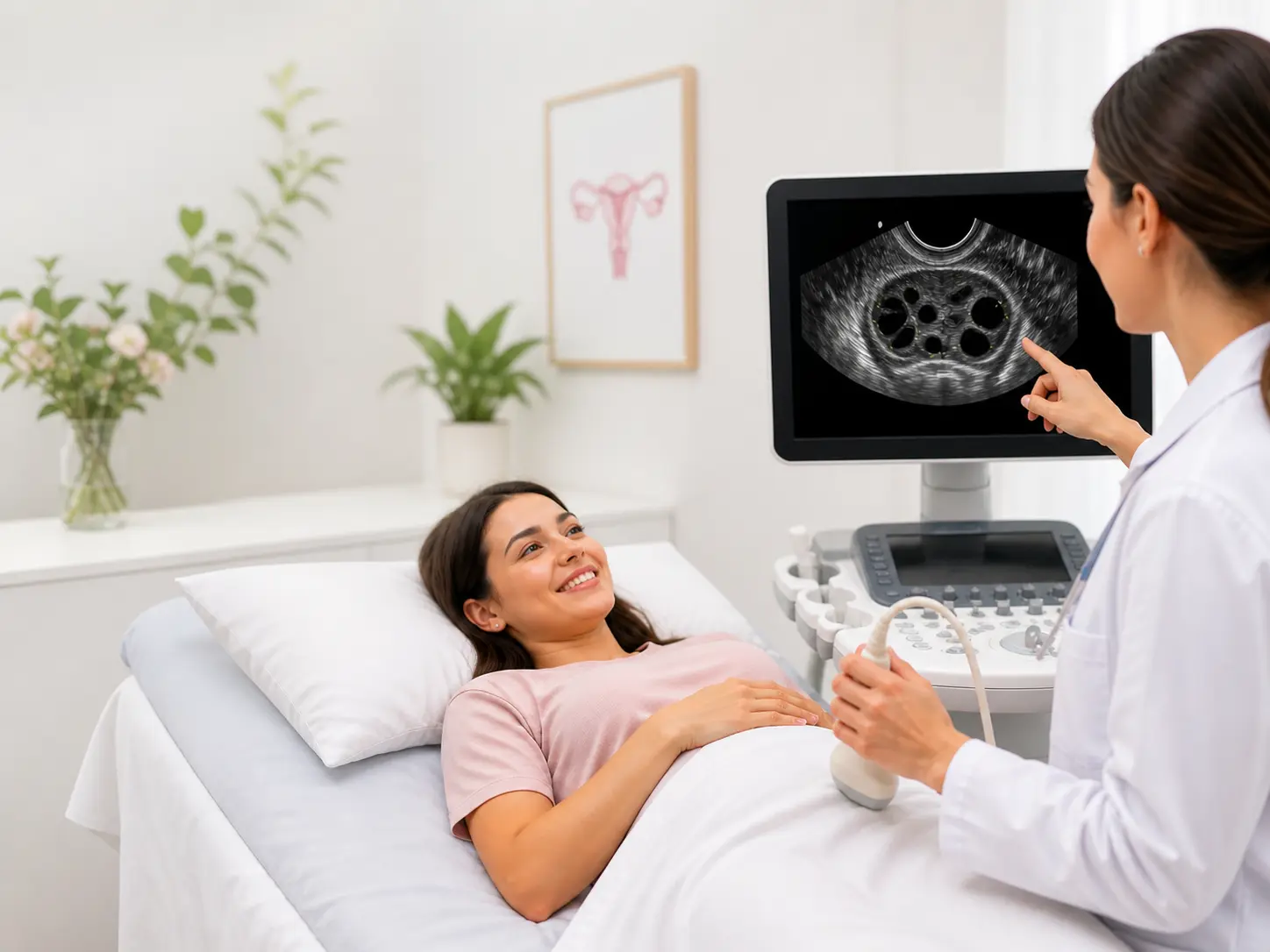
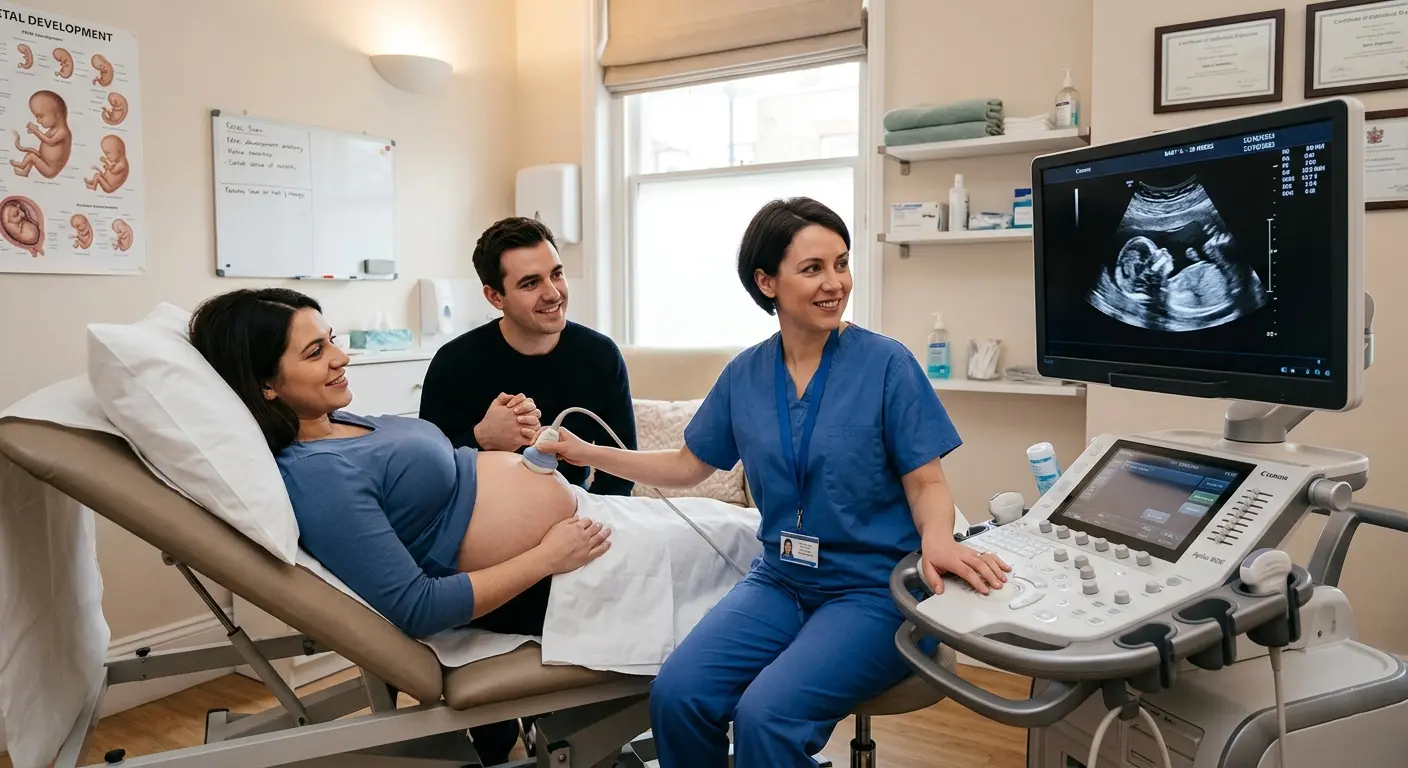
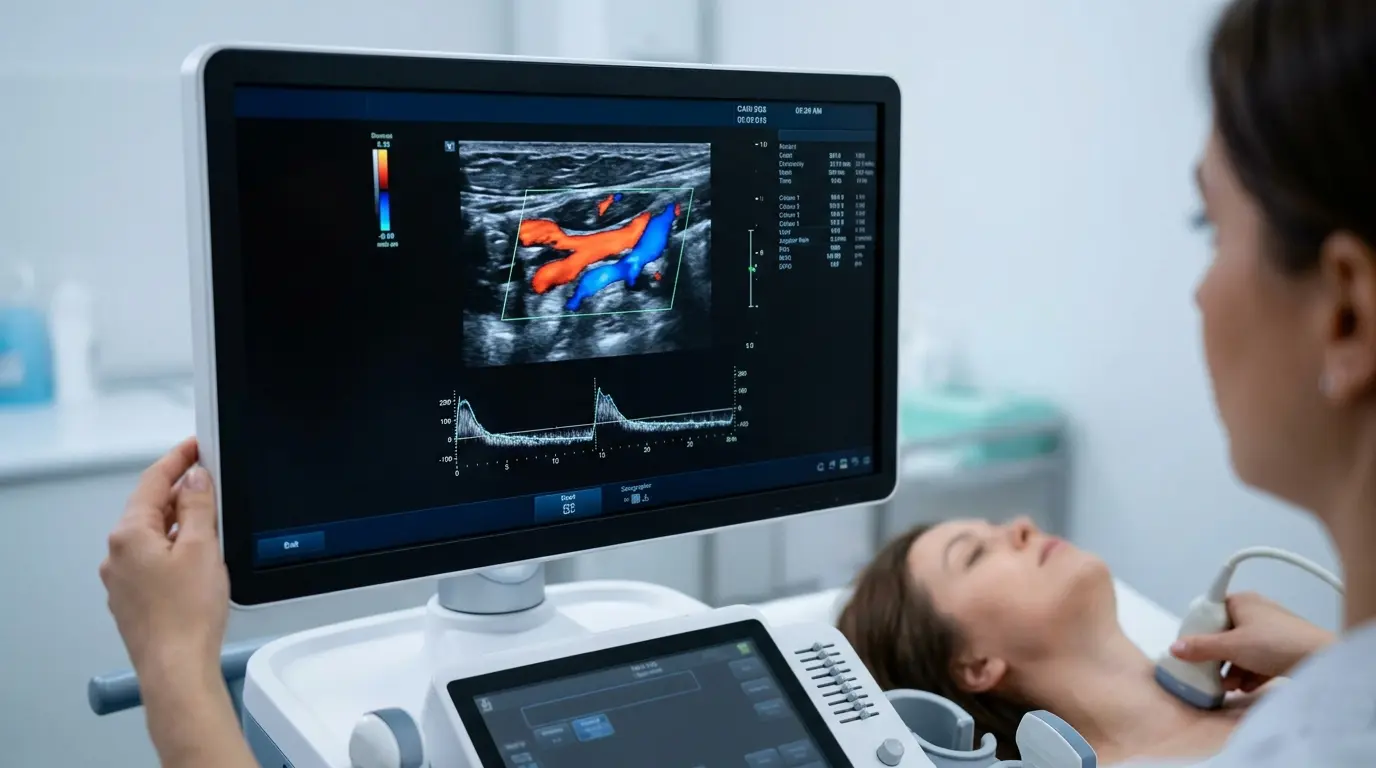
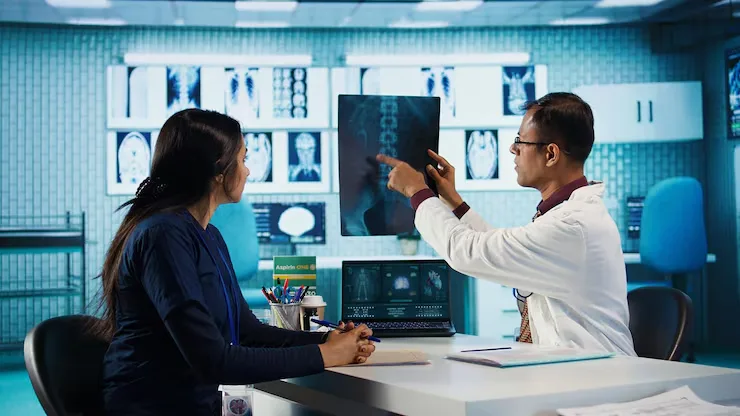
The diagnostic process is the structured method doctors use to identify a disease or condition, combining your symptoms, medical history, and test results into a clear picture. It typically starts with a physical examination, moves into laboratory or imaging tests, and ends with a doctor interpreting the findings to reach a conclusion.
Diagnosis remains one of the most important parts of medical care, since every treatment decision that follows depends on getting this step right. Understanding the Benefits of the Diagnostic Process starts with recognizing that a correct, timely diagnosis is the foundation on which effective treatment is built.
Why Early Diagnosis Changes Health Outcomes
Catching a condition early is often compared to noticing a small spark before it becomes a large fire. For chronic conditions like diabetes and heart disease, identifying warning signs early allows doctors to intervene with lifestyle changes or medication before complications like nerve damage or kidney failure develop.
This is one of the clearest Benefits of the Diagnostic Process, since early intervention consistently leads to better long-term outcomes than treatment started after a condition has already advanced. Cancer is a particularly strong example, where survival rates are significantly higher when the disease is caught in its earliest stages through routine screening.
Key Benefits of the Diagnostic Process
Timely diagnostic testing offers advantages that extend well beyond simply confirming what is wrong.
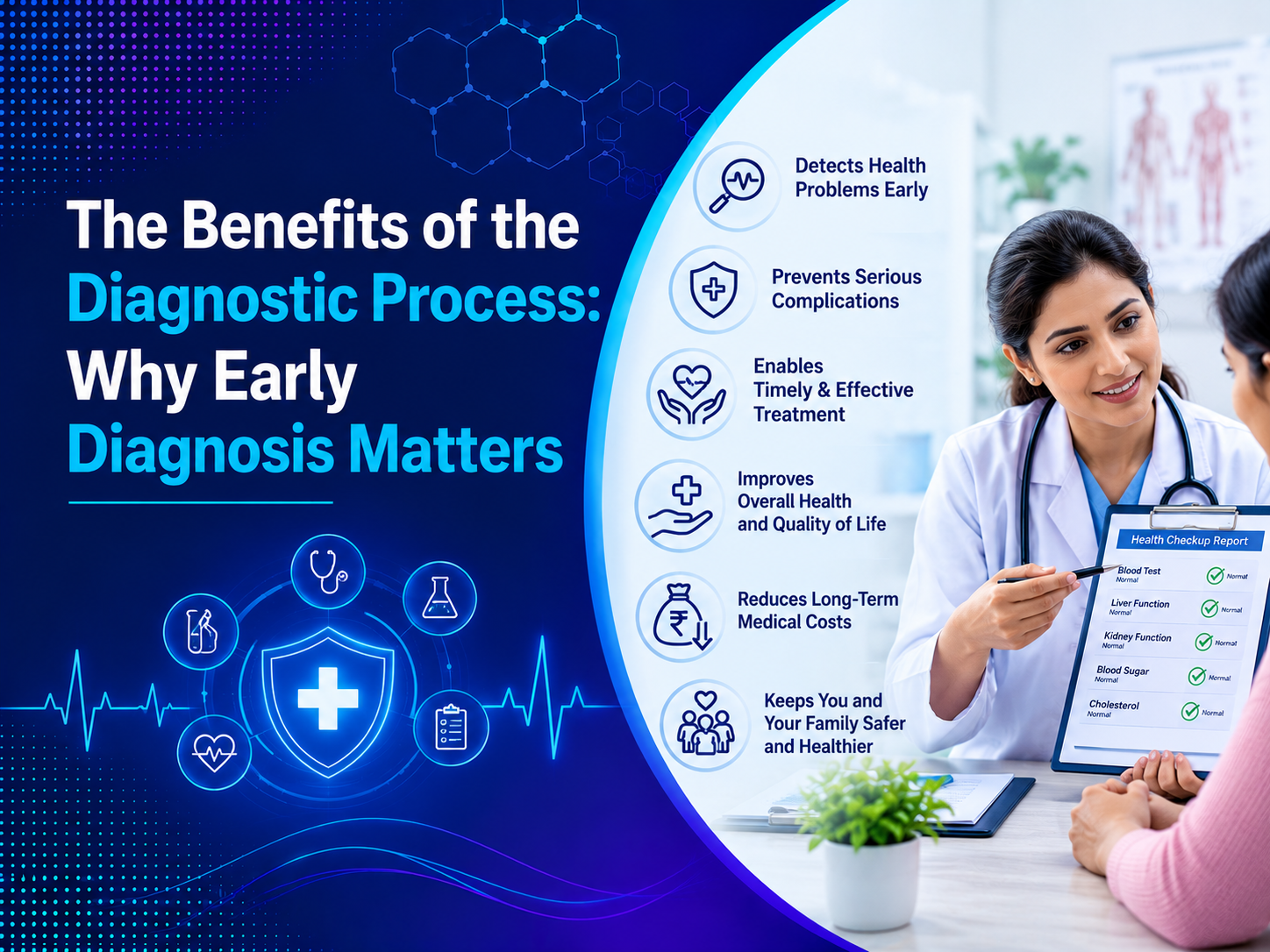
- Improved treatment success, since many conditions respond far better to early intervention
- Reduced healthcare costs, as early treatment is typically less expensive than managing advanced complications
- Fewer hospitalizations, since catching problems early often prevents emergency situations later
- Better quality of life, as early management reduces the severity of symptoms over time
- More treatment options, since early-stage conditions often allow for less invasive interventions
- Peace of mind, knowing your health status clearly rather than living with uncertainty
Each of these benefits reinforces why regular testing should be viewed as a proactive investment in long-term health rather than a reactive response to illness.
How the Diagnostic Process Supports Chronic Disease Management
Chronic conditions like hypertension, diabetes, and high cholesterol often develop silently, with few noticeable symptoms in the early stages. Routine testing plays a critical role here, since elevated markers like blood sugar or cholesterol can prompt early lifestyle changes long before symptoms ever appear.
Managing these risk factors early significantly reduces the likelihood of severe complications such as stroke, kidney failure, or heart attack later in life. This proactive approach to chronic disease is exactly why annual screening through comprehensive Health Packages in Indore has become such an important part of preventive healthcare.
The Diagnostic Process for Infectious Diseases
Timely diagnosis is not only important for chronic conditions, it also plays a major role in controlling the spread of infectious diseases. Rapid testing allows healthcare providers to identify infections quickly, begin appropriate treatment, and reduce the risk of transmission to others.
Public health efforts around early detection, including awareness campaigns and accessible screening programs, rely heavily on the diagnostic process functioning quickly and accurately. Delays in identifying infectious conditions can allow a disease to spread further before proper precautions are put in place.
Diagnostic Process Timeline: From Symptom to Treatment
| Stage | What Happens | Why It Matters |
| Symptom recognition | Patient notices signs or attends routine screening | Starting point for early detection |
| Clinical evaluation | Doctor reviews history and conducts examination | Narrows down possible causes |
| Diagnostic testing | Blood work, imaging, or specialized tests ordered | Confirms or rules out specific conditions |
| Result interpretation | Doctor reviews reports alongside symptoms | Leads to an accurate diagnosis |
| Treatment planning | Appropriate treatment or monitoring begins | Determines long-term health outcome |
Common Barriers to Early Diagnosis
Despite the clear benefits, several factors can delay diagnosis for many patients.
- Limited access to healthcare, particularly in rural or underserved areas
- Delayed symptom reporting, since mild symptoms are often ignored or dismissed
- Cost concerns, which can discourage patients from seeking routine testing
- Lack of awareness, especially around silent conditions with few early symptoms
- Diagnostic errors, which can occur even with modern medical technology
Recognizing these barriers is an important step toward addressing them, whether through better access to testing, more affordable screening packages, or increased public awareness around the value of routine checkups.
Why Choosing the Right Diagnostic Centre Matters
The accuracy of your diagnosis depends heavily on the quality of testing behind it, which makes choosing the right facility just as important as deciding to get tested at all. Ultrascan Diagnostic Centre is known as one of the best diagnostic centre in Indore, offering reliable, well-calibrated testing across a wide range of conditions.
Accurate results require experienced professionals and properly maintained equipment, since even small errors in sample handling or interpretation can lead to delayed or incorrect diagnoses. This is why working with an established, trusted Diagnostic Centre in Indore genuinely makes a measurable difference in the quality and reliability of your results.
Making Preventive Testing Part of Your Routine
Building a habit of regular testing is one of the most effective ways to experience the full Benefits of the Diagnostic Process over time. Rather than waiting for symptoms to appear, many people now choose annual screening as a proactive step toward long-term wellness.
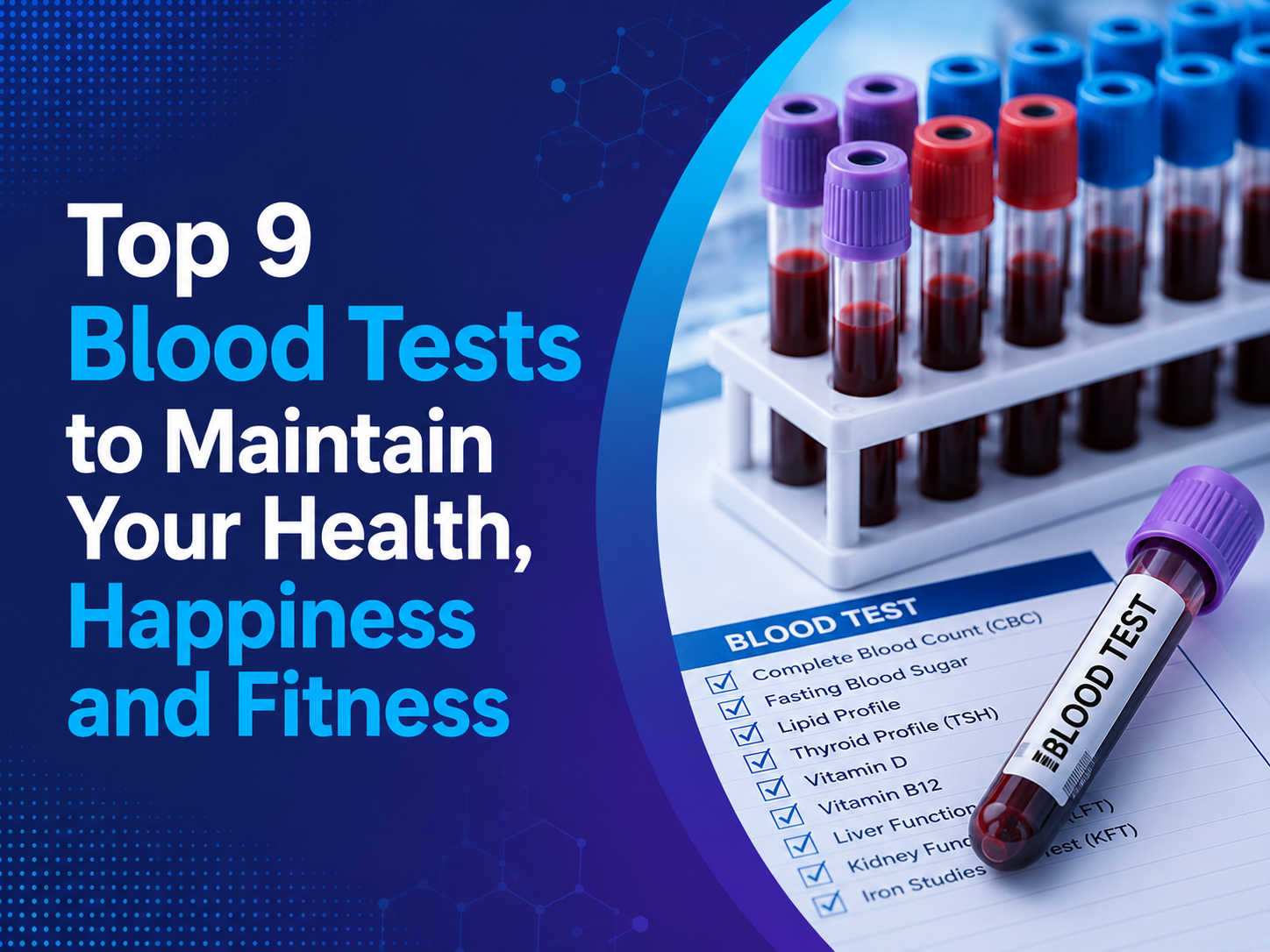
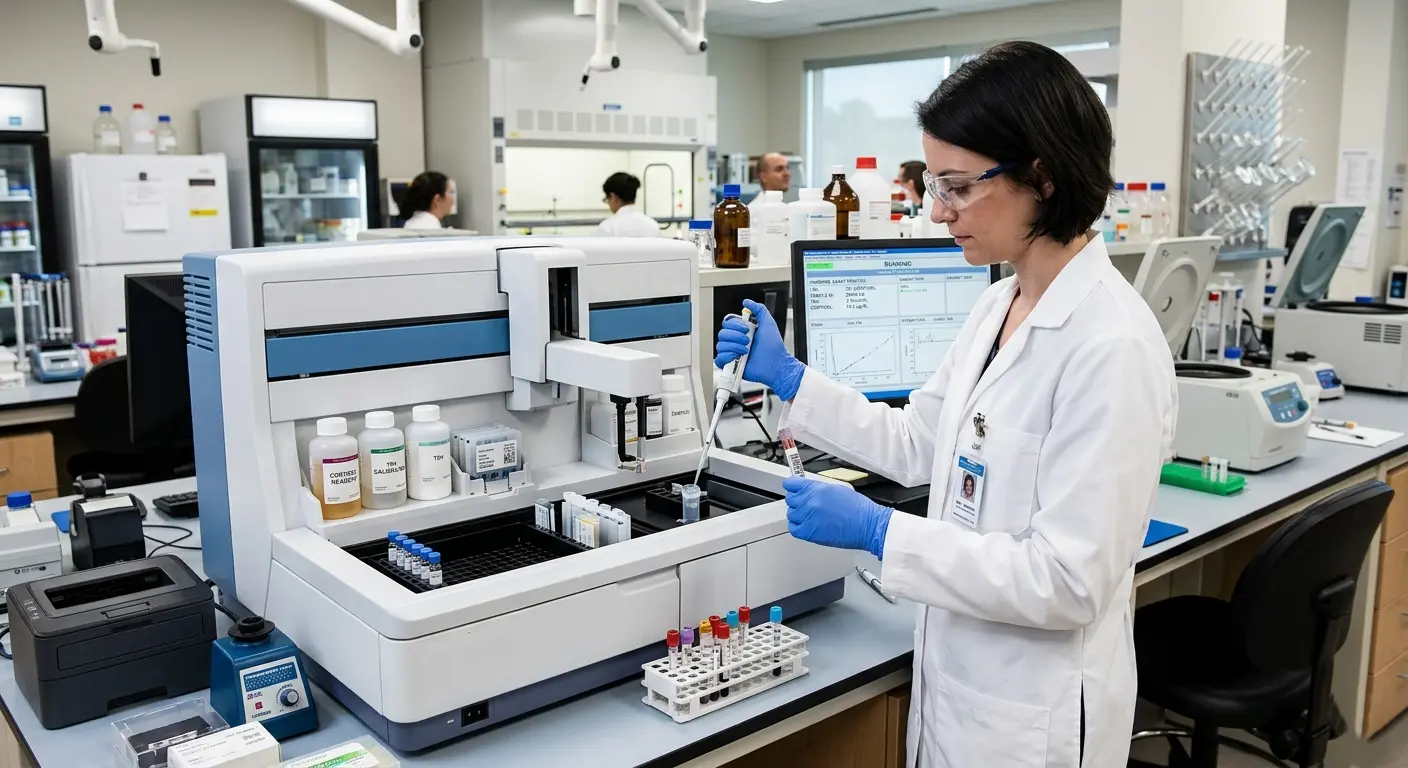
For blood-based testing, choosing an experienced Pathology Lab in Indore ensures your samples are processed accurately and your results are ready quickly. Combining this with periodic imaging and organ function tests gives a far more complete picture of your health than any single test could provide on its own.
Frequently Asked Questions
1. Why is early diagnosis important even if I feel completely healthy?
Many serious conditions, including diabetes and hypertension, develop silently without noticeable symptoms in their early stages. Regular testing helps catch these conditions before they progress, when treatment is far more effective and less costly.
2. How does the diagnostic process actually reduce healthcare costs?
Treating a condition early is generally far less expensive than managing advanced-stage complications that require hospitalization or intensive treatment. Preventive testing helps avoid these larger costs by addressing issues while they are still manageable.
3. What is the difference between diagnosis and screening?
Screening is used to check for potential conditions in people without symptoms, while diagnosis confirms an actual condition once warning signs or abnormal screening results appear. Both work together as part of the broader diagnostic process.
4. How often should I undergo routine diagnostic testing?
This depends on your age, risk factors, and medical history, though most healthy adults benefit from annual screening. Your doctor can recommend a personalized testing schedule based on your specific health profile.
5. Can diagnostic errors really happen with modern testing methods?
Yes, diagnostic errors can occur even with advanced technology, which is why choosing an experienced, well-equipped facility matters so much. Accurate sample handling, proper equipment calibration, and experienced interpretation all play a role in minimizing these risks.
Conclusion
Diagnosis is not simply the first step toward treatment, it is the foundation that determines how effective that treatment will be. Understanding the Benefits of the Diagnostic Process, from better outcomes and lower costs to genuine peace of mind, makes a strong case for treating regular screening as an essential part of staying healthy.
Book your health screening today at Ultrascan Diagnostic Centre and take a proactive step toward early detection and better long-term health. Walk in or call ahead to schedule your appointment and experience accurate, timely diagnostic care.