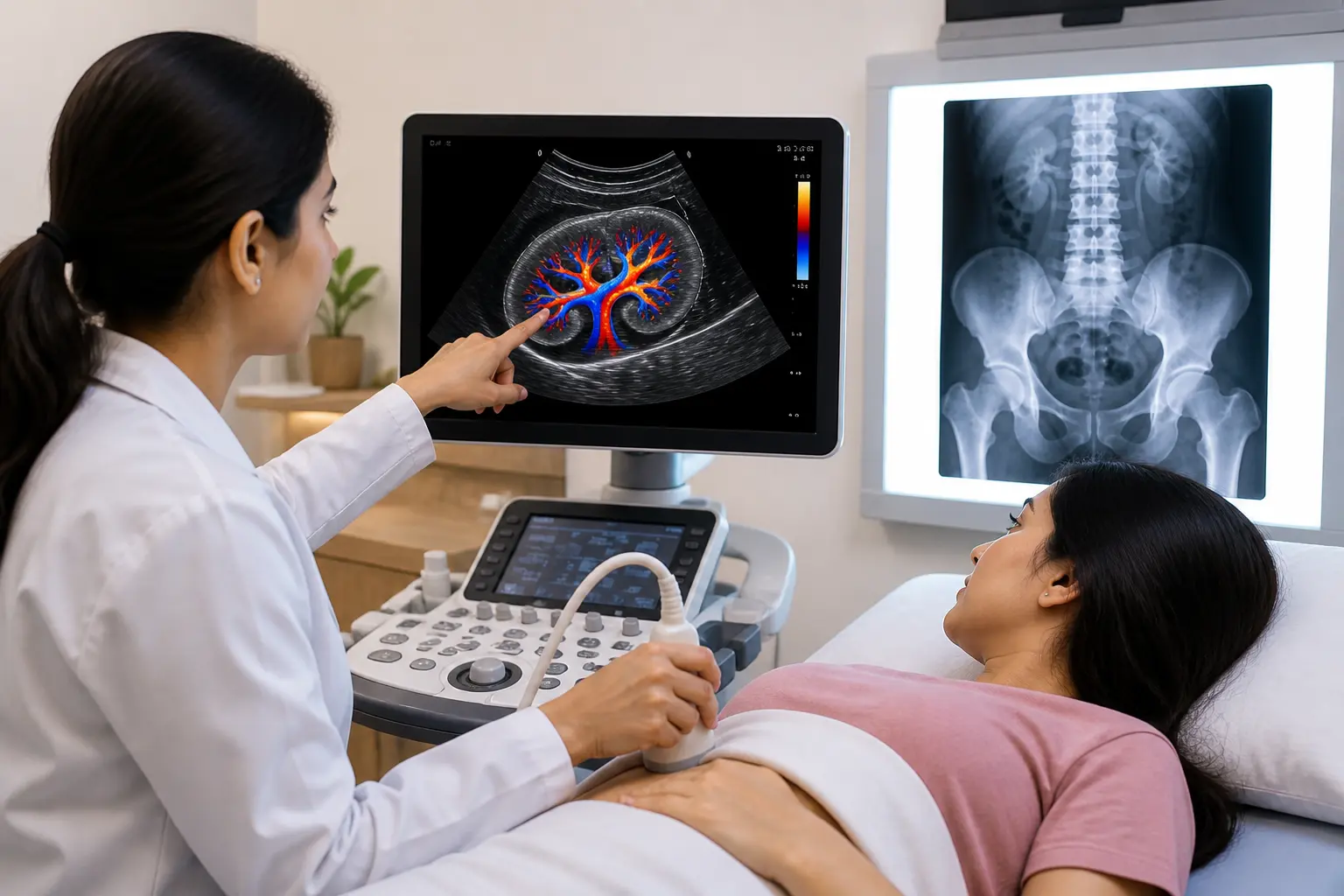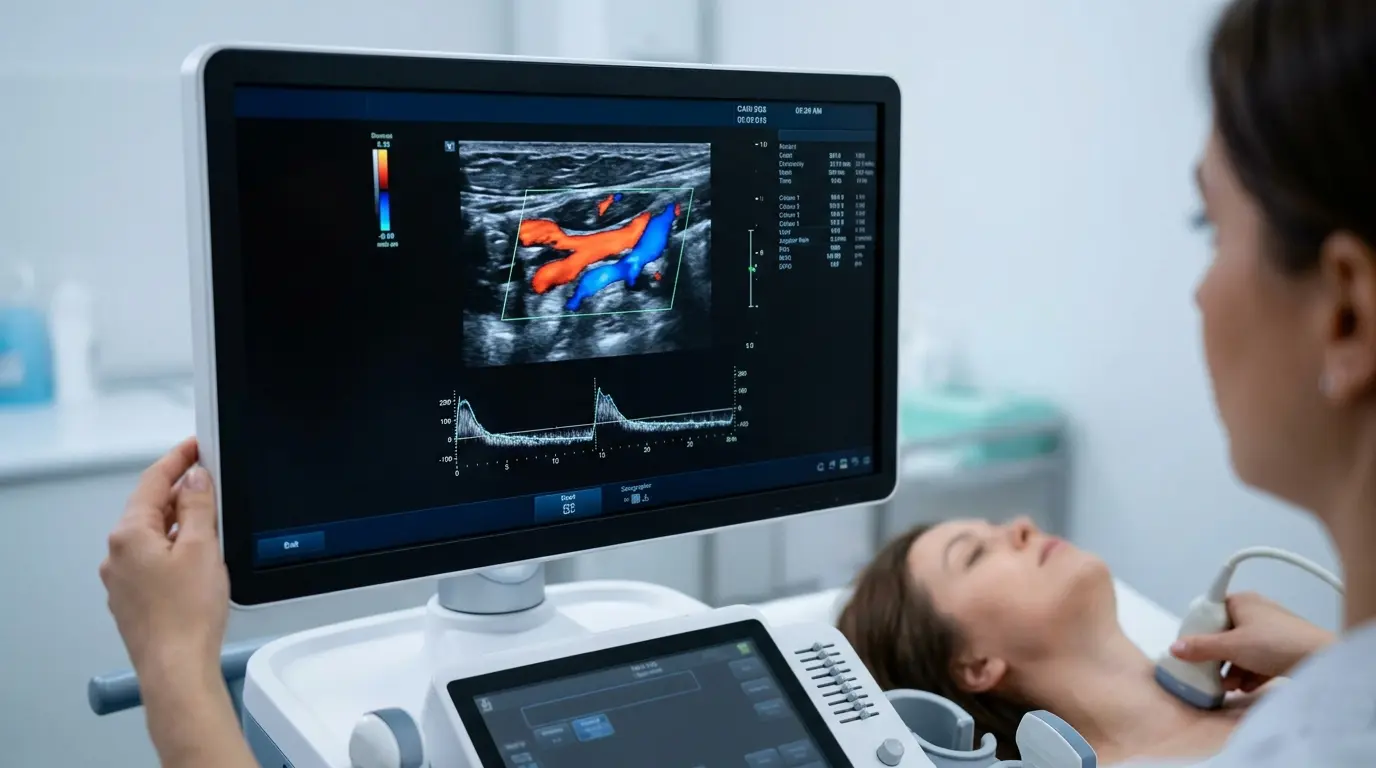
Few imaging tools are used as widely across medicine as sonography, and for good reason. The Role of Sonography in Diagnostic Procedure spans nearly every medical specialty, from confirming a pregnancy to guiding a needle biopsy with precision. This guide explains how sonography works, why doctors rely on it so heavily, and what makes it such a valuable tool in modern diagnostics.
What Is Sonography and How Does It Work?
Sonography, commonly known as ultrasound, is a diagnostic imaging technique that uses high-frequency sound waves to create real-time images of structures inside the body. A handheld device called a transducer sends sound waves into the body, and as these waves bounce off different tissues, they generate signals that a computer converts into a visible image on screen.
This real-time imaging capability is part of what gives sonography such diagnostic strength, since doctors can observe movement, such as a beating heart or blood flow, as it happens rather than relying on a single static image. Unlike X-rays or CT scans, sonography does not use ionizing radiation, which makes it one of the safest imaging options available.
Why Sonography Plays Such a Central Role in Diagnosis
Doctors across nearly every specialty rely on sonography because of a combination of safety, accuracy, and versatility that few other imaging tools can match.
- No radiation exposure, making it safe for repeated use and for vulnerable patients like pregnant women
- Real-time imaging, allowing doctors to observe movement and function, not just structure
- Non-invasive procedure, requiring no incisions or injections in most cases
- Wide diagnostic range, useful across abdominal, pelvic, cardiac, and musculoskeletal imaging
- Procedure guidance, helping doctors accurately direct needles during biopsies or fluid drainage
- Cost-effective imaging, often more affordable than MRI or CT scans for comparable diagnostic value
This combination of strengths is exactly why the Role of Sonography in Diagnostic Procedure has expanded so significantly since the technology was first introduced decades ago.
Common Medical Uses of Sonography
Sonography supports diagnosis across a wide range of body systems, each benefiting from its ability to visualize soft tissue clearly.
Abdominal and Pelvic Imaging
Sonography is frequently used to examine organs like the liver, kidneys, gallbladder, and pancreas, helping detect conditions such as kidney stones, gallstones, and enlarged organs. Pelvic sonography also plays a key role in evaluating the uterus, ovaries, and bladder for a wide range of gynecological concerns.
Cardiac Imaging
Ultrasound imaging of the heart, known as echocardiography, allows doctors to assess heart structure, valve function, and blood flow in real time. This makes it an essential tool for diagnosing conditions like heart valve disease and assessing damage after a heart attack.
Musculoskeletal and Vascular Imaging
Sonography can visualize tendons, muscles, joints, and ligaments with remarkable clarity, making it useful for diagnosing sports injuries and inflammatory conditions like tendinitis. Doppler sonography, a specialized mode that measures blood flow through arteries and veins, also helps detect blood clots and circulation problems such as deep vein thrombosis.
The Role of Sonography in Pregnancy Diagnosis
Pregnancy remains one of the most widely recognized applications of sonography, and its role here goes far beyond producing the first image of a baby. Sonography confirms pregnancy location, monitors fetal growth, and checks for structural abnormalities throughout each trimester, all without exposing mother or baby to radiation.
Expecting mothers searching for a trusted Pregnancy Sonography Centre in Indore typically look for a facility offering both routine and detailed anomaly scans under one roof.
Sonography Applications by Body System
| Body System | Common Uses |
| Abdomen | Kidney stones, gallstones, liver disease, organ enlargement |
| Pelvis | Uterus, ovary, and bladder evaluation |
| Heart | Valve function, blood flow, structural assessment |
| Musculoskeletal | Tendon, muscle, and joint injuries |
| Vascular | Blood clots, circulation, blockages |
| Obstetric | Fetal growth, position, and development |
What to Expect During a Sonography Procedure
Understanding the process can ease first-time nerves considerably.
- You will lie down comfortably on an examination table.
- A water-based gel is applied to the area being scanned, helping the sound waves transmit clearly.
- A trained sonographer moves the transducer gently over the area while watching the screen.
- Images and, in some cases, video are captured in real time for review.
- A radiologist interprets the findings and prepares a detailed report for your doctor.
Most sonography procedures take between 15 and 45 minutes, depending on the body area being examined, and require little to no discomfort throughout.
Preparing for Your Sonography Appointment
Preparation instructions vary depending on which part of the body is being scanned.
- Abdominal scans typically require 8 to 12 hours of fasting beforehand
- Pelvic scans often require a full bladder for clearer imaging
- Cardiac and vascular scans generally require no special preparation
Your doctor or the imaging centre will provide specific instructions based on the exact type of scan you are scheduled for.
Why Sonography Is Often the First Imaging Choice
When doctors need to investigate unexplained pain, swelling, or suspected organ issues, sonography is frequently the first imaging test ordered before more expensive or time-consuming options like MRI. Its combination of speed, safety, and real-time detail allows for quick decision-making, whether that means confirming a diagnosis or determining that further imaging is needed.
This is one of the clearest illustrations of the Role of Sonography in Diagnostic Procedure, since it consistently narrows down the diagnostic path efficiently before more specialized testing becomes necessary.
Choosing the Right Centre for Sonography in Indore
Since image quality depends heavily on both equipment and the sonographer’s skill, choosing an experienced facility genuinely affects diagnostic accuracy. For patients researching reliable sonography in Indore, the most important factors are modern equipment, experienced radiologists, and prompt, clearly explained reporting.
Why Choose Ultrascan Diagnostic Centre
Accurate sonography depends on more than just equipment, since interpretation skill plays an equally important role in reaching the right diagnosis. As a recognized best sonography centre in Indore, Ultrascan Diagnostic Centre combines advanced imaging technology with experienced radiologists who review every scan carefully.
Whether you need a routine abdominal scan, cardiac imaging, or specialized pregnancy monitoring, choosing an established diagnostic partner ensures your results are accurate, timely, and clearly communicated to your doctor.
Making Sonography Part of Your Preventive Health Routine
Regular imaging does not need to wait for symptoms to appear, especially for organs like the liver, kidneys, and thyroid, where early changes can develop silently. Many patients now include a routine abdominal or pelvic scan as part of comprehensive Health Packages in Indore, bundling sonography with blood work for a more complete annual health assessment.
Ultrascan Diagnostic Centre is recognized as one of the best diagnostic centre in Indore for this kind of preventive imaging, offering accurate, well-documented scans that give both patients and doctors a clearer long-term picture of organ health.
A Trusted Name for Every Stage of Care
From routine screening to specialized pregnancy monitoring, having one dependable facility for all your imaging needs saves time and keeps your records consistent. As an established Diagnostic Centre in Indore, Ultrascan ensures every report is reviewed carefully before being shared with your physician, regardless of which type of scan you need.
Frequently Asked Questions
1. Is sonography the same as an ultrasound?
Yes, sonography and ultrasound refer to the exact same imaging procedure and technology. Sonography is simply the more formal term used to describe the process of creating ultrasound images.
2. Is sonography safe during pregnancy?
Yes, sonography is considered one of the safest imaging methods available during pregnancy since it does not use ionizing radiation. It is routinely used throughout all three trimesters to monitor fetal growth and development.
3. Does sonography require any special preparation?
It depends on the type of scan being performed. Abdominal scans often require fasting, while pelvic scans may require a full bladder, so it is best to confirm specific instructions with your diagnostic centre beforehand.
4. Can sonography detect all types of medical conditions?
No, sonography is best suited to soft tissue and fluid-based structures, but it is less effective for imaging bone or air-filled organs like the lungs. In these cases, doctors typically recommend an X-ray or CT scan instead.
5. How is sonography different from an X-ray or CT scan?
Sonography uses sound waves and involves no radiation, while X-rays and CT scans use ionizing radiation to capture images, primarily of denser structures like bone. This makes sonography the safer, preferred choice for repeated imaging and for evaluating soft tissue.
Conclusion
The Role of Sonography in Diagnostic Procedure continues to grow as doctors rely on this safe, versatile imaging tool across nearly every area of medicine. From confirming pregnancies to guiding precise biopsies, sonography remains one of the most valuable diagnostic technologies available today.
Book your sonography appointment today at Ultrascan Diagnostic Centre, a trusted name for accurate imaging in Indore. Walk in or call ahead to schedule your appointment and get clear, reliable answers about your health.