Trying to conceive can be an emotional and physically uncertain experience. When pregnancy does not happen as quickly as hoped, one of the first investigations a gynaecologist or fertility specialist may suggest is an ovulation study scan – also called a follicular monitoring scan or follicle tracking ultrasound. But many women are unsure exactly what triggers this recommendation.
Understanding the 5 signs your doctor may recommend an ovulation study scan can help you go into your consultation fully informed, ask the right questions, and take the next step with confidence.
At Ultrascan Diagnostics, Indore’s trusted ultrasound diagnostic centre, we perform detailed follicular monitoring scans that give fertility specialists the real-time data they need to guide treatment decisions – whether you are trying to conceive naturally or undergoing fertility treatment.
What Is an Ovulation Study Scan and What Does It Show?
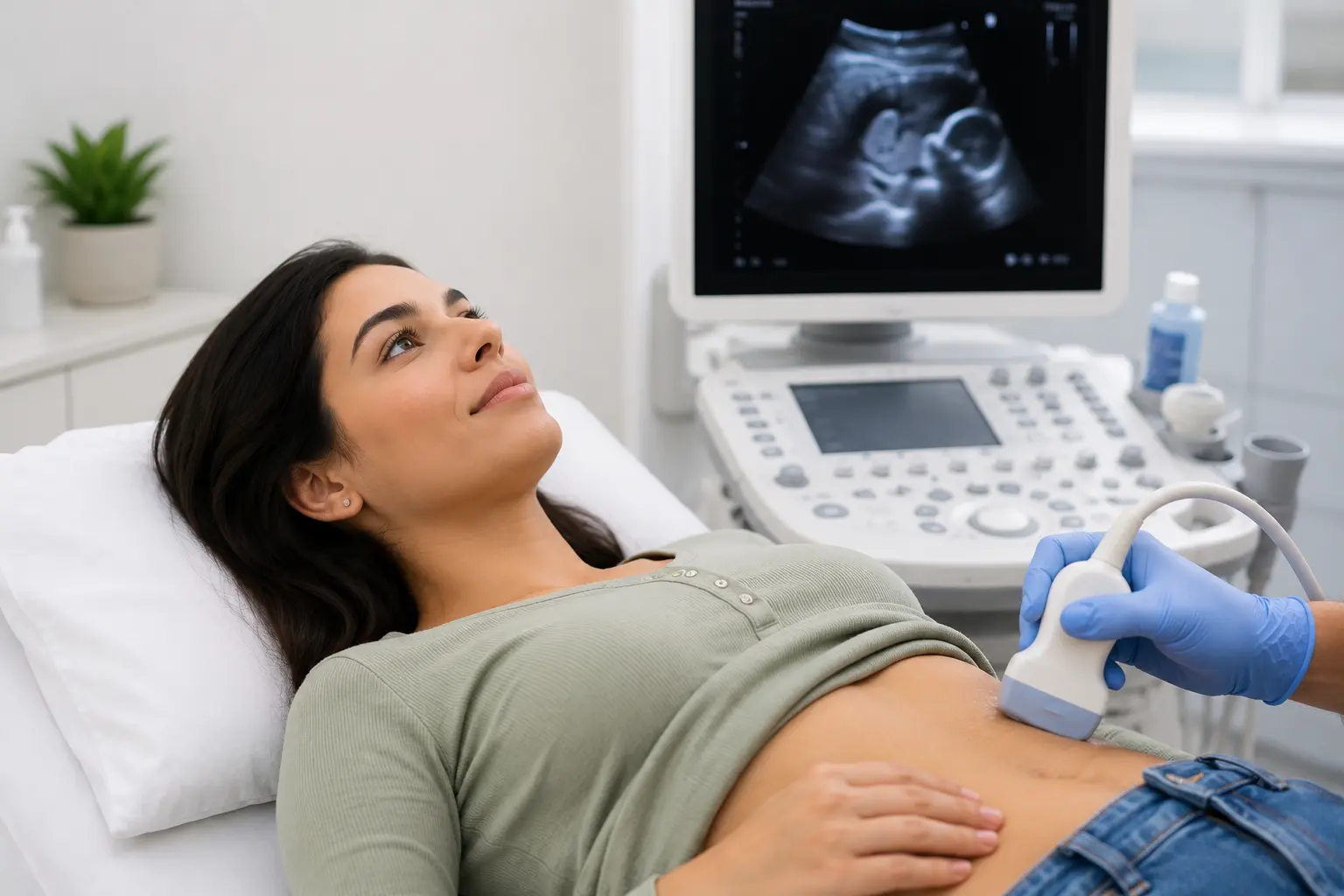
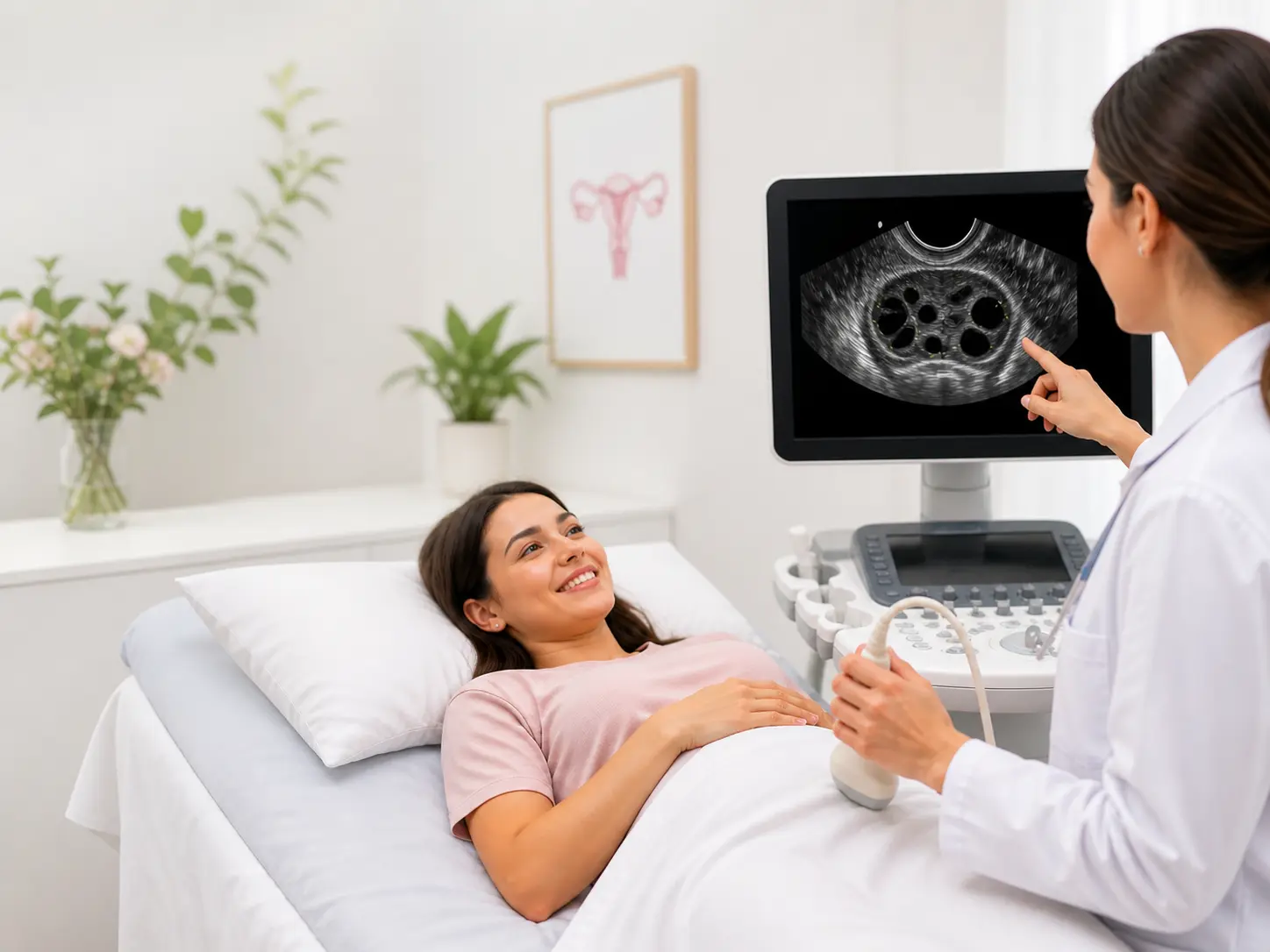
An ovulation study scan is a series of transvaginal or abdominal ultrasound scans performed during a specific phase of the menstrual cycle. The purpose is to track the development of follicles in the ovaries – small fluid-filled sacs, each containing a potential egg.
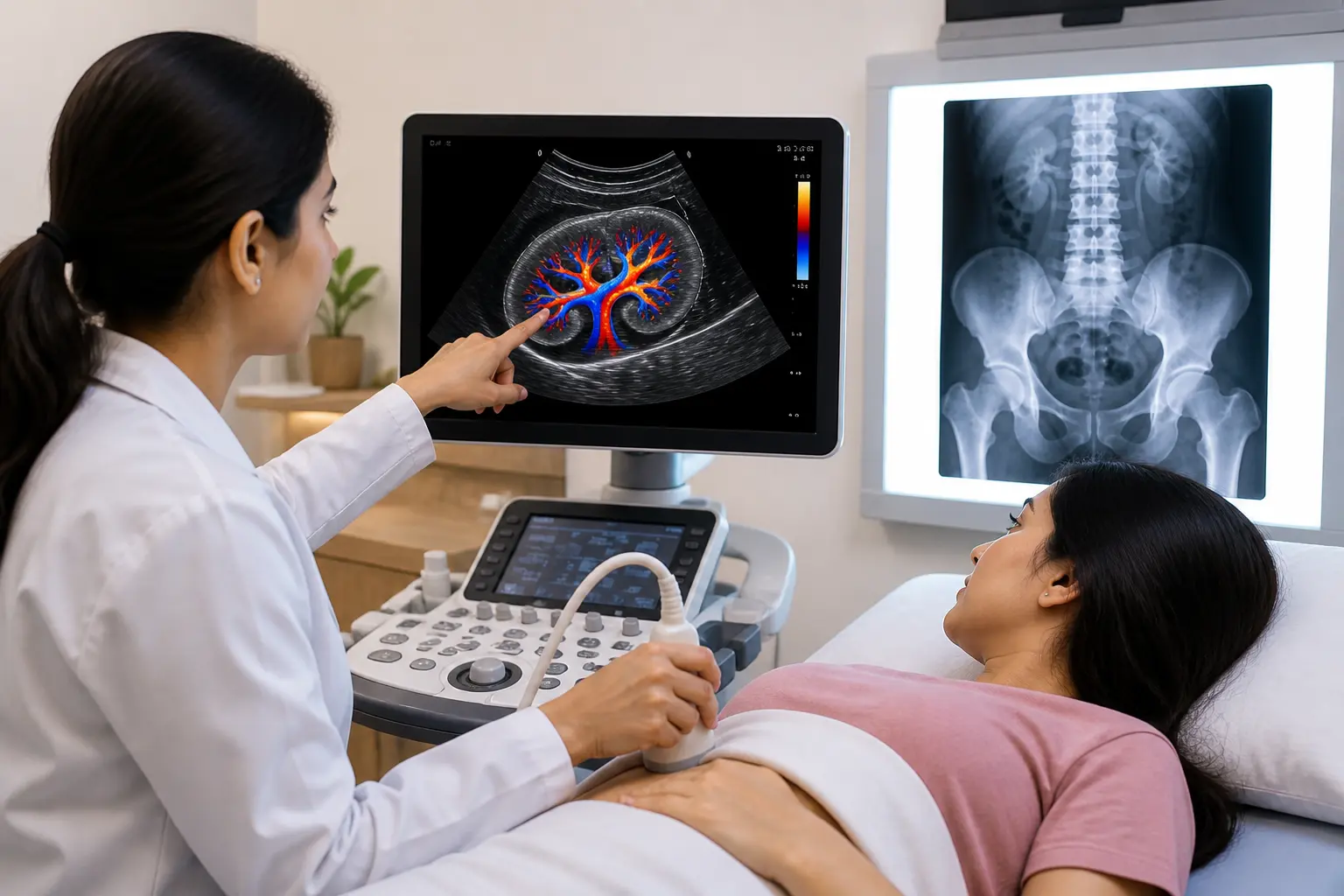
The scan monitors how follicles grow, which follicle becomes dominant (the one most likely to release a mature egg), and – critically – whether ovulation actually occurs. It also assesses the uterine lining (endometrium), which needs to reach an adequate thickness for a fertilised egg to implant successfully.
A complete ovulation study typically involves 3 to 5 ultrasound visits spread across the second week of the cycle (around Days 9 to 16, depending on cycle length). The results help doctors understand whether ovulation is happening, when it occurs, and whether the hormonal and uterine environment is favourable for conception.
5 Signs Your Doctor May Recommend an Ovulation Study Scan
Sign 1: You Have Been Trying to Conceive for 6 to 12 Months Without Success
This is the most common trigger for a referral to follicular monitoring. For women under 35, doctors typically recommend investigating after 12 months of regular, unprotected intercourse without conception. For women aged 35 and above, this threshold drops to 6 months – because ovarian reserve and egg quality decline with age, and time matters.
An ovulation study scan is often the starting point of this investigation because it is non-invasive, radiation-free, and provides immediate, real-time information. If the scan reveals that ovulation is not occurring reliably – or not occurring at all – it gives the doctor a clear direction for treatment, which might include ovulation induction medication like Clomiphene or Letrozole.
Sign 2: Your Periods Are Irregular, Absent, or Unpredictable
A regular menstrual cycle runs approximately 21 to 35 days. If your cycle is consistently shorter, longer, highly variable from month to month, or absent altogether (a condition called amenorrhoea), it is a strong signal that ovulation may not be occurring in a predictable or consistent pattern.
Irregular periods are one of the hallmark signs of Polycystic Ovary Syndrome (PCOS), a hormonal condition in which the ovaries produce multiple small follicles but often fail to release a mature egg. PCOS is one of the most common causes of anovulatory infertility. An ovulation study scan in this context helps the doctor establish whether follicles are developing, whether any are reaching maturity, and whether ovulation ultimately occurs.
Other causes of irregular cycles include thyroid disorders, elevated prolactin levels, hypothalamic dysfunction, and significant weight changes. The follicular monitoring scan is often ordered alongside hormone blood tests – including TSH, FSH, LH, AMH, and prolactin – to build a full clinical picture.
Sign 3: You Have Been Diagnosed with PCOS or a Hormonal Imbalance
A diagnosis of PCOS, hypothyroidism, hyperprolactinaemia, or another hormonal condition does not automatically mean you cannot conceive – but it does mean that ovulation may need to be monitored and sometimes medically stimulated. In these cases, your doctor will almost certainly recommend an ovulation study scan as part of your fertility management.
When ovulation induction medication is prescribed – to stimulate the ovaries to develop and release a mature egg – follicular monitoring scans become essential for safety as much as for effectiveness. The scans allow the doctor to check how many follicles are developing in response to medication, measure their size, and time the trigger injection (if used) to maximise the chances of a single mature egg being released.
Sign 4: You Are Undergoing IUI, IVF, or Other Assisted Fertility Treatment
If you are already in the process of fertility treatment – whether intrauterine insemination (IUI) or in vitro fertilisation (IVF) – follicular monitoring is not optional. It is a fundamental part of the treatment protocol. Your fertility specialist needs to know exactly when the dominant follicle reaches maturity (typically 18 to 22mm in diameter) so that the procedure can be timed precisely.
For IUI, the insemination is scheduled within 24 to 36 hours of ovulation – either natural or triggered by an injection (hCG trigger shot). For IVF, egg retrieval is timed to coincide with follicular maturity before ovulation occurs spontaneously. Missing this window – even by 24 hours – can significantly reduce the success rate of the procedure.
The endometrial lining is also closely tracked during these scans. For a successful implantation, the lining needs to be at least 7 to 8mm thick and have a specific layered (trilaminar) appearance on ultrasound. This information is as important as follicle size in deciding when to proceed with treatment.
Sign 5: You Are Using Natural Family Planning or Timed Intercourse to Conceive
Even without a diagnosed fertility problem, some couples prefer to use timed intercourse to maximise their chances of conception each month. Ovulation predictor kits and basal body temperature charts are popular home methods – but they have limitations. They predict the hormone surge that precedes ovulation, but they cannot confirm that ovulation actually occurred or that the follicle was mature at the time.
An ovulation study scan eliminates this guesswork. It confirms follicle size and maturity, identifies the most fertile window with precision, and – in a follow-up scan after the expected ovulation date – confirms whether ovulation actually took place (by checking for the collapsed follicle and free fluid in the pelvis, both signs that an egg has been released).
For couples who have experienced unexplained infertility despite apparently normal ovulation on home tests, a follicular monitoring scan often reveals subtle issues – such as a dominant follicle that grows but never ruptures (luteinised unruptured follicle syndrome, or LUF syndrome) – that would otherwise go undetected.
What to Expect During a Follicular Monitoring Scan at Ultrascan Diagnostics
If your doctor has referred you for an ovulation study scan, knowing what to expect will help you feel prepared and at ease.
• Timing: The first scan is usually done around Day 9 or Day 10 of your menstrual cycle (Day 1 being the first day of your period). Subsequent scans are scheduled based on follicle size, typically every 2 to 3 days.
• Type of scan: Most follicular monitoring scans are performed transvaginally (an internal scan using a small probe) as this provides clearer images of the ovaries and endometrium than an abdominal scan. A transabdominal scan may be used in some cases.
• Duration: Each scan session takes approximately 15 to 20 minutes.
• Results: Results are discussed immediately after each scan, and a written report is provided for your treating doctor.
• Number of visits: Most ovulation studies require 3 to 5 scans spread over 7 to 10 days, depending on how your follicles are developing.
At Ultrascan Diagnostics, your trusted ultrasound diagnostic centre and one of the nearest ultrasound centres in Indore, we understand the emotional weight this journey can carry. Our radiologists conduct every scan with sensitivity, precision, and respect for your privacy.
Why Patients Searching for an Ultrasound Scan in Indore Choose Ultrascan Diagnostics
When it comes to something as important as fertility monitoring, the quality of the equipment and the expertise of the radiologist make a genuine difference. Here is why women across Indore choose Ultrascan Diagnostics for their ovulation study scan:
• High-resolution ultrasound equipment: Our machines deliver sharp, detailed imaging of follicles as small as 5mm – critical for accurate monitoring.
• Coordinated care: We provide detailed written reports and direct communication support so that your fertility specialist or gynaecologist receives the information they need promptly.
• Convenient scheduling: We understand that an ultrasound scan in Indore for follicular monitoring requires flexibility – appointments need to fall on specific days of your cycle. Our team accommodates this with ease.
• Affordable and transparent: No hidden charges. Our pricing is upfront, and our team will help you understand what the process involves before you begin.
• Accessible location: Situated in Pipliyahana, Indore – easily reachable from across the city – making us the nearest ultrasound centre for many patients in the western and central zones of Indore.
Frequently Asked Questions About Ovulation Study Scans
Q1. What does an ovulation study scan show that other tests cannot?
An ovulation study scan provides direct, real-time visual evidence of follicle development and ovulation – something that blood tests and ovulation predictor kits cannot do. Blood tests measure hormone levels (such as LH and progesterone), and home kits detect the LH surge, but neither can confirm whether a mature follicle was actually present or whether ovulation truly occurred. The scan shows the size and number of developing follicles, the thickness and appearance of the uterine lining, and – in follow-up scans – whether the follicle collapsed (confirming egg release) and whether free fluid appeared in the pelvis (another sign of ovulation). This combination of information is uniquely available through ultrasound diagnostic imaging and is invaluable for planning fertility treatment.
Q2. On which day of my cycle should I get the first ovulation study scan?
The first scan in an ovulation study is typically done on Day 9 or Day 10 of your menstrual cycle, where Day 1 is the first day of your period. However, if your cycle is shorter than 28 days, your doctor may ask you to start slightly earlier – around Day 7 or Day 8. If your cycle is longer or irregular, the starting day may be adjusted accordingly. The key is to begin early enough to catch the developing follicles before the dominant one reaches full maturity (18–22mm), but not so early that nothing meaningful is visible yet. Your gynaecologist or fertility specialist will give you a personalised schedule based on your cycle history. When booking your ultrasound indore appointment, our team will confirm the exact timing based on your doctor’s instructions.
Q3. Is a follicular monitoring scan painful or uncomfortable?
A follicular monitoring scan is generally well-tolerated and causes minimal discomfort for most women. If performed transvaginally – which is the preferred method for its clarity – a thin, smooth probe covered with a sterile sheath and lubricant is gently inserted into the vagina. The procedure is not painful, though some women experience mild pressure or a sensation of fullness during the scan. Most patients report feeling at ease within the first few seconds. The scan takes approximately 15 to 20 minutes. If you have any concerns or discomfort at any point, you can ask the sonographer to pause or adjust. At Ultrascan Diagnostics, your comfort and dignity are our priority throughout every stage of the scan.