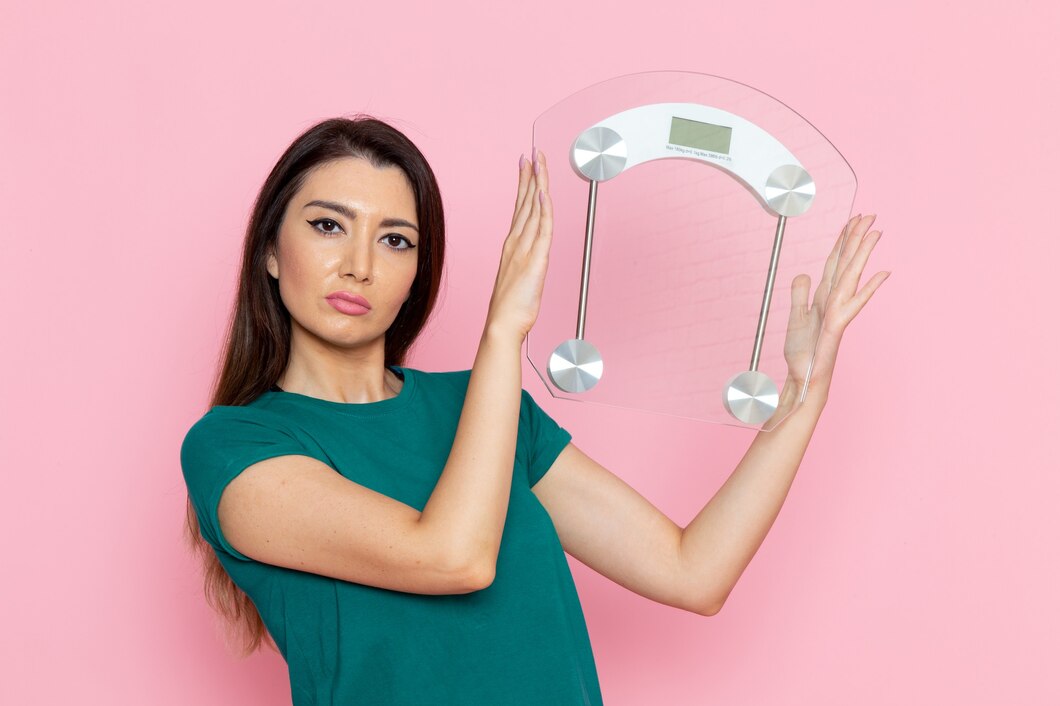
Struggling with unexplained weight gain or difficulty losing weight despite eating healthy and exercising regularly? You might be overlooking a crucial factor: your hormones. Hormone imbalances can significantly affect your metabolism, appetite, and fat storage, making weight management challenging. Understanding how hormone imbalance affects your weight is the first step toward effective treatment and better health.
What is Hormone Imbalance?
Hormones are chemical messengers that regulate many bodily functions, including metabolism, appetite, energy levels, and fat storage. When your hormones are out of balance, it can disrupt these processes, leading to weight fluctuations, fatigue, and other health problems.
Common signs of hormone imbalance include:
- Unexplained weight gain or loss
- Constant fatigue
- Mood swings or irritability
- Changes in appetite or cravings
- Sleep disturbances
Understanding how hormone imbalance affects your weight requires knowing which hormones play a key role in weight regulation.
Key Hormones That Affect Weight
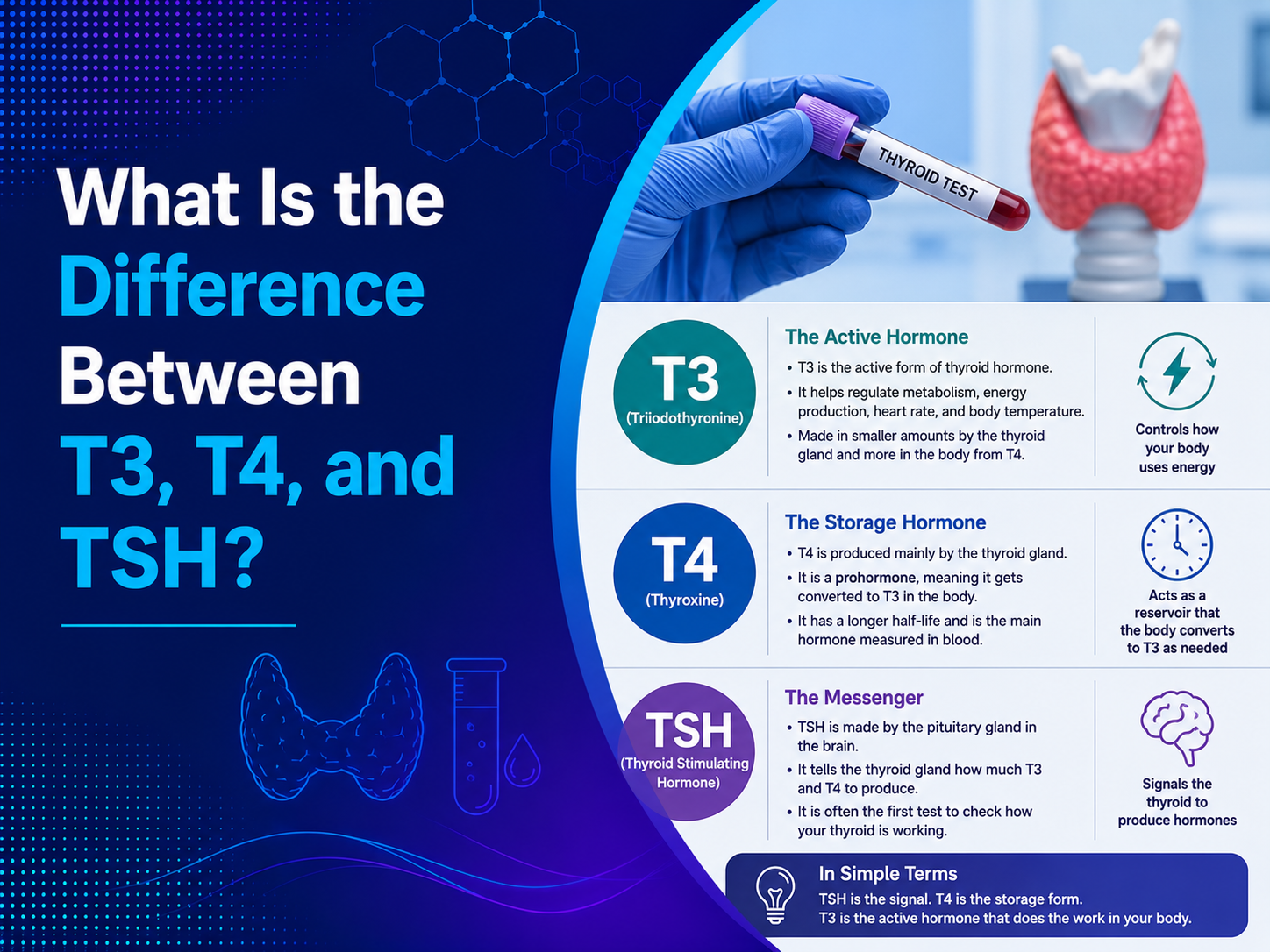
1. Thyroid Hormones (T3, T4, TSH)
The thyroid gland produces hormones that regulate metabolism. Low levels (hypothyroidism) can slow down metabolism, leading to weight gain, fatigue, and dry skin. Conversely, overactive thyroid (hyperthyroidism) can cause rapid weight loss.
Regular thyroid testing at a Diagnostic Centre in Indore can help detect imbalances early. Treatments may include medication or lifestyle changes.
2. Insulin
Insulin is responsible for regulating blood sugar levels. Insulin resistance, often seen in prediabetes and diabetes, makes it harder for the body to use sugar for energy, causing fat storage, particularly around the abdomen.
Maintain a balanced diet low in refined sugars and carbohydrates, exercise regularly, and consult a pathology lab in Indore for insulin level tests if you struggle with weight gain.
3. Cortisol
Known as the “stress hormone,” cortisol affects metabolism and fat storage. Chronic stress leads to prolonged cortisol elevation, causing increased appetite and belly fat accumulation.
Incorporate stress management techniques like meditation, yoga, or deep breathing exercises. Hormone tests at a Hormone Assay Test Centre in Indore can confirm if cortisol levels are contributing to weight issues.
4. Sex Hormones (Estrogen, Progesterone, Testosterone)
Hormones like estrogen and testosterone influence fat distribution and muscle mass. In women, estrogen dominance can lead to weight gain, particularly around the hips and thighs. In men, low testosterone levels can decrease muscle mass and increase fat.
Speak with your doctor and consider hormone testing if you notice weight changes, irregular periods, or low energy levels.
How Hormone Imbalance Affects Your Weight
When hormones are not in the right balance, several processes in your body are affected:
- Slowed Metabolism: Low thyroid hormone or cortisol imbalances can reduce the rate at which your body burns calories.
- Increased Fat Storage: Insulin resistance and estrogen dominance encourage the body to store fat, especially around the abdomen and thighs.
- Increased Appetite and Cravings: High cortisol levels can trigger cravings for sugary or high-calorie foods.
- Muscle Loss: Low testosterone or thyroid hormone levels can lead to reduced muscle mass, which in turn slows metabolism further.
Understanding these effects helps you realize that stubborn weight gain may not just be about diet or exercise it could be hormonal.
Essential Hormone Tests for Weight Management
1. Thyroid Function Test (T3, T4, TSH)
- Detects hypo- or hyperthyroidism
- Helps guide treatment to normalize metabolism
2. Insulin and Fasting Blood Sugar Test
- Identifies insulin resistance or prediabetes
- Helps design a diet and exercise plan tailored to your needs
3. Cortisol Test
- Measures stress hormone levels
- Useful for identifying chronic stress-related weight gain
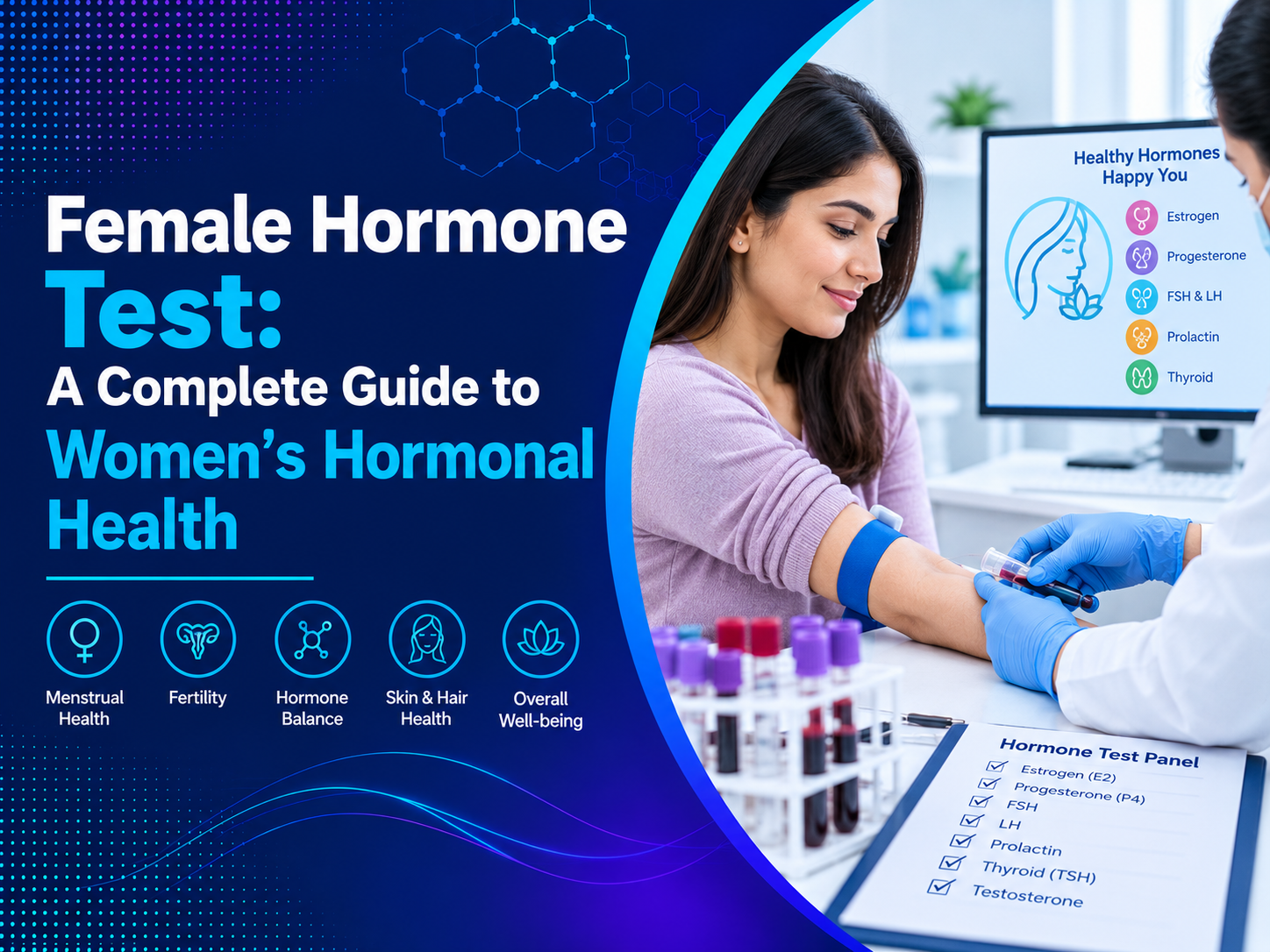
4. Sex Hormone Panel (Estrogen, Progesterone, Testosterone)
- Detects imbalances that can affect fat distribution and energy
- Helps in planning hormone therapy if needed
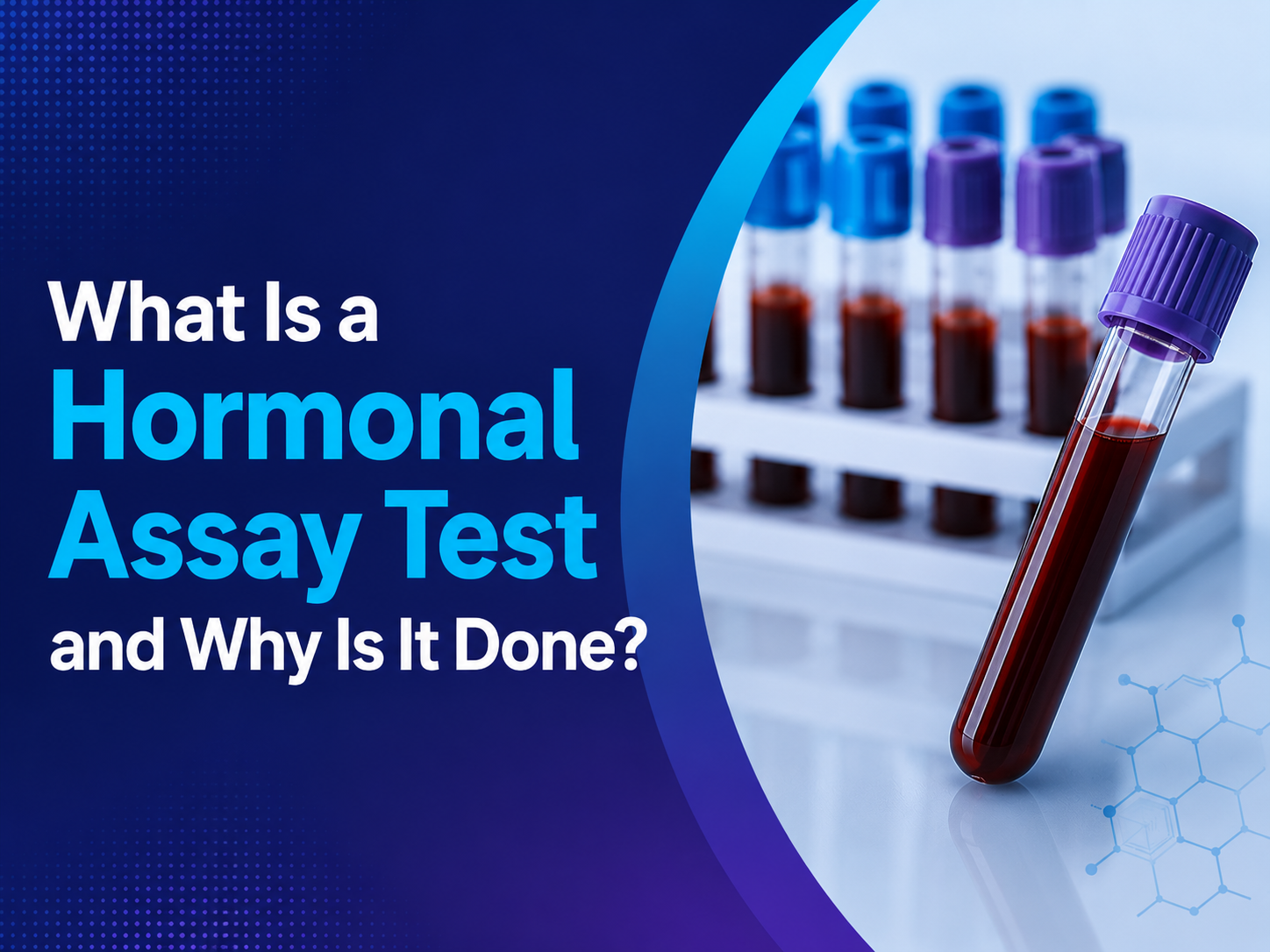
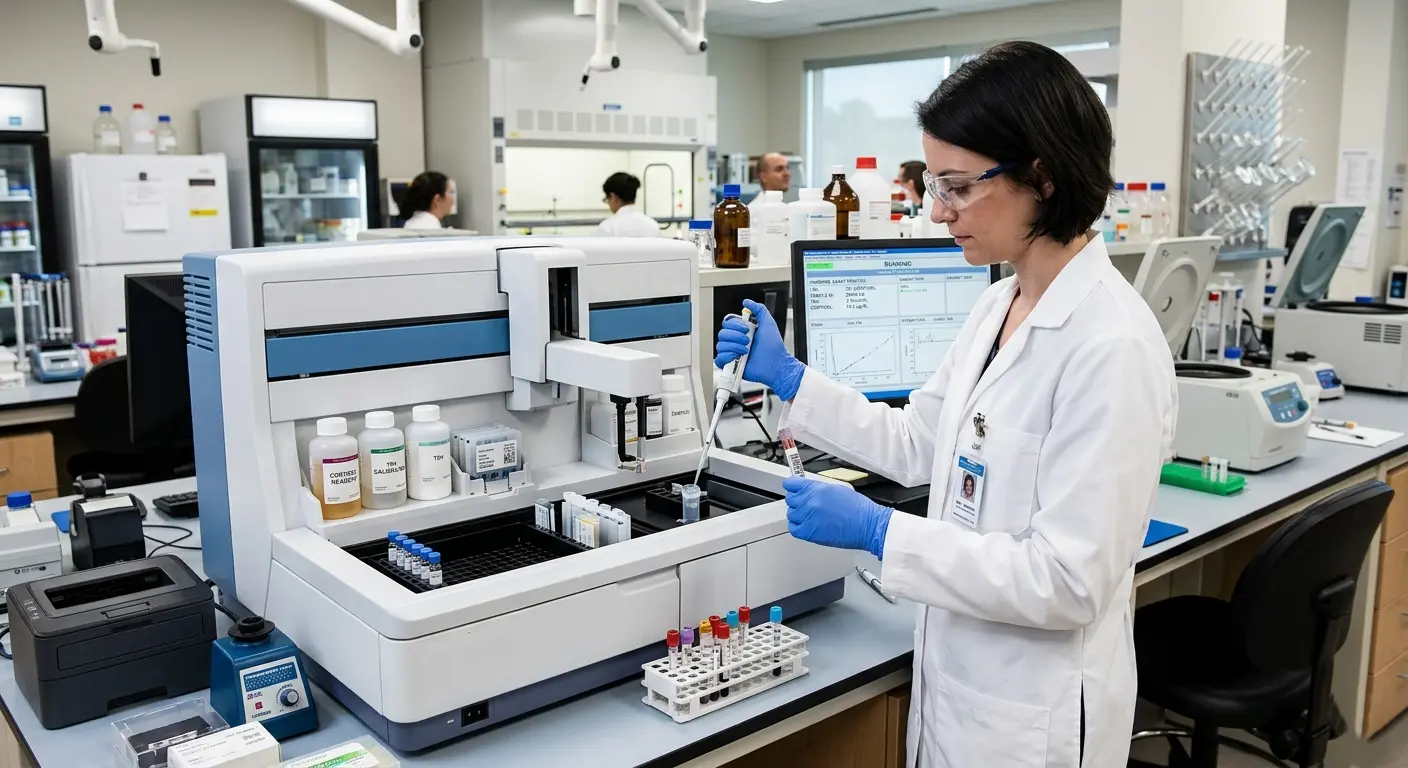
Choose a reliable Hormone Assay Test Centre in Indore like Ultrascan Diagnostic Centre to ensure accurate results.
Lifestyle Tips to Manage Weight with Hormone Imbalance
Even after identifying hormone imbalances, lifestyle changes are crucial to manage weight effectively:
- Balanced Diet: Include lean proteins, whole grains, healthy fats, and plenty of vegetables. Avoid processed foods and refined sugars.
- Regular Exercise: Combine cardio, strength training, and flexibility exercises to boost metabolism and maintain muscle mass.
- Stress Management: Practice meditation, yoga, or mindfulness to regulate cortisol levels.
- Sleep Well: Aim for 7–9 hours of quality sleep, as poor sleep disrupts multiple hormones affecting weight.
- Regular Checkups: Periodic hormone testing at a pathology lab in Indore ensures early detection and management of imbalances.
Why Choose Ultrascan Diagnostic Centre for Hormone Testing in Indore
When it comes to accurate and reliable hormone testing, choosing the right centre is critical. Ultrascan Diagnostic Centre, recognized as one of the best diagnostic centres in Indore, offers:
- Comprehensive Hormone Assay Tests
- Experienced pathologists and technicians
- State-of-the-art laboratory equipment
- Quick and accurate reports
- Affordable and transparent pricing
With Ultrascan Diagnostic Centre, you can be confident that your hormone tests are precise, helping you make informed decisions about your health and weight management.
FAQ Section
Q1: How often should I test my hormones?
A: Frequency depends on age, medical history, and symptoms. Typically, a yearly check or sooner if you notice significant weight changes or other symptoms is recommended.
Q2: Can hormone imbalance cause sudden weight gain?
A: Yes, imbalances in thyroid, insulin, or sex hormones can lead to rapid weight fluctuations, even if your diet and exercise habits remain unchanged.
Q3: Are hormone tests painful?
A: Most hormone tests involve simple blood draws, which are minimally painful. Ultrascan Diagnostic Centre ensures a comfortable testing experience.
Q4: Can lifestyle changes alone fix hormone-related weight gain?
A: While diet, exercise, and stress management help, some cases may require medical intervention or hormone therapy, which can only be determined through proper testing.
Conclusion
Understanding how hormone imbalance affects your weight is essential for effective weight management. By identifying the key hormones involved and getting tested at a trusted Hormone Assay Test Centre in Indore, you can take targeted steps to restore balance, improve metabolism, and achieve your health goals.
If you’re struggling with unexplained weight gain or other symptoms of hormonal imbalance, don’t wait consult Ultrascan Diagnostic Centre, one of the best diagnostic centres in Indore, for comprehensive hormone testing and expert guidance. Your journey toward balanced hormones and healthy weight starts here!
Contact Us on Whatsapp.